

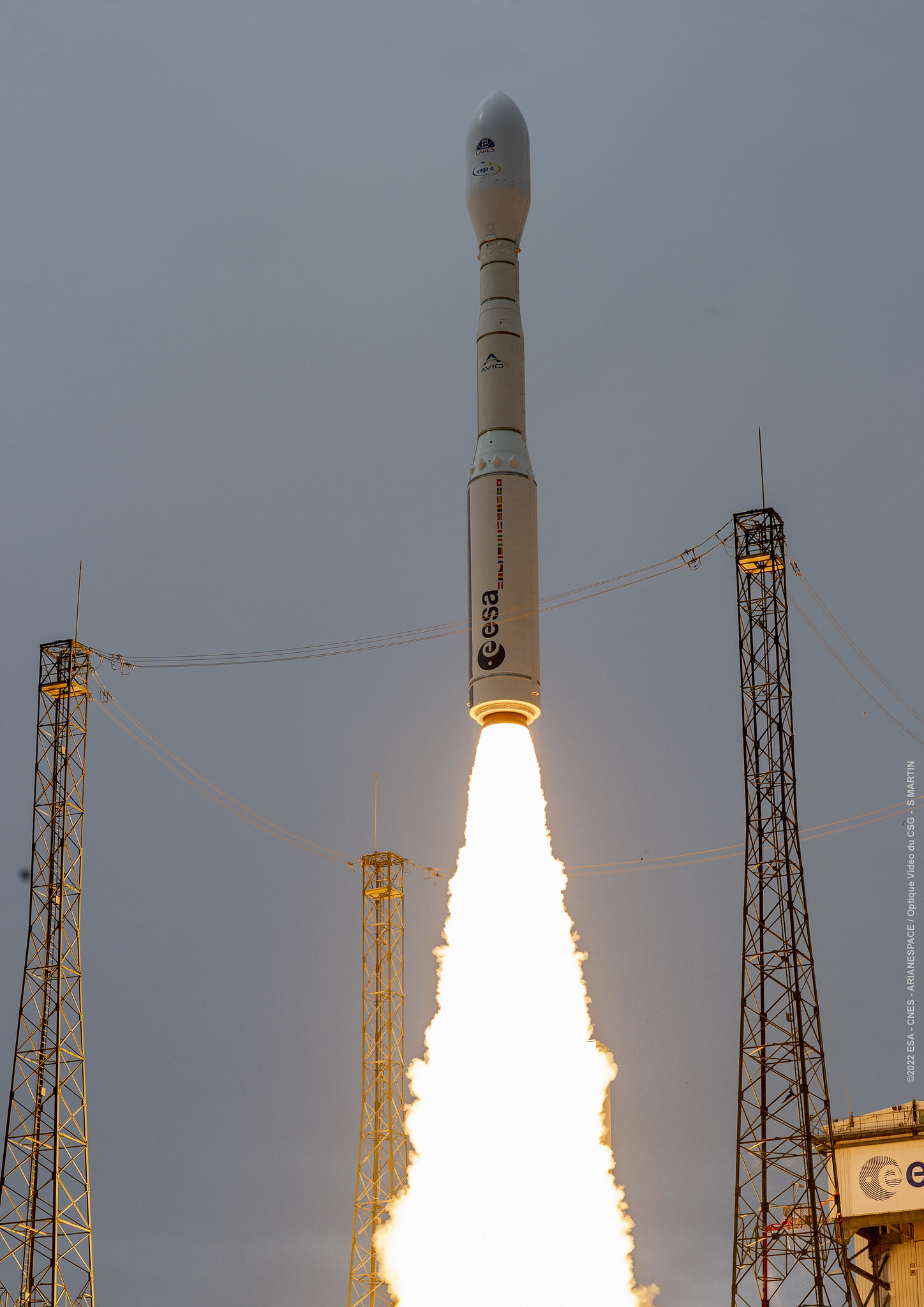
Space Brief 12 Jul 2025
Today's focus spans from major military training initiatives in orbit to key updates on drone policies and crucial satellite launches.


Launch Date
September 22, 1976
Launch Site
Launch Pad
LC31
Launch Vehicle
Soyuz-U
NORAD ID
09436
International Designator
1976-096B
Decay Date
9/30/1976
Name
SL-4 R/B
Alternative Name
Soyuz-U 42-240 Blok-I
Type
Status
Owner
RVSN
Country
USSR
Constellation
N/A
Related Satellites
Major Events
N/A
Length
6.7
Diameter
2.7
Span
6.7
Dry Mass
2350
Launch Mass
2350
Shape
Cyl
Radar Cross Section
Unknown
Visual Magnitude
Unknown
Color
Unknown
Material Composition
Unknown
Payload
11S510
Purpose
Unknown
Mission
Unknown
Manufacturer
PROG
Life Expectancy
Unknown
Bus
Blok-I
Configuration
Unknown
Motor
Unknown
Equipment
Unknown
Power System
Unknown
ADCS
Unknown
Transmitter Frequency
Unknown
Learn more about satellites and other related topics.
Today's focus spans from major military training initiatives in orbit to key updates on drone policies and crucial satellite launches.

Today's brief covers a significant hypersonic flight by Stratolaunch, the US Space Force's missile warning upgrades, and major government space investments.
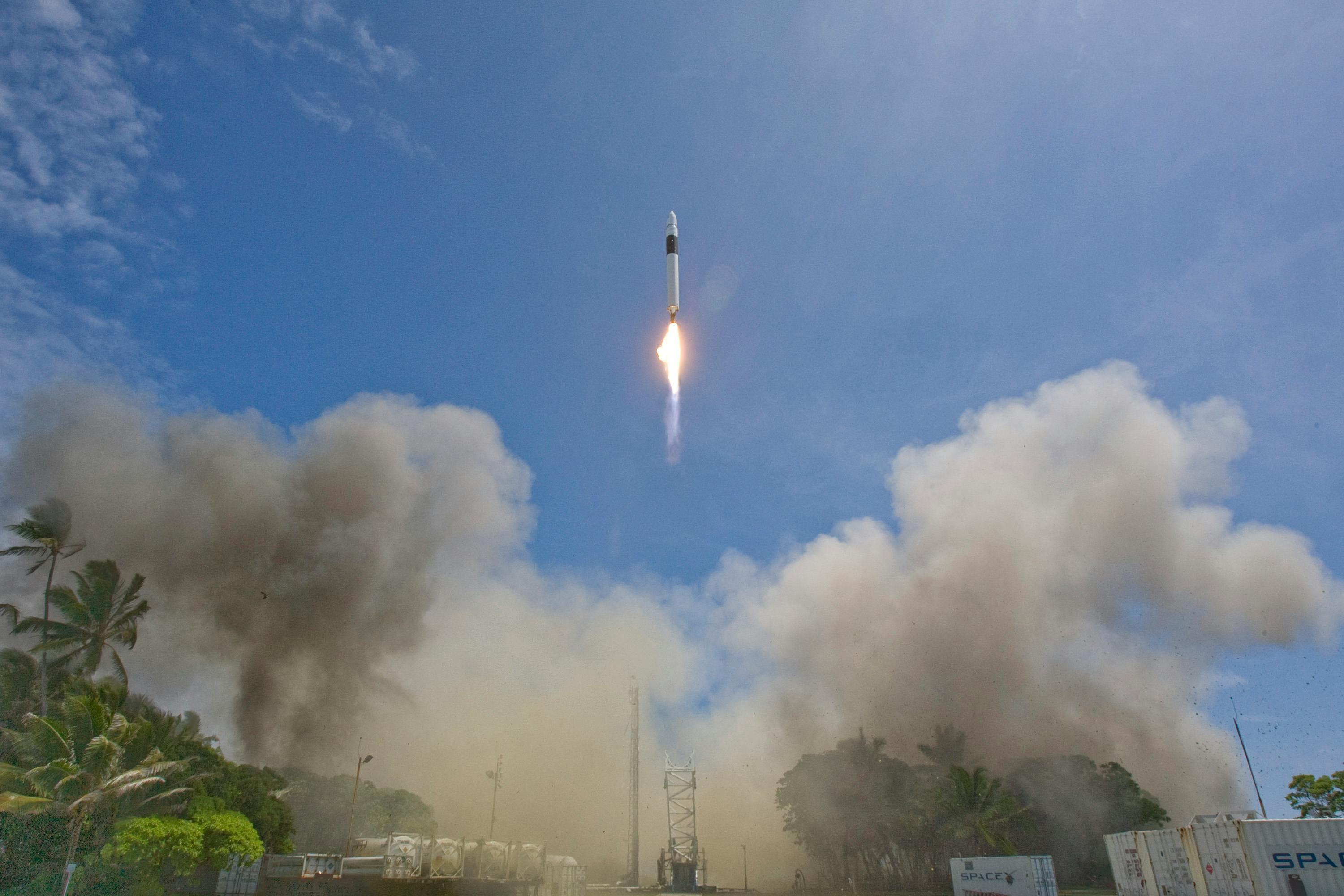
Today's brief highlights the successful launch of 29 Starlink satellites, progress on the Starship fleet, and ongoing adjustments in SpaceX's launch schedules.
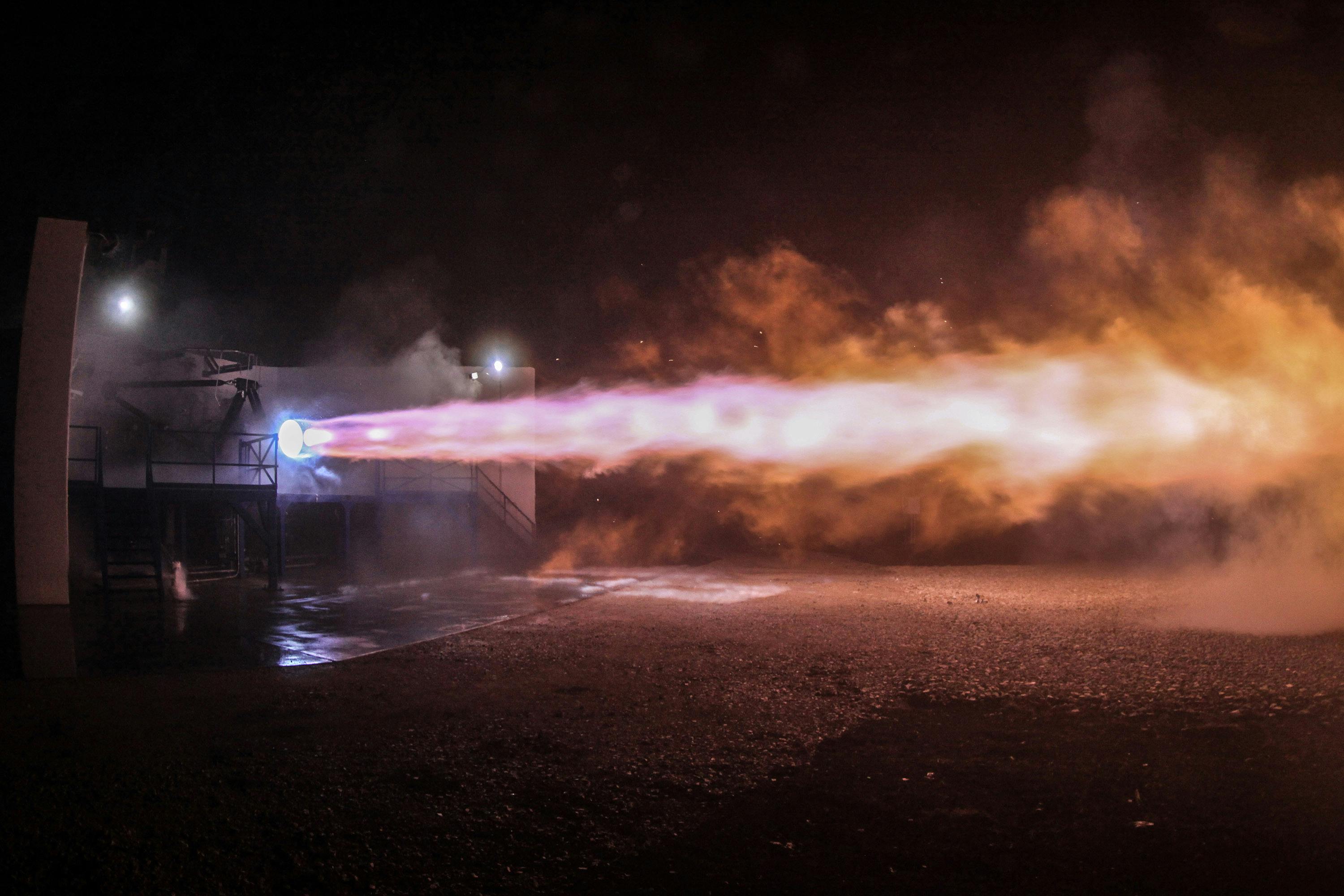
Canada reconsiders Starlink contract amidst US tariff delays, and new concerns arise over falling space debris.

Today's briefing highlights the SDA's significant satellite award, Blue Origin's groundbreaking flight, and NASA's call for an Artemis review.

SpaceX successfully launched its 60th mission of the year, deploying 27 Starlink satellites from California. The company continues to hit milestones, confirming its dominance in spaceflight as Elon Musk acknowledges the achievement. Spire also expands its partnership with Deloitte to enhance cybersecurity in orbit.
Today's highlights include ExoMars' successful parachute test, developments in military satellite systems, and leadership changes at NASA Goddard.
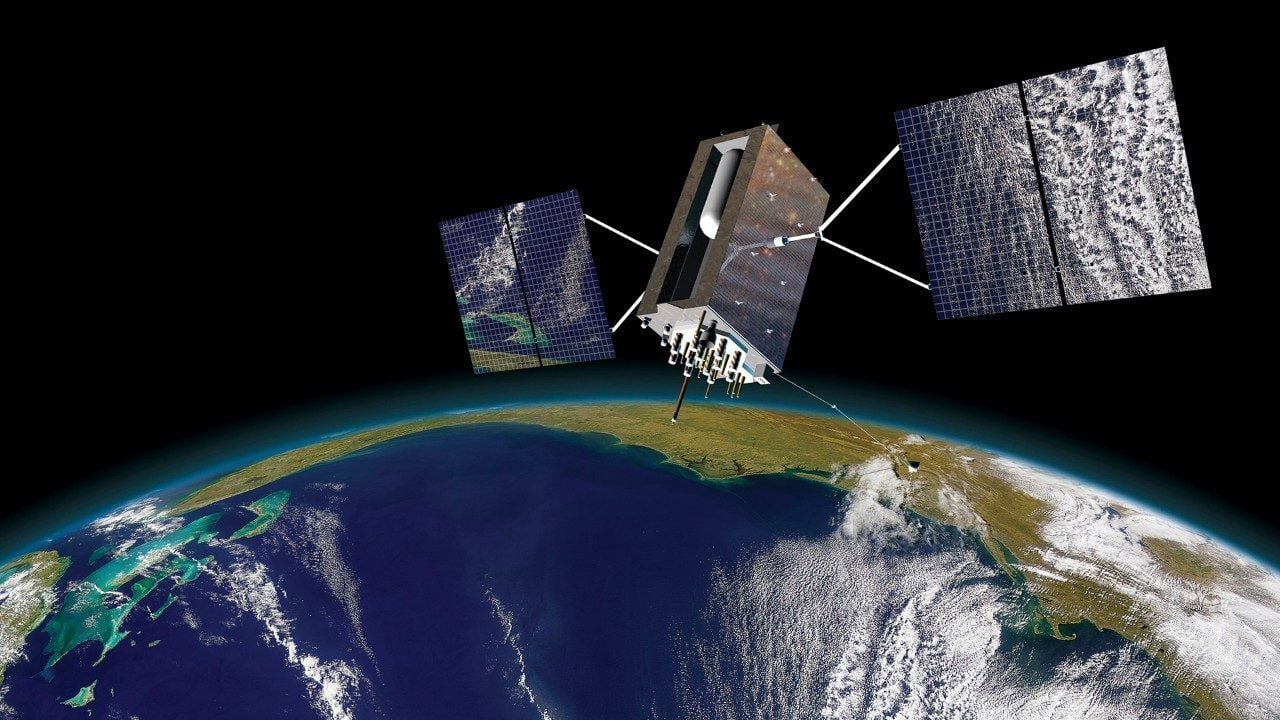
On April 17, 2026, the U.S. Space Force officially cancelled the Next Generation Operational Control System after sixteen years of development, cost overruns, and testing failures. The $8 billion program was supposed to unlock the military's encrypted GPS signal. Instead, the satellites are flying with capabilities the ground can't command.