SL-4 R/B (09406)

COSPAR: 1976-090B | Alt Name: Soyuz-U 26-665 Blok-I
DECAYED

Image
SL-4 R/B Satellite Image
Additional Sources
Launch Details

Launch Date

September 3, 1976

Launch Site

PLMSC

Launch Pad

LC43/4

Launch Vehicle

Soyuz-U

Orbital Elements

NORAD ID

09406

International Designator

1976-090B

Decay Date

9/7/1976

Basic Satellite Info

Name

SL-4 R/B

Alternative Name

Soyuz-U 26-665 Blok-I

Type

Rocket Body

Status

Space Junk

Owner

RVSN

Country

USSR

Constellation

N/A

Related Satellites

Major Events

N/A

Summary
A rocket body, also commonly referred to as an upper stage or spent rocket stage, is the structural shell left behind after a rocket has delivered its payload to orbit. These large and often heavy pieces of space hardware can remain in orbit for years, posing significant collision hazards as part of the growing space debris problem. If left uncontrolled, rocket bodies have the potential to reenter Earth's atmosphere unpredictably, which can lead to falling debris in populated areas. Additionally, they risk colliding with operational satellites or the International Space Station, creating more debris and putting human life at risk.
Physical Characteristics

Length

6.7

Diameter

2.7

Span

6.7

Dry Mass

2350

Launch Mass

2350

Shape

Cyl

Radar Cross Section

Unknown

Visual Magnitude

Unknown

Color

Unknown

Material Composition

Unknown

Technical Details

Payload

11S510

Purpose

Unknown

Mission

Unknown

Manufacturer

PROG

Life Expectancy

Unknown

Bus

Blok-I

Configuration

Unknown

Motor

Unknown

Equipment

Unknown

Power System

Unknown

ADCS

Unknown

Transmitter Frequency

Unknown

Satellite Articles

View All Posts »

Learn more about satellites and other related topics.

Space Brief 4 Nov 2025

Space Brief 4 Nov 2025

Today's brief covers China's new GEO Yaogan satellite launch, India's record-mass commsat, military tech updates, autonomous systems for maritime security, and insights from satellite imagery of Hurricane Melissa's impact in Jamaica.

Space Brief 4 Dec 2025

Space Brief 4 Dec 2025

Today's brief covers SpaceX's Starship launch approval, Antares' nuclear funding, and shifts in global space defense strategies.

Pentagon $50B Iran Supplemental Drives Space Spending Surge | KeepTrack Space Brief

Pentagon $50B Iran Supplemental Drives Space Spending Surge | KeepTrack Space Brief

Pentagon's $50B Iran supplemental request signals major investment in missile defense and ISR satellites. Amazon reshuffles LEO government leadership amid Kuiper competition.

DROID.002 - Turion Space's Eyes on the Orbital Junkyard

DROID.002 - Turion Space's Eyes on the Orbital Junkyard

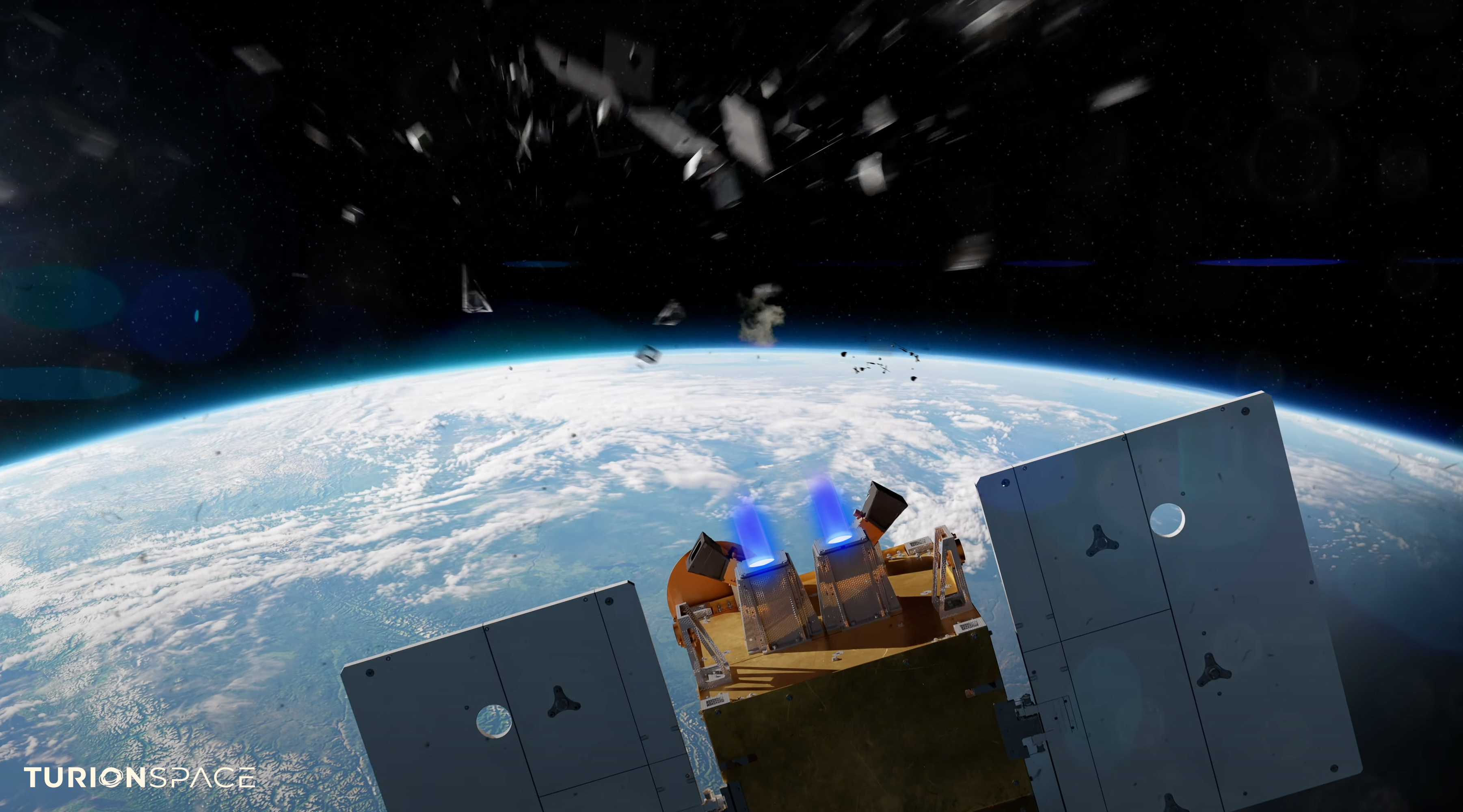
A 90-kilogram spacecraft with iodine thrusters and two Australian-built cameras is quietly building the case that tracking space debris is a business worth billions - and that a four-year-old startup from Irvine can own it.

STS-51B | Three-Tenths of a Second from Disaster

STS-51B | Three-Tenths of a Second from Disaster

Forty years ago today, Challenger lifted off LC-39A on a science mission that nobody outside Morton-Thiokol would call dangerous. Years later, after the orbiter and seven other astronauts were gone, investigators looked at the recovered boosters from STS-51B and realized the crew had come within a fraction of a second of dying first. This is the story of the launch that should have been a warning.

Space Brief 9 May 2025

Space Brief 9 May 2025

Today's briefing covers new satellite projects, military tech advancements, and insights into missile defense strategies. Discover partnerships in satellite design and exciting developments in space military technology.

X Report 12 Dec 2025

X Report 12 Dec 2025

SpaceX makes headlines with record-breaking launch operations, while plans for an IPO signal major changes in the company's trajectory and could inspire industry-wide movements.

LeoLabs and the Business of Watching Everything

LeoLabs and the Business of Watching Everything

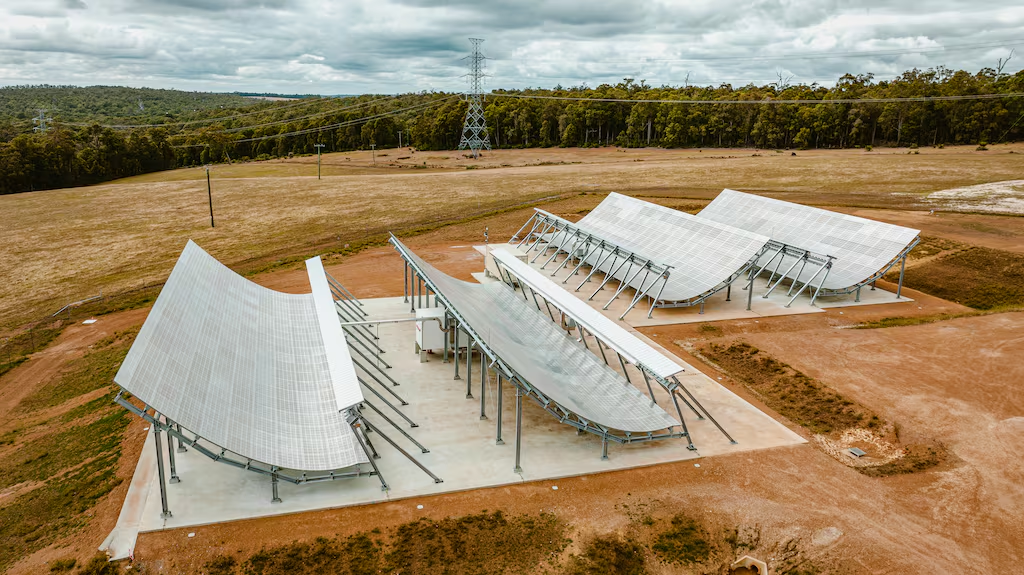
A startup built on Cold War-era radar science now tracks 25,000 objects in orbit - and the Pentagon can't get enough of it. But can its radars really compete with the Space Surveillance Network?