


X Report 24 Nov 2025
SpaceX successfully launches 28 Starlink satellites on a new Falcon 9 rocket from California, marking a significant milestone for their satellite constellation.


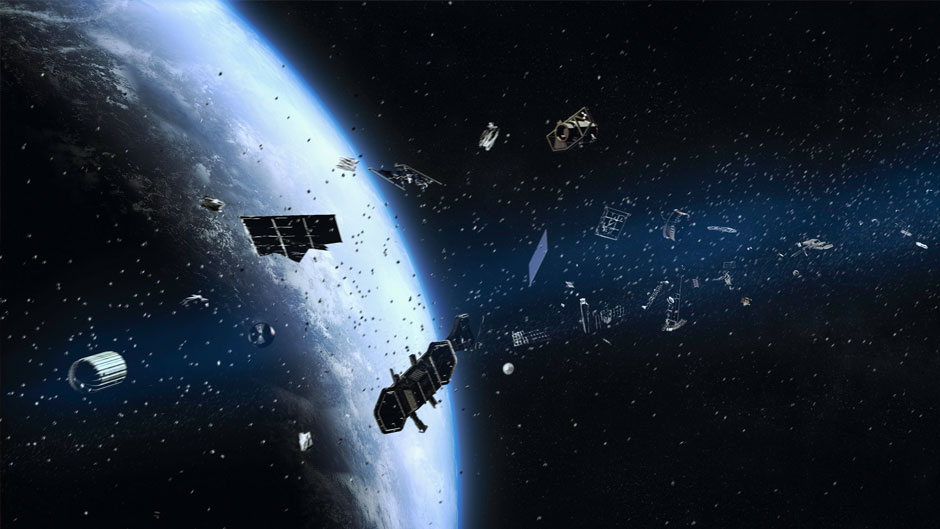
Launch Date
July 22, 1976
Launch Site
PLMSC
Launch Pad
Unknown
Launch Vehicle
Unknown
NORAD ID
09363
International Designator
N/A
Decay Date
8/13/1976
Name
COSMOS 844 DEB
Alternative Name
deb Kosmos-844
Type
Status
Owner
TSSKB
Country
USSR
Constellation
N/A
Related Satellites
Major Events
N/A
Length
0
Diameter
0
Span
0
Dry Mass
0
Launch Mass
0
Shape
N/A
Radar Cross Section
Unknown
Visual Magnitude
Unknown
Color
Unknown
Material Composition
Unknown
Payload
Unknown
Purpose
Unknown
Mission
Unknown
Manufacturer
Unknown
Life Expectancy
Unknown
Bus
Unknown
Configuration
Unknown
Motor
Unknown
Equipment
Unknown
Power System
Unknown
ADCS
Unknown
Transmitter Frequency
Unknown
Learn more about satellites and other related topics.
SpaceX successfully launches 28 Starlink satellites on a new Falcon 9 rocket from California, marking a significant milestone for their satellite constellation.

SpaceX launches multiple Starlink batches, FAA updates for Starship, and NASA plans lunar cargo deliveries involving SpaceX and Blue Origin.
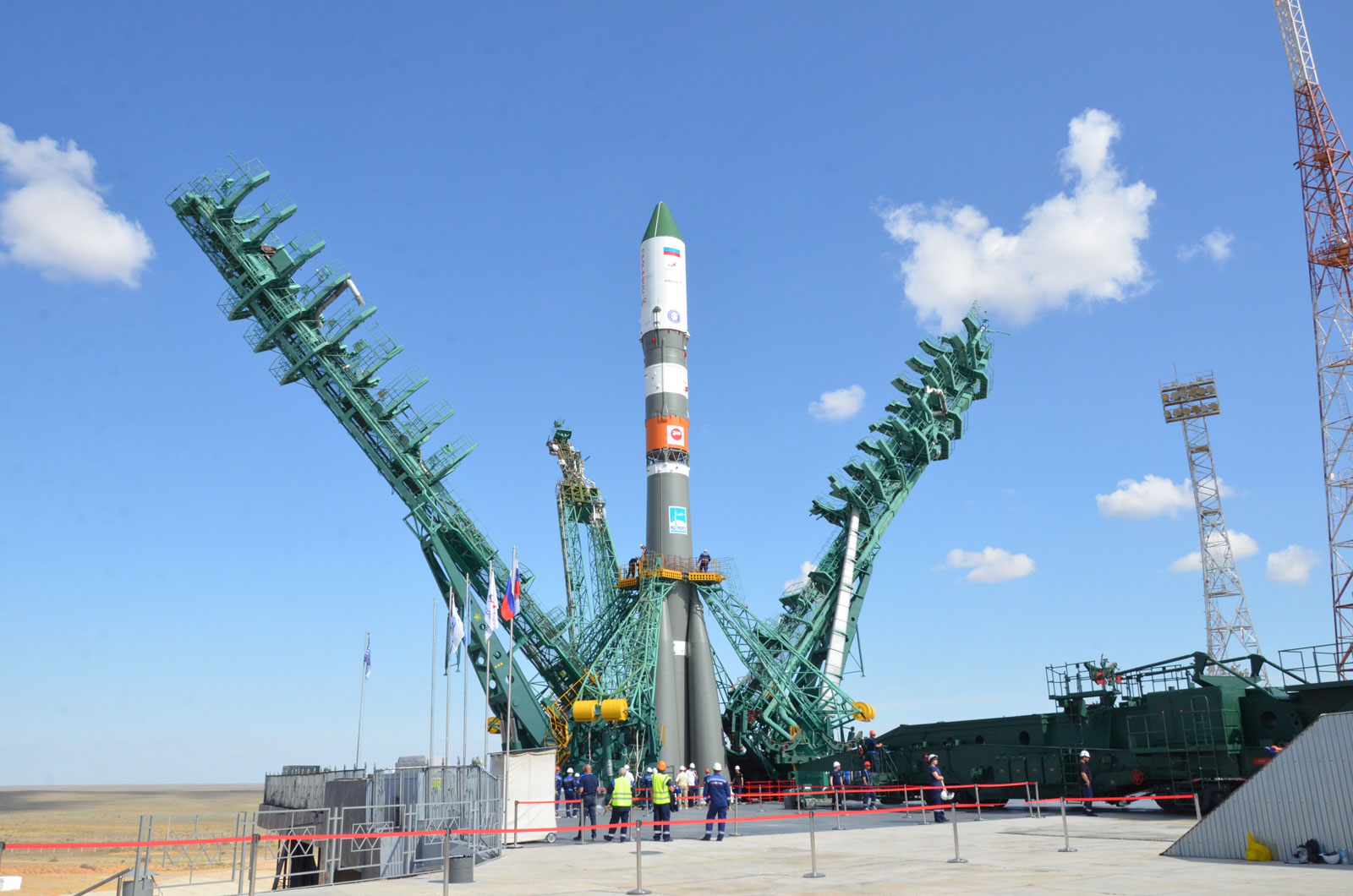
Space Force expands National Security Space Launch Phase 3 with Relativity Space and Impulse Space joining Lane 1 competition. New entrants gain pathway to military payload contracts.
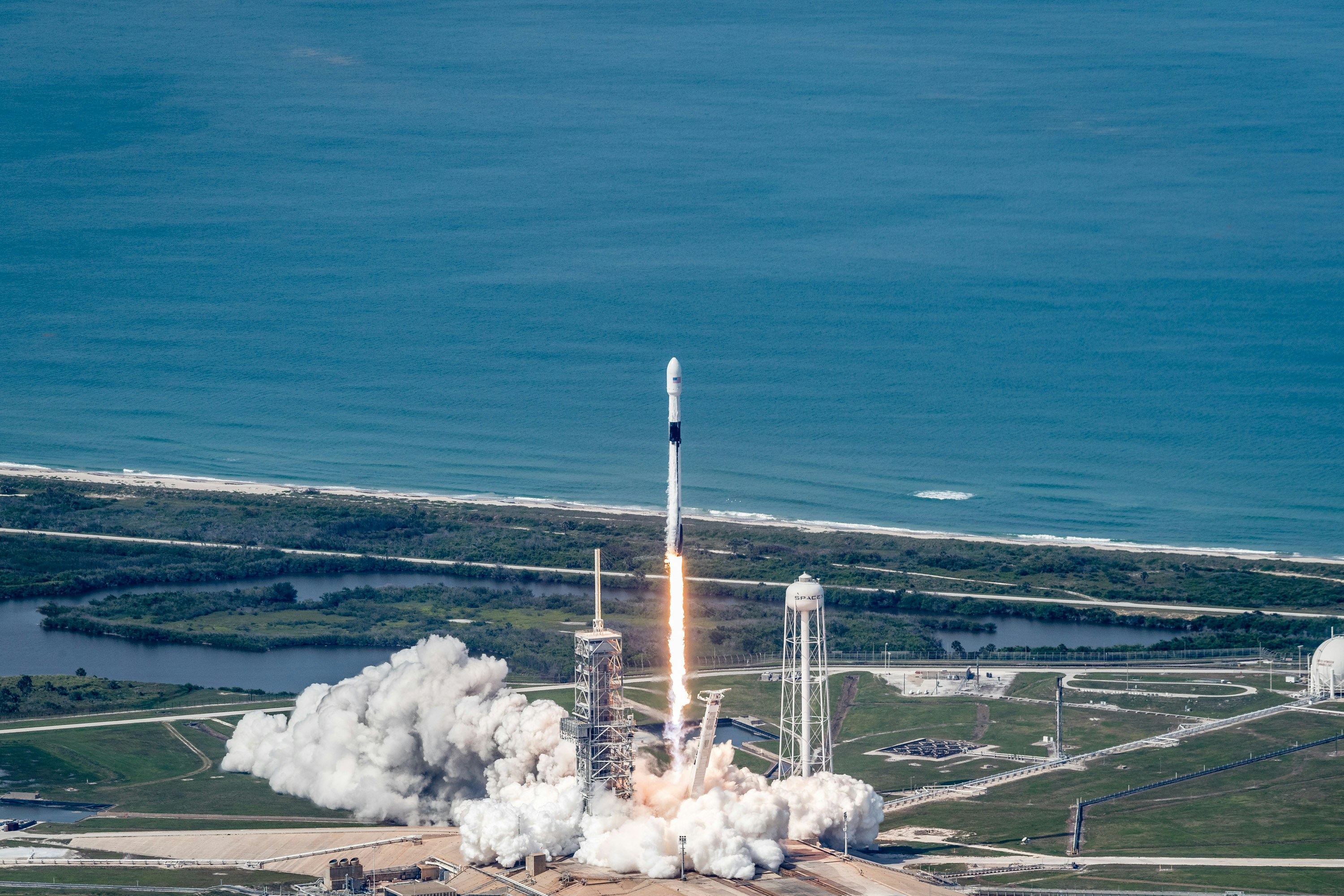
SpaceX's Falcon 9 rideshare lifted 45 satellites including South Korea's CAS500-2 Earth observer from Vandenberg at 0700 UTC May 3.

CENTCOM confirms first-ever combat use of PrSM against Iranian targets. Space Force VP calls for aggressive end strength growth. Artemis II boosters on pad.
SpaceX experiences a setback with Starship Flight 8 while continuing its Starlink deployment efforts with a successful launch from California.
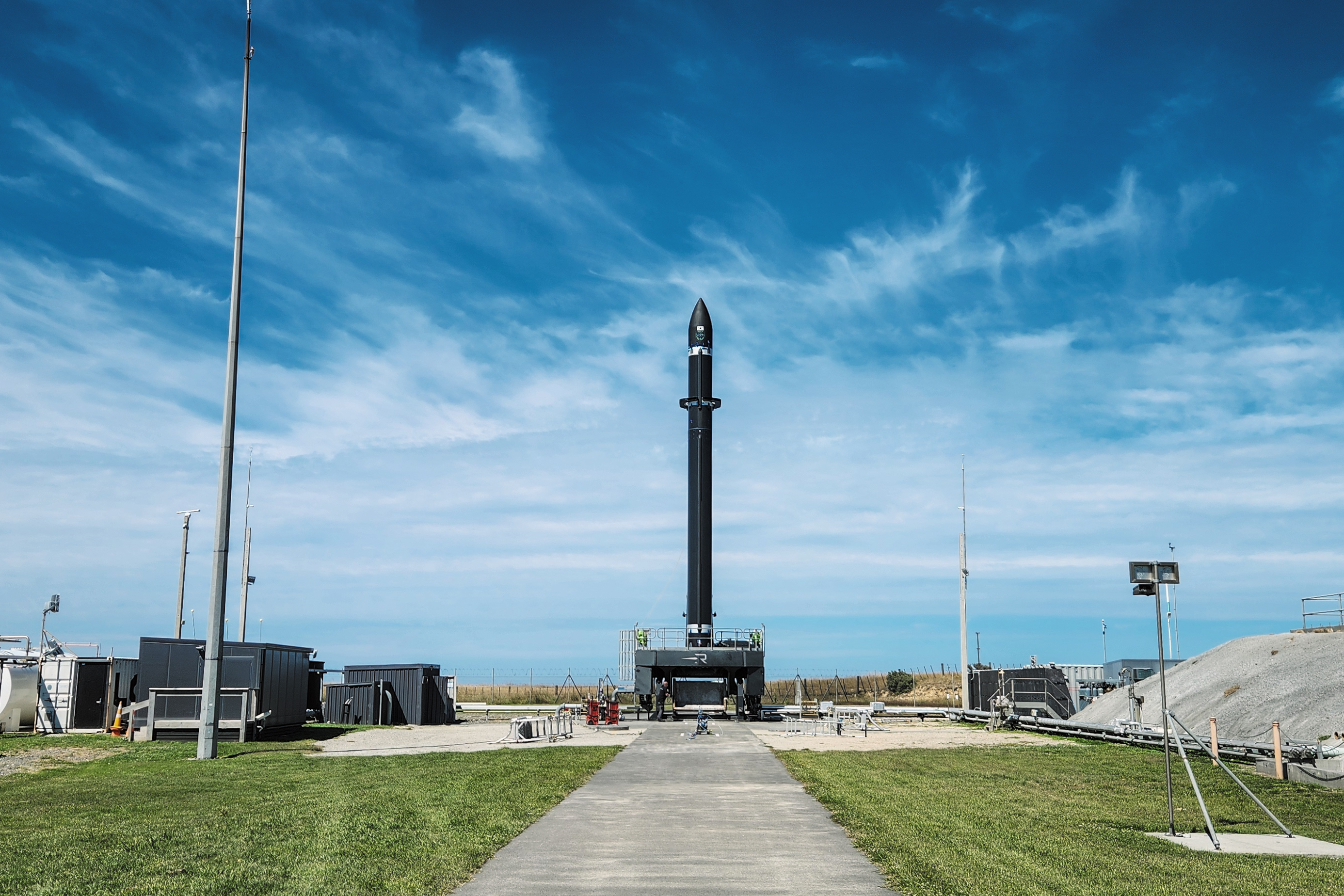
Today's highlights include Japan's new military satellite imagery initiative, NASA's SPHEREx map, and AST BlueBird 6's groundbreaking cellular array in low Earth orbit.

On April 22, 2026, the FAA published a final rule implementing per-launch user fees for commercial space transportation — the first time the U.S. government has charged payload-based fees for rocket launches. Starting at 25 cents per pound with a $30,000 cap, the fees are modest today. By 2033, they won't be.