

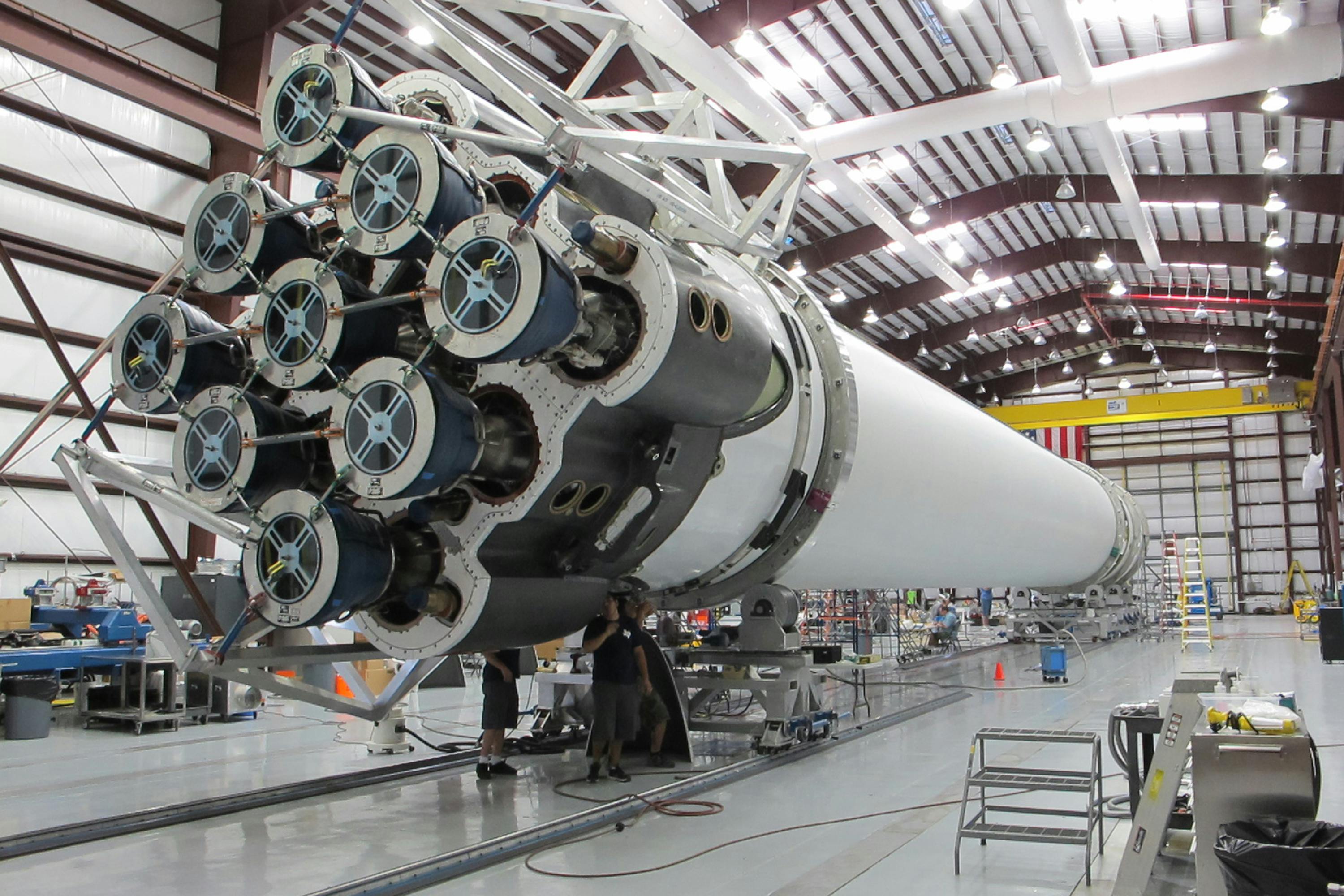
SpaceX Opens 2026 With 29 Starlink Satellites, X Report 5 Jan 2026
SpaceX Starlink updates for 2026 open with Starlink 6-88: 29 satellites from Cape Canaveral on Jan 4, after a record 165-launch 2025.



Launch Date
July 22, 1976
Launch Site
PLMSC
Launch Pad
Unknown
Launch Vehicle
Unknown
NORAD ID
09345
International Designator
N/A
Decay Date
8/13/1976
Name
COSMOS 844 DEB
Alternative Name
deb Kosmos-844
Type
Status
Owner
TSSKB
Country
USSR
Constellation
N/A
Related Satellites
Major Events
N/A
Length
0
Diameter
0
Span
0
Dry Mass
0
Launch Mass
0
Shape
N/A
Radar Cross Section
Unknown
Visual Magnitude
Unknown
Color
Unknown
Material Composition
Unknown
Payload
Unknown
Purpose
Unknown
Mission
Unknown
Manufacturer
Unknown
Life Expectancy
Unknown
Bus
Unknown
Configuration
Unknown
Motor
Unknown
Equipment
Unknown
Power System
Unknown
ADCS
Unknown
Transmitter Frequency
Unknown
Learn more about satellites and other related topics.
SpaceX Starlink updates for 2026 open with Starlink 6-88: 29 satellites from Cape Canaveral on Jan 4, after a record 165-launch 2025.

Space Force contracts Viasat and SES for $437M Protected Tactical Satcom-Global program. Blue Origin clears New Glenn for flights after Flight 3 investigation.

Booster B1067 sets new Falcon 9 reuse record with 35th successful flight, deploying 29 Starlink satellites. Quantum Space pursues public markets via SPAC.
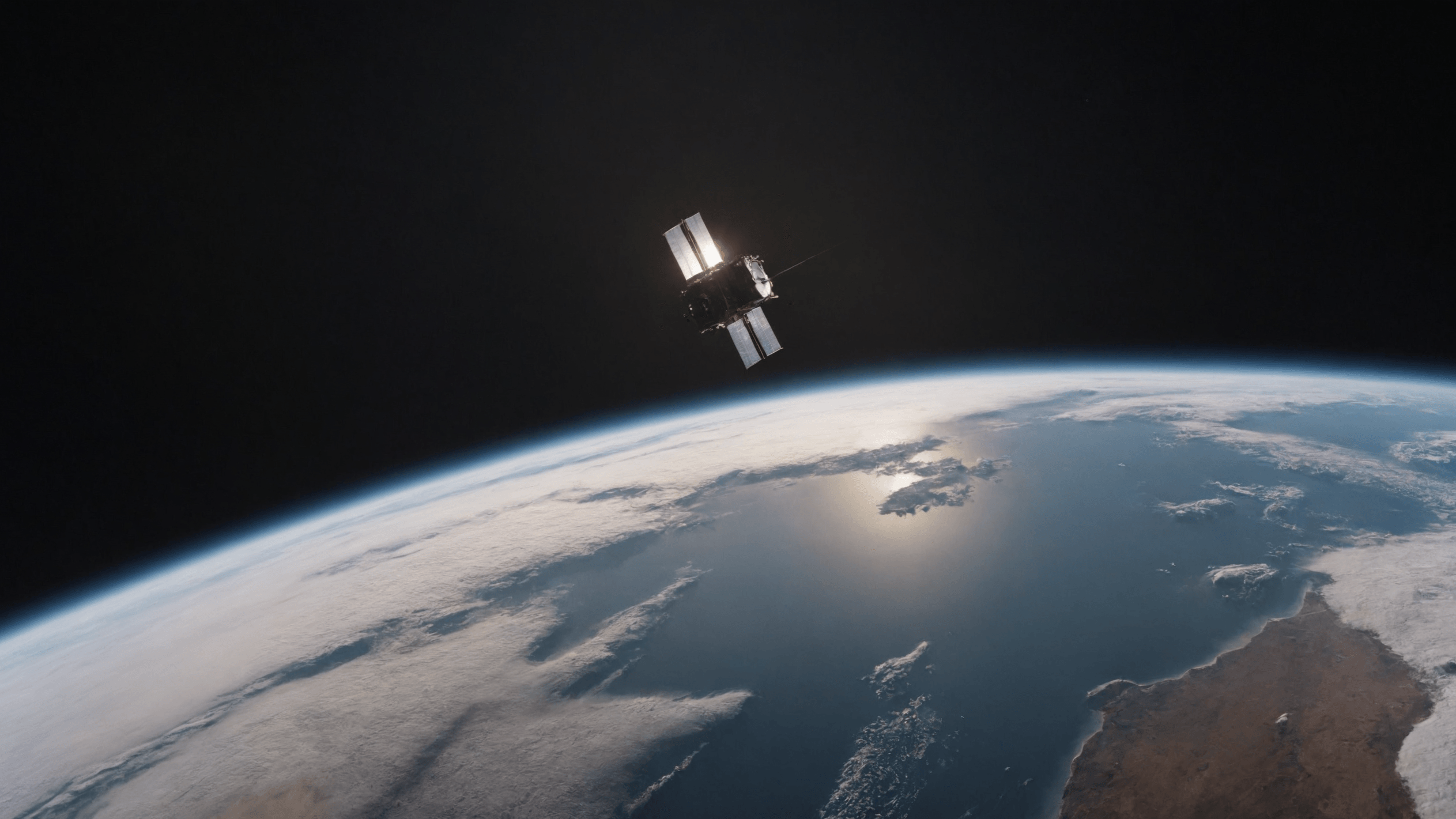
A Falcon 9 booster fails to land, increasing GPS and PNT significance for national security, and NASA's SLS mobile launch platform costs soar.
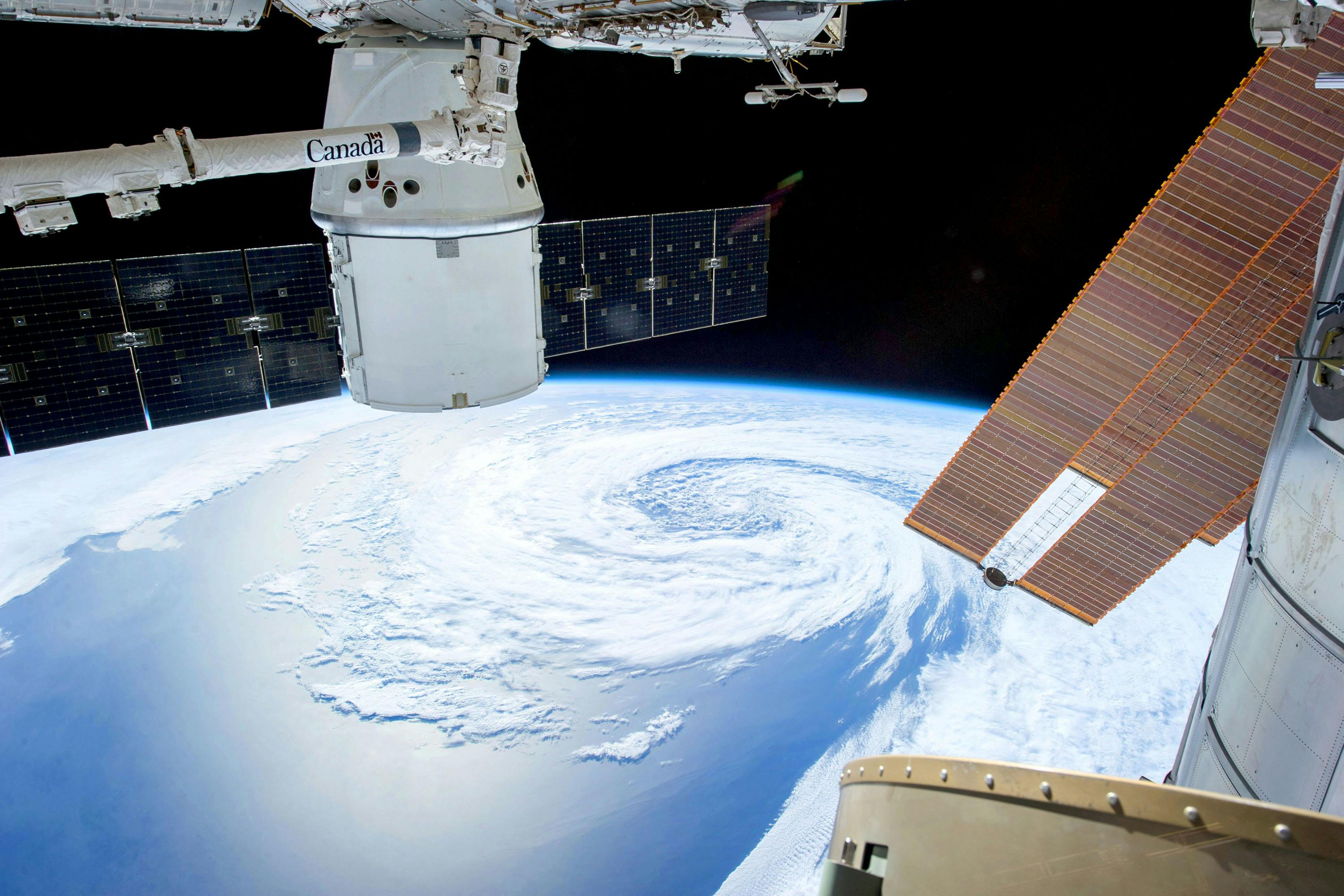
SpaceX successfully launched 23 Starlink satellites using a new Falcon 9 rocket, marking a significant milestone for the company as it expands its satellite internet constellation.
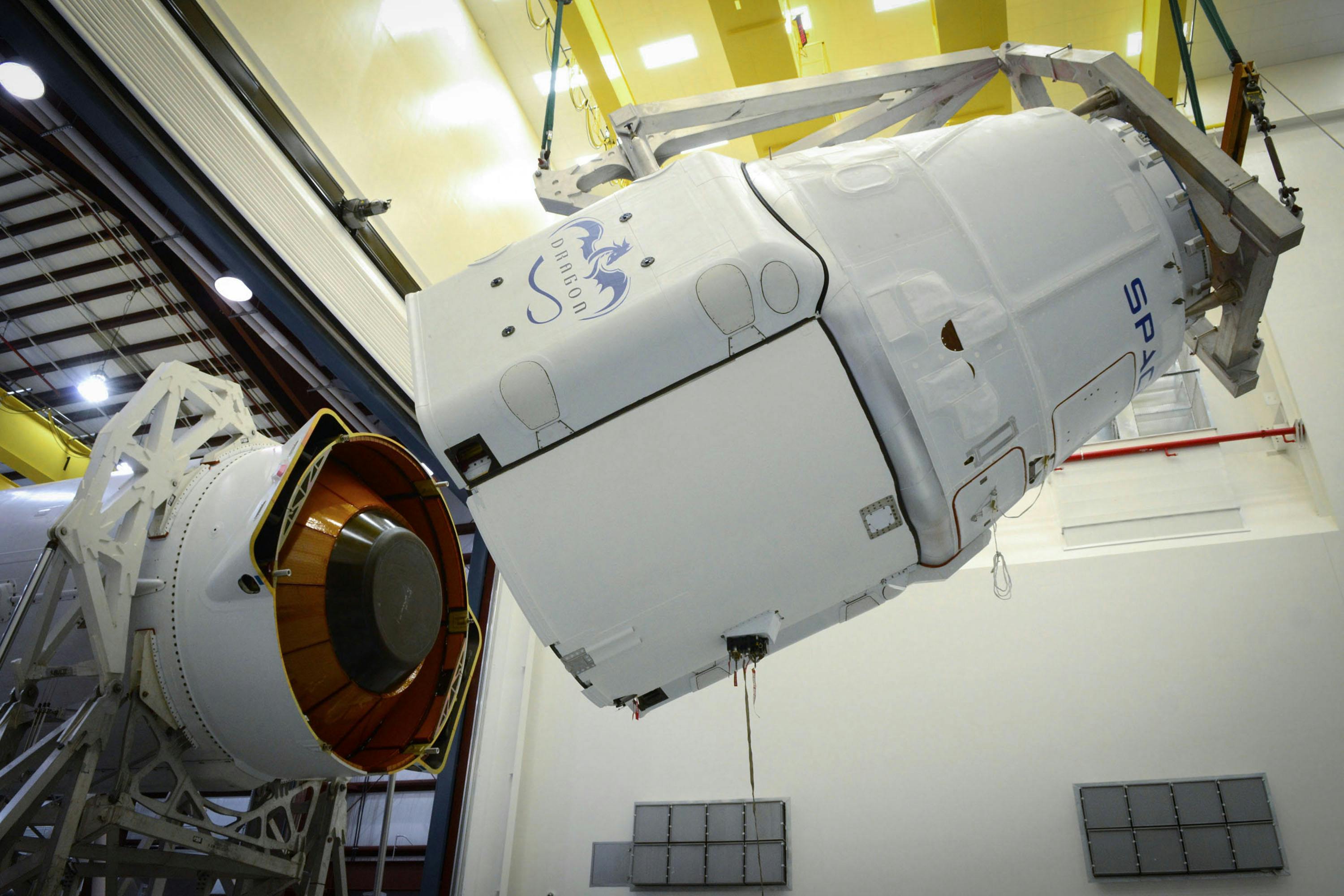
SpaceX's Starlink dish offers gigabit speeds, boosting competitiveness; NRO taps SpaceX for satellite launches, expanding spy satellite network.

Today's highlights include SpaceX's dual satellite launches, a new Space Force contract with Raytheon, and Astroscale's upcoming OneWeb mission.
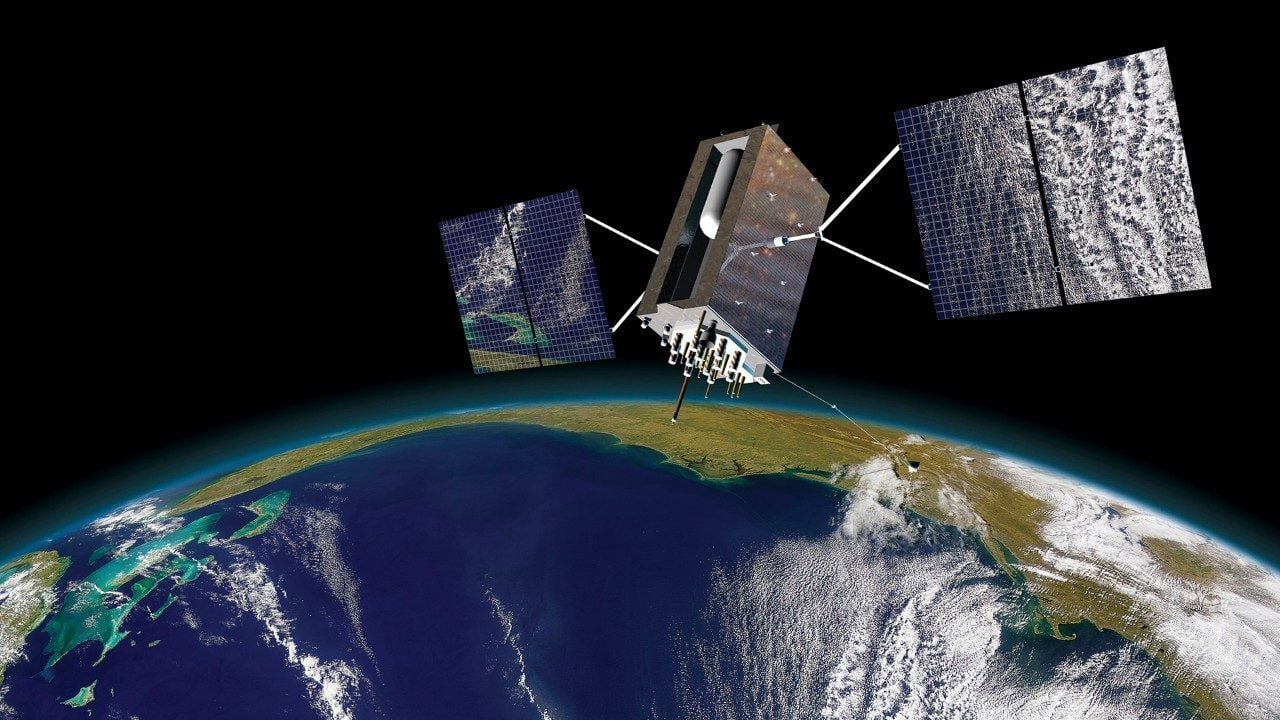
On April 17, 2026, the U.S. Space Force officially cancelled the Next Generation Operational Control System after sixteen years of development, cost overruns, and testing failures. The $8 billion program was supposed to unlock the military's encrypted GPS signal. Instead, the satellites are flying with capabilities the ground can't command.