

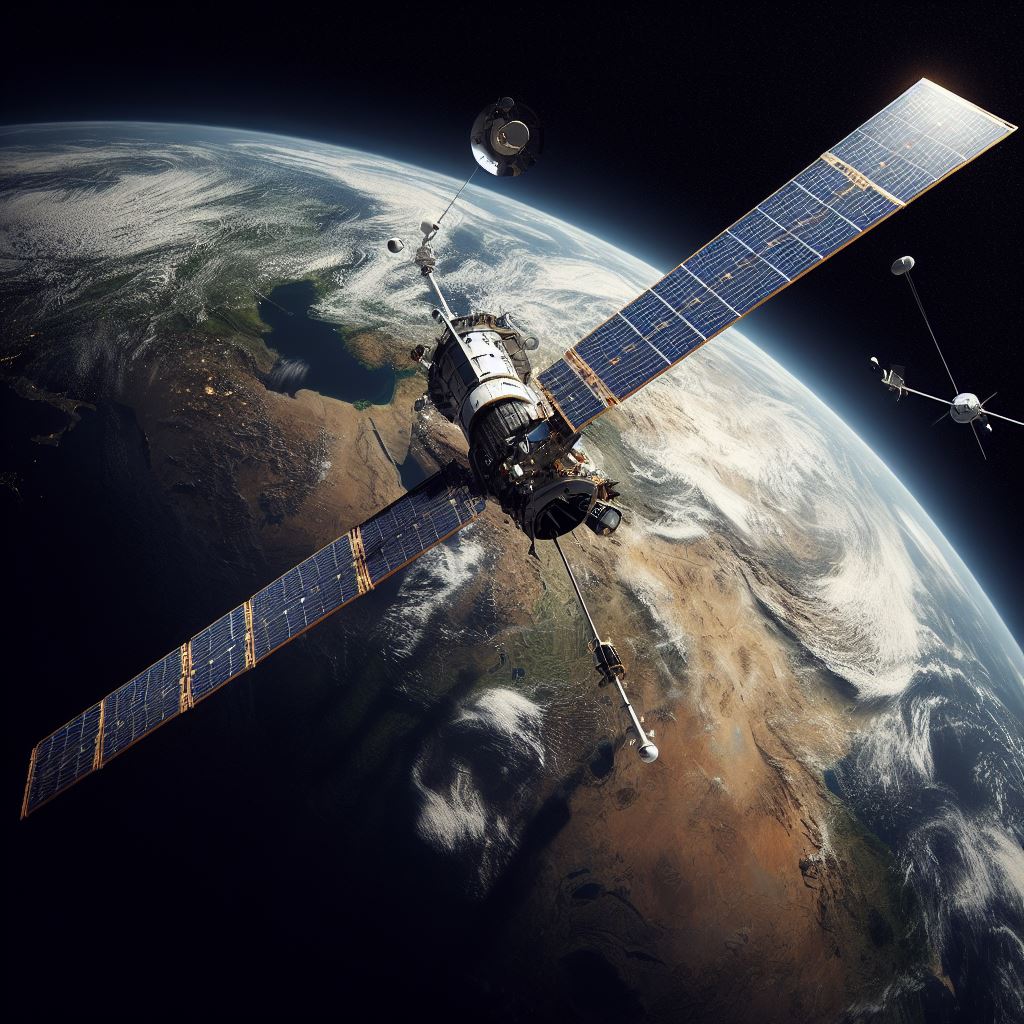
Who Owns the Most Satellites Orbiting Earth?
Uncover the top companies dominating the satellite industry. From SpaceX to One Web, learn who's leading in space assets. Full list inside.


Launch Date
August 9, 1976
Launch Site
Launch Pad
LC81/23
Launch Vehicle
Proton-K/D-1
NORAD ID
09274
International Designator
1976-081C
Decay Date
8/15/1976
Name
SL-12 R/B(1)
Alternative Name
D-1501L SOZ-2
Type
Status
Owner
RVSN
Country
USSR
Constellation
N/A
Related Satellites
Major Events
N/A
Length
1.1
Diameter
0.5
Span
1.1
Dry Mass
60
Launch Mass
120
Shape
Cyl
Radar Cross Section
Unknown
Visual Magnitude
Unknown
Color
Unknown
Material Composition
Unknown
Payload
SOZ
Purpose
Unknown
Mission
Unknown
Manufacturer
NPOE
Life Expectancy
Unknown
Bus
SOZ
Configuration
Unknown
Motor
Unknown
Equipment
Unknown
Power System
Unknown
ADCS
Unknown
Transmitter Frequency
Unknown
Learn more about satellites and other related topics.
Uncover the top companies dominating the satellite industry. From SpaceX to One Web, learn who's leading in space assets. Full list inside.

Falcon Heavy flew for the first time in eighteen months on April 29, 2026, expending its center core to push Viasat's final ViaSat-3 satellite toward geostationary orbit. The mission is a flagship rocket doing what only it can still do, for an operator betting six tons of high-throughput hardware on a market Starlink is rapidly redefining.
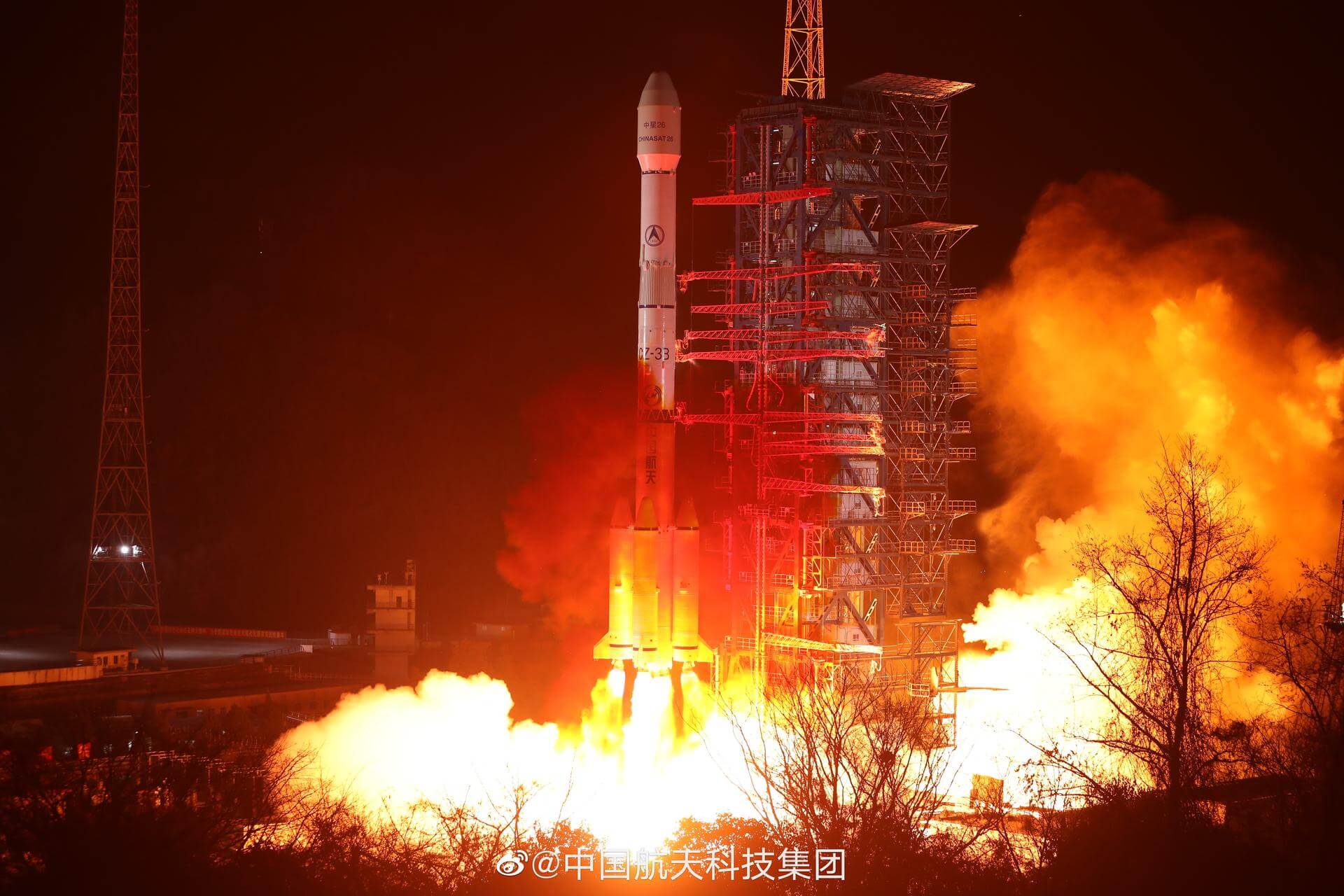
Focusing on military satellite initiatives, defense strategies, and advancements in air and cyber capabilities

Expansion of national security capabilities with new services, shifts in Pentagon priorities, challenges in zero trust compliance, and more.
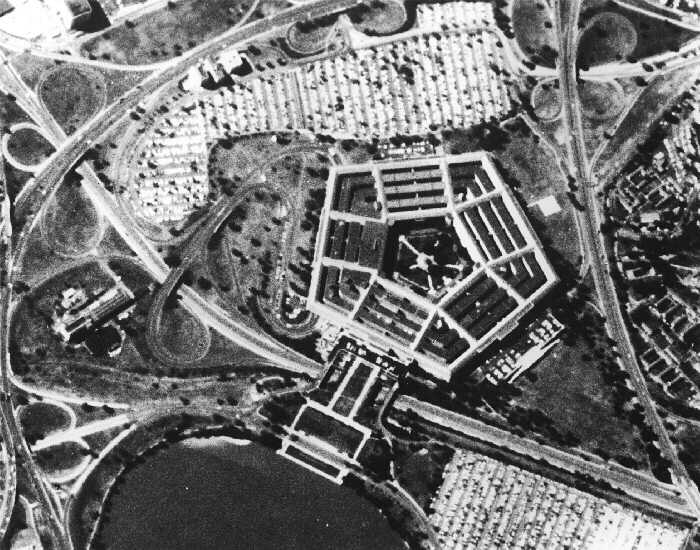
Sixty-three years ago, a Thor-Agena rocket launched the first dual-camera reconnaissance satellite, revolutionizing space-based intelligence while hiding behind the final use of a famous cover name
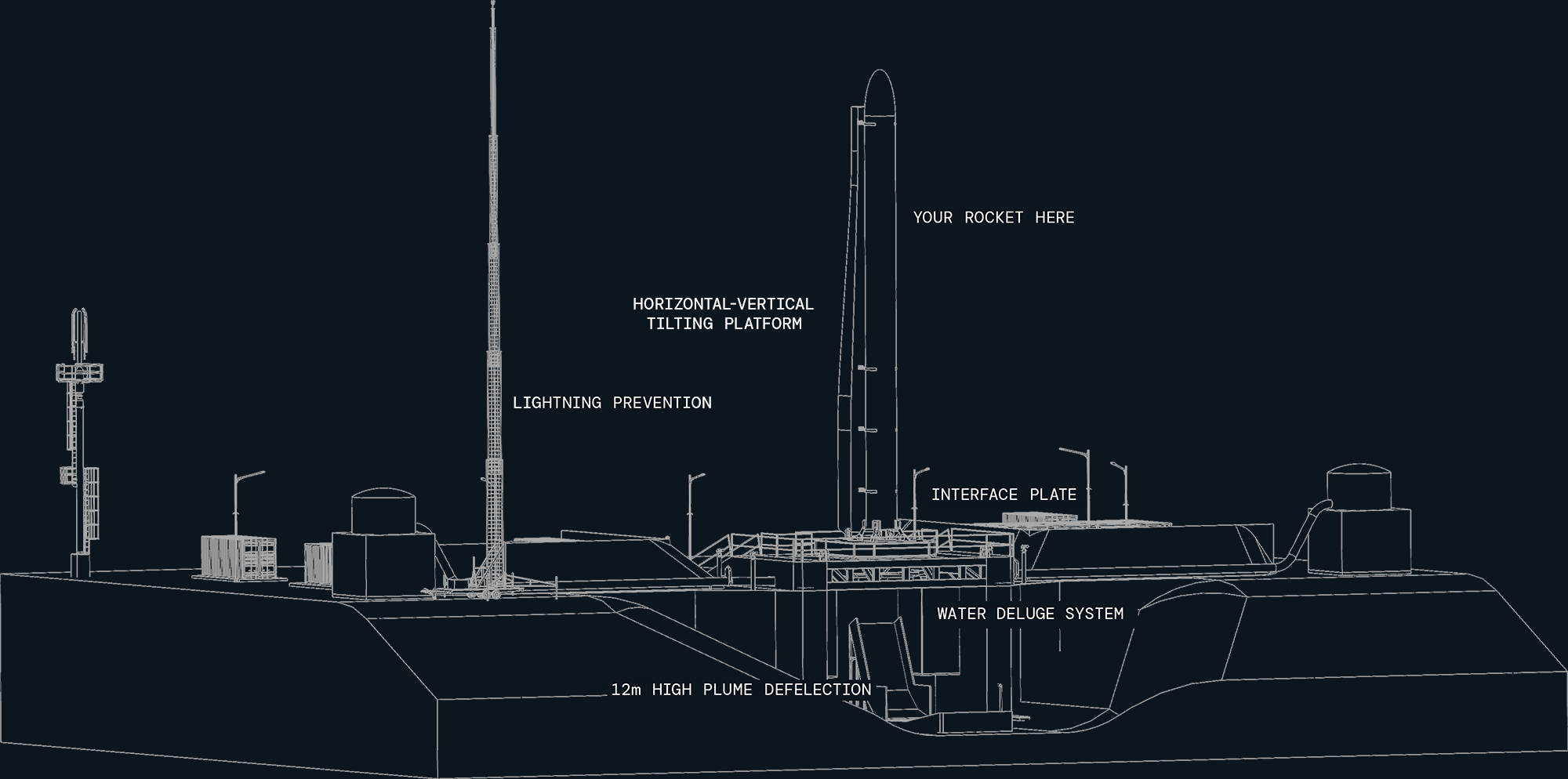
When your landlord won't sign the lease, you move. How Equatorial Launch Australia abandoned Arnhem Land and pivoted to Queensland - and what it means for Australia's equatorial launch ambitions.
Today's brief covers a reveal from the US Space Force of the X-37B space plane in orbit, a developing defense shakeup involving key military leaders, confirmation of advanced federated ICAM connections by the DoD, and SAAB's plan for a Euro defense coalition. Plus, we spotlight the BDSAT-2 CubeSat.

Rocket Lab secures $190M Pentagon deal for 20 hypersonic test flights over 4 years using Electron. Five missions annually trackable via Space-Track.