COSMOS 844 DEB (09254)

COSPAR: N/A | Alt Name: deb Kosmos-844
DECAYED

Image
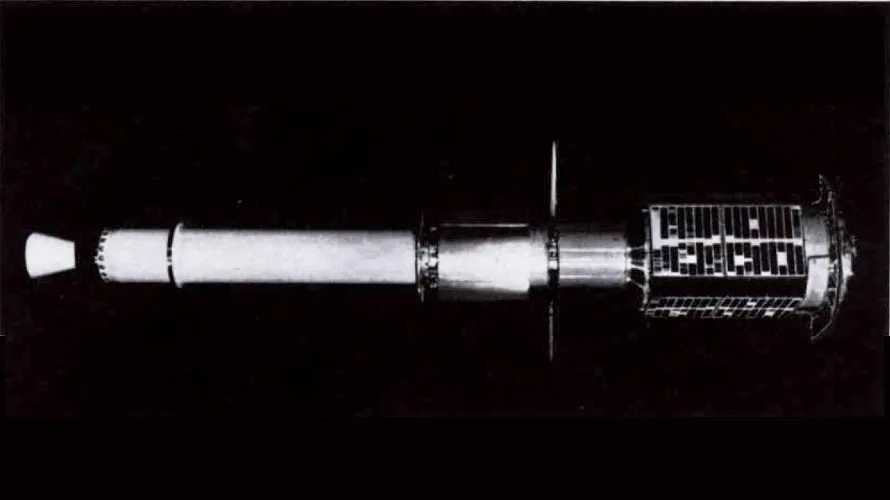
COSMOS 844 DEB Satellite Image
Additional Sources
Launch Details

Launch Date

July 22, 1976

Launch Site

PLMSC

Launch Pad

Unknown

Launch Vehicle

Unknown

Orbital Elements

NORAD ID

09254

International Designator

N/A

Decay Date

8/5/1976

Explore in the Catalog
Basic Satellite Info

Name

COSMOS 844 DEB

Alternative Name

deb Kosmos-844

Type

Debris

Status

Space Junk

Owner

TSSKB

Country

USSR

Constellation

N/A

Related Satellites

Major Events

N/A

Summary
Space debris, also known as space junk, encompasses all non-functional objects orbiting Earth such as defunct satellites, spent rocket stages, and fragments from collisions or disintegrations. Over time, this debris can accumulate and create an increasingly hazardous environment in orbit. Even tiny fragments, traveling at extremely high velocities, can inflict significant damage on operational satellites and spacecraft. If left unmanaged, the density of debris raises the risk of catastrophic collisions and further fragmentation, compounding the problem and threatening the safety and sustainability of space activities.
Physical Characteristics

Length

0

Diameter

0

Span

0

Dry Mass

0

Launch Mass

0

Shape

N/A

Radar Cross Section

Unknown

Visual Magnitude

Unknown

Color

Unknown

Material Composition

Unknown

Technical Details

Payload

Unknown

Purpose

Unknown

Mission

Unknown

Manufacturer

Unknown

Life Expectancy

Unknown

Bus

Unknown

Configuration

Unknown

Motor

Unknown

Equipment

Unknown

Power System

Unknown

ADCS

Unknown

Transmitter Frequency

Unknown

Satellite Articles

View All Posts »

Learn more about satellites and other related topics.

The Satellite That Found 22 Photons and Changed Astronomy

The Satellite That Found 22 Photons and Changed Astronomy

On April 27, 1961, a Scout rocket lifted a 37-kilogram NASA satellite into orbit from Wallops Island carrying the first serious instrument for detecting cosmic gamma rays. Explorer 11 operated for seven months before its tape recorder failed. In that time it registered 22 gamma-ray photons - a pitiful number by modern standards, but enough to launch an entire branch of astronomy.
Space Brief 12 Jul 2025

Space Brief 12 Jul 2025

Today's focus spans from major military training initiatives in orbit to key updates on drone policies and crucial satellite launches.

Space Brief 22 Oct 2025

Space Brief 22 Oct 2025

Today's briefing covers space-based missile defense, AI maritime surveillance, and new governmental shifts impacting the defense sector.

Kratos Wins $447M Space Force MEO Missile Tracking Deal | KeepTrack Space Brief

Kratos Wins $447M Space Force MEO Missile Tracking Deal | KeepTrack Space Brief

Kratos awarded $447 million Space Force contract for Resilient Missile Warning Tracking ground ops center in Medium Earth Orbit, shifting missile detection away from vulnerable GEO satellites.

Space Force Unveils New Alaska Radar, SDA Awards $3.5B for 72 Tracking Satellites | KeepTrack Space Brief

Space Force Unveils New Alaska Radar, SDA Awards $3.5B for 72 Tracking Satellites | KeepTrack Space Brief

Space Force deploys new radar in Alaska for orbital tracking. SDA awards $3.5B for 72 missile defense satellites. Anysignal raises $24M for autonomous RF sensing technology.

X Report 20 Oct 2025

X Report 20 Oct 2025

SpaceX made significant strides with the successful launch of Starlink satellites and the approval for the redevelopment of SLC-6, reinforcing its foothold in commercial spaceflight.

X Report 18 Jul 2025

X Report 18 Jul 2025

Elon Musk provided updates on the anticipated Starship Flight 10, along with insights on SpaceX's progress at Cape Canaveral. Key developments include target timelines for upcoming launches and ongoing efforts in Starship's development.

Iran Struck U.S. Aircraft Despite 'Maxed Out' Defense | KeepTrack Space Brief

Iran Struck U.S. Aircraft Despite 'Maxed Out' Defense | KeepTrack Space Brief

Iran successfully struck U.S. aircraft in Saudi Arabia despite maxed-out defensive posture. Space Force ISR and missile warning gaps exposed. Tracking impacts.