

X Report 20 Mar 2025
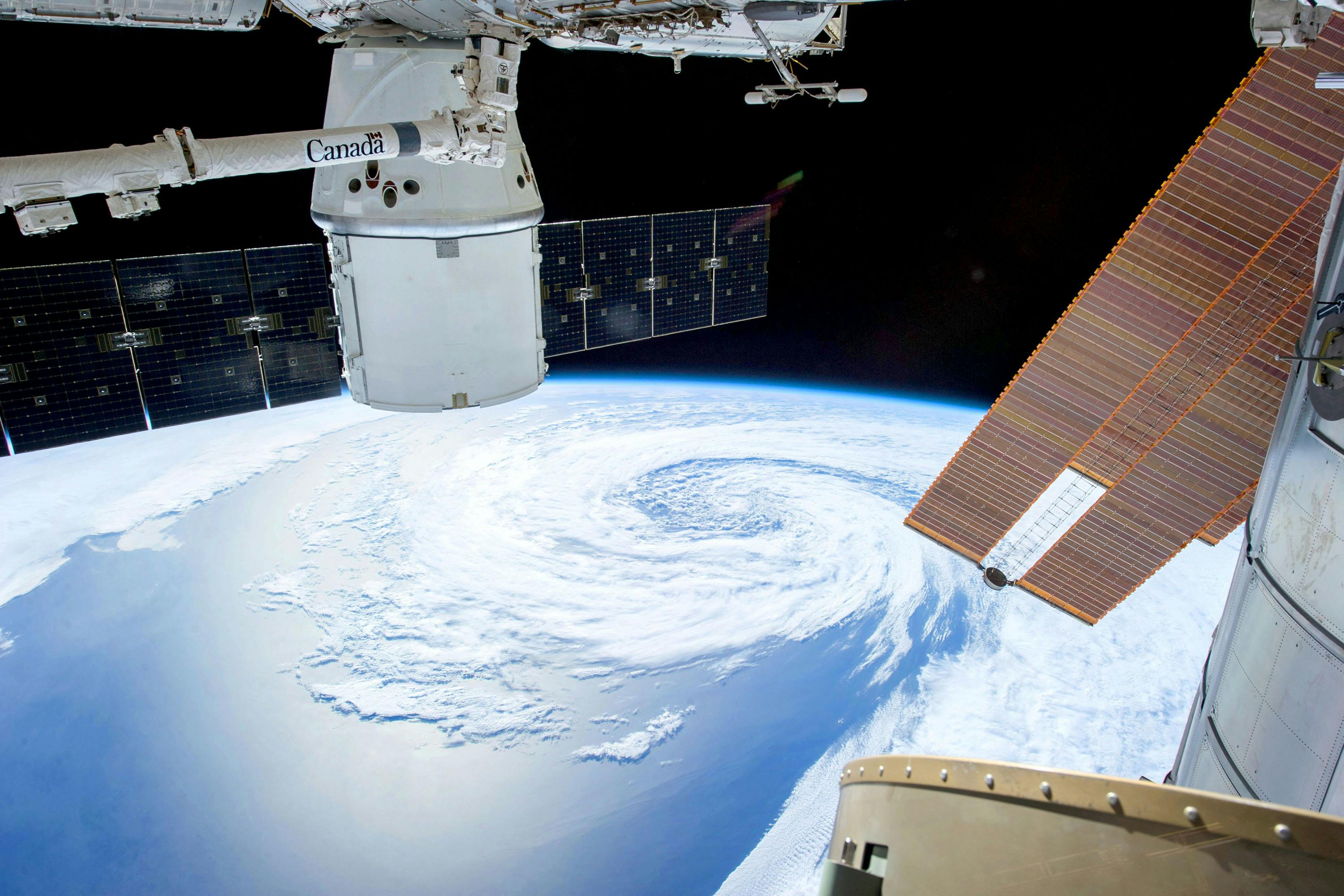
SpaceX successfully rotates Crew-9 and Crew-10 on the ISS and launches new Starlink satellites with direct-to-cell capability.


Launch Date
July 22, 1976
Launch Site
PLMSC
Launch Pad
Unknown
Launch Vehicle
Unknown
NORAD ID
09122
International Designator
N/A
Decay Date
8/2/1976
Name
COSMOS 844 DEB
Alternative Name
deb Kosmos-844
Type
Status
Owner
TSSKB
Country
USSR
Constellation
N/A
Related Satellites
Major Events
N/A
Length
0
Diameter
0
Span
0
Dry Mass
0
Launch Mass
0
Shape
N/A
Radar Cross Section
Unknown
Visual Magnitude
Unknown
Color
Unknown
Material Composition
Unknown
Payload
Unknown
Purpose
Unknown
Mission
Unknown
Manufacturer
Unknown
Life Expectancy
Unknown
Bus
Unknown
Configuration
Unknown
Motor
Unknown
Equipment
Unknown
Power System
Unknown
ADCS
Unknown
Transmitter Frequency
Unknown
Learn more about satellites and other related topics.
SpaceX successfully rotates Crew-9 and Crew-10 on the ISS and launches new Starlink satellites with direct-to-cell capability.

Today's highlights include SpaceX's record-setting Starlink launch, Redwire's contract for USSF, and military satellite developments.
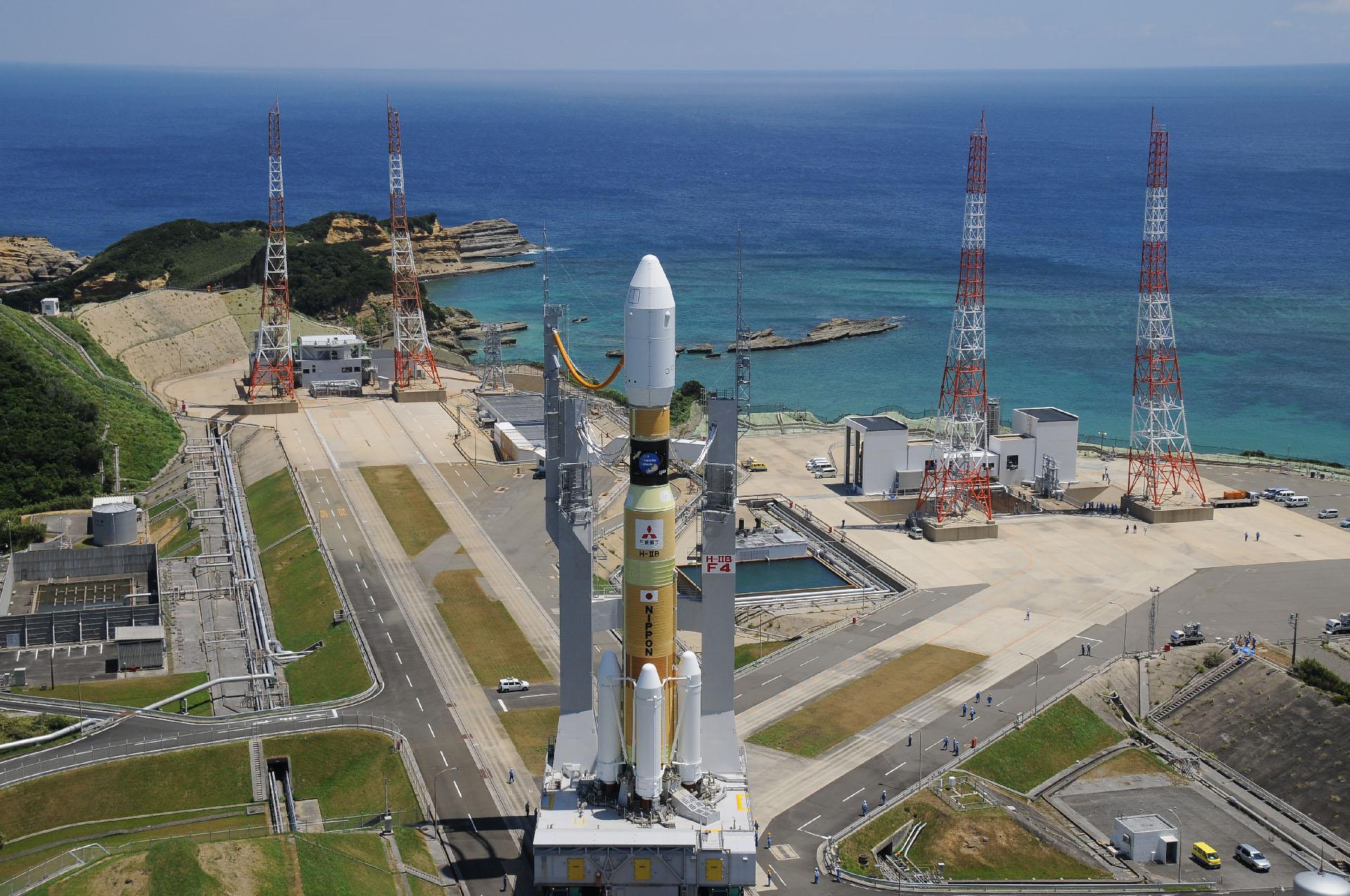
Today's briefing covers Blue Origin's certification progress, a near-miss between a Chinese spacecraft and a Starlink satellite, SpaceX's latest Starlink launch and booster landing, potential IPO news from SpaceX, and advancements in Starlink integration with Tesla vehicles.
Today’s brief covers the delayed launch of Australia's first orbital rocket, China's reusability programs, and the snow-enforced shutdown of a Chilean radio telescope.
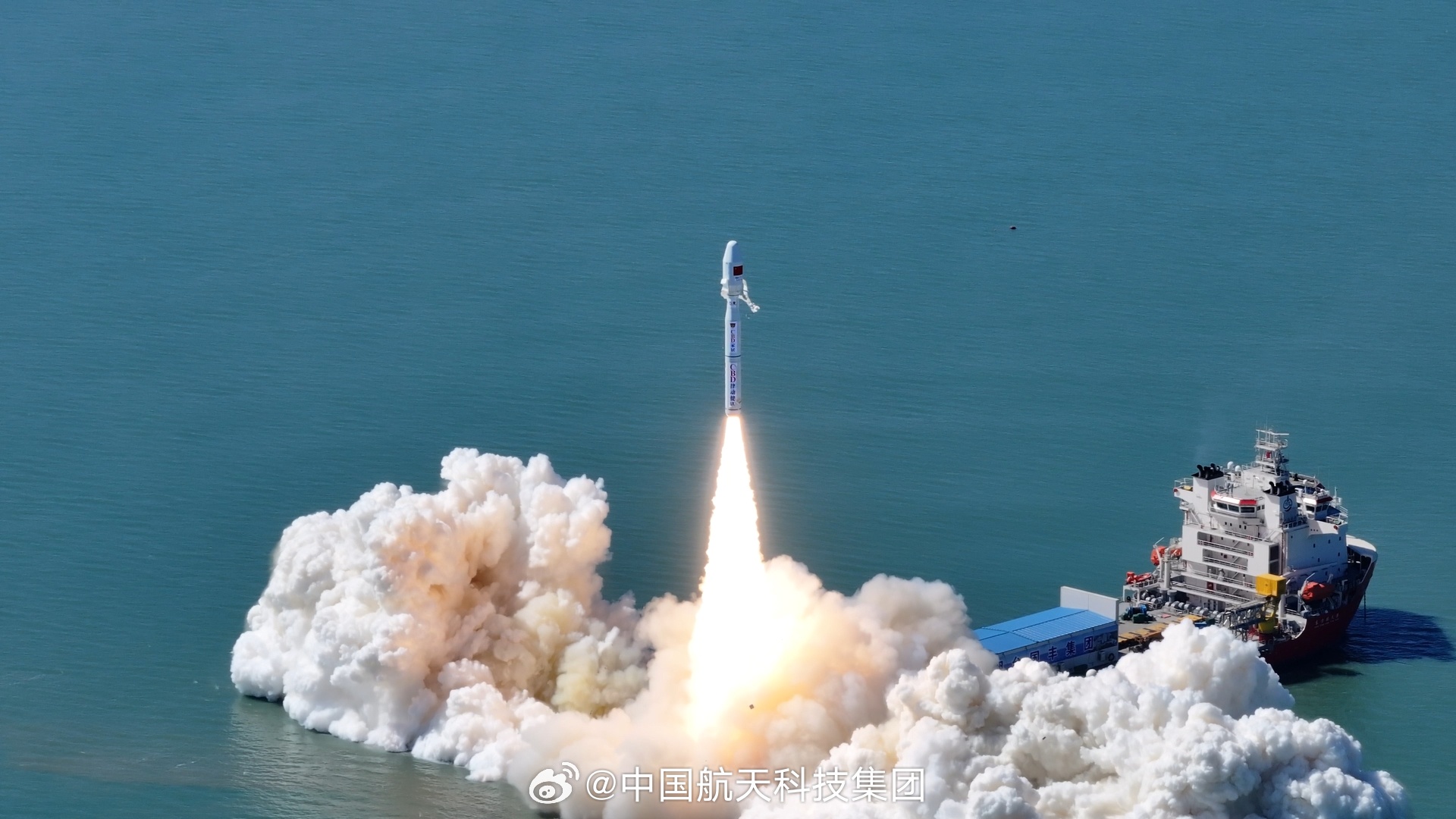
Artemis 2 splashdown marks first crewed lunar flyby since Apollo 17 in 1972. Four astronauts completed historic mission, validating systems for Artemis 3 landing attempt.
Today’s Space Brief covers significant developments such as SpaceX’s latest Starlink launch, the US Space Force testing modular satellite technology, and key long-range missile tests by the Pentagon.
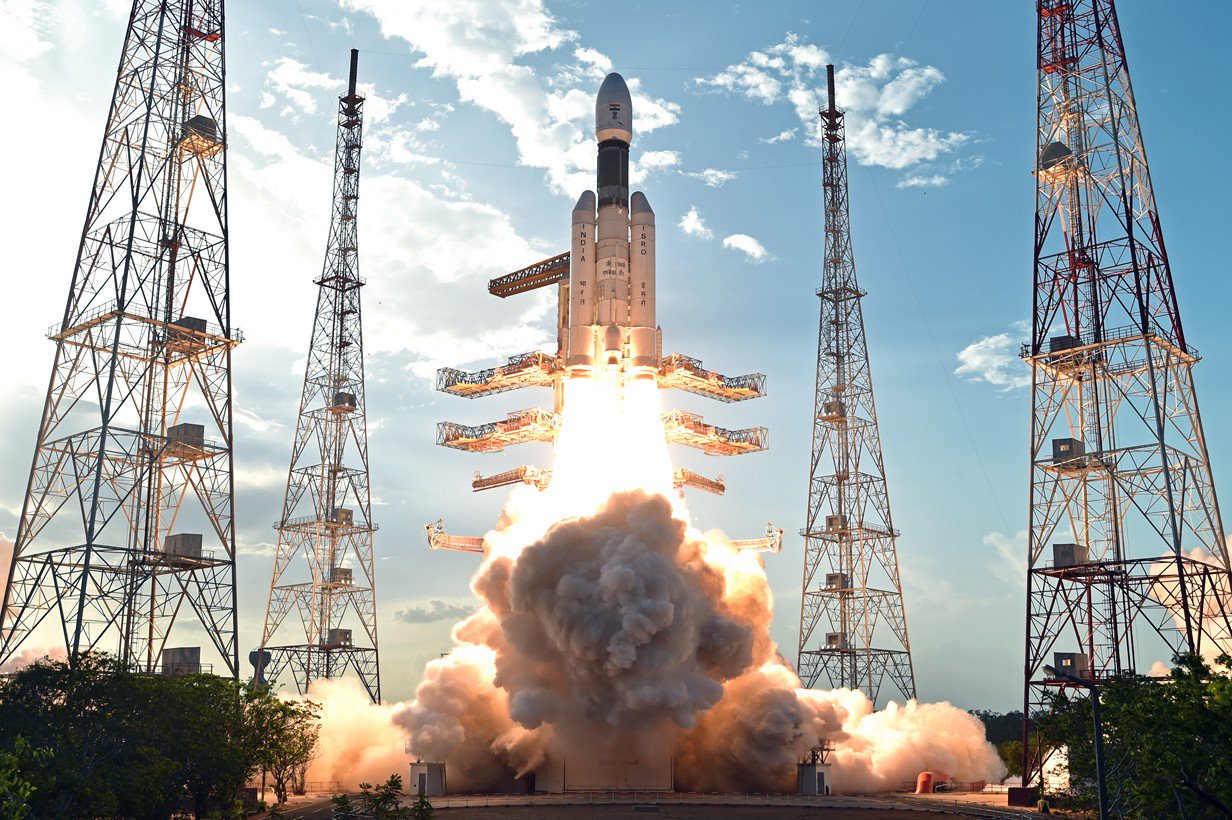
Today's updates cover Rocket Lab's launch for the U.S. Space Force, Digantara's major funding round, and discussions on national security in space.
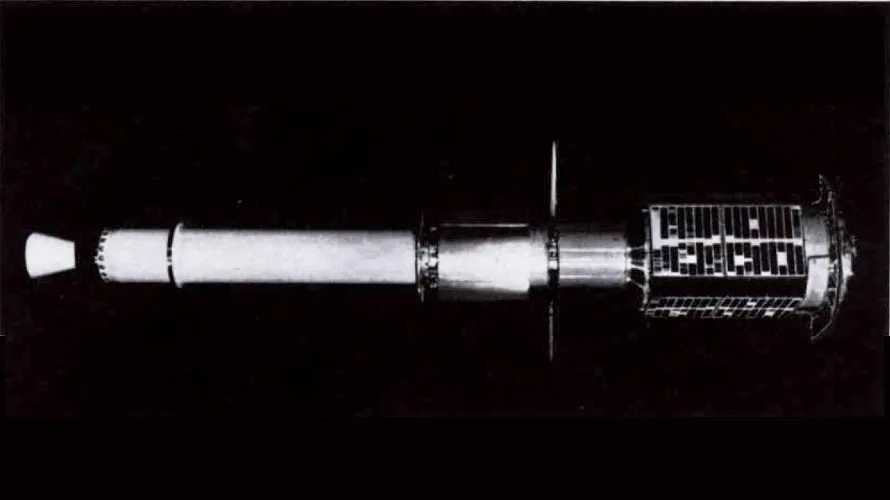
On April 27, 1961, a Scout rocket lifted a 37-kilogram NASA satellite into orbit from Wallops Island carrying the first serious instrument for detecting cosmic gamma rays. Explorer 11 operated for seven months before its tape recorder failed. In that time it registered 22 gamma-ray photons - a pitiful number by modern standards, but enough to launch an entire branch of astronomy.