COSMOS 844 DEB (09072)

COSPAR: N/A | Alt Name: deb Kosmos-844
DECAYED

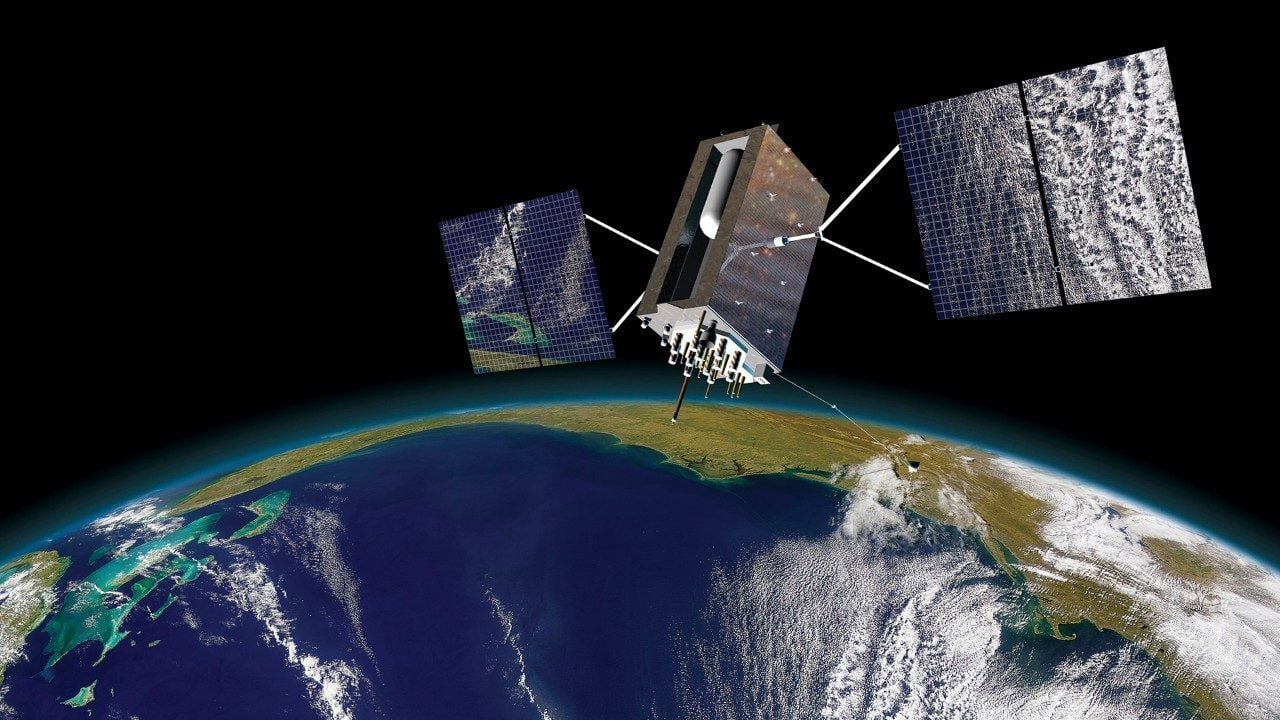
Image
COSMOS 844 DEB Satellite Image
Additional Sources
Launch Details

Launch Date

July 22, 1976

Launch Site

PLMSC

Launch Pad

Unknown

Launch Vehicle

Unknown

Orbital Elements

NORAD ID

09072

International Designator

N/A

Decay Date

8/2/1976

Explore in the Catalog
Basic Satellite Info

Name

COSMOS 844 DEB

Alternative Name

deb Kosmos-844

Type

Debris

Status

Space Junk

Owner

TSSKB

Country

USSR

Constellation

N/A

Related Satellites

Major Events

N/A

Summary
Space debris, also known as space junk, encompasses all non-functional objects orbiting Earth such as defunct satellites, spent rocket stages, and fragments from collisions or disintegrations. Over time, this debris can accumulate and create an increasingly hazardous environment in orbit. Even tiny fragments, traveling at extremely high velocities, can inflict significant damage on operational satellites and spacecraft. If left unmanaged, the density of debris raises the risk of catastrophic collisions and further fragmentation, compounding the problem and threatening the safety and sustainability of space activities.
Physical Characteristics

Length

0

Diameter

0

Span

0

Dry Mass

0

Launch Mass

0

Shape

N/A

Radar Cross Section

Unknown

Visual Magnitude

Unknown

Color

Unknown

Material Composition

Unknown

Technical Details

Payload

Unknown

Purpose

Unknown

Mission

Unknown

Manufacturer

Unknown

Life Expectancy

Unknown

Bus

Unknown

Configuration

Unknown

Motor

Unknown

Equipment

Unknown

Power System

Unknown

ADCS

Unknown

Transmitter Frequency

Unknown

Satellite Articles

View All Posts »

Learn more about satellites and other related topics.

Space Brief 14 Jan 2025

Space Brief 14 Jan 2025

Today's brief focuses on Blue Origin's scrubbed New Glenn launch, SpaceX's reusability milestone, and a warning from the US Air Force about China's advancements in space capabilities. We're also highlighting a key satellite in orbit.

Space Brief 24 Apr 2025

Space Brief 24 Apr 2025

Today's brief covers South Korea's fourth spy satellite launch, potential changes in drone deployment strategies by the US Air Force, and the largest-ever spectrum-sharing demonstration set by the Pentagon.

Falcon Heavy Launches ViaSat-3 F3, Space Brief 27 Apr 2026

Falcon Heavy Launches ViaSat-3 F3, Space Brief 27 Apr 2026

Falcon Heavy launched ViaSat-3 F3 on April 27, its 12th flight, with the first dual landing zone recovery. Plus Soyuz-5's demo flight nears at Baikonur.

Space Brief 31 Jul 2025

Space Brief 31 Jul 2025

Today's Space Brief brings updates on the U.S. Space Force's upcoming missions, in-space technology strategies, the challenges faced by new launchers, and advancements in satellite communication.

X Report 25 Jan 2025

X Report 25 Jan 2025

SpaceX advances Starship infrastructure, President Trump considers closing the National Space Council, and 23 new Starlink satellites boost global connectivity.

Hayabusa | The Crippled Falcon That Carried an Asteroid Home

Hayabusa | The Crippled Falcon That Carried an Asteroid Home

Sixteen years ago today, a fireball tore across the Australian outback. Most of it was a dying Japanese spacecraft burning up after a seven-year ordeal. The bright dot racing ahead of the wreckage was a capsule holding the first grains of an asteroid ever returned to Earth.

X Report 15 Nov 2024

X Report 15 Nov 2024

SpaceX preps for its sixth Starship test flight, moving the Super Heavy rocket to the pad. China's unveils a Starship-like reusable rocket concept, while Starlink expands with 24 new satellites launched.

Pentagon Pulls the Plug on GPS OCX | The $8 Billion Ground System That Never Worked

Pentagon Pulls the Plug on GPS OCX | The $8 Billion Ground System That Never Worked

On April 17, 2026, the U.S. Space Force officially cancelled the Next Generation Operational Control System after sixteen years of development, cost overruns, and testing failures. The $8 billion program was supposed to unlock the military's encrypted GPS signal. Instead, the satellites are flying with capabilities the ground can't command.