

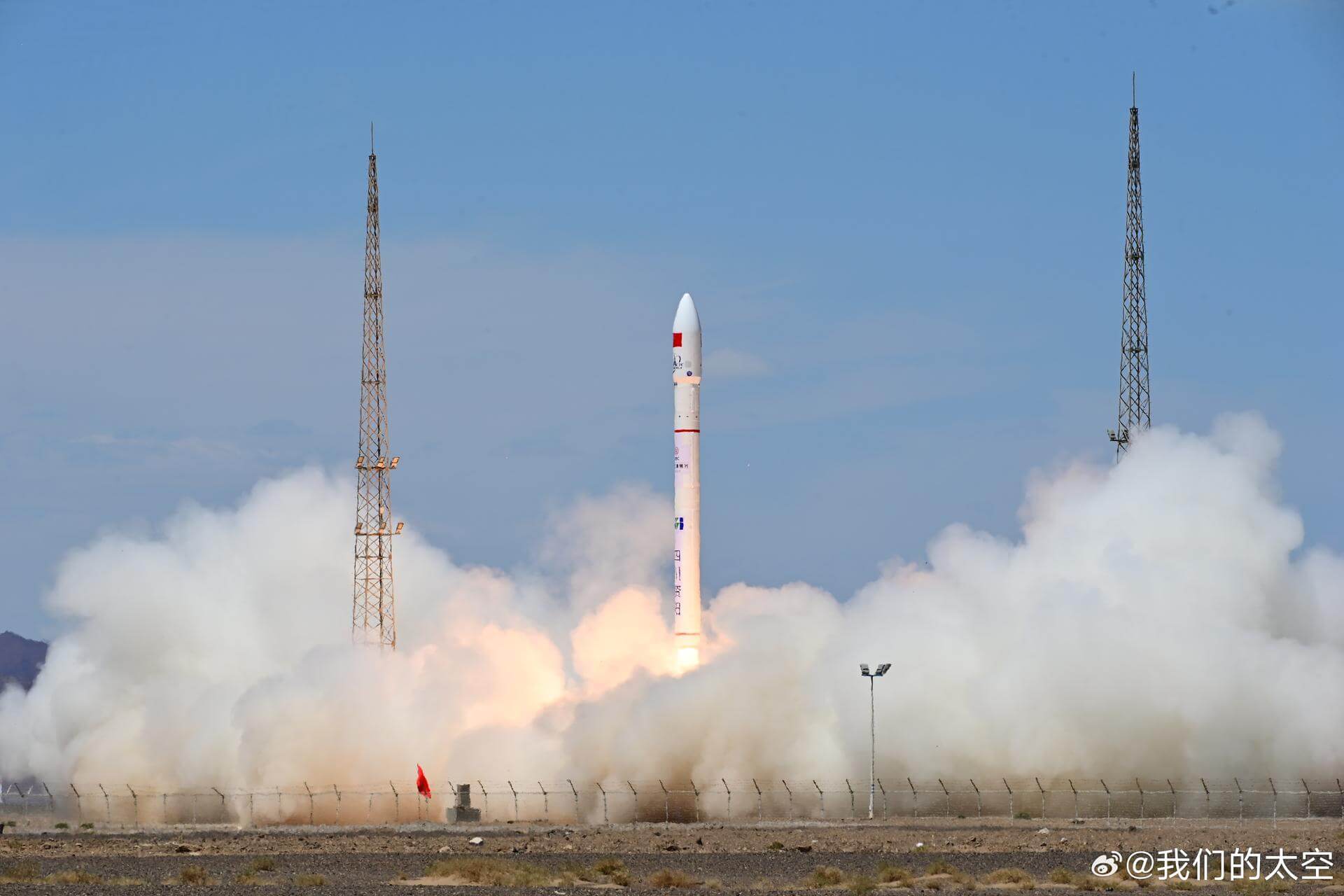
Space Brief 25 Feb 2025
Today's Space Brief covers imminent launches, new developments in space technology, and strategic military contributions to satellite defense systems.


Launch Date
July 22, 1976
Launch Site
PLMSC
Launch Pad
Unknown
Launch Vehicle
Unknown
NORAD ID
09070
International Designator
N/A
Decay Date
8/2/1976
Name
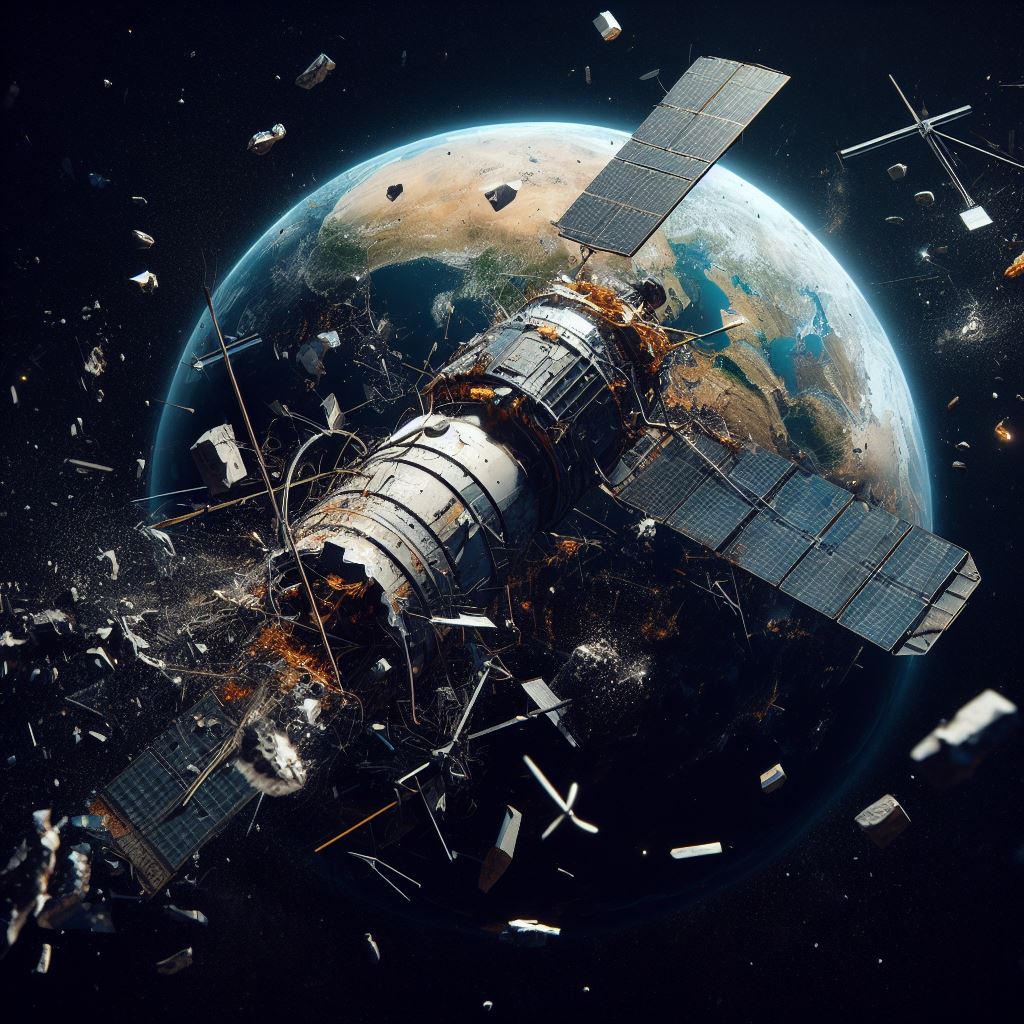
COSMOS 844 DEB
Alternative Name
deb Kosmos-844
Type
Status
Owner
TSSKB
Country
USSR
Constellation
N/A
Related Satellites
Major Events
N/A
Length
0
Diameter
0
Span
0
Dry Mass
0
Launch Mass
0
Shape
N/A
Radar Cross Section
Unknown
Visual Magnitude
Unknown
Color
Unknown
Material Composition
Unknown
Payload
Unknown
Purpose
Unknown
Mission
Unknown
Manufacturer
Unknown
Life Expectancy
Unknown
Bus
Unknown
Configuration
Unknown
Motor
Unknown
Equipment
Unknown
Power System
Unknown
ADCS
Unknown
Transmitter Frequency
Unknown
Learn more about satellites and other related topics.
Today's Space Brief covers imminent launches, new developments in space technology, and strategic military contributions to satellite defense systems.

Today's brief covers Millennium's milestone in missile defense, new satellite jammer for Space Force, budget increases for defense, delays in MEO satellite contracts, and potential impacts of Trump's latest order on Pentagon programs.

Today's space brief covers key developments in satellite monitoring, U.K. defense contracts, and critical licensing reforms supporting national security.
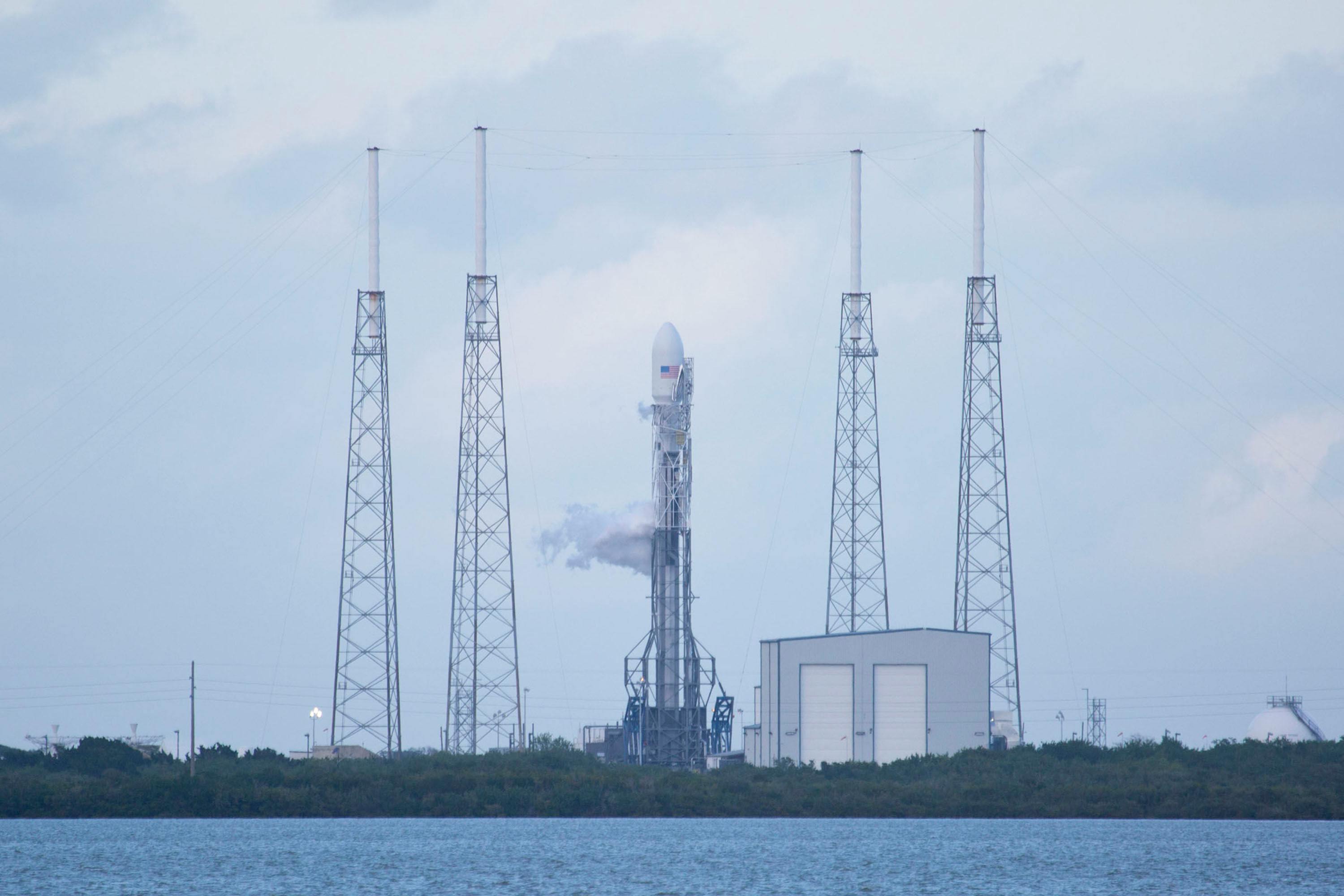
SpaceX achieves its 450th Falcon 9 launch, setting a new turnaround record, while its competitor ULA remains grounded, awaiting clearance from the Space Force.
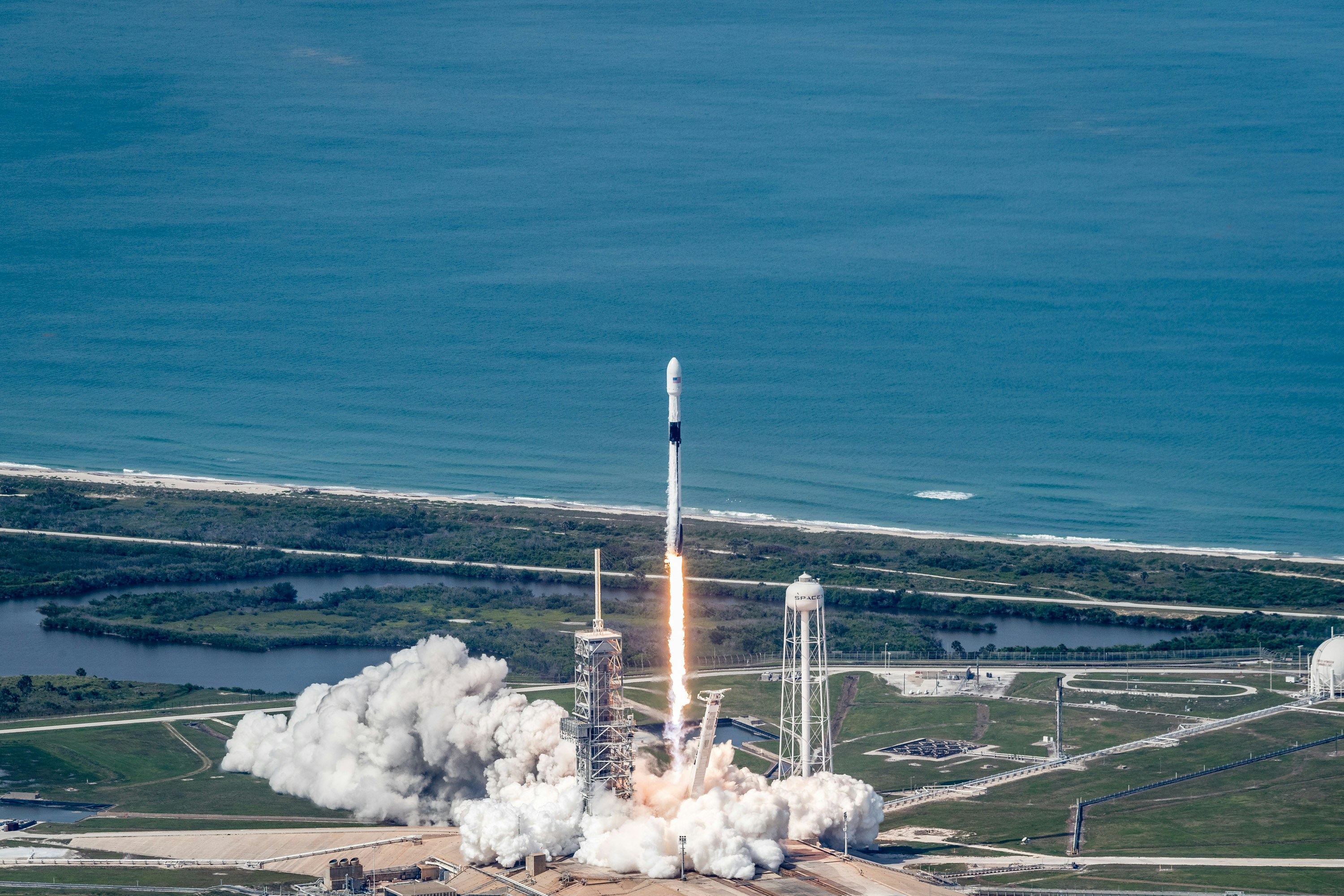
Key updates include a successful Falcon 9 launch of 28 Starlink satellites and a static fire test of the Starship spacecraft, while T-Mobile's Starlink service aims to attract new customers.
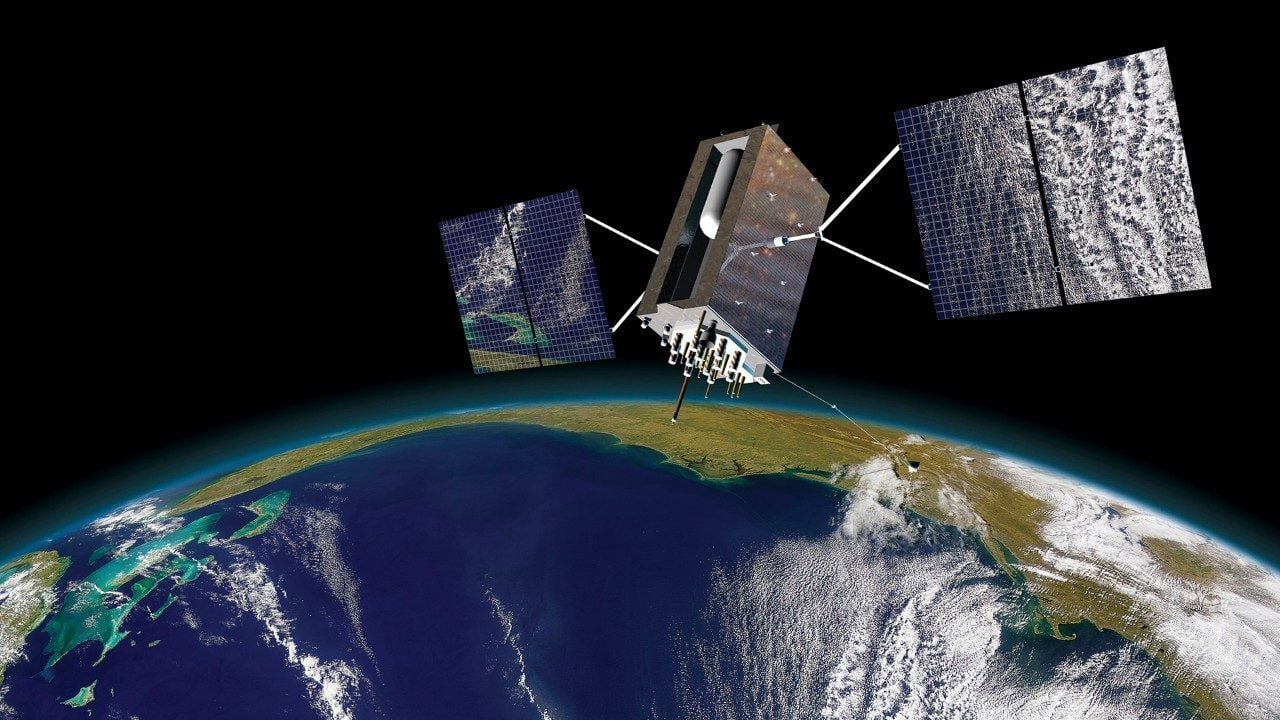
On April 17, 2026, the U.S. Space Force officially cancelled the Next Generation Operational Control System after sixteen years of development, cost overruns, and testing failures. The $8 billion program was supposed to unlock the military's encrypted GPS signal. Instead, the satellites are flying with capabilities the ground can't command.
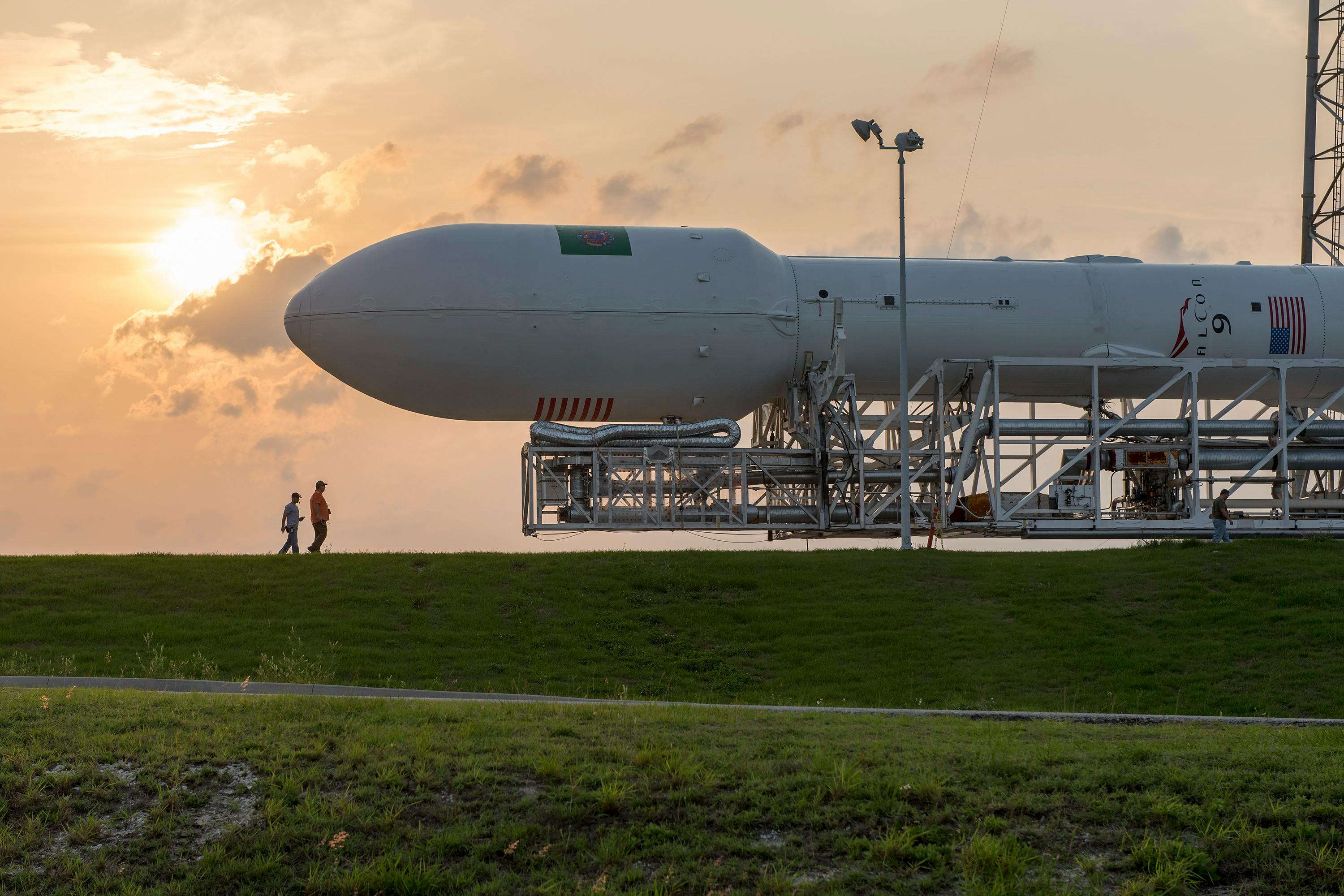
SpaceX's Falcon 9 delivered Northrop Grumman's second Cygnus XL — carrying over 5 tons of cargo — to the ISS on April 11, 2026.
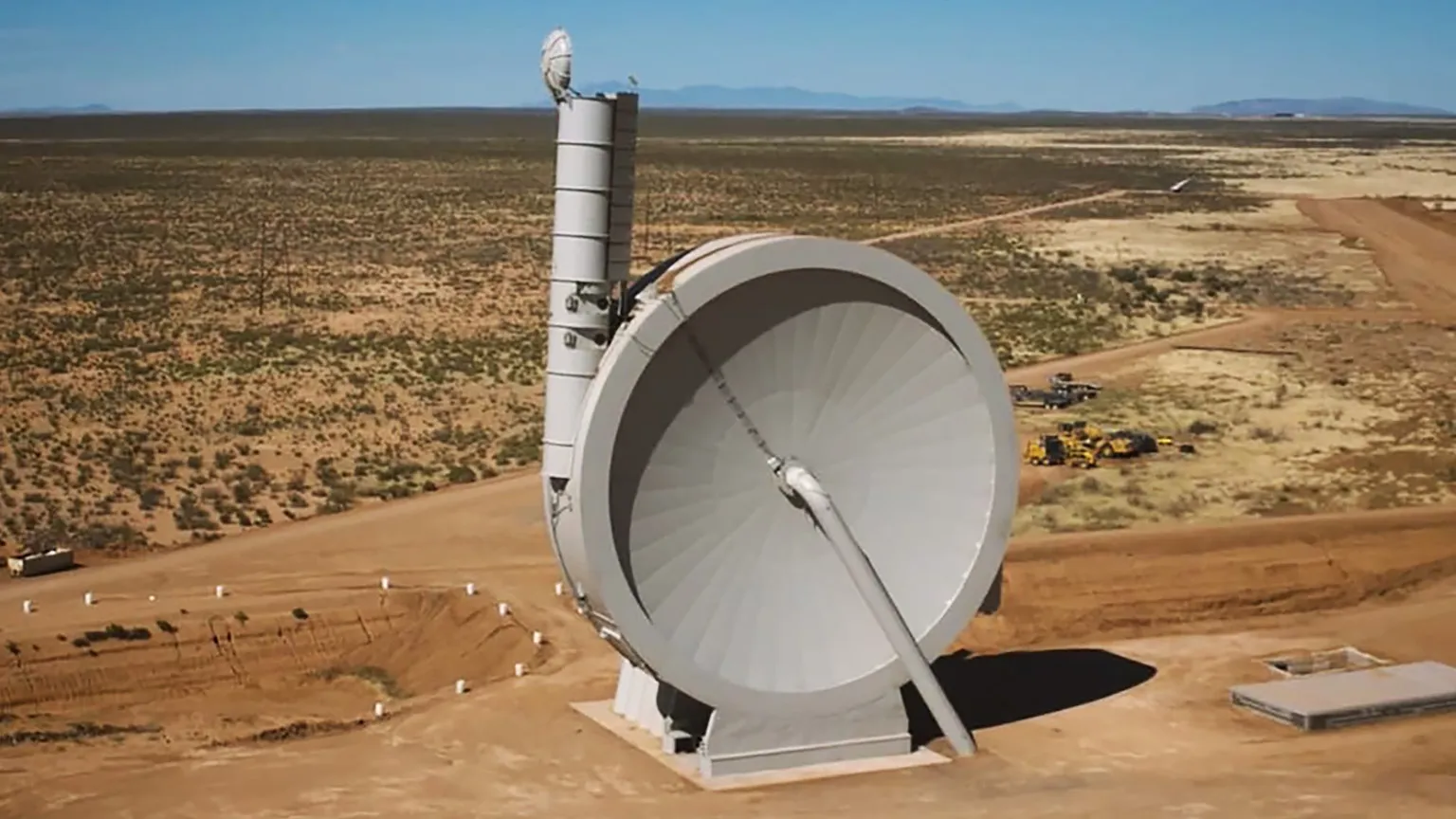
How a California startup's massive centrifuge could transform space access by eliminating rocket fuel, reducing costs by 70%, and enabling daily satellite launches - if it can overcome the physics of scaling from suborbital tests to orbital reality