


Space Force Eyes 30,000 Satellites by 2040 | KeepTrack Space Brief
Space Force projects 30,000-satellite orbital architecture by 2040 amid combat integration revelations. Gen. Saltzman confirms space operations were critical in Iran conflict.


Launch Date
July 23, 1976
Launch Site
Launch Pad
LC1
Launch Vehicle
Molniya 8K78M
NORAD ID
09050
International Designator
1976-074B
Decay Date
10/2/1976
Name
SL-6 R/B(1)
Alternative Name
Molniya-M 29-556 Blok-I
Type
Status
Owner
RVSN
Country
USSR
Constellation
N/A
Related Satellites
Major Events
N/A
Length
6.7
Diameter
2.7
Span
6.7
Dry Mass
2350
Launch Mass
2350
Shape
Cyl
Radar Cross Section
Unknown
Visual Magnitude
Unknown
Color
Unknown
Material Composition
Unknown
Payload
11S510
Purpose
Unknown
Mission
Unknown
Manufacturer
PROG
Life Expectancy
Unknown
Bus
Blok-I
Configuration
Unknown
Motor
Unknown
Equipment
Unknown
Power System
Unknown
ADCS
Unknown
Transmitter Frequency
Unknown
Learn more about satellites and other related topics.
Space Force projects 30,000-satellite orbital architecture by 2040 amid combat integration revelations. Gen. Saltzman confirms space operations were critical in Iran conflict.
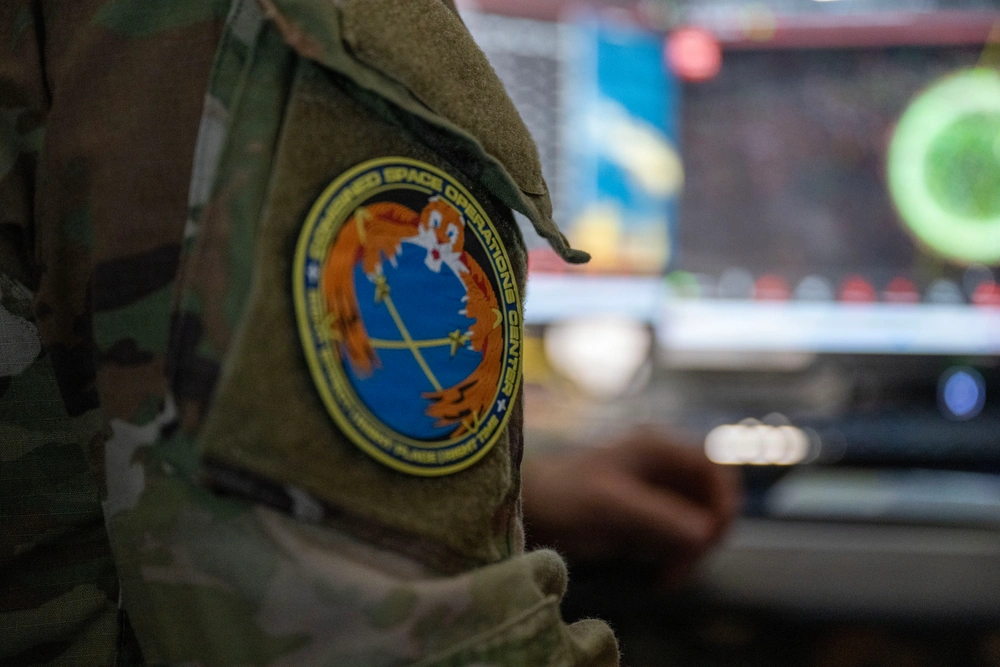
Iran launches drones and missiles at UAE and Saudi targets. Space Force opens secretive tracking data to commercial firms. Falcon 9 breakup linked to lithium pollution in upper atmosphere.
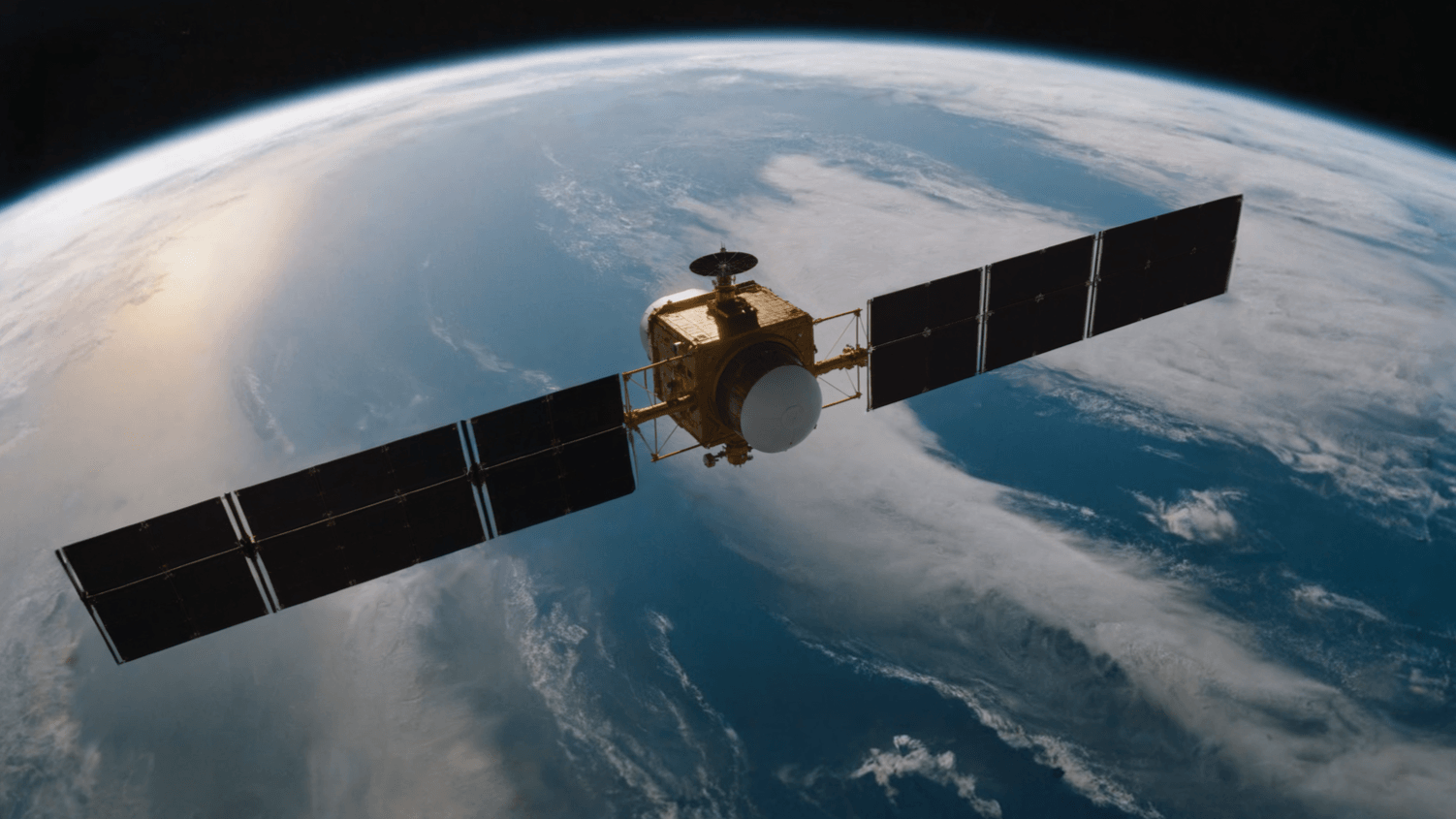
Today's highlights include General Dynamics' contract extension with SDA, ABL Space Systems layoffs, NASA's Crew-9 mission adjustments, and Galactic Energy's successful satellite launch.

SpaceX files FCC plans for a million-satellite orbital data center constellation. Crew-12 launch timing depends on Artemis 2 mission. Cold weather delays launch window.
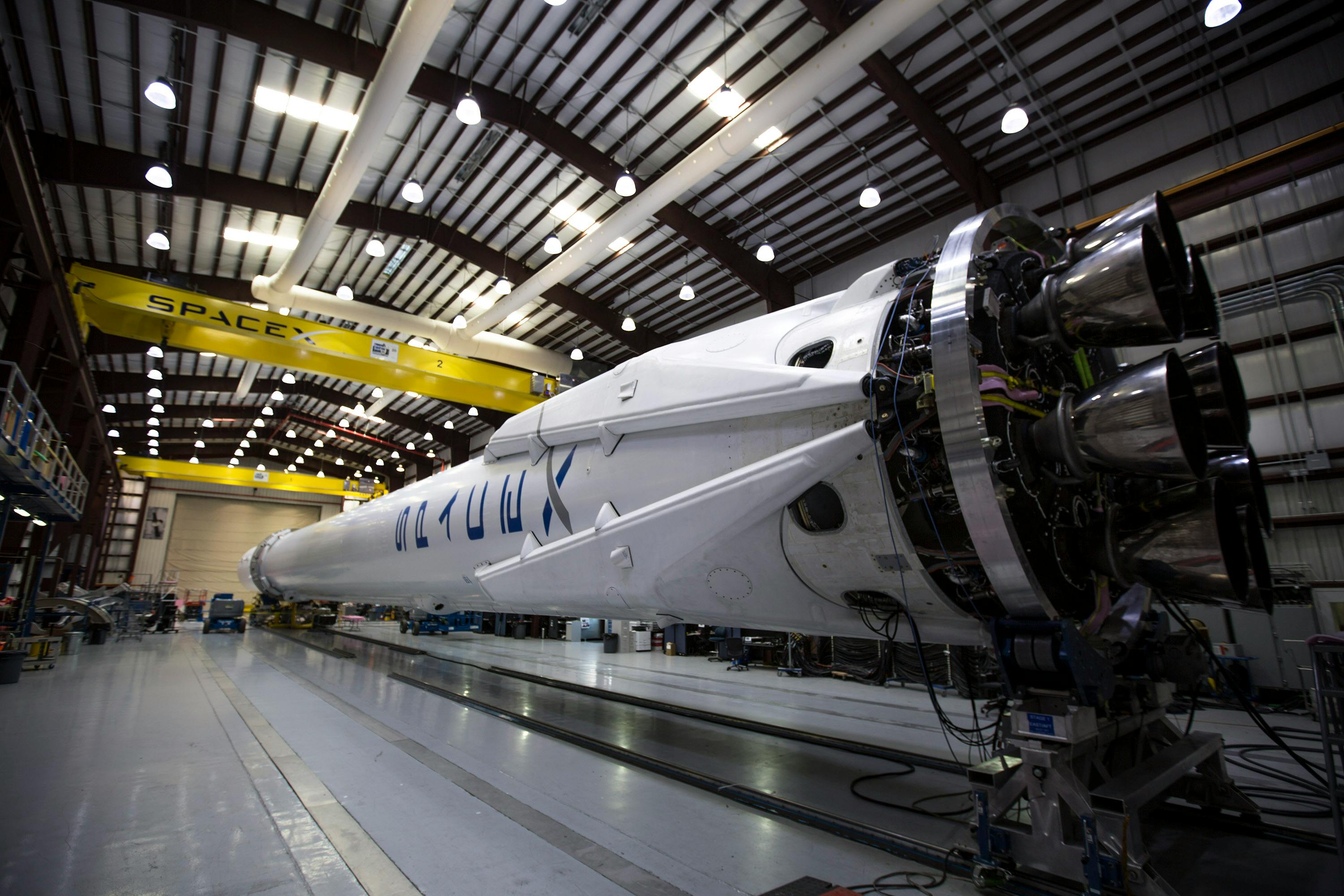
SpaceX made significant strides in satellite deployment with successful launches of 27 and 29 Starlink satellites, marking both a milestone in landings and ongoing expansion of the Starlink constellation.
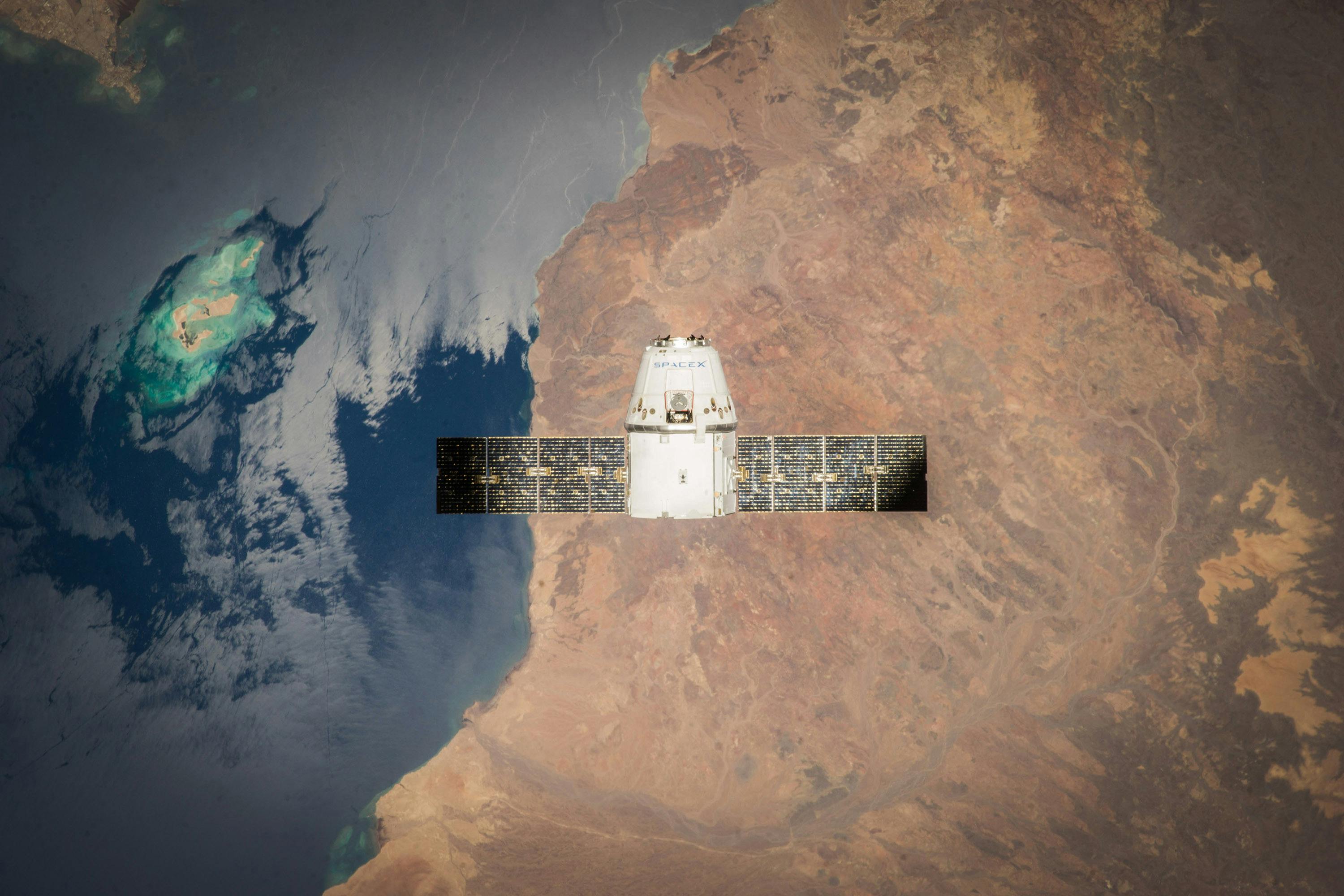
SpaceX made strides in both Starship and Starlink missions this week, launching another round of satellites while concurrently testing their Starship capabilities amidst challenges.
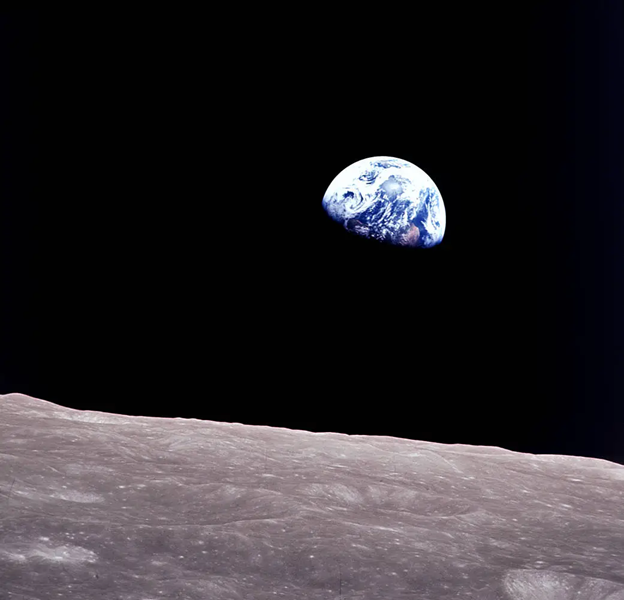
For 56 years, April 22 has been the day the world stops to look at itself. Before that was possible, someone had to invent the view. This is the story of how we first saw Earth from the outside, from a crashed V-2 camera in the New Mexico desert to the Blue Marble that still hangs on classroom walls.

Today's highlights include Rocket Lab's record year, setbacks in Japanese space endeavors, secure communication advancements in orbit, and more updates on martian expeditions.