SL-4 R/B (08915)

COSPAR: 1976-058B | Alt Name: Soyuz-U 26-220 Blok-I
DECAYED

Image
SL-4 R/B Satellite Image
Additional Sources
Launch Details

Launch Date

June 24, 1976

Launch Site

PLMSC

Launch Pad

LC43/3

Launch Vehicle

Soyuz-U

Orbital Elements

NORAD ID

08915

International Designator

1976-058B

Decay Date

6/30/1976

Basic Satellite Info

Name

SL-4 R/B

Alternative Name

Soyuz-U 26-220 Blok-I

Type

Rocket Body

Status

Space Junk

Owner

RVSN

Country

USSR

Constellation

N/A

Related Satellites

Major Events

N/A

Summary
A rocket body, also commonly referred to as an upper stage or spent rocket stage, is the structural shell left behind after a rocket has delivered its payload to orbit. These large and often heavy pieces of space hardware can remain in orbit for years, posing significant collision hazards as part of the growing space debris problem. If left uncontrolled, rocket bodies have the potential to reenter Earth's atmosphere unpredictably, which can lead to falling debris in populated areas. Additionally, they risk colliding with operational satellites or the International Space Station, creating more debris and putting human life at risk.
Physical Characteristics

Length

6.7

Diameter

2.7

Span

6.7

Dry Mass

2350

Launch Mass

2350

Shape

Cyl

Radar Cross Section

Unknown

Visual Magnitude

Unknown

Color

Unknown

Material Composition

Unknown

Technical Details

Payload

11S510

Purpose

Unknown

Mission

Unknown

Manufacturer

PROG

Life Expectancy

Unknown

Bus

Blok-I

Configuration

Unknown

Motor

Unknown

Equipment

Unknown

Power System

Unknown

ADCS

Unknown

Transmitter Frequency

Unknown

Satellite Articles

View All Posts »

Learn more about satellites and other related topics.

The Day Superpowers Shared Space

The Day Superpowers Shared Space

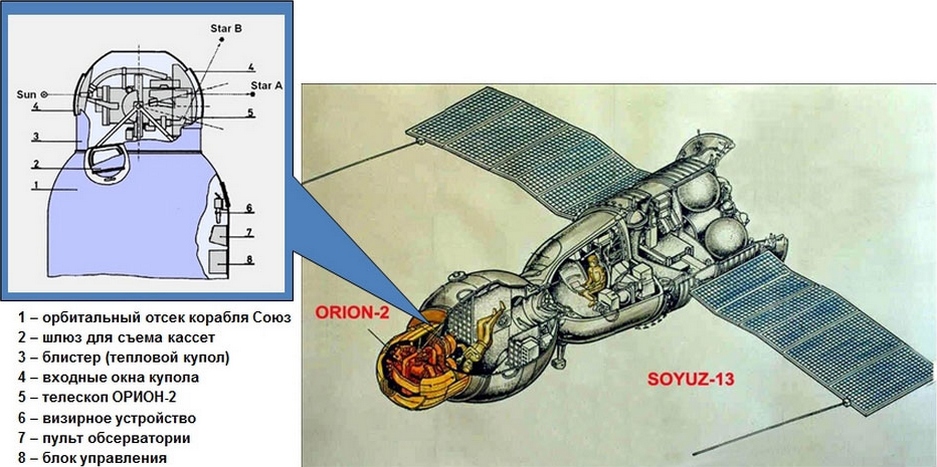
Exactly 52 years ago today, the Soviet Union launched Soyuz 13 - a scientific mission that marked the first time American astronauts and Soviet cosmonauts orbited Earth simultaneously. Armed with a revolutionary ultraviolet telescope, Pyotr Klimuk and Valentin Lebedev would discover elements never before seen in distant nebulae.

The Day the Navy's Eyes Reached Orbit

The Day the Navy's Eyes Reached Orbit

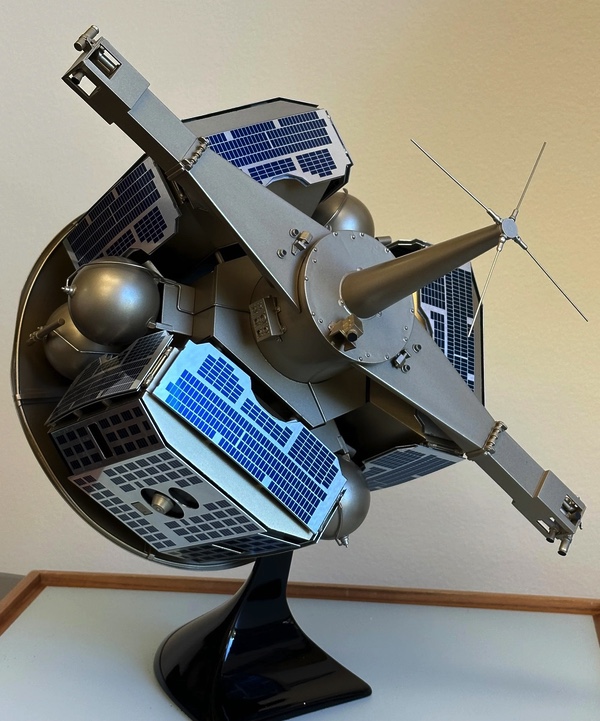
Forty-two years ago, an Atlas H rocket climbed into the California sky carrying four objects that would help the U.S. Navy track every Soviet warship on the planet - a mission so secret that even the satellites' true name wasn't declassified until 2023

Space Brief 14 Jan 2025

Space Brief 14 Jan 2025

Today's brief focuses on Blue Origin's scrubbed New Glenn launch, SpaceX's reusability milestone, and a warning from the US Air Force about China's advancements in space capabilities. We're also highlighting a key satellite in orbit.

X Report 29 Oct 2025

X Report 29 Oct 2025

SpaceX embraces community support during Hurricane Melissa while advancing its Starbase infrastructure and launching more Starlink satellites.

Roman Space Telescope Arrives at KSC for August 30 Falcon Heavy Launch | KeepTrack Space Brief

Roman Space Telescope Arrives at KSC for August 30 Falcon Heavy Launch | KeepTrack Space Brief

NASA's $4.3B Nancy Grace Roman Space Telescope arrived at Kennedy Space Center for 70 days of prelaunch processing ahead of its August 30 Falcon Heavy launch.

X Report 3 Oct 2025

X Report 3 Oct 2025

SpaceX continues to expand its reach with the successful launch of more Starlink satellites while exploring innovative military applications for satellite communications.

China's 75 Unusual GEO Maneuvers Flagged by CSIS | KeepTrack Space Brief

China's 75 Unusual GEO Maneuvers Flagged by CSIS | KeepTrack Space Brief

CSIS analysis identifies 75 unusual orbital maneuvers by Chinese GEO satellites over 10 years, consistent with military reconnaissance. Track GEO objects via KeepTrack.

Space Brief 27 Oct 2025

Space Brief 27 Oct 2025

Today's space highlights include the US Space Force's advanced tracking contract, a milestone in SpaceX's Starlink program, and a new initiative to remove space debris.