

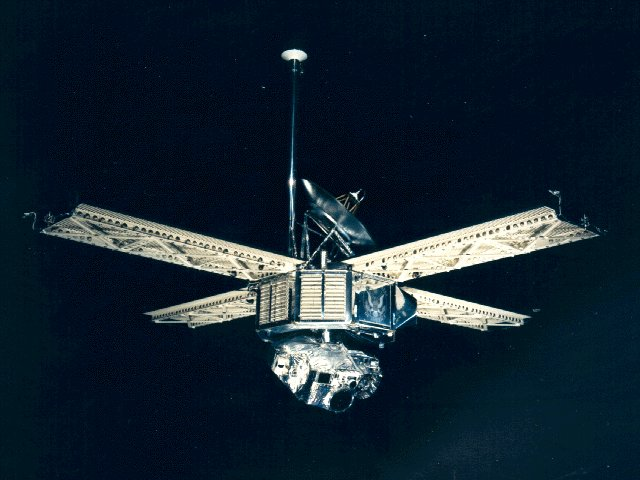
The Day America Gained New Eyes on Mars
Fifty-six years ago, a revolutionary spacecraft launched toward the Red Planet after being saved from disaster by two quick-thinking technicians who risked their lives to prevent a rocket collapse


Launch Date
March 16, 1976
Launch Site
PLMSC
Launch Pad
LC41/1
Launch Vehicle
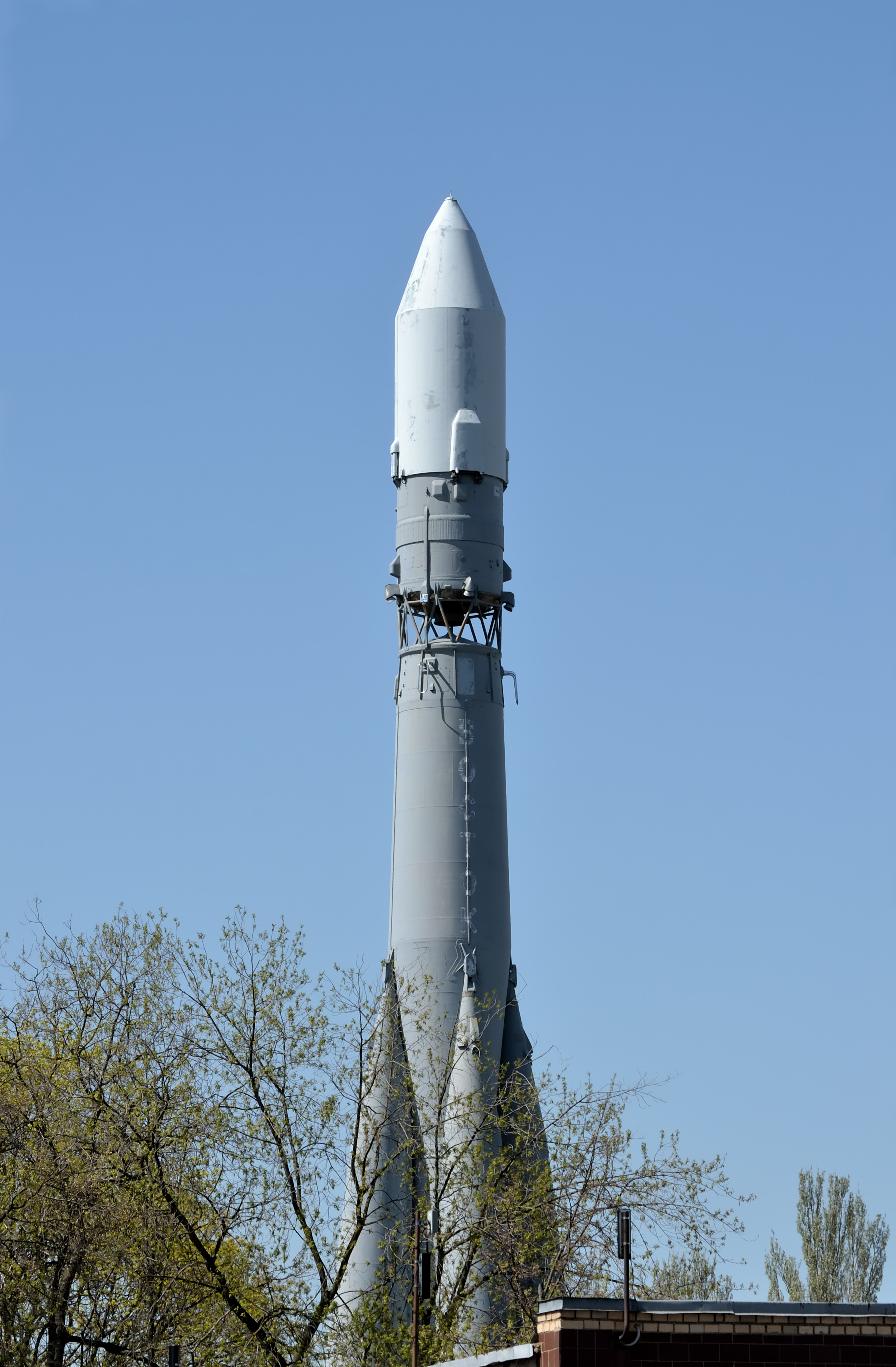
Vostok 8A92M
NORAD ID
08754
International Designator
1976-024A
Decay Date
11/20/1993
Name
COSMOS 808
Alternative Name
Kosmos-808
Type
Status
Owner
TSN108
Country
USSR
Constellation
N/A
Related Satellites
Major Events
N/A
Apologies, there is no summary for this satellite yet. I am working to generate these for every object in the catalog, but it is going to take time.
Length
3.2
Diameter
1.3
Span
13.1
Dry Mass
1750
Launch Mass
1750
Shape
Cyl + Ant
Radar Cross Section
18.4558
Visual Magnitude
Unknown
Color
Unknown
Material Composition
Unknown
Payload
Ikar No. 5L
Purpose
Unknown
Mission
Unknown
Manufacturer
YUZH
Life Expectancy
Unknown
Bus
Tselina-D
Configuration
Unknown
Motor
Unknown
Equipment
Unknown
Power System
Unknown
ADCS
Unknown
Transmitter Frequency
Unknown
Learn more about satellites and other related topics.
Fifty-six years ago, a revolutionary spacecraft launched toward the Red Planet after being saved from disaster by two quick-thinking technicians who risked their lives to prevent a rocket collapse
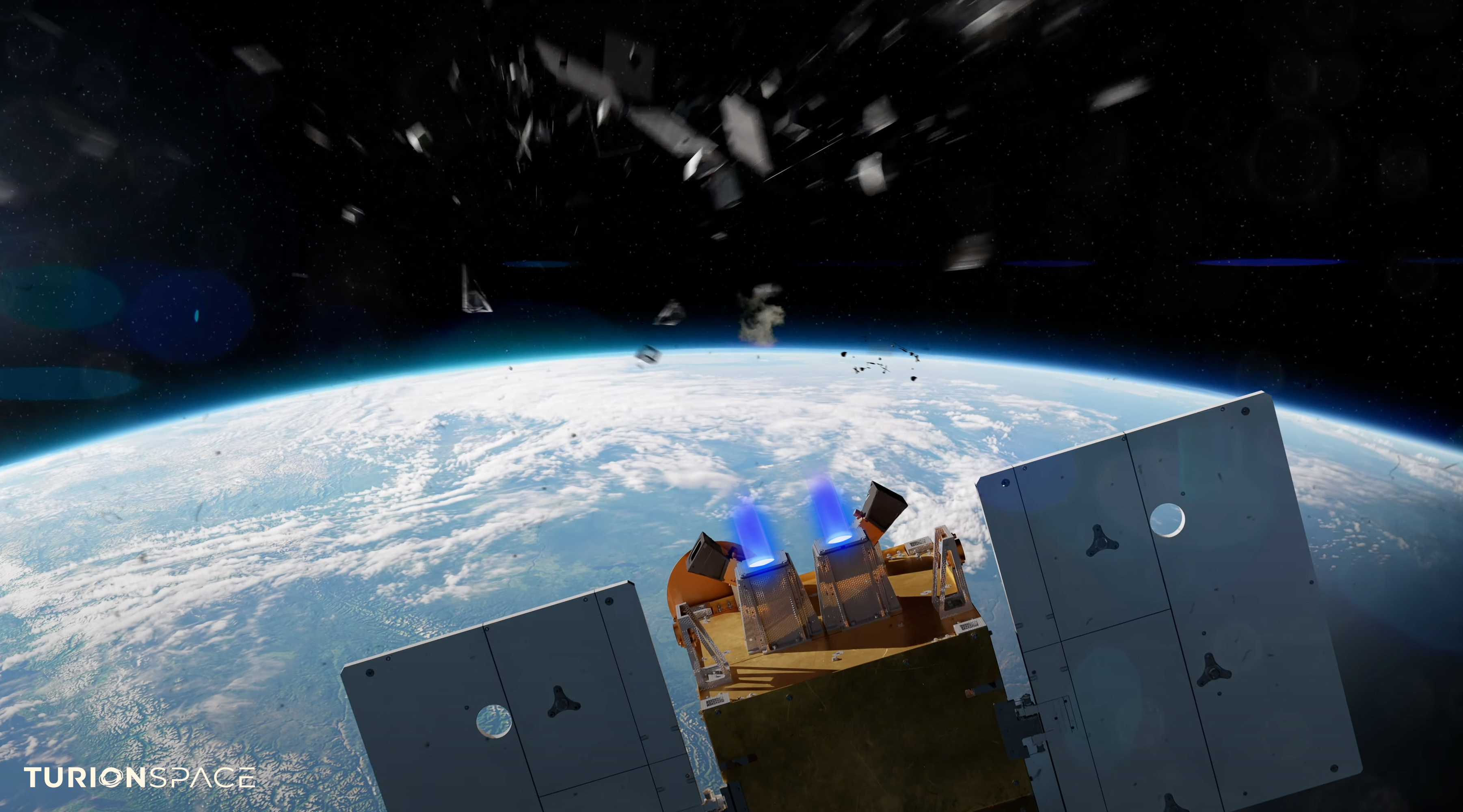
A 90-kilogram spacecraft with iodine thrusters and two Australian-built cameras is quietly building the case that tracking space debris is a business worth billions - and that a four-year-old startup from Irvine can own it.

Today's focus: Sidus Space's new AI edge computer, Space Force's dynamic operations initiative, and key Pentagon acquisition reforms.
Today's brief covers various military applications of climate-monitoring satellites, new defense strategies against unmanned threats, and the potential impacts of geopolitical tensions on orbit.
Today's briefing highlights recent launches and failures, including an Indian radar satellite setback, successful Rocket Lab missions, and China's debut of upgraded rocket technology.

Today's Space Brief covers Blue Origin's historic all-female spaceflight, the selection of companies for nuclear microreactor development by DIU, and NATO's adoption of AI technology for military planning.
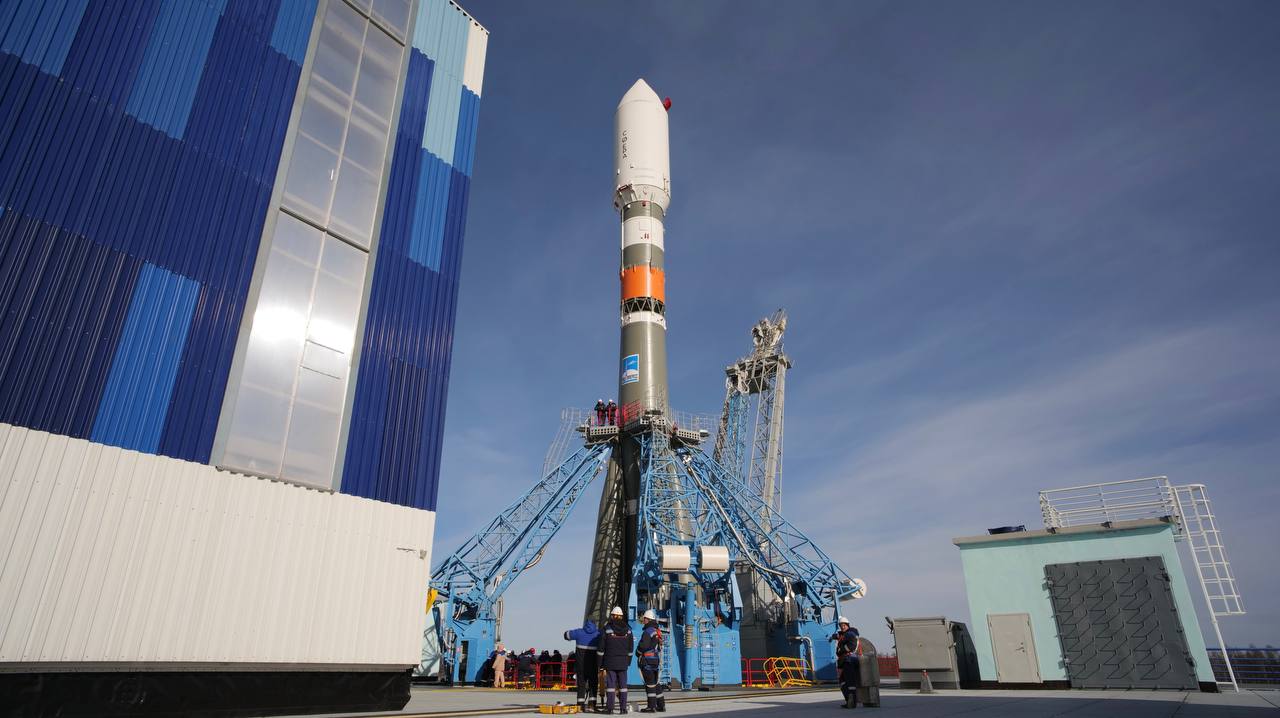
Today's highlights include the U.S. military's satellite initiative facing delays, Senate inquiries into high-profile calls, and an update on Pentagon's UFO investigations. Notable mentions also cover Morocco's defense sector ambitions.
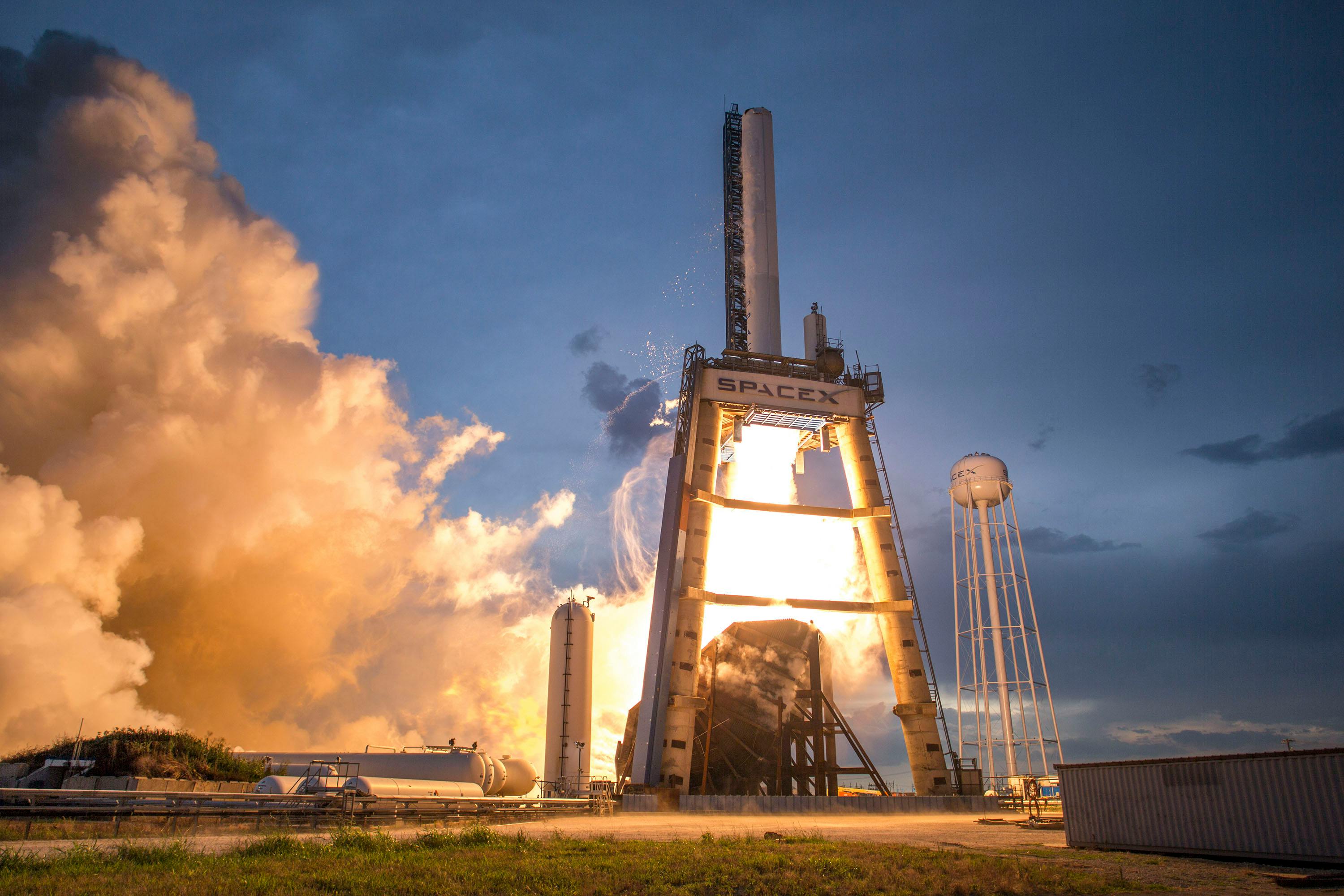
SpaceX's historic Falcon 9 flight launches 21 Starlink satellites, opening new milestones in space travel. Meanwhile, K2 Space achieves a funding breakthrough, and the first astronaut with a disability is set for a mission to the ISS.