

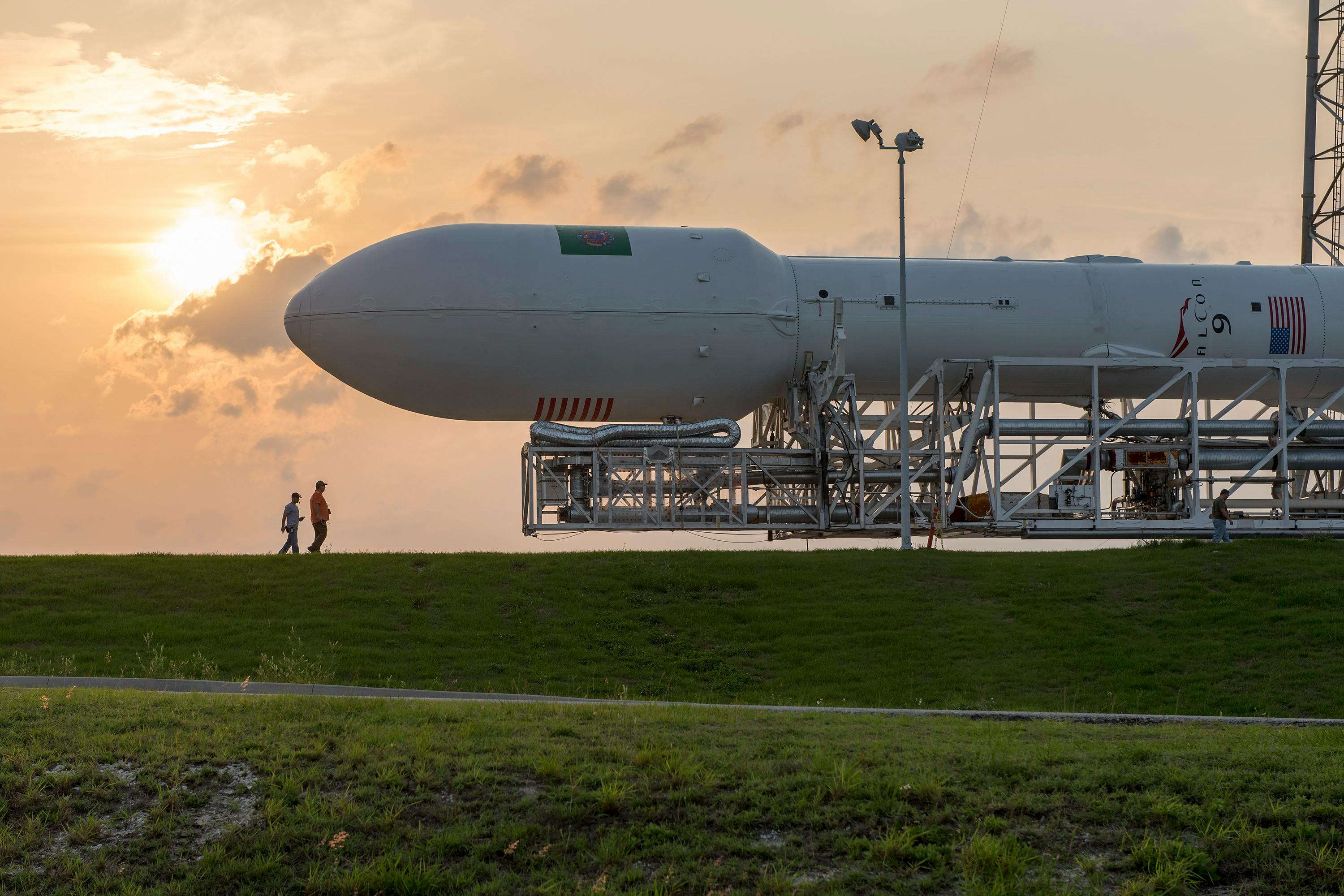
Falcon 9 Lofts 5-Ton Cygnus XL to ISS | KeepTrack X Report
SpaceX's Falcon 9 delivered Northrop Grumman's second Cygnus XL — carrying over 5 tons of cargo — to the ISS on April 11, 2026.


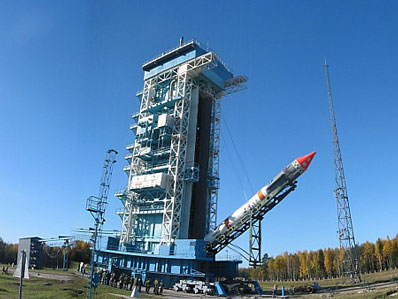
Launch Date
January 22, 1976
Launch Site
PLMSC
Launch Pad
LC132/1
Launch Vehicle
Kosmos 11K65M
NORAD ID
08604
International Designator
1976-007A
Decay Date
11/12/1980
Name
COSMOS 790
Alternative Name
Kosmos-790
Type
Status
Owner
GRU
Country
USSR
Constellation
N/A
Related Satellites
Major Events
N/A
Apologies, there is no summary for this satellite yet. I am working to generate these for every object in the catalog, but it is going to take time.
Length
5.1
Diameter
1.2
Span
5.1
Dry Mass
434
Launch Mass
434
Shape
Cyl + 2 Pan
Radar Cross Section
5.2232
Visual Magnitude
Unknown
Color
Unknown
Material Composition
Unknown
Payload
Tselina-OM
Purpose
Unknown
Mission
Unknown
Manufacturer
YUZH
Life Expectancy
Unknown
Bus
Tselina-OM
Configuration
Unknown
Motor
Unknown
Equipment
Unknown
Power System
Unknown
ADCS
Unknown
Transmitter Frequency
Unknown
Learn more about satellites and other related topics.
SpaceX's Falcon 9 delivered Northrop Grumman's second Cygnus XL — carrying over 5 tons of cargo — to the ISS on April 11, 2026.

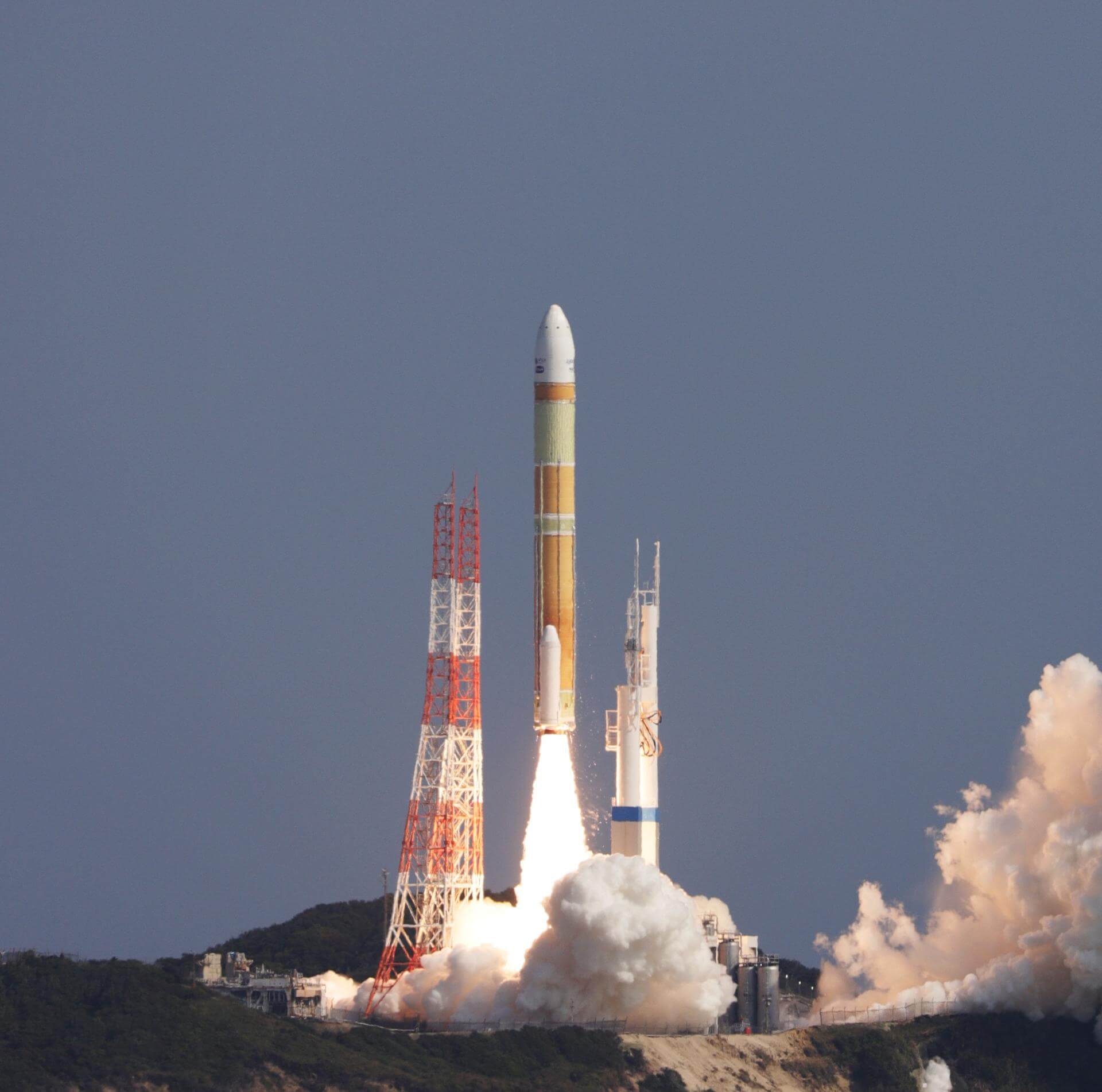
Today's brief covers a Japanese military satellite launch, new GPS satellite orders by the Space Force, and a Moog propulsion system contract, among other notable developments.
Today's highlights include defense sector investments, major military contracts with Rocket Lab, and a glimpse at new American Innovation dollar coins featuring space achievements.

In 2024, China launched 68 orbital missions. In 2025, the number jumped to 97. In 2026, state media and Western analysts agree the target is 140 or more. Most of that growth is being driven by two state-backed mega-constellations, a half-dozen private launch companies hitting stride, and a deliberate national pivot toward commercial space. Beijing is no longer trying to catch SpaceX. It is trying to build an industrial base that outlasts one.

China expands its classified satellite series, Space Force advances cloud-based ground station marketplaces, and the Pentagon grows its satellite network partner list. Highlighting new roles for sensor technology in tracking space debris.
Today's brief covers the launch of the X-37B, cutting-edge quantum navigation systems, and the future of space-based military technology. Discover the role of SpaceX and the advancements in inertial navigation.

SpaceX successfully launched the historic Axiom-4 mission to the ISS, marking a significant milestone in private space travel, while also expanding Starlink's reach into Vietnam's healthcare sector.
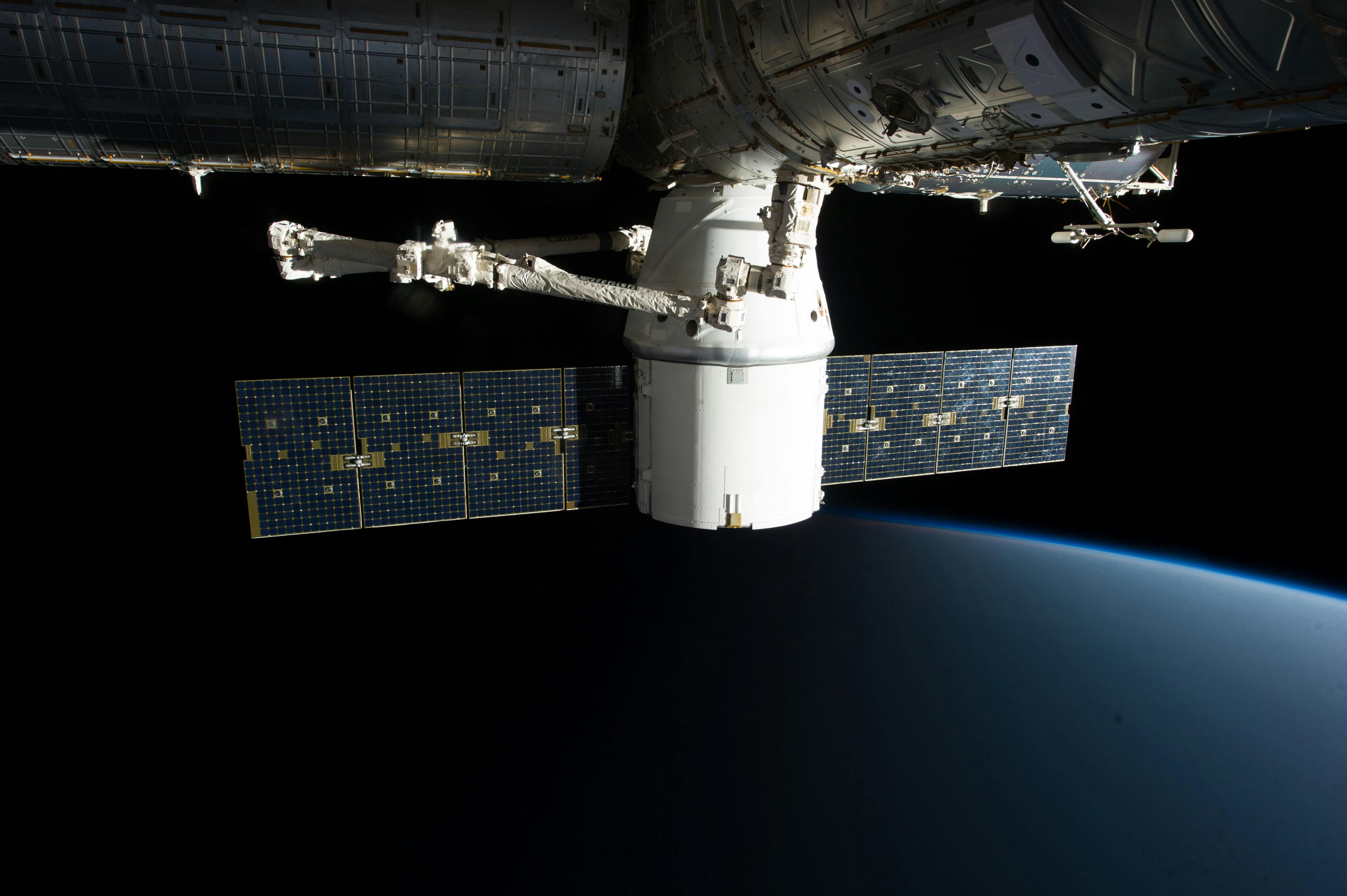
SpaceX's 100th Falcon 9 mission successfully launched 24 Starlink satellites, continuing to expand its broadband constellation.