

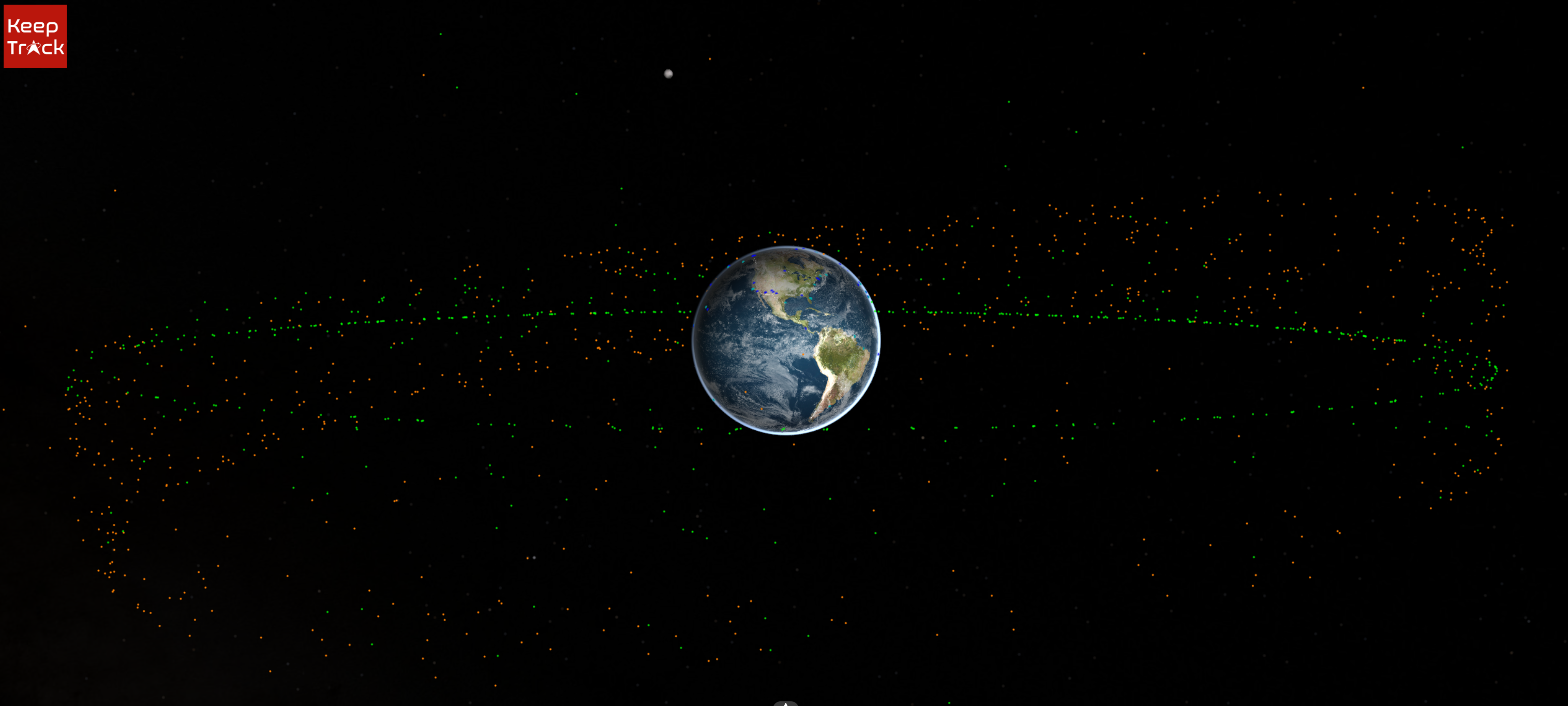
Graveyard Orbit
The final resting place for retired satellites, a disposal orbit where defunct spacecraft are sent to stay out of the way


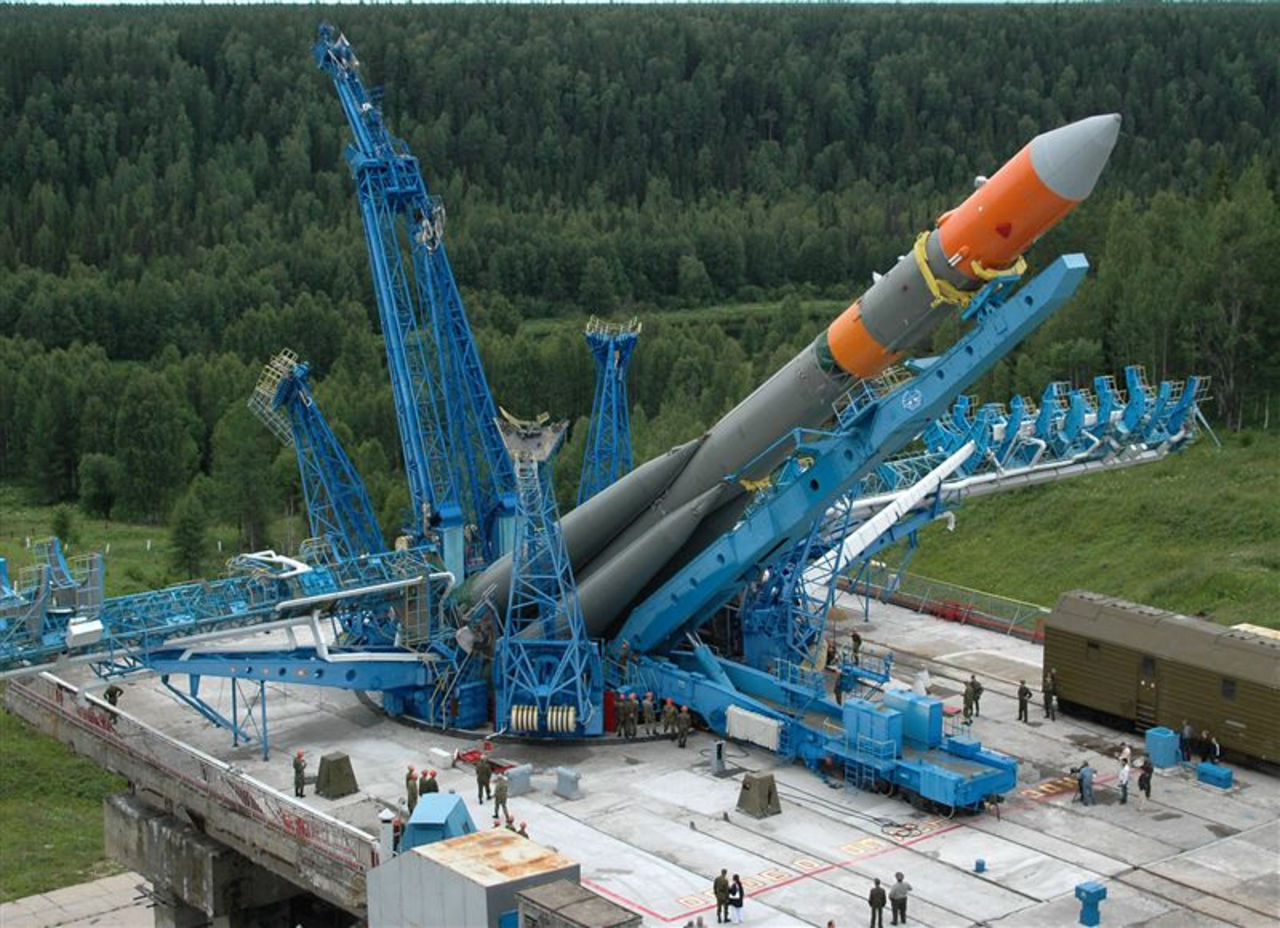
Launch Date
December 17, 1975
Launch Site
PLMSC
Launch Pad
LC43/3
Launch Vehicle
Molniya 8K78M
NORAD ID
08492
International Designator
1975-121A
Decay Date
6/28/1990
Name
MOLNIYA 2-15
Alternative Name
Molniya-2
Type
Status
Owner
GUKOSR
Country
USSR
Constellation
N/A
Related Satellites
Major Events
N/A
Apologies, there is no summary for this satellite yet. I am working to generate these for every object in the catalog, but it is going to take time.
Length
4.4
Diameter
1.4
Span
8.2
Dry Mass
1620
Launch Mass
1650
Shape
Cyl + 6 Pan
Radar Cross Section
15.5949
Visual Magnitude
Unknown
Color
Unknown
Material Composition
Unknown
Payload
Molniya-2 No. 25L
Purpose
Unknown
Mission
Unknown
Manufacturer
OKB10
Life Expectancy
Unknown
Bus
Molniya-2
Configuration
Unknown
Motor
Unknown
Equipment
Unknown
Power System
Unknown
ADCS
Unknown
Transmitter Frequency
Unknown
Learn more about satellites and other related topics.
The final resting place for retired satellites, a disposal orbit where defunct spacecraft are sent to stay out of the way

SpaceX claims a 2nd GPS III launch as ULA's Vulcan investigation stalls, while ESA charters a Crew Dragon ISS mission and Starlink hits 30 launches in 2026.
ISS astronauts evacuated to a SpaceX Dragon capsule on June 5 as cosmonauts worked to seal a persistent air leak on the Russian segment.

Over 27,000 high-speed pieces of space junk now threaten vital satellites, requiring sophisticated tracking and urgent innovation of orbital debris removal methods like harpoons and nets.
SpaceX prepares for a historic Falcon 9 landing attempt in The Bahamas, while also contributing to FAA air traffic control modernization.
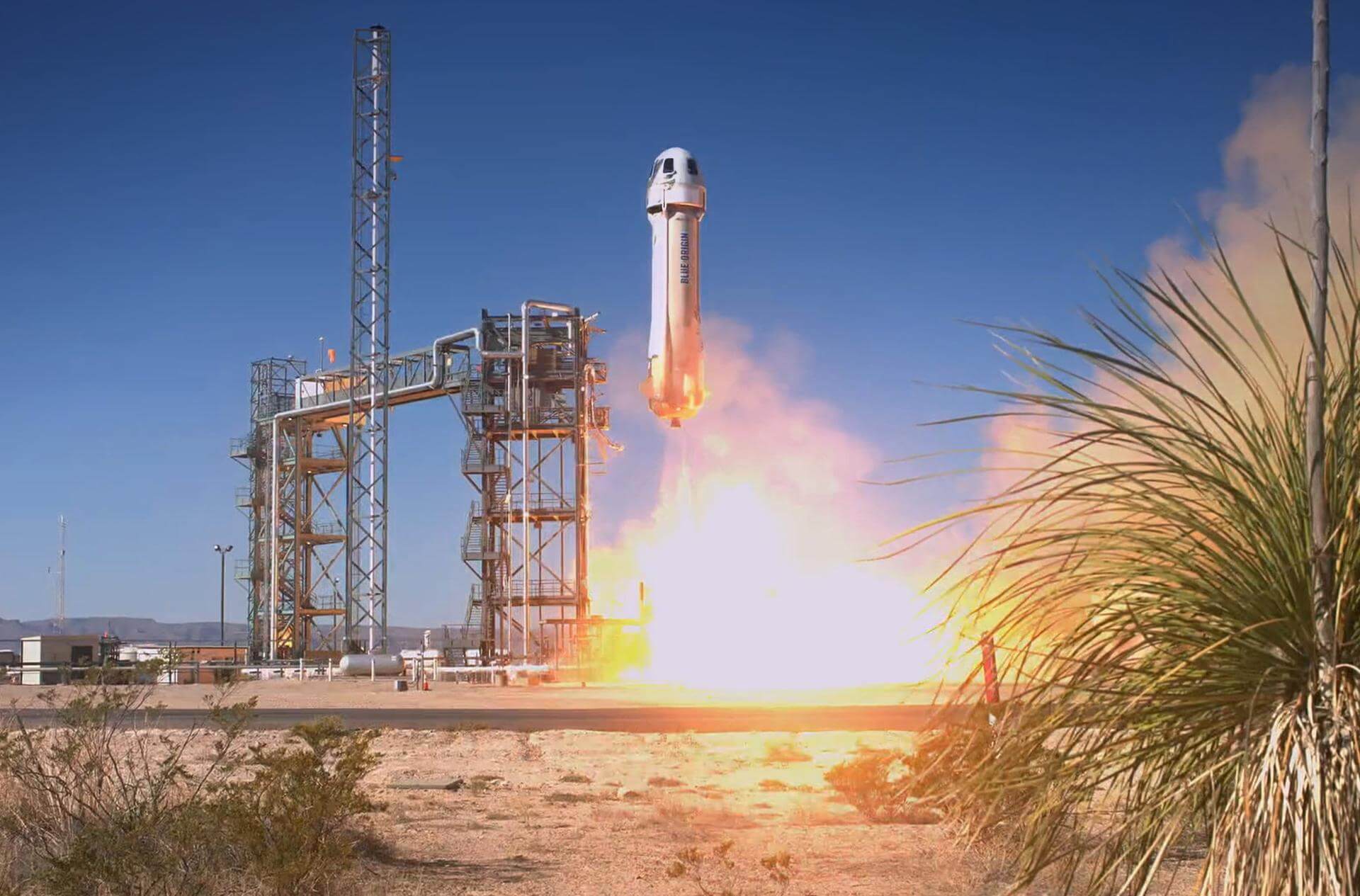
Today's brief shines a light on surging space debris due to a new satellite breakup, SpaceX's continuous Starlink expansions, and notable legal support for Elon Musk's launch endeavors.

SpaceX successfully launched 28 Starlink satellites from Cape Canaveral, while Starship prepares for its ninth test flight next week.
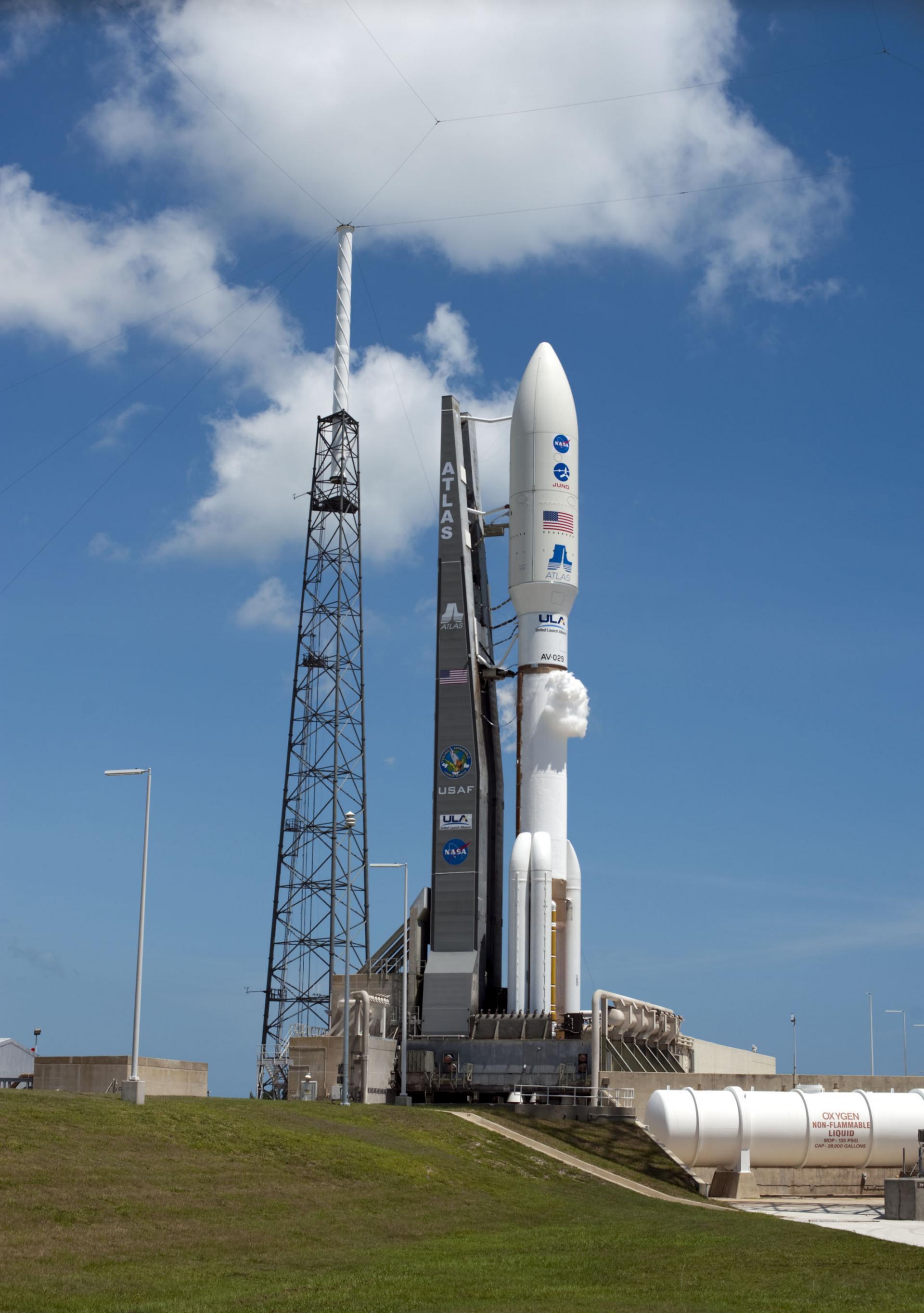
U.S. GSSAP satellites execute coordinated GEO maneuvers for continuous surveillance of Chinese Shijian-29 spacecraft. Handoff approach maintains coverage with zero gaps.