

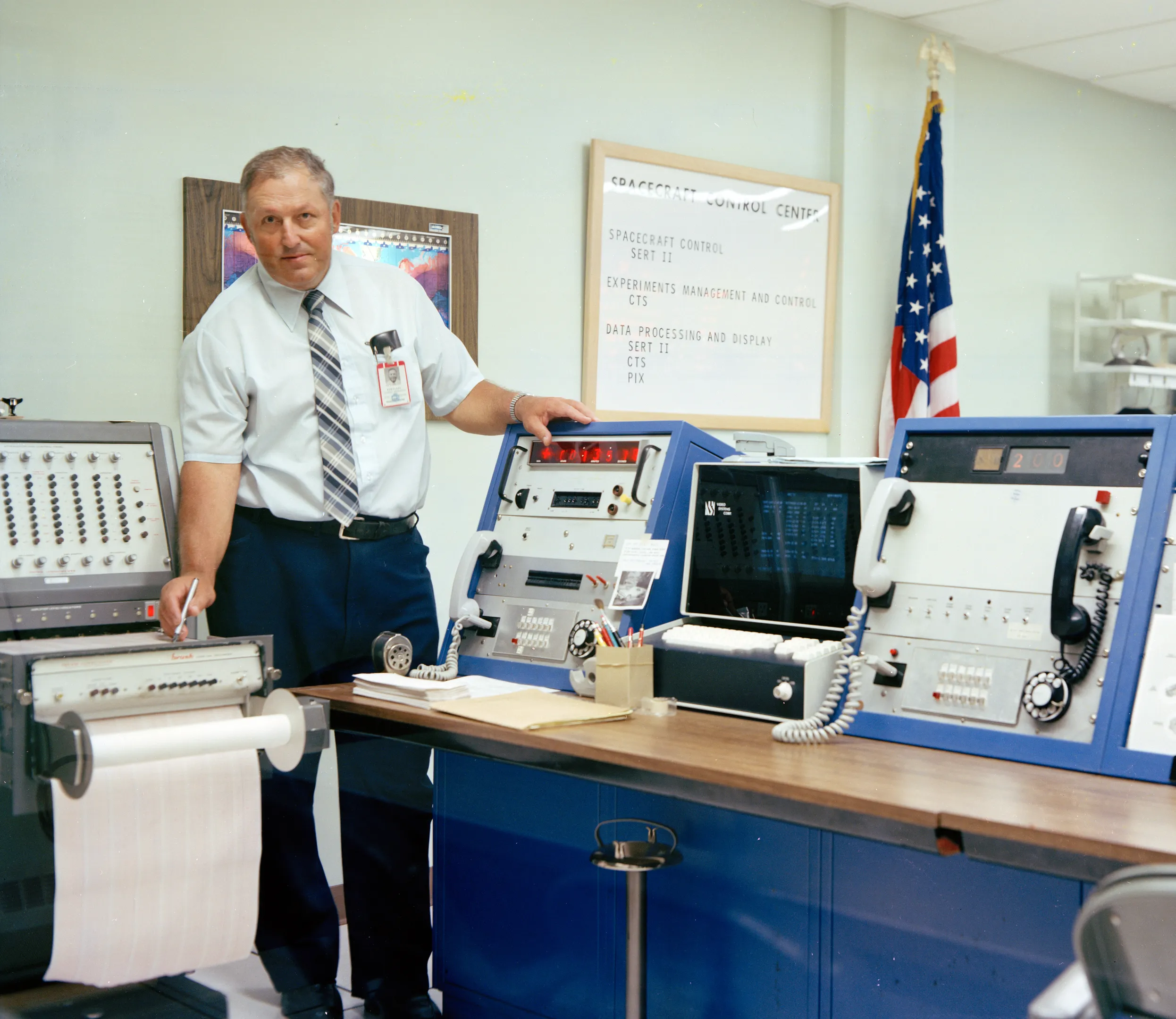
The Day Electric Propulsion Changed Spaceflight Forever
Fifty-five years ago, a revolutionary spacecraft launched from California carrying technology that would transform how we explore the solar system



Launch Date
July 23, 1972
Launch Site
AFWTR
Launch Pad
SLC2W
Launch Vehicle
Delta 0900
NORAD ID
08434
International Designator
1972-058FP
Decay Date
1/31/1976
Name
DELTA 1 DEB
Alternative Name
deb Delta 89
Type
Status
Owner
GSFC
Country
United States
Constellation
N/A
Related Satellites
Major Events
N/A
Length
0
Diameter
0
Span
0
Dry Mass
0
Launch Mass
0
Shape
N/A
Radar Cross Section
Unknown
Visual Magnitude
Unknown
Color
Unknown
Material Composition
Unknown
Payload
Unknown
Purpose
Unknown
Mission
Unknown
Manufacturer
Unknown
Life Expectancy
Unknown
Bus
Unknown
Configuration
Unknown
Motor
Unknown
Equipment
Unknown
Power System
Unknown
ADCS
Unknown
Transmitter Frequency
Unknown
Learn more about satellites and other related topics.
Fifty-five years ago, a revolutionary spacecraft launched from California carrying technology that would transform how we explore the solar system

Today's highlights include a record number of launches from Florida's Space Coast, Germany's new military space strategy, SpaceX's Starlink deployment, and more.
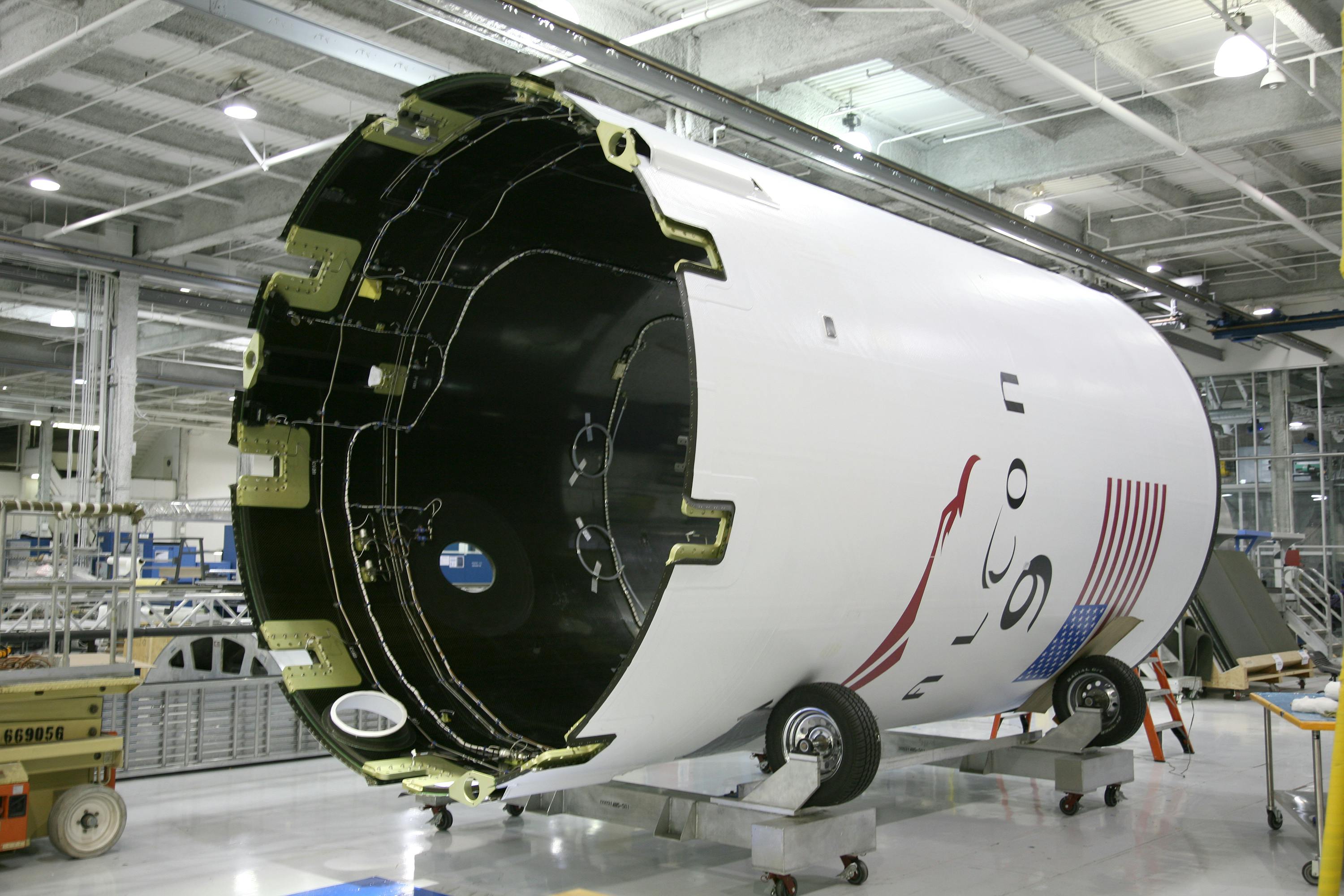
SpaceX prepares for a monumental sixth Starship test flight while achieving a historic Falcon 9 booster landing. Meanwhile, a Starlink satellite lights up the night sky as it reenters Earth's atmosphere.
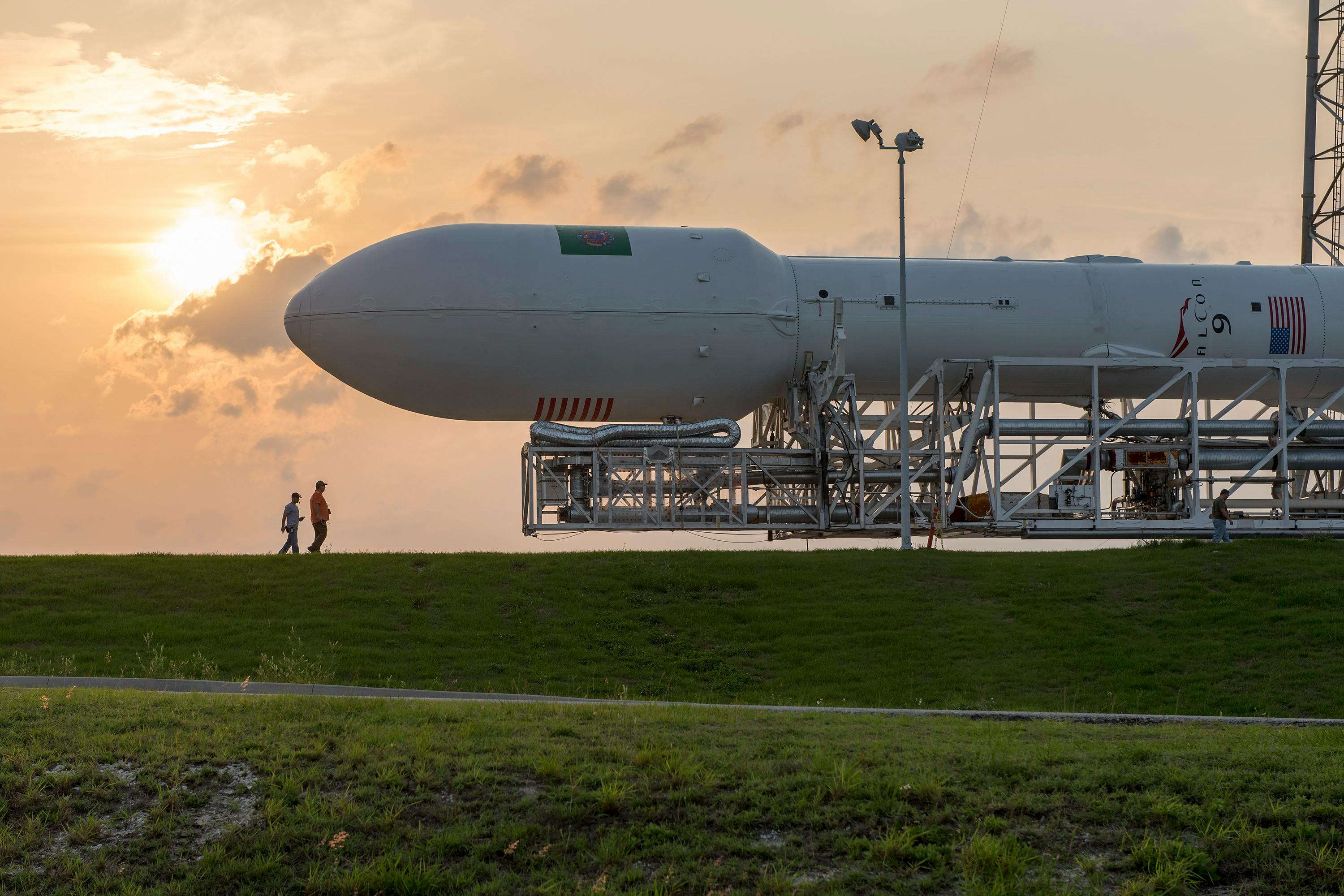
SpaceX prepares for another Starlink launch while facing potential C-band spectrum challenges.
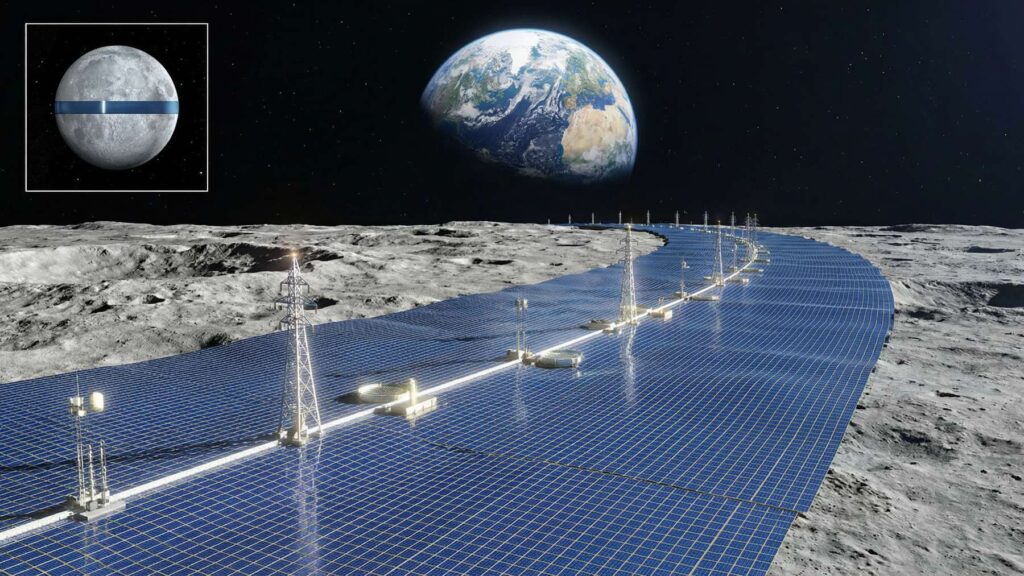
A 220-year-old Japanese construction company wants to build an 11,000-kilometer belt of solar cells around the lunar equator and beam the power back to Earth. The physics checks out. Everything else is another story.
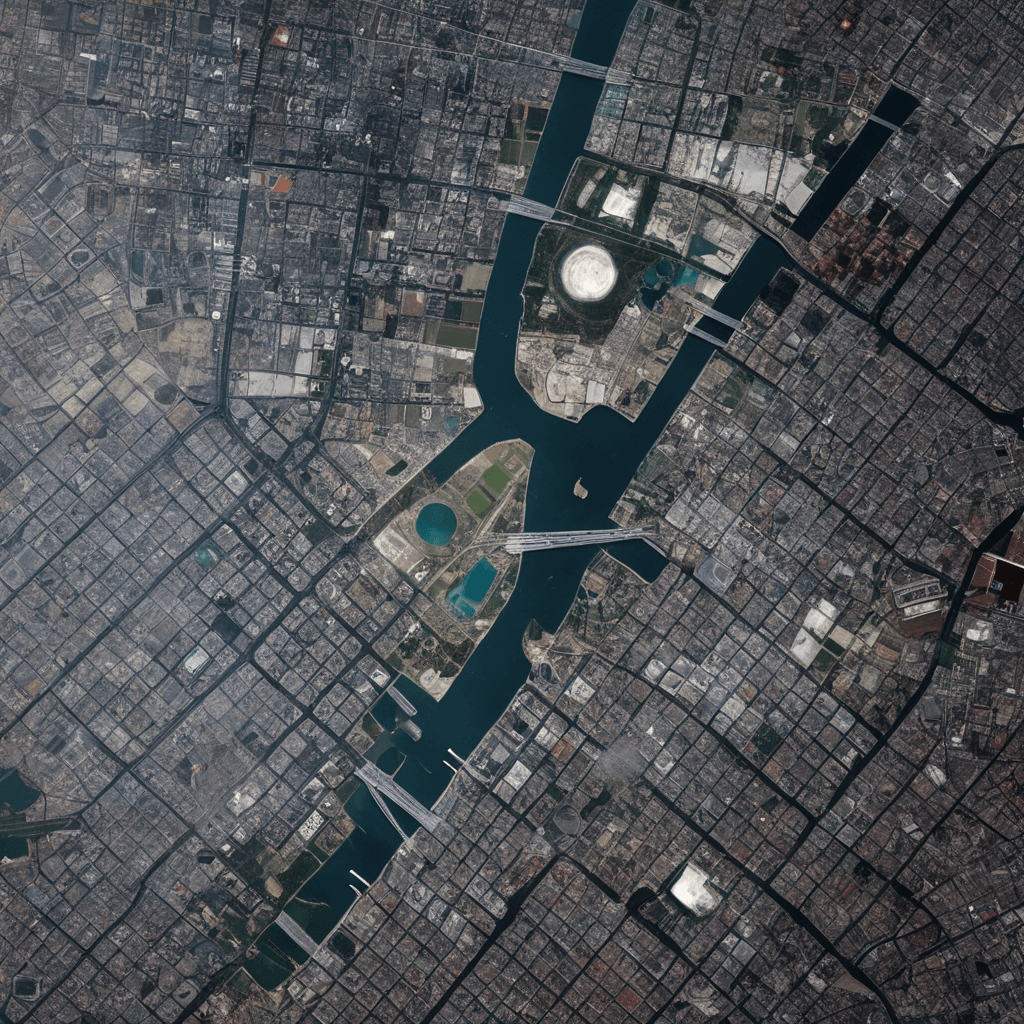
Learn which satellites take photos and why we can't get updates instantly.

Key updates include a potential delay for the Starship lunar lander, successful static fire tests for Ship 38, and the latest Starlink satellite launch plans.
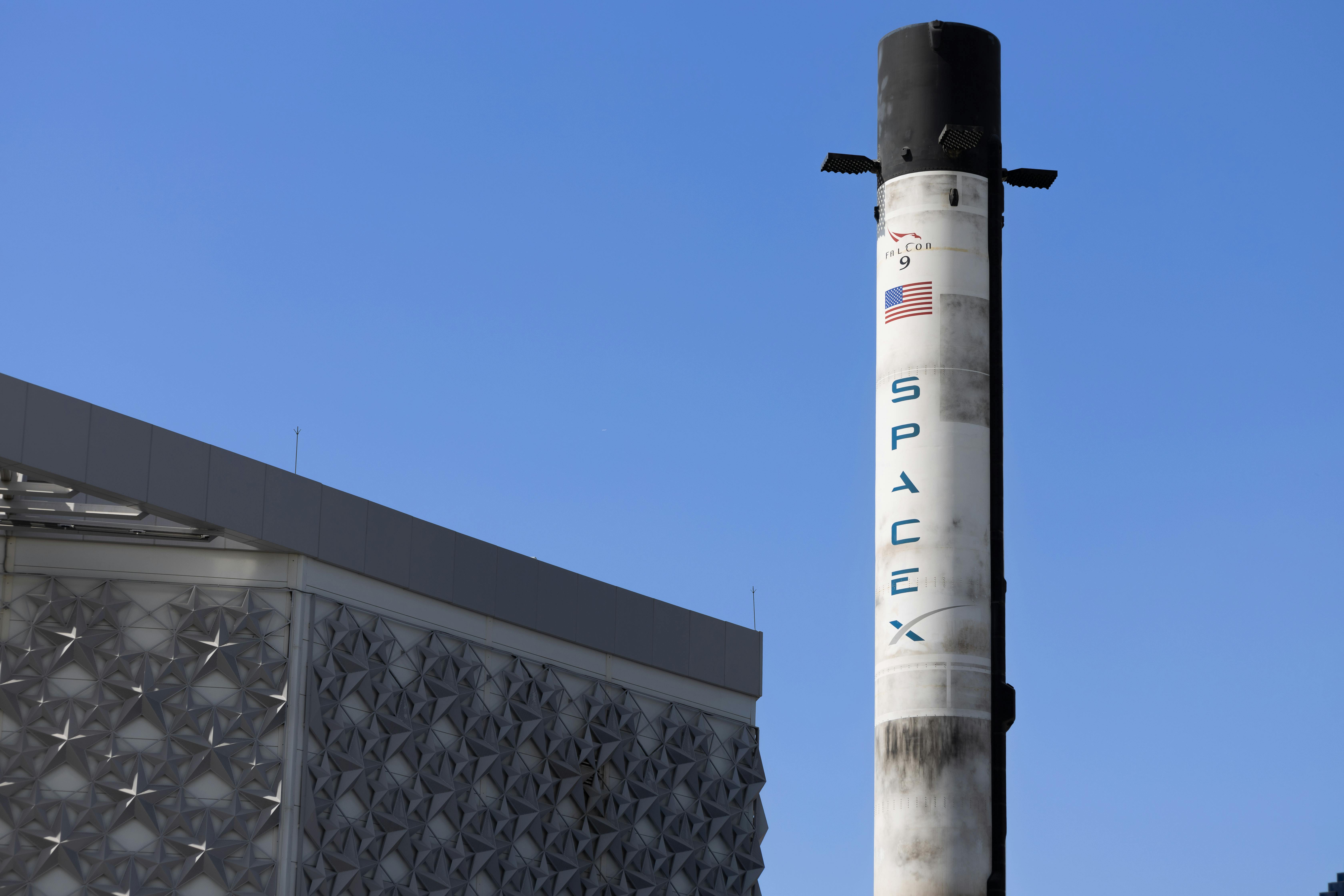
SpaceX successfully launches two rideshare missions to mid-inclination orbits, expanding their satellite deployment capabilities.