



Space Brief 12 Aug 2025
Today's brief covers a groundbreaking national security mission for ULA's Vulcan, NASA's collaboration with LeoLabs for enhanced collision avoidance, and SEOPS' new satellite tracking services, among other key developments.


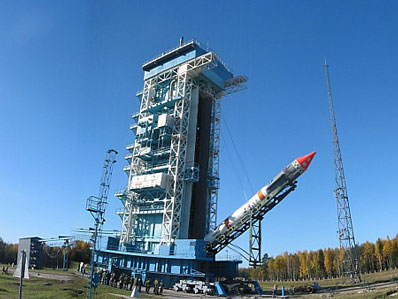
Launch Date
November 4, 1975
Launch Site
PLMSC
Launch Pad
LC132/1
Launch Vehicle
Kosmos 11K65M
NORAD ID
08419
International Designator
1975-103A
Epoch
Mon, 20 Jul 2026 10:40:51 GMT
Apogee
Calculating...
Perigee
Calculating...
Inclination
82.97°
Right Ascension
269.47°
Eccentricity
Calculating...
Argument of Perigee
121.06°
Period
104.74 min
Mean Motion
13.75 rev/day
Latitude
Calculating...
Longitude
Calculating...
Altitude
Calculating...
Velocity
Calculating...
Name
COSMOS 778
Alternative Name
Kosmos-778
Type
Status
Owner
OKB10
Country
USSR
Constellation
N/A
Related Satellites
Major Events
N/A
1 08419U 75103A 26201.44504212 .00000046 00000+0 31497-4 0 9998
2 08419 82.9734 269.4724 0023137 121.0583 249.7568 13.74852664543163
Source: Celestrak
Apologies, there is no summary for this satellite yet. I am working to generate these for every object in the catalog, but it is going to take time.
Length
5
Diameter
2.1
Span
17
Dry Mass
800
Launch Mass
800
Shape
Cyl + Ant
Radar Cross Section
2.194
Visual Magnitude
Unknown
Color
Unknown
Material Composition
Unknown
Payload
Tsiklon-B
Purpose
Navigation, data relay
Mission
Navigation, data relay
Manufacturer
OKB10
Life Expectancy
Unknown
Bus
KAUR-1 11F627
Configuration
KAUR-1
Motor
Unknown
Equipment
Unknown
Power System
Solar cells, batteries
ADCS
Unknown
Transmitter Frequency
Unknown
Learn more about satellites and other related topics.
Today's brief covers a groundbreaking national security mission for ULA's Vulcan, NASA's collaboration with LeoLabs for enhanced collision avoidance, and SEOPS' new satellite tracking services, among other key developments.
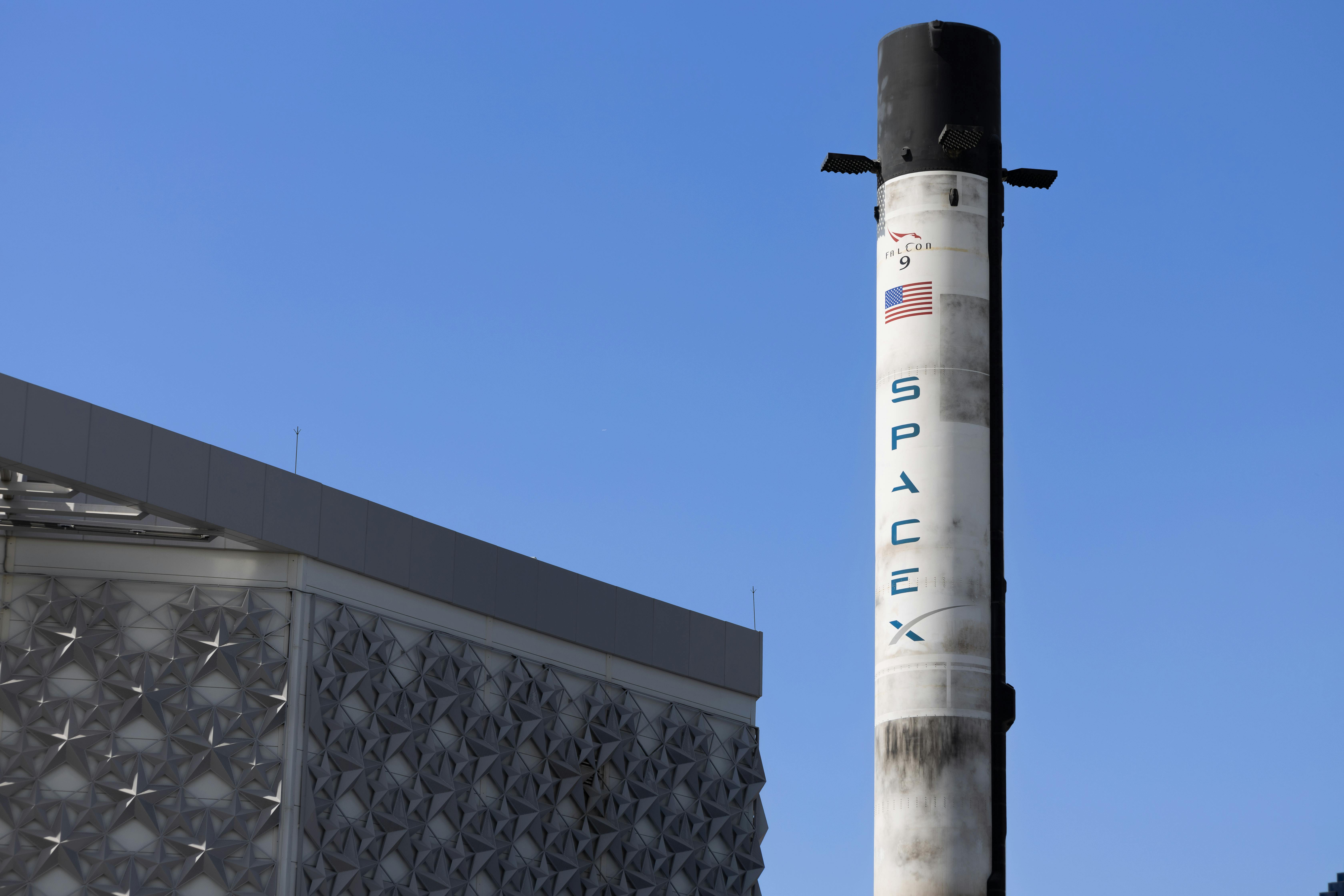
A California firm wins NASA's Aeolus Mars orbiter contract, targeting 2028 launch for the first daily global Martian environment measurements.
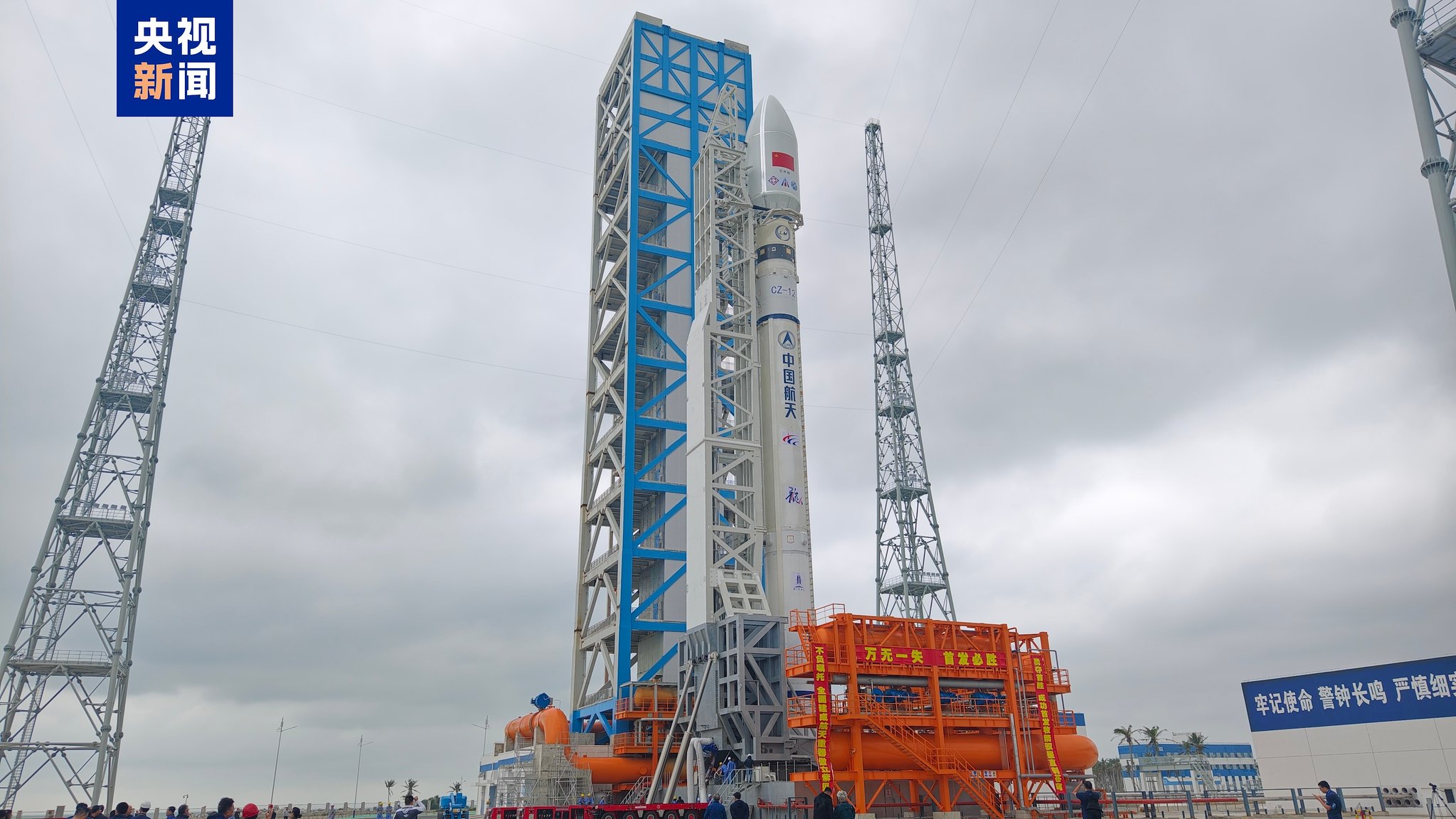
Today's brief covers SpaceX's Starship launch approval, Antares' nuclear funding, and shifts in global space defense strategies.
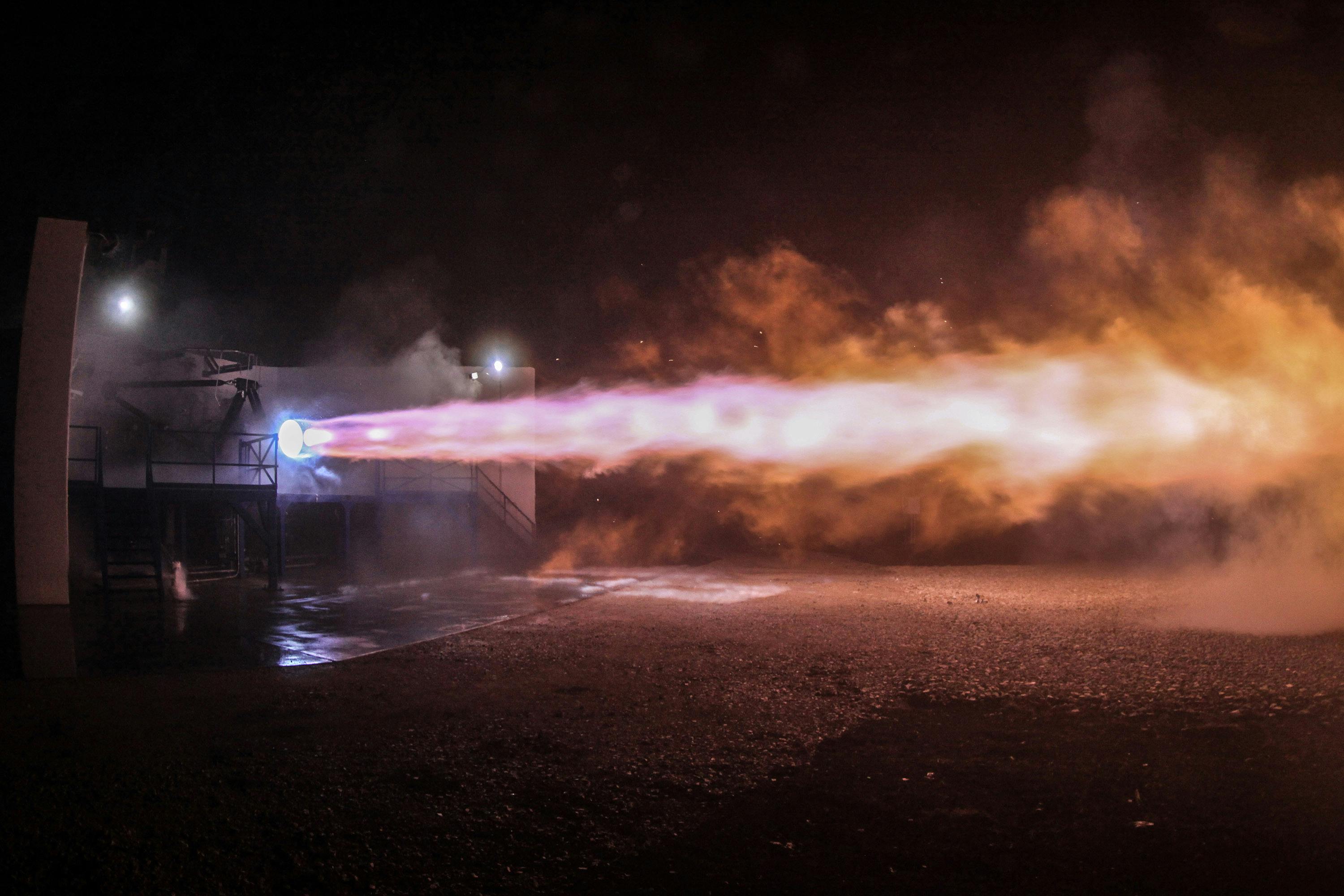
SpaceX pauses all Falcon 9 launches after upper stage anomaly during Starlink mission. Crew-12 astronaut launch may be affected. Booster 19 rolls out for cryogenic testing.
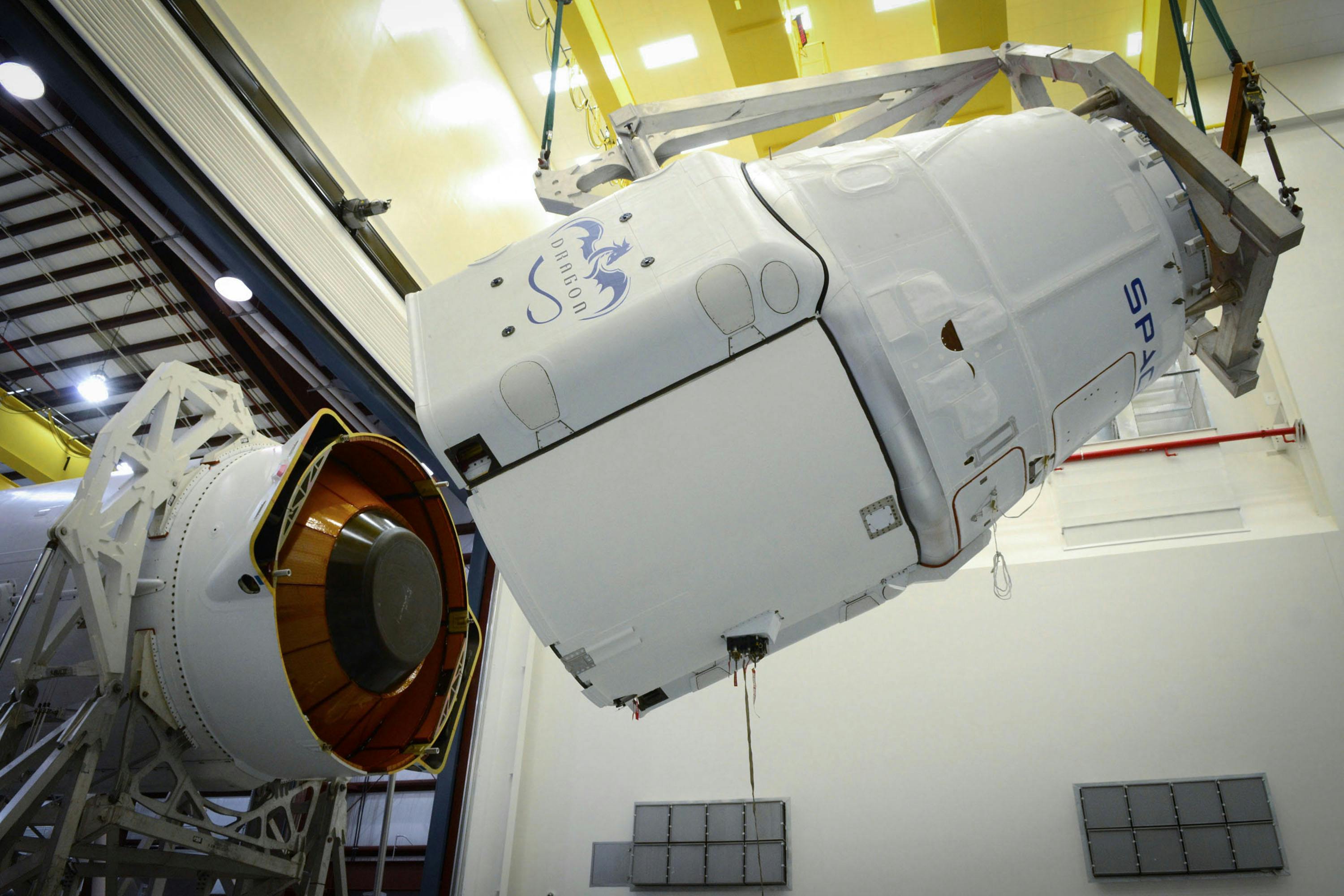
SpaceX wins a $2.29 billion US Space Force contract for a military space data network, NASA adds 6 crew missions, and Starship V3 makes its first flight.
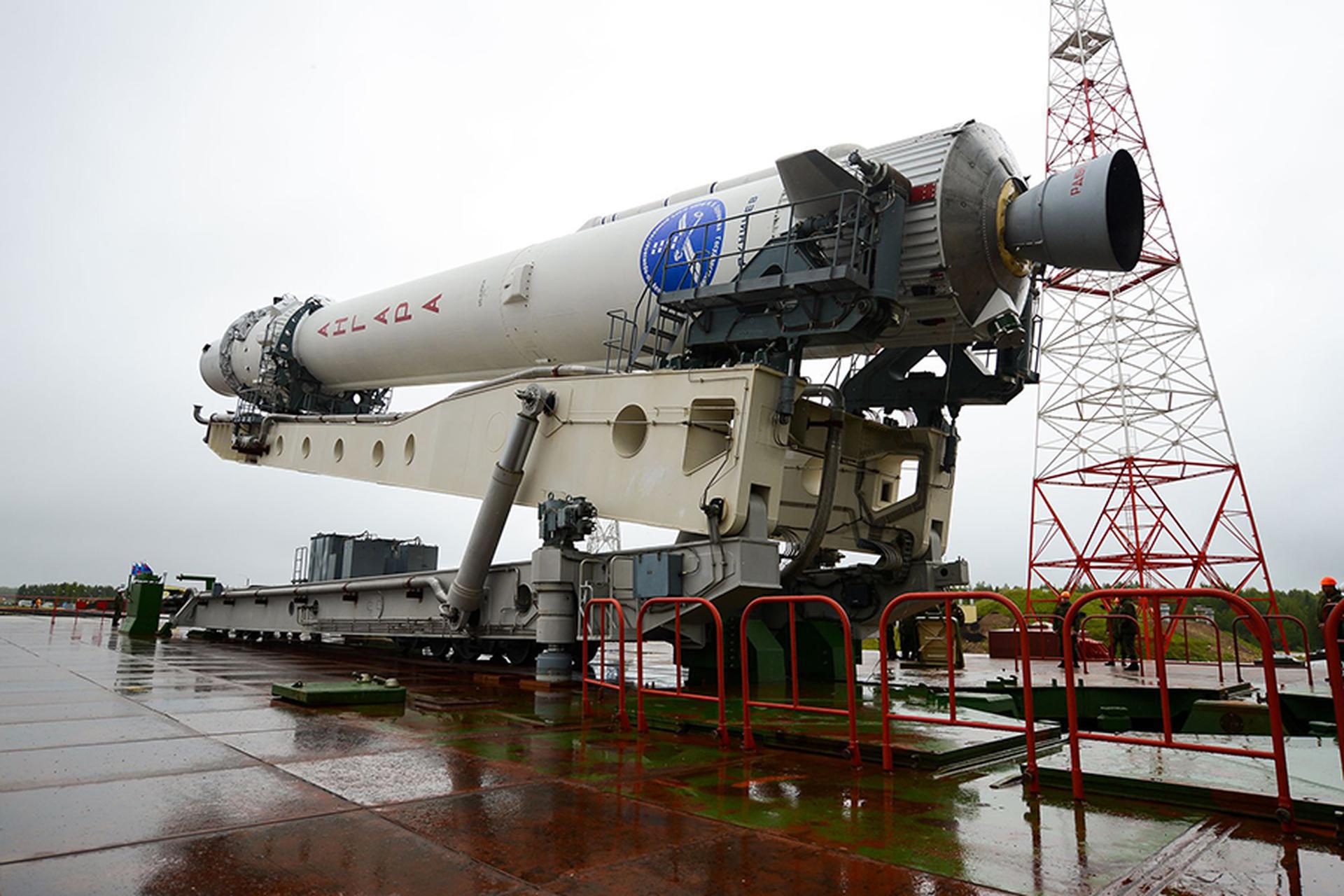
Today's highlights include SpaceX's record-breaking Falcon 9 launches, Dream Chaser's testing success, and Blue Origin's latest New Glenn achievements.

The Middle East's first commercial spaceport is building launch heritage one rocket at a time. How Oman is positioning Duqm as a global launch hub - and what the 2025 delays tell us about the real pace of spaceport development.
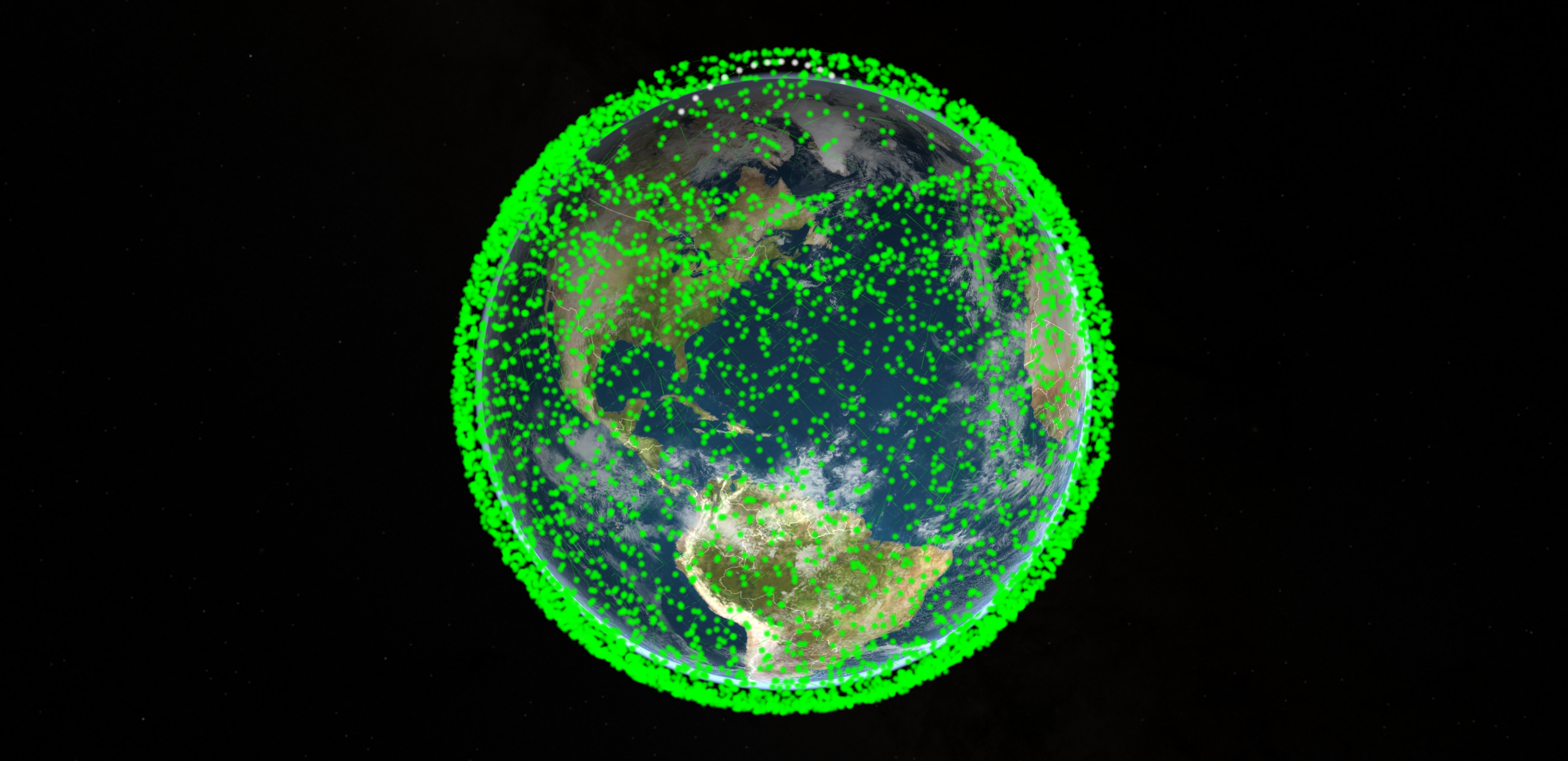
STARLINK-34343 broke apart at 560 kilometers. SpaceX's response - launch more satellites the next morning - tells you everything about the confidence gap between fleet statistics and individual failure modes.