COSMOS 758 DEB (08246)

COSPAR: N/A | Alt Name: deb Kosmos-758
DECAYED

Image
COSMOS 758 DEB Satellite Image
Additional Sources
Launch Details

Launch Date

September 5, 1975

Launch Site

PLMSC

Launch Pad

Unknown

Launch Vehicle

Unknown

Orbital Elements

NORAD ID

08246

International Designator

N/A

Decay Date

9/9/1975

Explore in the Catalog
Basic Satellite Info

Name

COSMOS 758 DEB

Alternative Name

deb Kosmos-758

Type

Debris

Status

Space Junk

Owner

GUKOSR

Country

USSR

Constellation

N/A

Related Satellites

Major Events

N/A

Summary
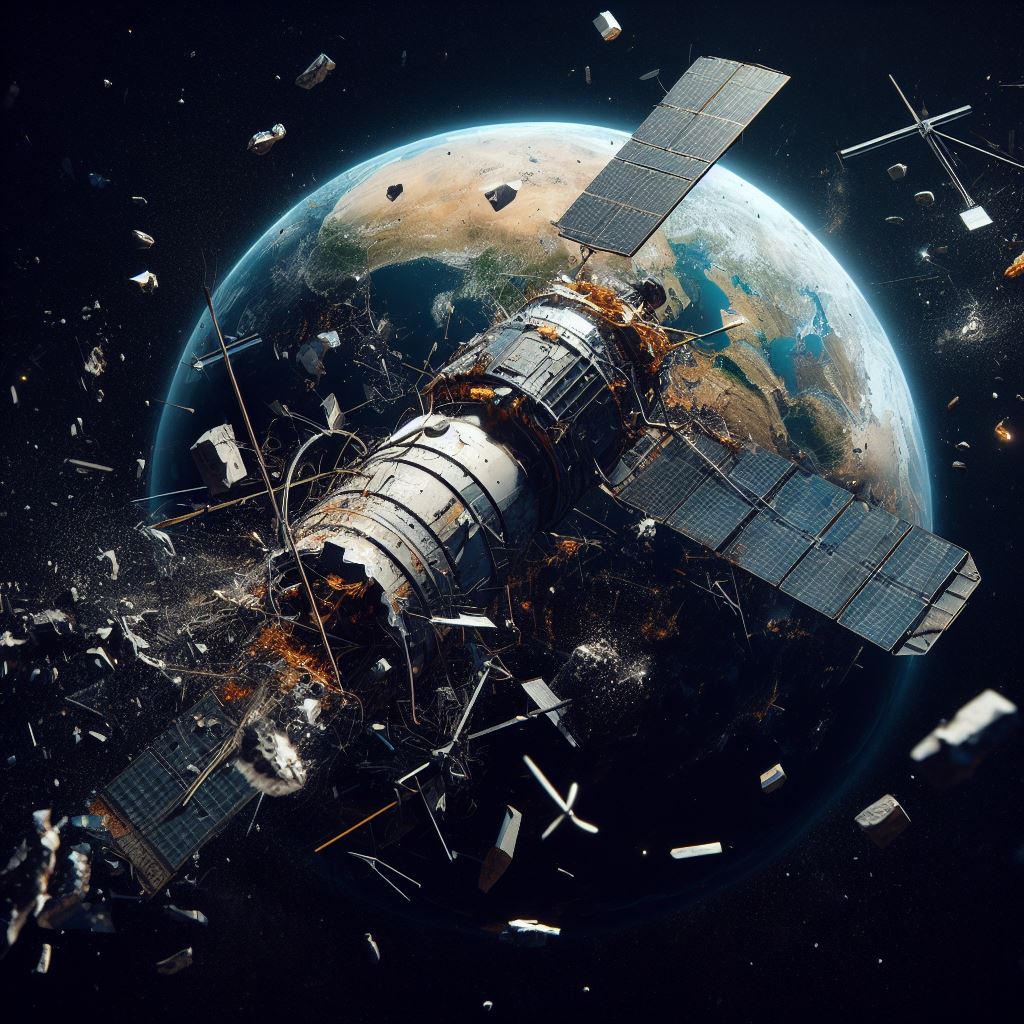
Space debris, also known as space junk, encompasses all non-functional objects orbiting Earth such as defunct satellites, spent rocket stages, and fragments from collisions or disintegrations. Over time, this debris can accumulate and create an increasingly hazardous environment in orbit. Even tiny fragments, traveling at extremely high velocities, can inflict significant damage on operational satellites and spacecraft. If left unmanaged, the density of debris raises the risk of catastrophic collisions and further fragmentation, compounding the problem and threatening the safety and sustainability of space activities.
Physical Characteristics

Length

0

Diameter

0

Span

0

Dry Mass

0

Launch Mass

0

Shape

N/A

Radar Cross Section

Unknown

Visual Magnitude

Unknown

Color

Unknown

Material Composition

Unknown

Technical Details

Payload

Unknown

Purpose

Unknown

Mission

Unknown

Manufacturer

Unknown

Life Expectancy

Unknown

Bus

Unknown

Configuration

Unknown

Motor

Unknown

Equipment

Unknown

Power System

Unknown

ADCS

Unknown

Transmitter Frequency

Unknown

Satellite Articles

View All Posts »

Learn more about satellites and other related topics.

Space Force Halts All Vulcan Missions Over Solid Booster Issue | KeepTrack Space Brief

Space Force Halts All Vulcan Missions Over Solid Booster Issue | KeepTrack Space Brief

Space Force suspends all Vulcan launches pending solid rocket booster investigation. Rocket Lab scrubs HASTE hypersonic vehicle launch. Military space funding hits record highs.

The Day Humanity First Touched an Asteroid

The Day Humanity First Touched an Asteroid

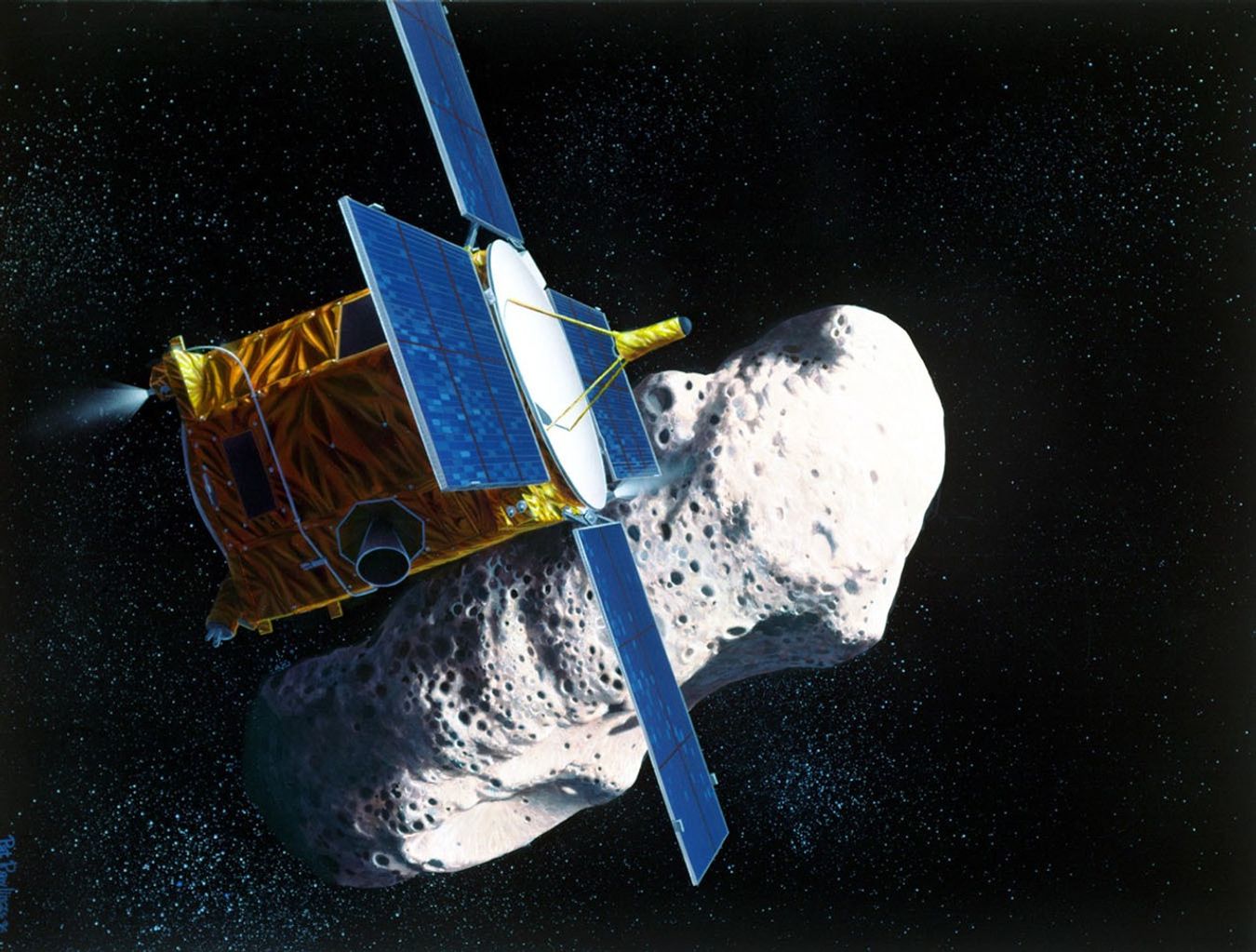
Twenty-four years ago, a spacecraft designed only to orbit made history with an improvised landing on asteroid Eros, marking humanitys first controlled touchdown on a small celestial body

Trump Seeks Starlink for Iran Internet, China Plans 200,000-Satellite Constellation | KeepTrack Space Brief

Trump Seeks Starlink for Iran Internet, China Plans 200,000-Satellite Constellation | KeepTrack Space Brief

Trump seeks Musk's help to restore internet in Iran via Starlink. China files for 200,000-satellite constellation. Sweden allocates $1.6B for air defense and $140M for space capabilities.

Space Force Activates Cyber Squadrons at Launch Sites | KeepTrack Space Brief

Space Force Activates Cyber Squadrons at Launch Sites | KeepTrack Space Brief

Space Force stands up 2 cyber defense squadrons at Cape Canaveral and Vandenberg to protect launch operations against adversary interference targeting pad networks and telemetry systems.

Space Brief 13 Dec 2025

Space Brief 13 Dec 2025

Today's briefing covers a new naming system by Space Force, China's space advances, drone defense at Cape Canaveral, and more military updates impacting space operations.

New Glenn Achieves First Booster Reuse on Mission 3 | KeepTrack Space Brief

New Glenn Achieves First Booster Reuse on Mission 3 | KeepTrack Space Brief

Blue Origin's New Glenn successfully reused its first stage booster for the first time on Mission 3, launching April 19. Booster reuse accelerates operational tempo.

NASA Tests Artemis 2 Fueling, Saudi Unveils DebriSolver Winners | KeepTrack Space Brief

NASA Tests Artemis 2 Fueling, Saudi Unveils DebriSolver Winners | KeepTrack Space Brief

NASA conducts critical Artemis 2 rocket fueling test. Saudi Space Agency announces global DebriSolver competition winners. SpaceX and Bezos push orbital data center plans.

Artemis II

Artemis II

Four astronauts, a patched-together heat shield, and a $50 billion question: whether NASA can still send humans beyond low Earth orbit. Tomorrow, we find out.