

X Report 8 Dec 2024
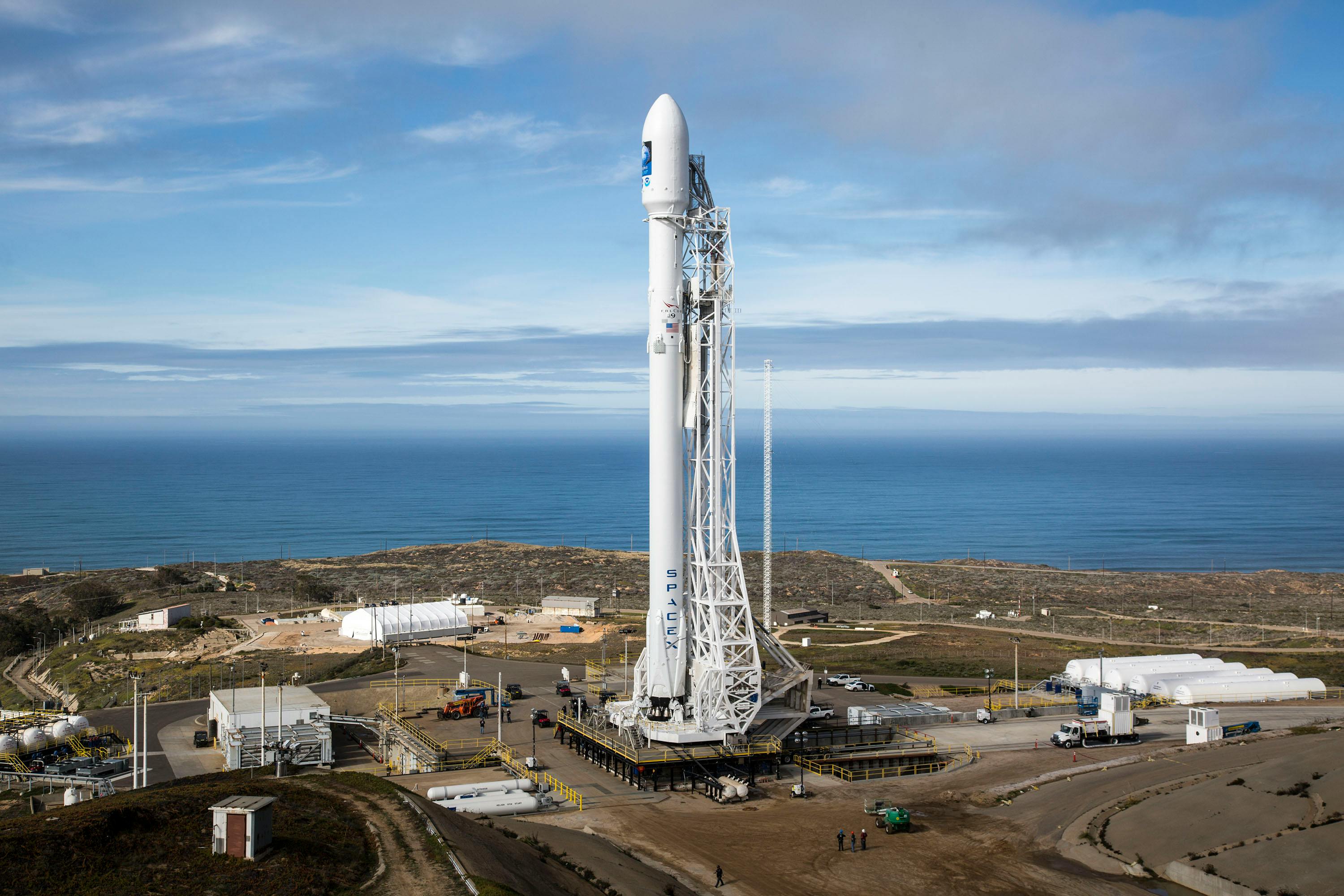
SpaceX successfully launched 23 Starlink satellites, enhancing Direct to Cell capabilities from Florida's Space Coast.



Launch Date
June 25, 1975
Launch Site
PLMSC
Launch Pad
LC43/3
Launch Vehicle
Voskhod 11A57
NORAD ID
07989
International Designator
1975-059D
Decay Date
6/26/1975
Name
SL-4 DEB
Alternative Name
Sensor cover
Type
Status
Owner
GUKOSR
Country
USSR
Constellation
N/A
Related Satellites
Major Events
N/A
Length
0
Diameter
0
Span
0
Dry Mass
0
Launch Mass
0
Shape
N/A
Radar Cross Section
Unknown
Visual Magnitude
Unknown
Color
Unknown
Material Composition
Unknown
Payload
Zenit-4MK sensor cover
Purpose
Unknown
Mission
Unknown
Manufacturer
TSSKB
Life Expectancy
Unknown
Bus
Zenit deb
Configuration
Unknown
Motor
Unknown
Equipment
Unknown
Power System
Unknown
ADCS
Unknown
Transmitter Frequency
Unknown
Learn more about satellites and other related topics.
SpaceX successfully launched 23 Starlink satellites, enhancing Direct to Cell capabilities from Florida's Space Coast.
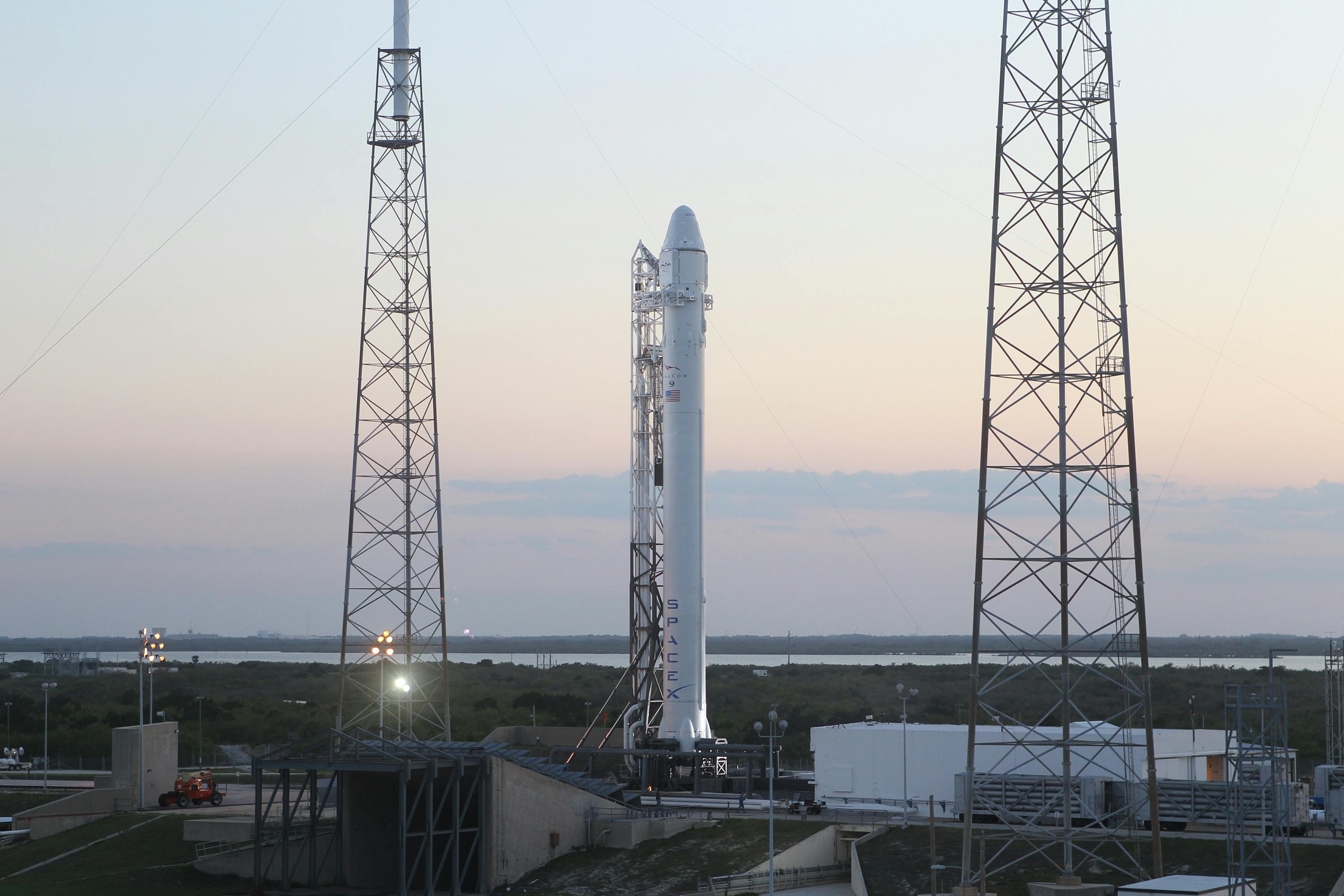
SpaceX successfully launches NASA missions, prepares for Crew-10 flight, and overcomes Falcon 9 launch anomalies.

Today's space brief highlights the U.S. Space Force's new satellite naming scheme, the Air Force Secretary's warnings on China's space advances, BAE Systems' DARPA award, strategies for future space defense, the importance of GEO satellite refueling, and Blue Origin's plans for Space Force certification.

Today's briefing covers key developments in defense budgets reshaping the space sector, significant Space Force contracts, and the latest news from the Chinese space station.
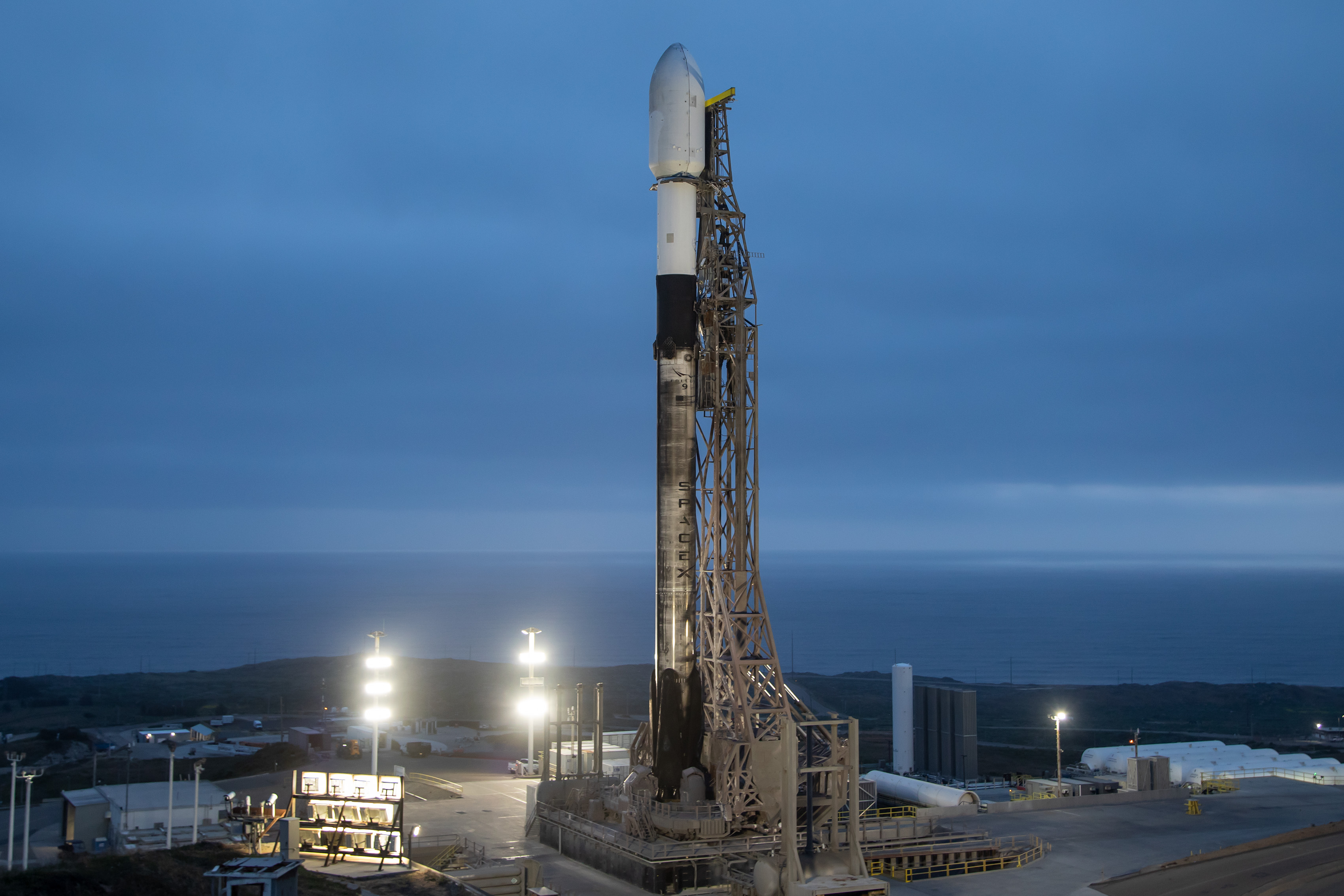
Firefly Aerospace launches return-to-flight Firefly Alpha on March 10 after Flight 6 anomaly. SpaceX also launches EchoStar 25 GEO satellite and multiple Starlink batches this week.

SpaceX launches diabetes research mission to ISS; EU considers SES for Starlink support; Amazon's Kuiper enters satellite race.

Intel joins Terafab, Elon Musk's Austin AI chip complex, to supply SpaceX and Tesla as Falcon 9 prepares a Cygnus ISS run.
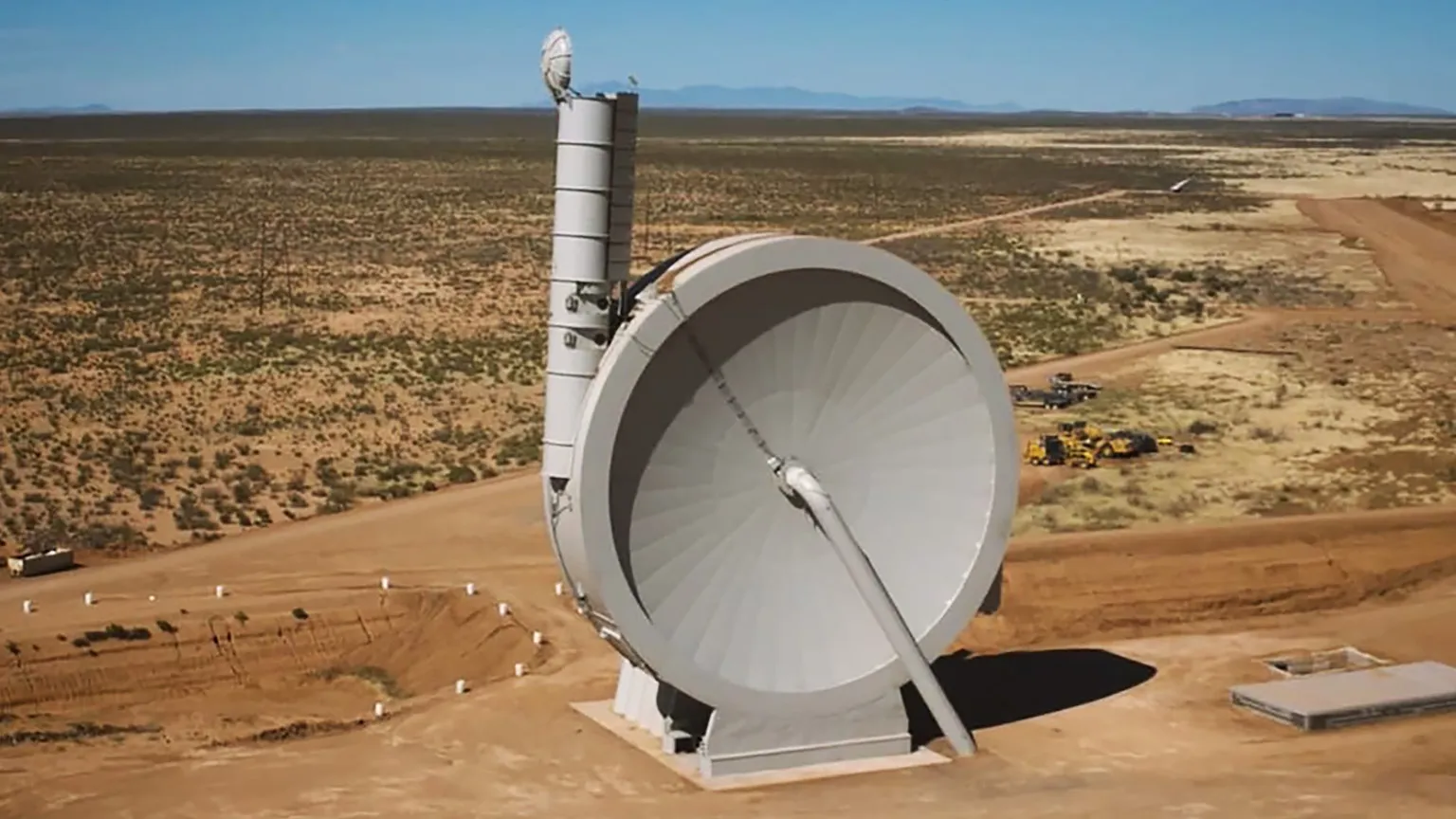
How a California startup's massive centrifuge could transform space access by eliminating rocket fuel, reducing costs by 70%, and enabling daily satellite launches - if it can overcome the physics of scaling from suborbital tests to orbital reality