

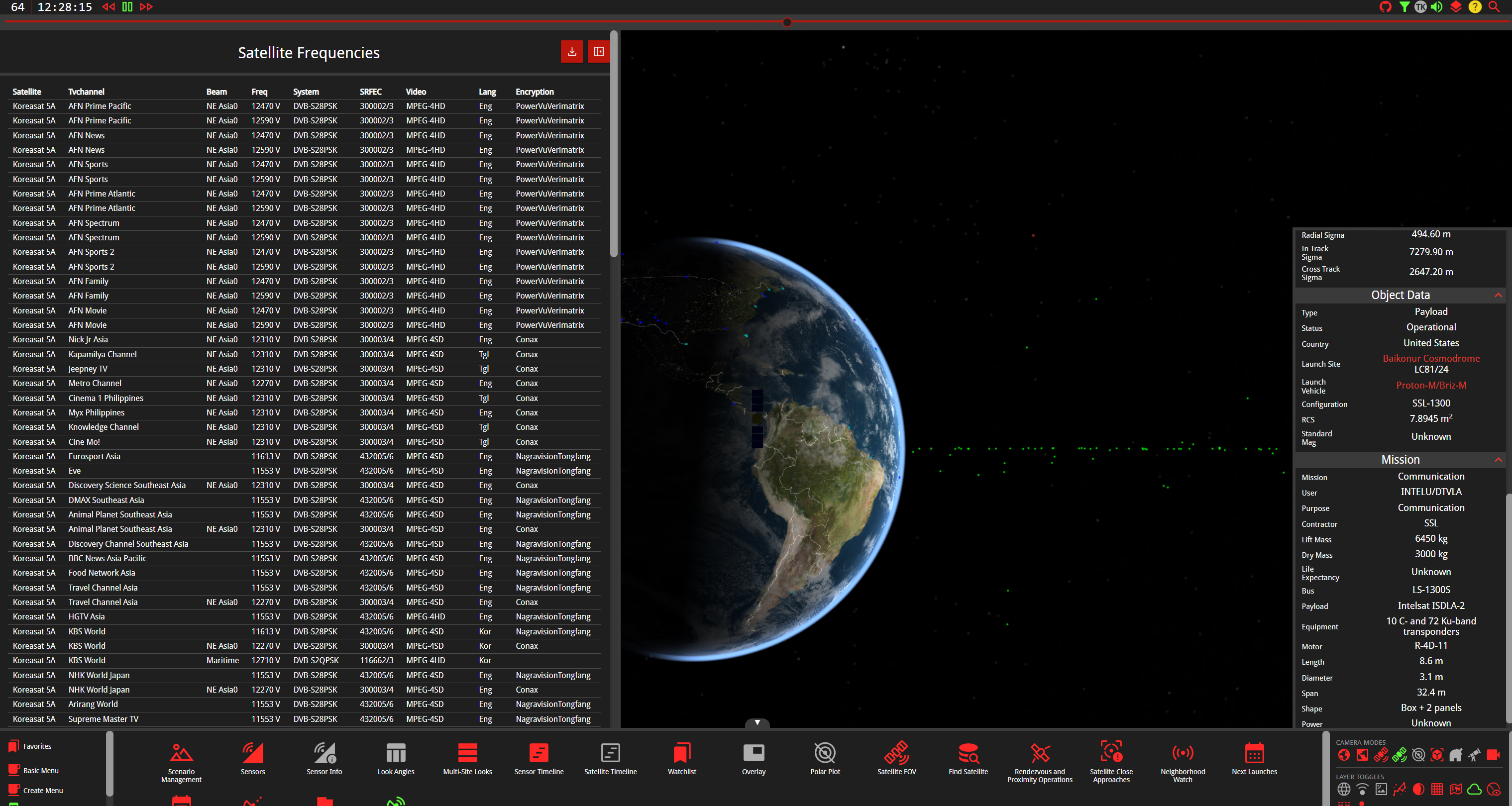
C-Band
The workhorse frequency band that quietly powers satellite communications, weather radar, and Wi-Fi around the world


Launch Date
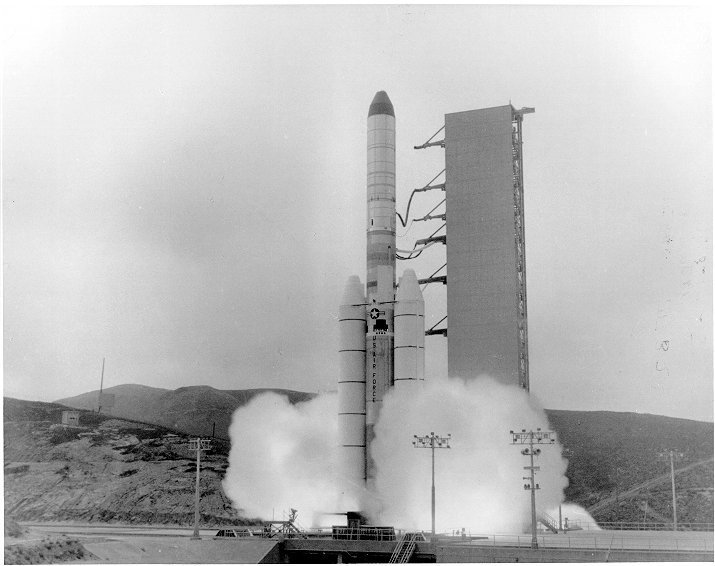
June 8, 1975
Launch Site
AFWTR
Launch Pad
SLC4E
Launch Vehicle
Titan IIID
NORAD ID
07918
International Designator
1975-051A
Decay Date
11/5/1975
Name
OPS 6381
Alternative Name
OPS 6381
Type
Status
Owner
NRO/SAFSP
Country
United States
Constellation
N/A
Related Satellites
Major Events
N/A
Apologies, there is no summary for this satellite yet. I am working to generate these for every object in the catalog, but it is going to take time.
Length
15.8
Diameter
3
Span
15.8
Dry Mass
6099
Launch Mass
7624
Shape
Cyl + 2 Pan
Radar Cross Section
Unknown
Visual Magnitude
Unknown
Color
Unknown
Material Composition
Unknown
Payload
HEXAGON SV-10
Purpose
Unknown
Mission
Unknown
Manufacturer
LMSC
Life Expectancy
Unknown
Bus
KH-9
Configuration
Unknown
Motor
Unknown
Equipment
Unknown
Power System
Unknown
ADCS
Unknown
Transmitter Frequency
Unknown
Learn more about satellites and other related topics.
The workhorse frequency band that quietly powers satellite communications, weather radar, and Wi-Fi around the world

Today's Space Brief covers China's Haiyang-4 satellite launch, Intuitive Machines' Artemis infrastructure proposals, deployment of the GREMLIN sensor suite, and more.

SpaceX wraps up 2024 with successful Starlink and Astranis launches, while reflecting on a monumental year for the Starship program.

Blue Origin lost New Glenn during static fire testing at Launch Complex 36. Vehicle sustained serious damage in anomaly. NASA Artemis timeline impacts possible.

Pentagon puts LEO constellation layers on hold during acquisition review. SpaceX and xAI join $100M autonomous drone contest. China's Zenk Space completes first stage static fire.
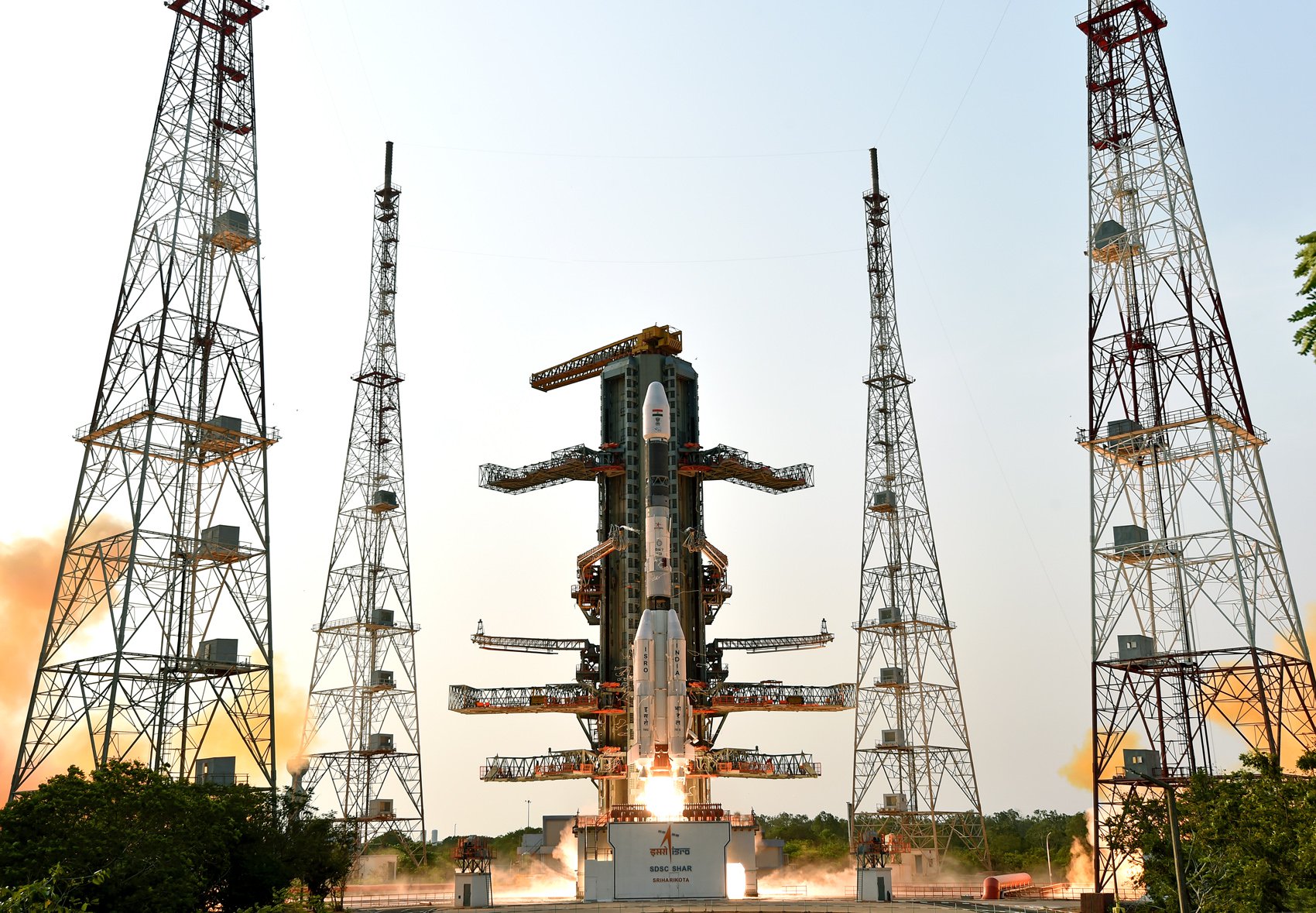
Today's highlights include China's remote-sensing satellite launch, U.S. Space Force's investment in missile-tracking satellites, and NASA's MAVEN milestone on Mars.

Key developments in the space sector include new partnerships for satellite surveillance, strategic shifts from the Defense Department impacting weather forecasting, and the Space Force's focus on agile satellite technologies.
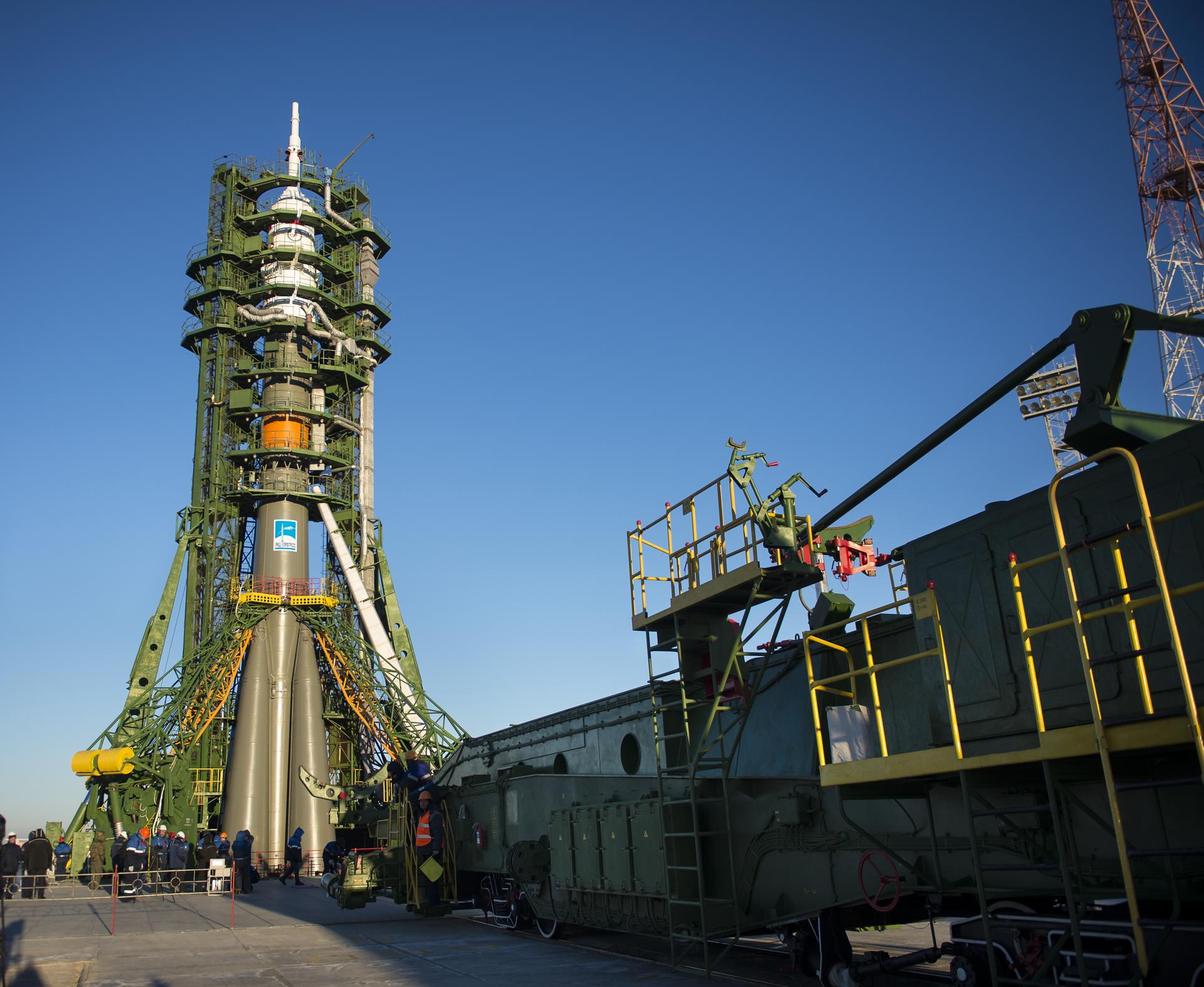
Iran calls Kowsar 1.5 a private-sector farming satellite. Its 3.45-meter camera, its sun-synchronous orbit, and the Russian rocket that carried it point somewhere else entirely.