

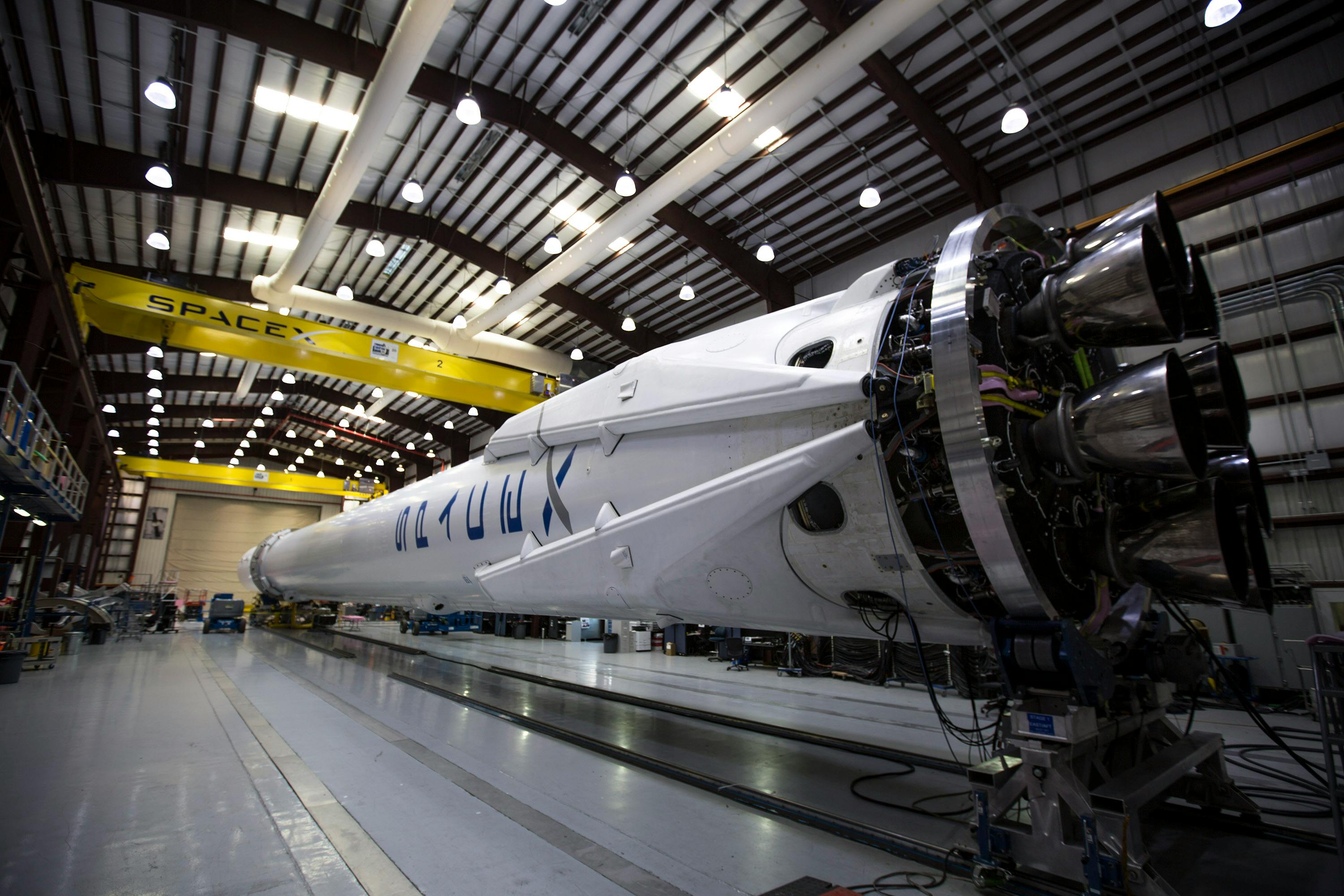
X Report 13 Aug 2025
SpaceX continues to innovate as it nears peak Falcon 9 launch rates while refining technologies pivotal for future Mars missions.



Launch Date
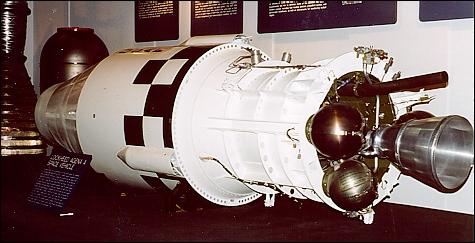
May 21, 1975
Launch Site
Launch Pad
LC31
Launch Vehicle
Voskhod 11A57
NORAD ID
07812
International Designator
1975-041C
Decay Date
5/24/1975
Name
SL-4 DEB
Alternative Name
Sensor cover
Type
Status
Owner
GUKOSR
Country
USSR
Constellation
N/A
Related Satellites
Major Events
N/A
Length
0
Diameter
0
Span
0
Dry Mass
0
Launch Mass
0
Shape
N/A
Radar Cross Section
Unknown
Visual Magnitude
Unknown
Color
Unknown
Material Composition
Unknown
Payload
Zenit-2M sensor cover
Purpose
Unknown
Mission
Unknown
Manufacturer
TSSKB
Life Expectancy
Unknown
Bus
Zenit deb
Configuration
Unknown
Motor
Unknown
Equipment
Unknown
Power System
Unknown
ADCS
Unknown
Transmitter Frequency
Unknown
Learn more about satellites and other related topics.
SpaceX continues to innovate as it nears peak Falcon 9 launch rates while refining technologies pivotal for future Mars missions.

FCC approves 7,500 additional Starlink Gen2 satellites. Space Force awards SpaceX $739M for nine national security launches. NASA plans Crew-11 medical evacuation from ISS on January 14.
Sixty-six years ago, a Thor-Agena rocket thundered into the California sky carrying Discoverer 1, the first satellite attempt at polar orbit and the secret vanguard of Americas space reconnaissance program

Hanwha Systems in talks with MDA Space and Telesat for South Korean defense satellite constellation. SpaceX preps GPS satellite launch for Space Force. Seismic networks now track space junk reentry.

SpaceX scrubbed Starship Flight 12's V3 debut due to a hydraulic pin fault, then filed an $18.7B IPO S-1 targeting Nasdaq under ticker SPCX.

SpaceX files FCC plans for a million-satellite orbital data center constellation. Crew-12 launch timing depends on Artemis 2 mission. Cold weather delays launch window.
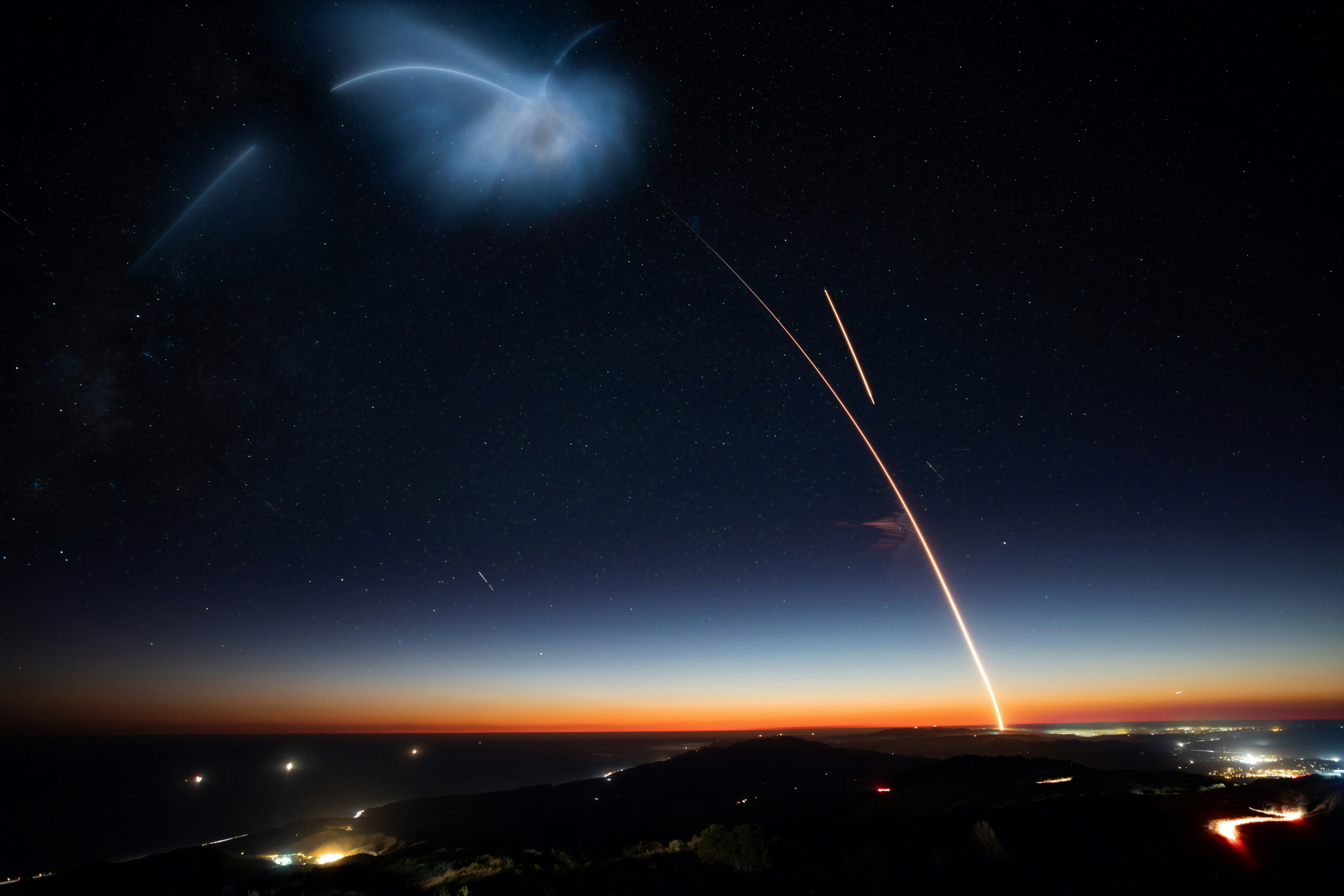
SpaceX ignited all 6 Starship engines for a full minute at Starbase, while a Falcon 9 added 24 more Starlinks from Vandenberg on July 1.
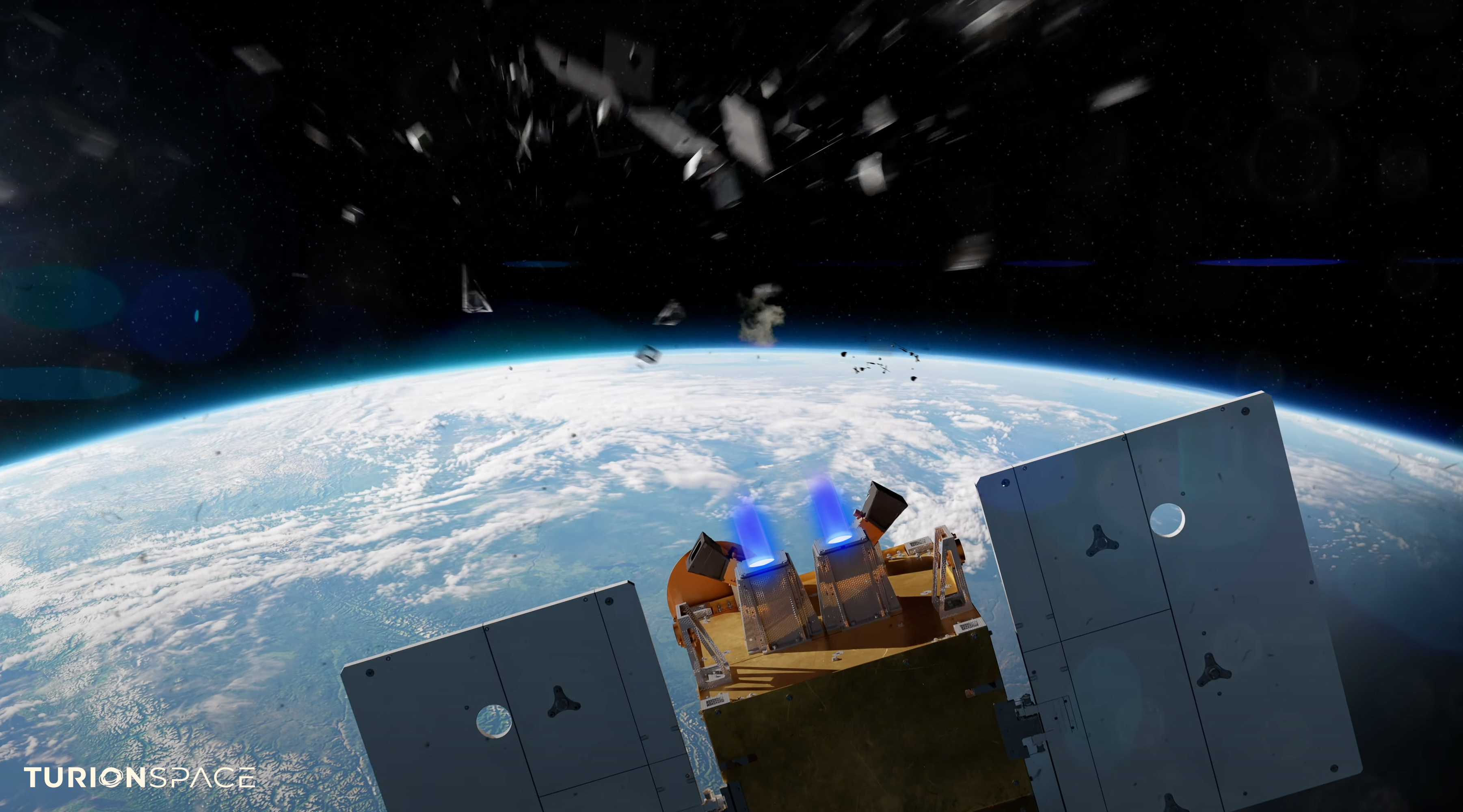
A 90-kilogram spacecraft with iodine thrusters and two Australian-built cameras is quietly building the case that tracking space debris is a business worth billions - and that a four-year-old startup from Irvine can own it.