SL-4 DEB (07620)

COSPAR: 1975-005D | Alt Name: Sensor cover
DECAYED

Image
SL-4 DEB Satellite Image
Additional Sources
Launch Details

Launch Date

January 23, 1975

Launch Site

PLMSC

Launch Pad

LC41/1

Launch Vehicle

Voskhod 11A57

Orbital Elements

NORAD ID

07620

International Designator

1975-005D

Decay Date

1/26/1975

Basic Satellite Info

Name

SL-4 DEB

Alternative Name

Sensor cover

Type

Debris

Status

Space Junk

Owner

GUKOSR

Country

USSR

Constellation

N/A

Related Satellites

Major Events

N/A

Summary
Space debris, also known as space junk, encompasses all non-functional objects orbiting Earth such as defunct satellites, spent rocket stages, and fragments from collisions or disintegrations. Over time, this debris can accumulate and create an increasingly hazardous environment in orbit. Even tiny fragments, traveling at extremely high velocities, can inflict significant damage on operational satellites and spacecraft. If left unmanaged, the density of debris raises the risk of catastrophic collisions and further fragmentation, compounding the problem and threatening the safety and sustainability of space activities.
Physical Characteristics

Length

0

Diameter

0

Span

0

Dry Mass

0

Launch Mass

0

Shape

N/A

Radar Cross Section

Unknown

Visual Magnitude

Unknown

Color

Unknown

Material Composition

Unknown

Technical Details

Payload

Zenit-4MK sensor cover

Purpose

Unknown

Mission

Unknown

Manufacturer

TSSKB

Life Expectancy

Unknown

Bus

Zenit deb

Configuration

Unknown

Motor

Unknown

Equipment

Unknown

Power System

Unknown

ADCS

Unknown

Transmitter Frequency

Unknown

Satellite Articles

View All Posts »

Learn more about satellites and other related topics.

The Day Two Satellites Hit Each Other at 26,000 MPH

The Day Two Satellites Hit Each Other at 26,000 MPH

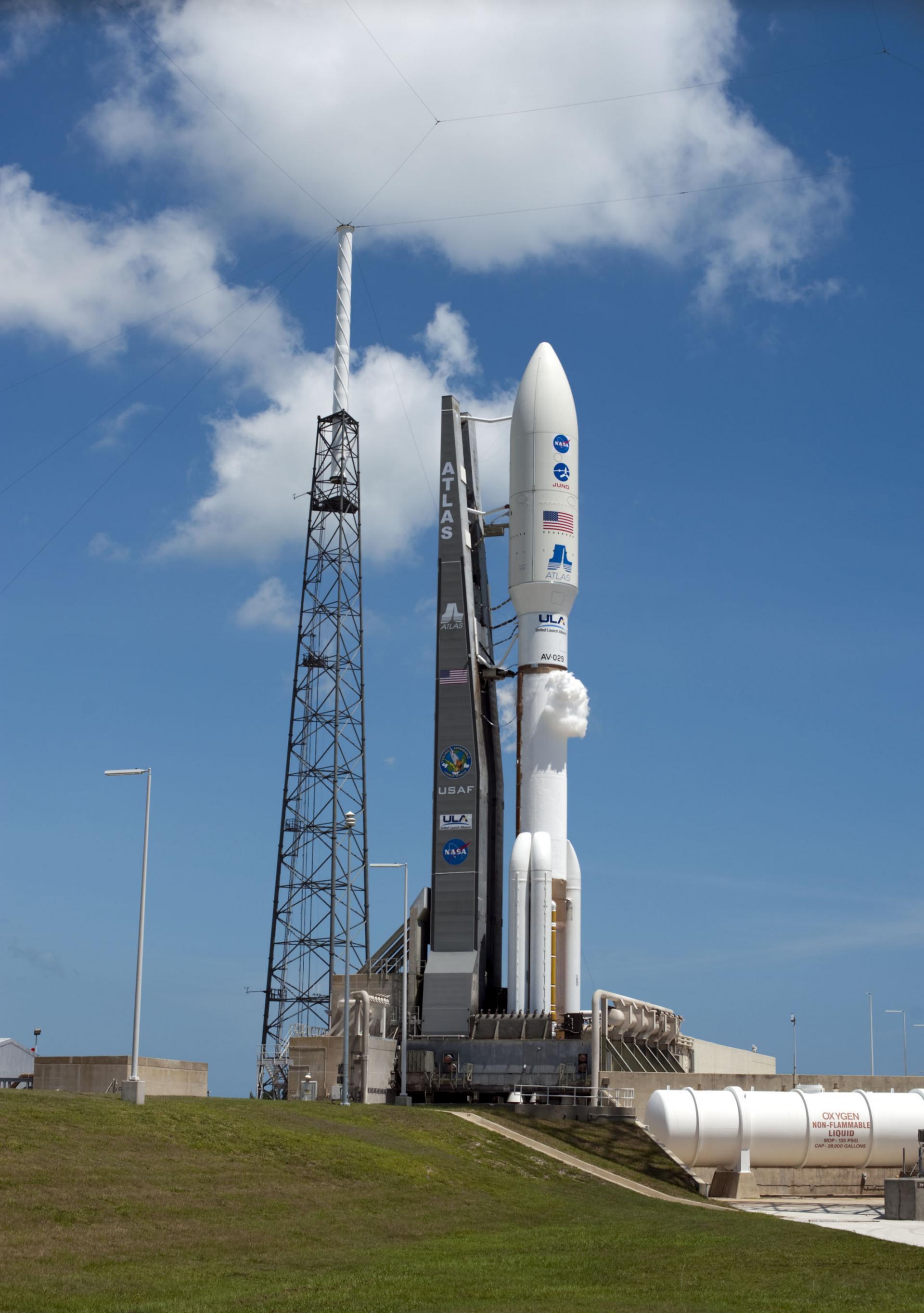
On February 10, 2009, an active Iridium communications satellite and a derelict Soviet military spacecraft slammed into each other 789 kilometers above Siberia. The collision produced more than 2,300 pieces of trackable debris that are still up there. Seventeen years later, the Iridium-Cosmos collision remains the event that made space debris a policy problem the world could no longer ignore.

Space Brief 21 Sep 2025

Space Brief 21 Sep 2025

Today's Space Brief covers a significant signals intelligence launch, a record-breaking satellite deployment in China, a glimpse into the newest stealth drone, a potential delay for NASA's lunar lander, and more exciting updates from satellite world.

Space Brief 22 Oct 2025

Space Brief 22 Oct 2025

Today's briefing covers space-based missile defense, AI maritime surveillance, and new governmental shifts impacting the defense sector.

Space Brief 24 Jan 2025

Space Brief 24 Jan 2025

Today's highlights include China's launch of classified TJS-14 satellite, Boeing's defense program losses, and the fourth batch launch of Thousand Sails satellites.

SpaceX Valued at $1.25T as IPO Signals Intensify | KeepTrack X Report

SpaceX Valued at $1.25T as IPO Signals Intensify | KeepTrack X Report

SpaceX hits a $1.25 trillion valuation as IPO speculation mounts, Starlink 17-17 lifts off from Vandenberg, and a quantum sensor rides to orbit.

The Satellites the Size of a Studio Apartment

The Satellites the Size of a Studio Apartment

AST SpaceMobile's BlueBird constellation is a bet that raw aperture size wins. Each satellite unfolds a 64-square-meter phased-array antenna in orbit, the largest commercial antenna ever deployed. The company claims a stock smartphone on the ground can connect directly to it. The competition says the physics doesn't support that. Seventeen satellites in and a contract with AT&T, Verizon, and Vodafone, somebody's math is wrong.

NASA Pressures Blue Origin on HLS After New Glenn Explosion | KeepTrack Space Brief

NASA Pressures Blue Origin on HLS After New Glenn Explosion | KeepTrack Space Brief

NASA demands Blue Origin find alternate launcher for Artemis moon landers after New Glenn test explosion damaged Cape Canaveral LC-36. Schedule risk to lunar missions.

Joe Engle and the Youngest Astronaut Wings Ever Earned

Joe Engle and the Youngest Astronaut Wings Ever Earned

On 29 June 1965, a young Air Force test pilot rode a rocket-powered airplane to 280,600 feet above the California desert. He landed ten minutes later as the youngest person ever to earn astronaut wings.