COSMOS 675 (07424)

COSPAR: 1974-069A | Alt Name: Kosmos-675

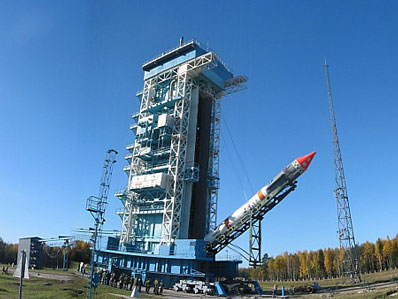
Image
COSMOS 675 Satellite Image
Additional Sources
Launch Details

Launch Date

August 29, 1974

Launch Site

PLMSC

Launch Pad

LC132/2

Launch Vehicle

Kosmos 11K65M

Orbital Elements

NORAD ID

07424

International Designator

1974-069A

Epoch

Sun, 19 Jul 2026 15:52:08 GMT

Apogee

Calculating...

Perigee

Calculating...

Inclination

74.06°

Right Ascension

179.75°

Eccentricity

Calculating...

Argument of Perigee

256.62°

Period

113.64 min

Mean Motion

12.67 rev/day

Latitude

Calculating...

Longitude

Calculating...

Altitude

Calculating...

Velocity

Calculating...

Polar Plot
3D Visualization
Basic Satellite Info

Name

COSMOS 675

Alternative Name

Kosmos-675

Type

Payload

Status

Unknown

Owner

VTS

Country

USSR

Constellation

N/A

Related Satellites

Major Events

N/A

Latest TLEs
1 07424U 74069A   26200.66121375 -.00000017  00000+0  18774-6 0  9995
2 07424  74.0568 179.7474 0038928 256.6238 278.6316 12.67186869400304

Source: Celestrak

Summary

Apologies, there is no summary for this satellite yet. I am working to generate these for every object in the catalog, but it is going to take time.

Physical Characteristics

Length

3

Diameter

2

Span

17

Dry Mass

800

Launch Mass

800

Shape

Cyl + Ant

Radar Cross Section

2.667

Visual Magnitude

Unknown

Color

Unknown

Material Composition

Unknown

Technical Details

Payload

Geoid No. 23L

Purpose

Geodesy

Mission

Geodesy

Manufacturer

OKB10

Life Expectancy

Unknown

Bus

KAUR-1 11F621

Configuration

KAUR-1

Motor

Unknown

Equipment

Unknown

Power System

Solar cells, batteries

ADCS

Unknown

Transmitter Frequency

Unknown

Map
This tool will help you track the satellite's position and predict its upcoming passes over your location. Simply input the coordinates or click the geolocation button to get started.
Next Pass
Azimuth Elevation Time (Local)
Start Azimuth
Max Elevation
Stop Azimuth
Time Until
Pass Duration

Satellite Articles

View All Posts »

Learn more about satellites and other related topics.

NASA Announces First-Ever ISS Medical Evacuation via SpaceX Crew Dragon | KeepTrack X Report

NASA Announces First-Ever ISS Medical Evacuation via SpaceX Crew Dragon | KeepTrack X Report

NASA plans first-ever medical evacuation from ISS using SpaceX Crew Dragon for Crew-11 astronaut. Starlink 6-96 mission scrubbed and rescheduled. Starbase Pad 1 tower and launch mount under review.

Artemis II

Artemis II

Four astronauts, a patched-together heat shield, and a $50 billion question: whether NASA can still send humans beyond low Earth orbit. Tomorrow, we find out.

Space Brief 21 Jan 2025

Space Brief 21 Jan 2025

Today's Space Brief highlights a SpaceX launch of Starlink satellites, international efforts to tackle space debris, and innovative lunar power solutions from China.

Space Brief 17 Apr 2025

Space Brief 17 Apr 2025

Today's brief covers the redeployment of decommissioned missile technologies to orbital duties, Germany's plans for a sovereign communications network, and fresh developments in hypersonic testing through Rocket Lab.

Space Force Gets $26B in Defense Bill, Golden Dome Initiative Funded | KeepTrack Space Brief

Space Force Gets $26B in Defense Bill, Golden Dome Initiative Funded | KeepTrack Space Brief

Space Force allocated $26B in 2026 defense appropriations backing Golden Dome initiative. FY26 defense bill adds $8B but sidelines $28B munitions request. First Qatari-Emirati joint defense venture formed.

Orion Crew Returns After Historic Lunar Mission | KeepTrack Space Brief

Orion Crew Returns After Historic Lunar Mission | KeepTrack Space Brief

Artemis 2's four-person crew splashed down April 10 after first crewed lunar flyby since Apollo 17. Orion performance data critical for Artemis 3 south pole landing planning.

SpaceX Hits 50 Launches, Falcon Heavy Scrub, X Report 28 Apr 2026

SpaceX Hits 50 Launches, Falcon Heavy Scrub, X Report 28 Apr 2026

SpaceX hit 50 launches in 2026 on April 26. Falcon Heavy's ViaSat-3 mission, only its 12th flight, scrubbed on weather at Kennedy; new date pending.

The Bomb That NASA Built by Accident

The Bomb That NASA Built by Accident

An overlooked thermostat, eight hours of overheating on a Florida launch pad, and 200,000 miles of coasting through deep space. Then Oxygen Tank No. 2 tore itself apart, and three men had to figure out how to come home alive in a spacecraft designed to land on the Moon.