


X Report 22 Jul 2025
Critical updates from SpaceX include a scrubbed satellite launch and a busy launch schedule for the week, featuring multiple Falcon 9 missions.



Launch Date
May 17, 1974
Launch Site
Launch Pad
LC90/19
Launch Vehicle
Tsiklon-2
NORAD ID
07398
International Designator
1974-032E
Decay Date
8/30/1974
Name
COSMOS 654 DEB
Alternative Name
deb Kosmos-654
Type
Status
Owner
VMF
Country
USSR
Constellation
N/A
Related Satellites
Major Events
N/A
Length
0
Diameter
0
Span
0
Dry Mass
0
Launch Mass
0
Shape
N/A
Radar Cross Section
Unknown
Visual Magnitude
Unknown
Color
Unknown
Material Composition
Unknown
Payload
Unknown
Purpose
Unknown
Mission
Unknown
Manufacturer
Unknown
Life Expectancy
Unknown
Bus
Unknown
Configuration
Unknown
Motor
Unknown
Equipment
Unknown
Power System
Unknown
ADCS
Unknown
Transmitter Frequency
Unknown
Learn more about satellites and other related topics.
Critical updates from SpaceX include a scrubbed satellite launch and a busy launch schedule for the week, featuring multiple Falcon 9 missions.

Key space events for today include potential changes in US space policy involving SpaceX, uncertainties regarding NASA's Starliner, and China's new steps in asteroid exploration.

Latest updates include China's Lijian-1 launching 15 satellites, a fiery Starlink reentry, SpaceX's milestone Falcon 9 booster landing, and China's support for its commercial space sector.
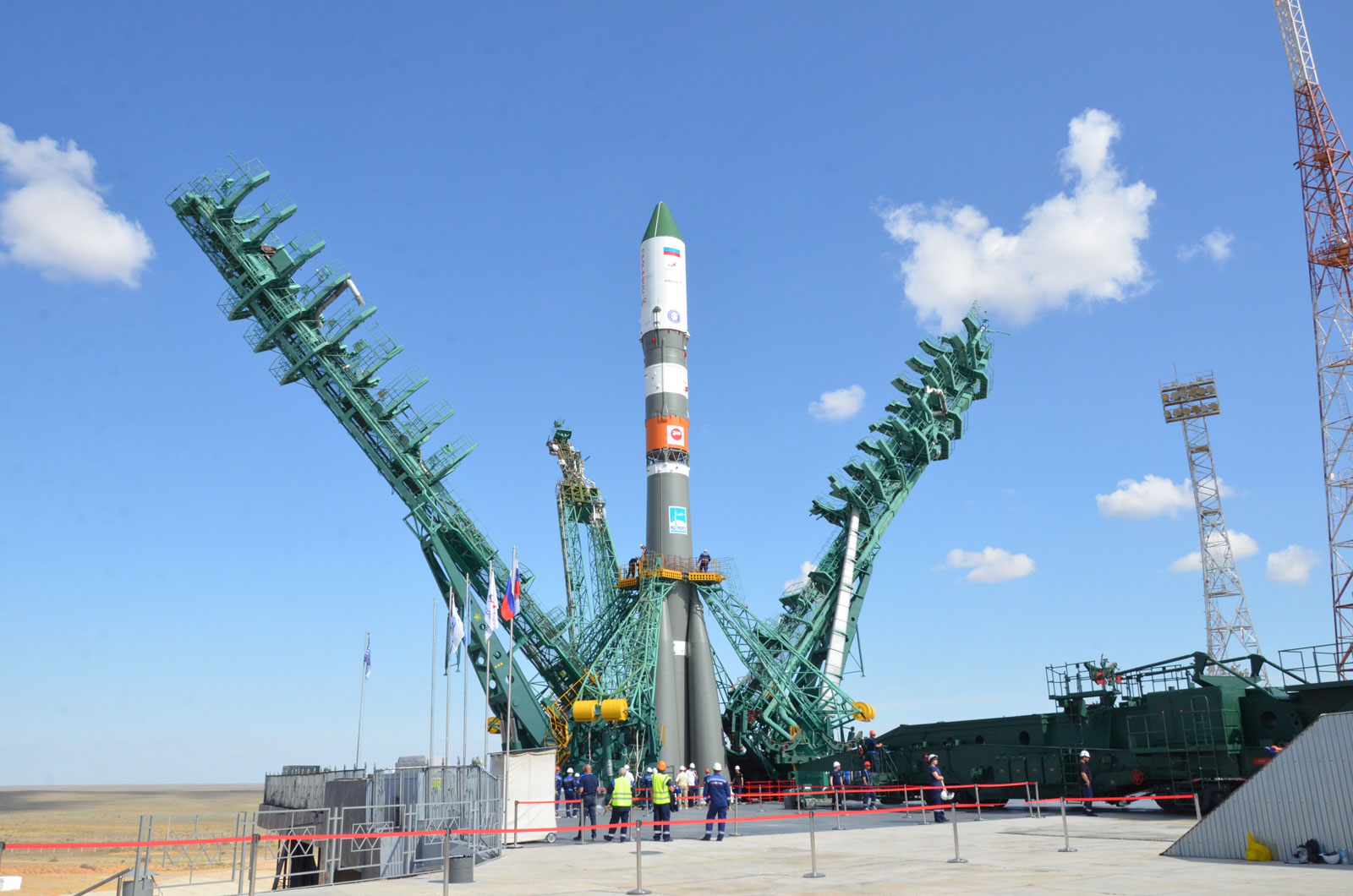
Today's brief covers potential shifts in Space Force's strategy, new milestones in military satellite programs, and advancements in ground systems for missile defense. We'll also highlight Rocket Lab's latest contract win and critical design reviews in drone technology.

SpaceX preps for Starship Flight 6 while Shotwell predicts Starship's future impact. Impulse Space secures Falcon 9 launches, and potential shifts in US space policy loom.

GPS III SV10 launched April 21 on a SpaceX Falcon 9 with 3x better accuracy and 8x anti-jamming. Starlink stands at 10,263 working satellites.

SpaceX launched three Block 2 BlueBird satellites for AST SpaceMobile from Cape Canaveral. Block 2 variants are larger with enhanced capacity compared to Block 1 units already in orbit.

How a controversial telescope network has become a significant player in tracking the increasingly crowded orbital environment, raising important questions about transparency, dual-use technologies, and the future of space situational awareness.