WESTAR 1 (07250)

COSPAR: 1974-022A | Alt Name: Westar 1

Image
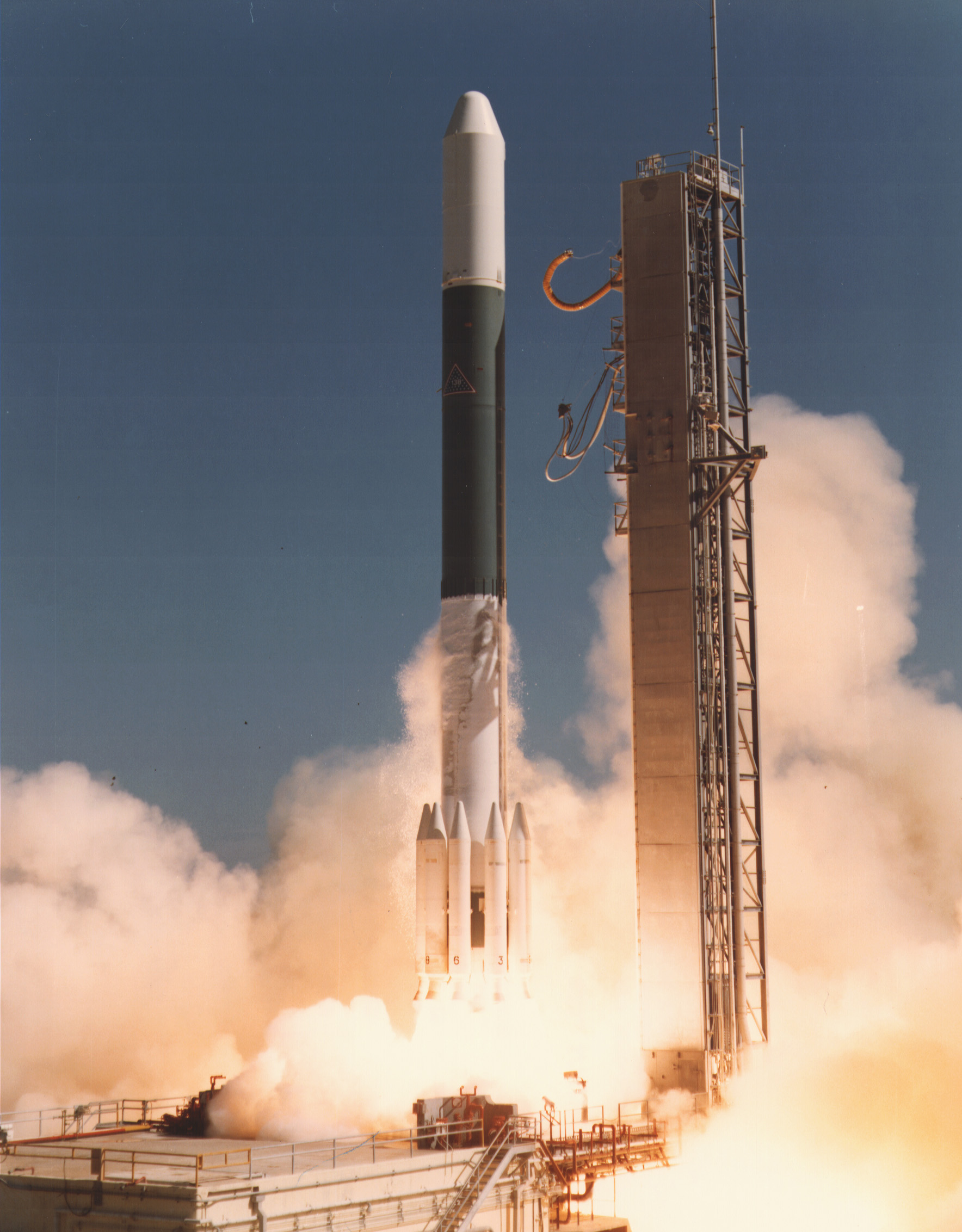
WESTAR 1 Satellite Image
Additional Sources
Launch Details

Launch Date

April 13, 1974

Launch Pad

LC17B

Launch Vehicle

Delta 2914

Orbital Elements

NORAD ID

07250

International Designator

1974-022A

Epoch

Mon, 20 Jul 2026 04:17:55 GMT

Apogee

Calculating...

Perigee

Calculating...

Inclination

7.03°

Right Ascension

297.74°

Eccentricity

Calculating...

Argument of Perigee

51.40°

Period

1441.46 min

Mean Motion

1.00 rev/day

Latitude

Calculating...

Longitude

Calculating...

Altitude

Calculating...

Velocity

Calculating...

Polar Plot
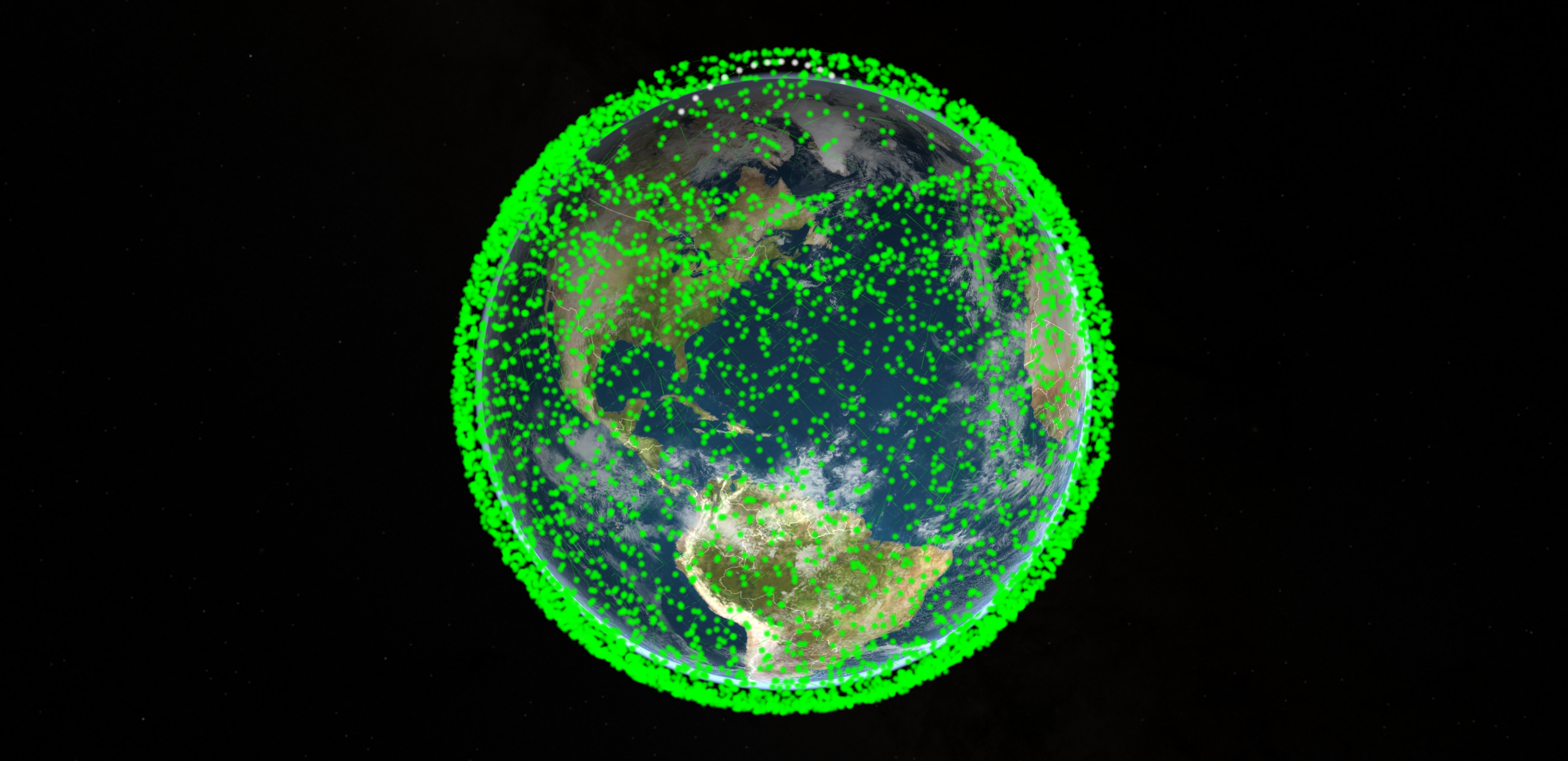
3D Visualization
Basic Satellite Info

Name

WESTAR 1

Alternative Name

Westar 1

Type

Payload

Status

Unknown

Owner

WUTC

Country

United States

Constellation

N/A

Related Satellites

Major Events

N/A

Latest TLEs
1 07250U 74022A   26201.17911301 -.00000270  00000+0  00000+0 0  9991
2 07250   7.0335 297.7445 0003852  51.3990 315.1814 00.99898385122666

Source: Celestrak

Summary

Apologies, there is no summary for this satellite yet. I am working to generate these for every object in the catalog, but it is going to take time.

Physical Characteristics

Length

1.6

Diameter

1.9

Span

3.5

Dry Mass

220

Launch Mass

284

Shape

Cyl + Dish

Radar Cross Section

3.1622

Visual Magnitude

Unknown

Color

Unknown

Material Composition

Unknown

Technical Details

Payload

Westar 1

Purpose

Communication

Mission

Communication

Manufacturer

HSES

Life Expectancy

7 years

Bus

HS-333

Configuration

HS-333AS

Motor

FW5

Equipment

12 C-band transponders

Power System

Solar cells (body mounted), batteries

ADCS

Unknown

Transmitter Frequency

Unknown

Map
This tool will help you track the satellite's position and predict its upcoming passes over your location. Simply input the coordinates or click the geolocation button to get started.
Next Pass
Azimuth Elevation Time (Local)
Start Azimuth
Max Elevation
Stop Azimuth
Time Until
Pass Duration

Satellite Articles

View All Posts »

Learn more about satellites and other related topics.

Starlink-34343 | The Second Fragmentation Event in Three Months

Starlink-34343 | The Second Fragmentation Event in Three Months

STARLINK-34343 broke apart at 560 kilometers. SpaceX's response - launch more satellites the next morning - tells you everything about the confidence gap between fleet statistics and individual failure modes.

Space Beyond Books SpaceX Rideshare for Memorial Cubesat Mission | KeepTrack X Report

Space Beyond Books SpaceX Rideshare for Memorial Cubesat Mission | KeepTrack X Report

Space Beyond secures SpaceX rideshare launch slot for October 2027 memorial cubesat mission. Starlink constellation at 11,009 total satellites launched with 9,551 currently on orbit.

Space Force Awards First-Ever $52M Satellite Deorbit Contract to Starfish Space | KeepTrack Space Brief

Space Force Awards First-Ever $52M Satellite Deorbit Contract to Starfish Space | KeepTrack Space Brief

Space Force awards first-of-its-kind $52M contract to Starfish Space for deorbiting defunct satellites. AST SpaceMobile selected for Missile Defense Agency SHIELD program. $26B Space Force budget confirmed.

X Report 29 May 2025

X Report 29 May 2025

SpaceX made strides in both Starship and Starlink missions this week, launching another round of satellites while concurrently testing their Starship capabilities amidst challenges.

Starship Flight 13 Static Fire, Florida Push, X Report 4 Jul 2026

Starship Flight 13 Static Fire, Florida Push, X Report 4 Jul 2026

Starship update July 2026: Flight 13 completed a full six-Raptor static fire as SpaceX targets its first Cape Canaveral Starship launch by year's end.

X Report 27 Feb 2025

X Report 27 Feb 2025

SpaceX's Falcon 9 rockets propel space exploration and connectivity forward with a moon landing mission, Starlink deployment, and readiness for another Starship launch trial.

108 Minutes That Changed Everything - and the 20-Year Echo That Followed

108 Minutes That Changed Everything - and the 20-Year Echo That Followed

On April 12, 1961, a 27-year-old Soviet pilot rode a modified ICBM into orbit and came back alive after 108 minutes. Exactly twenty years later, two Americans climbed aboard an untested spacecraft covered in 31,000 ceramic tiles and bet their lives that the math was right.

Optical Intersatellite Link (OISL)

The laser-based crosslinks that turn Starlink into a mesh, anchor the SDA Transport Layer, and just made their GPS debut on GPS III SV10 - quietly rewriting how data moves through space.