



Space Brief 22 Jul 2025
Today's highlights include ExoMars' successful parachute test, developments in military satellite systems, and leadership changes at NASA Goddard.


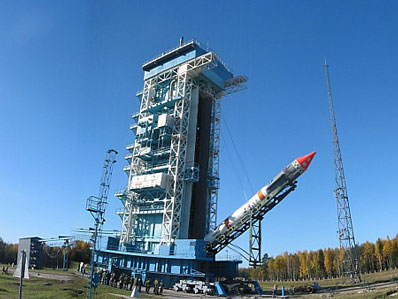
Launch Date
December 29, 1973
Launch Site
PLMSC
Launch Pad
LC132/2
Launch Vehicle
Kosmos 11K65M
NORAD ID
07008
International Designator
1973-109A
Epoch
Sun, 19 Jul 2026 19:21:05 GMT
Apogee
Calculating...
Perigee
Calculating...
Inclination
82.95°
Right Ascension
97.65°
Eccentricity
Calculating...
Argument of Perigee
245.08°
Period
104.87 min
Mean Motion
13.73 rev/day
Latitude
Calculating...
Longitude
Calculating...
Altitude
Calculating...
Velocity
Calculating...
Name
COSMOS 627
Alternative Name
Kosmos-627
Type
Status
Owner
VMF
Country
USSR
Constellation
N/A
Related Satellites
Major Events
N/A
1 07008U 73109A 26200.80631713 .00000042 00000+0 29627-4 0 9999
2 07008 82.9534 97.6484 0030741 245.0762 182.2787 13.73080630632363
Source: Celestrak
Apologies, there is no summary for this satellite yet. I am working to generate these for every object in the catalog, but it is going to take time.
Length
5
Diameter
2.1
Span
17
Dry Mass
800
Launch Mass
800
Shape
Cyl + Ant
Radar Cross Section
1.798
Visual Magnitude
Unknown
Color
Unknown
Material Composition
Unknown
Payload
Zaliv No. 26L (No. 4)
Purpose
Navigation / Communication
Mission
Navigation / Communication
Manufacturer
OAZ
Life Expectancy
Unknown
Bus
KAUR-1 11F617
Configuration
KAUR-1
Motor
Unknown
Equipment
Unknown
Power System
Solar cells, batteries
ADCS
Unknown
Transmitter Frequency
Unknown
Learn more about satellites and other related topics.
Today's highlights include ExoMars' successful parachute test, developments in military satellite systems, and leadership changes at NASA Goddard.
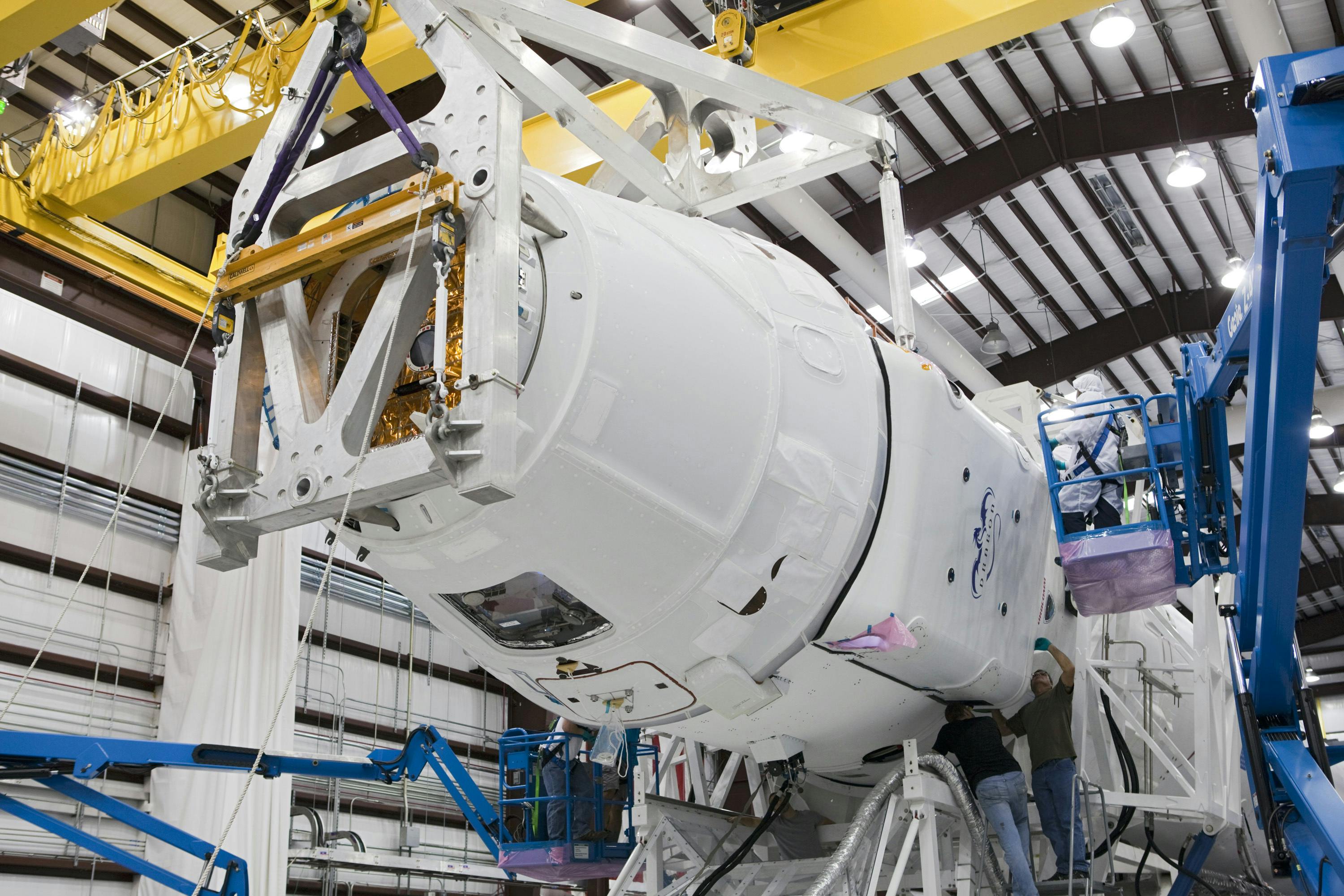
Elon Musk denies Starlink price reductions are driven by Amazon Kuiper competition. SpaceX launches 29 Starlink satellites in 18th constellation mission of 2026. Five more coming this week.
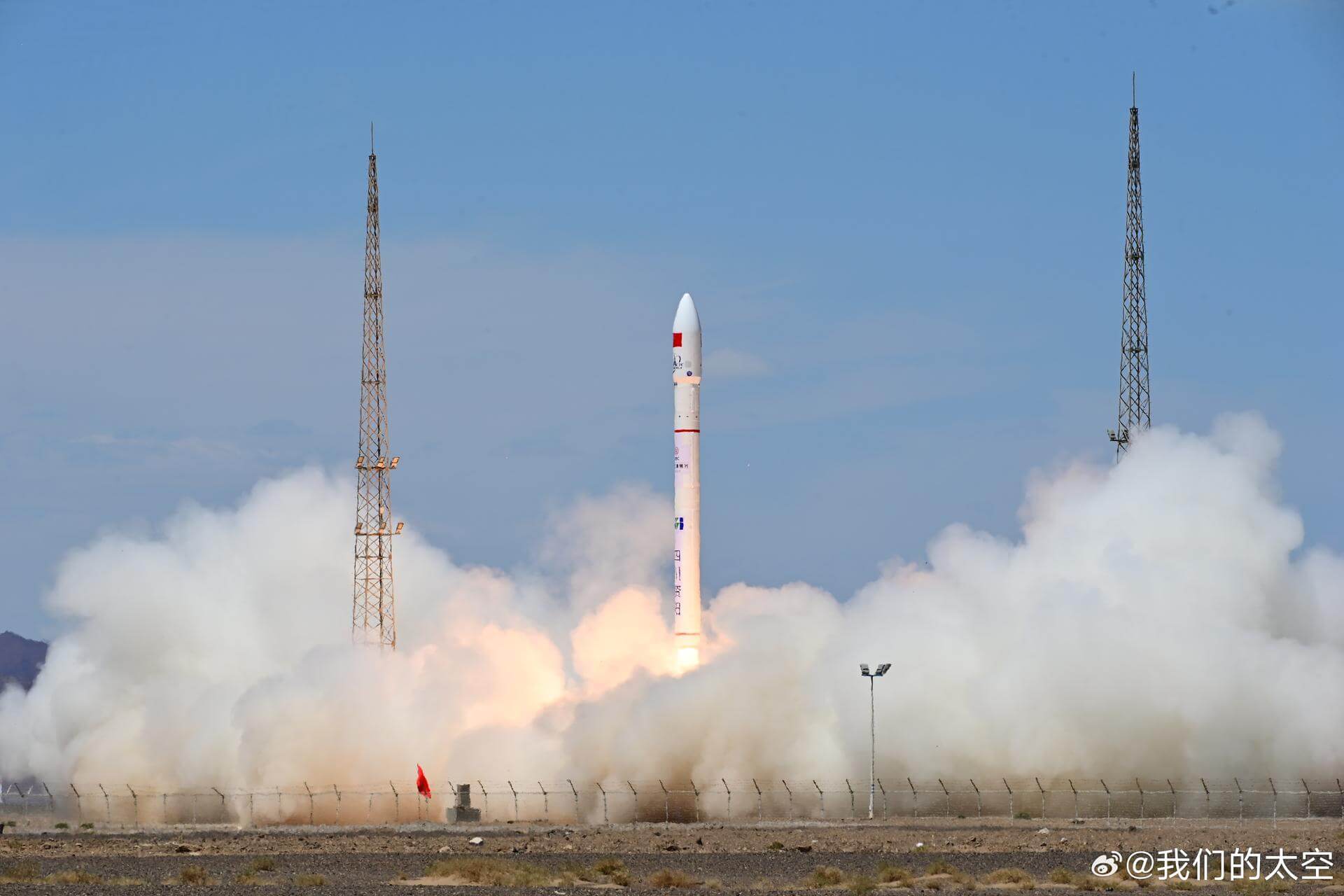
Today's brief covers the crash of a SpaceX Falcon 9 rocket over Europe, the Space Force's mapping efforts with Iron Dome, and key military appointments and funding decisions.

As Ukraine explores alternatives to SpaceX's Starlink, the potential adoption of Eutelsat OneWeb's satellite network raises critical questions about connectivity, resilience, and strategic autonomy.

Today marks a significant milestone as SpaceX successfully launches another batch of Starlink satellites, boosting global connectivity efforts.
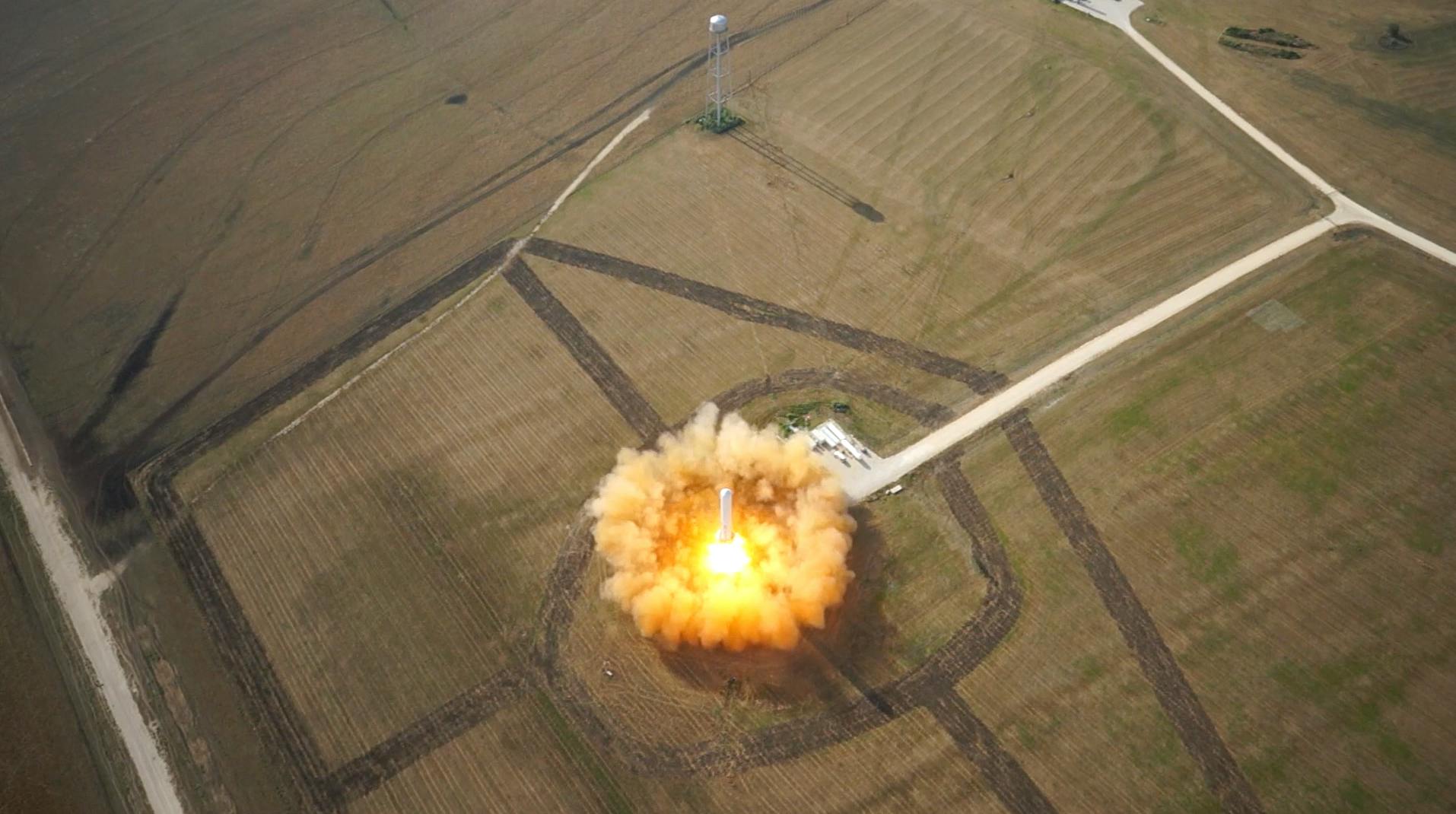
SpaceX sets a new rocket-reuse record and prepares for upcoming launches, maintaining the momentum in Starlink satellite deployments.
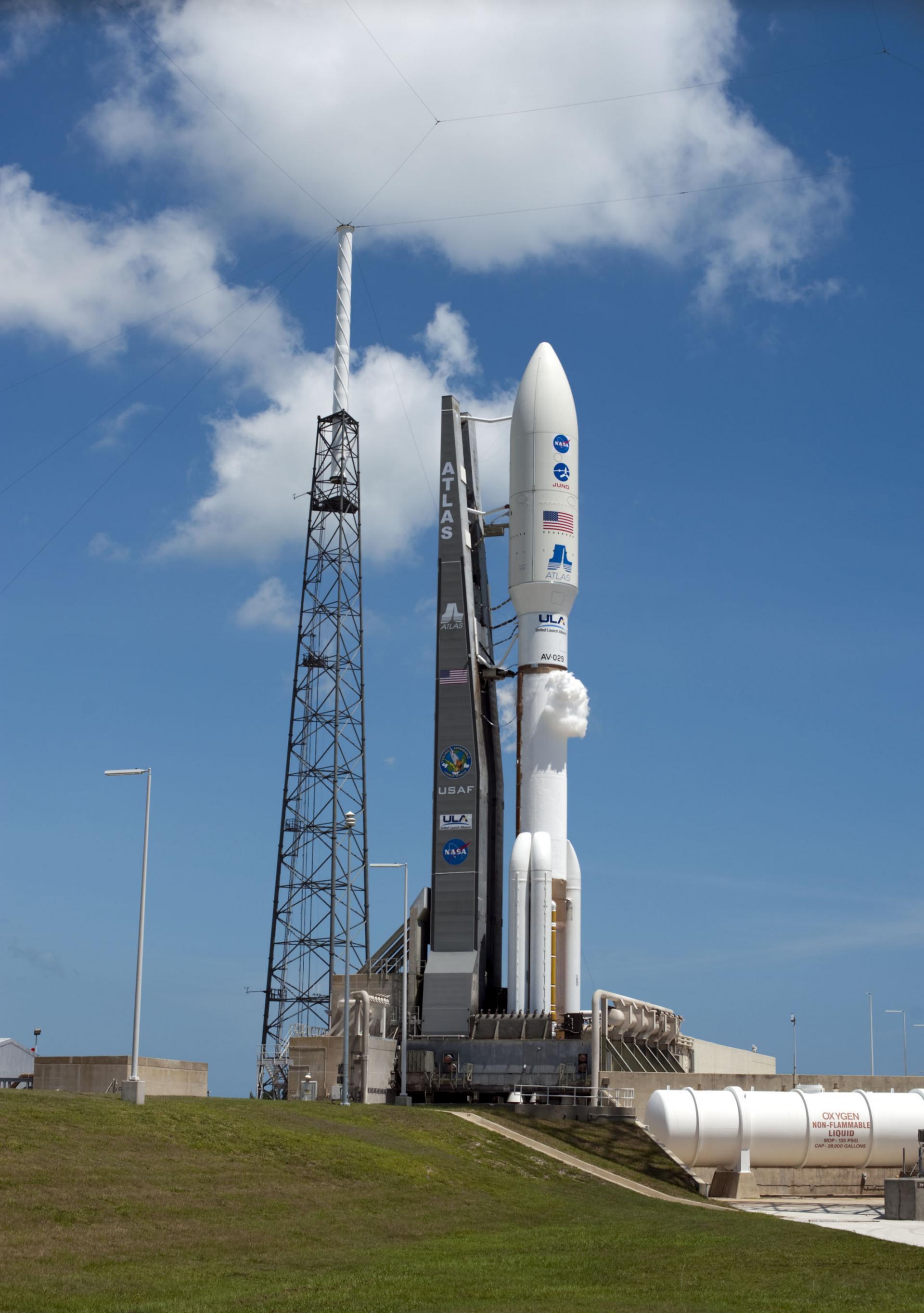
Highlights include China's recent satellite launch, advancements in nuclear propulsion, non-kinetic tech developments for maritime defense, SpaceX's direct-to-device spectrum tests, and maneuvering satellites for Space Force missions.
Today's Space Brief covers the reentry of Firefly's Blue Ghost moon lander, a compelling study on space debris exacerbated by climate change, and new advancements from the Vera Rubin Observatory.