


Space Force Awards $3.2B for Orbital Missile Interceptors | KeepTrack Space Brief
Space Force awards $3.2 billion to 12 companies for Golden Dome boost-phase missile interceptor prototypes. Initial operational capability targeted for 2028.


Launch Date
May 25, 1973
Launch Site
Launch Pad
Unknown
Launch Vehicle
Unknown
NORAD ID
06656
International Designator
N/A
Decay Date
5/25/1973
Name
SATURN 1B R/B
Alternative Name
Saturn S-IVB-206
Type
Status
Owner
MSFC
Country
United States
Constellation
N/A
Related Satellites
Major Events
N/A
Length
18.7
Diameter
6.6
Span
18.7
Dry Mass
12602
Launch Mass
12602
Shape
Cyl
Radar Cross Section
Unknown
Visual Magnitude
Unknown
Color
Unknown
Material Composition
Unknown
Payload
Saturn S-IVB-206
Purpose
Unknown
Mission
Unknown
Manufacturer
MDAC
Life Expectancy
Unknown
Bus
S-IVB
Configuration
Unknown
Motor
Unknown
Equipment
Unknown
Power System
Unknown
ADCS
Unknown
Transmitter Frequency
Unknown
Learn more about satellites and other related topics.
Space Force awards $3.2 billion to 12 companies for Golden Dome boost-phase missile interceptor prototypes. Initial operational capability targeted for 2028.
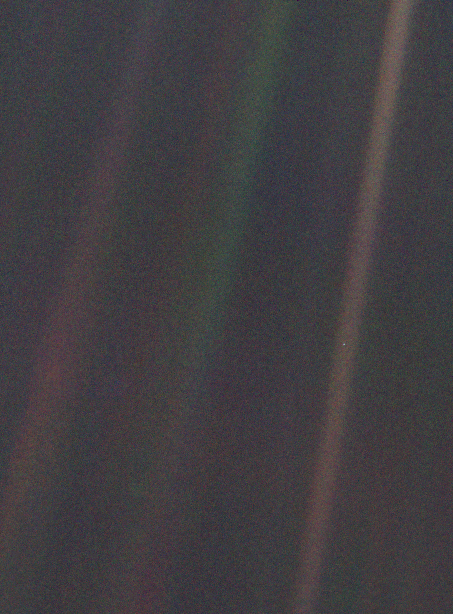
Thirty-five years ago, Voyager 1 captured a revolutionary series of images from the edge of our solar system, forever changing how humanity sees its place in the cosmos
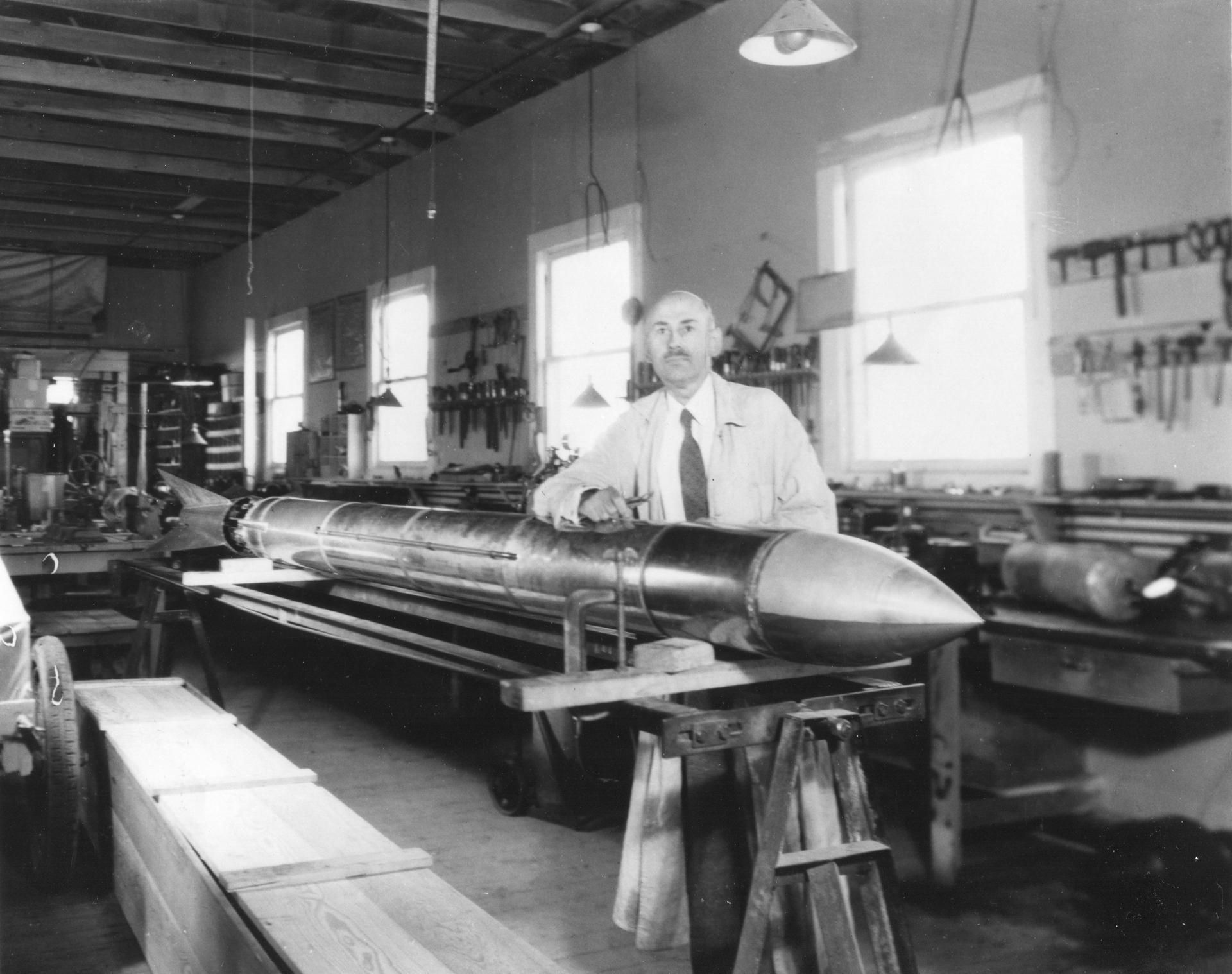
On February 2, 1909, Robert Goddard made a revolutionary breakthrough in his notebook: liquid oxygen and liquid hydrogen could achieve 50% efficiency in converting heat energy to kinetic energy for rocket propulsion
Japan's H3 rocket successfully launched June 11, deploying 6 smallsats to orbit after December failure. First return-to-flight for JAXA's flagship heavy-lift vehicle.
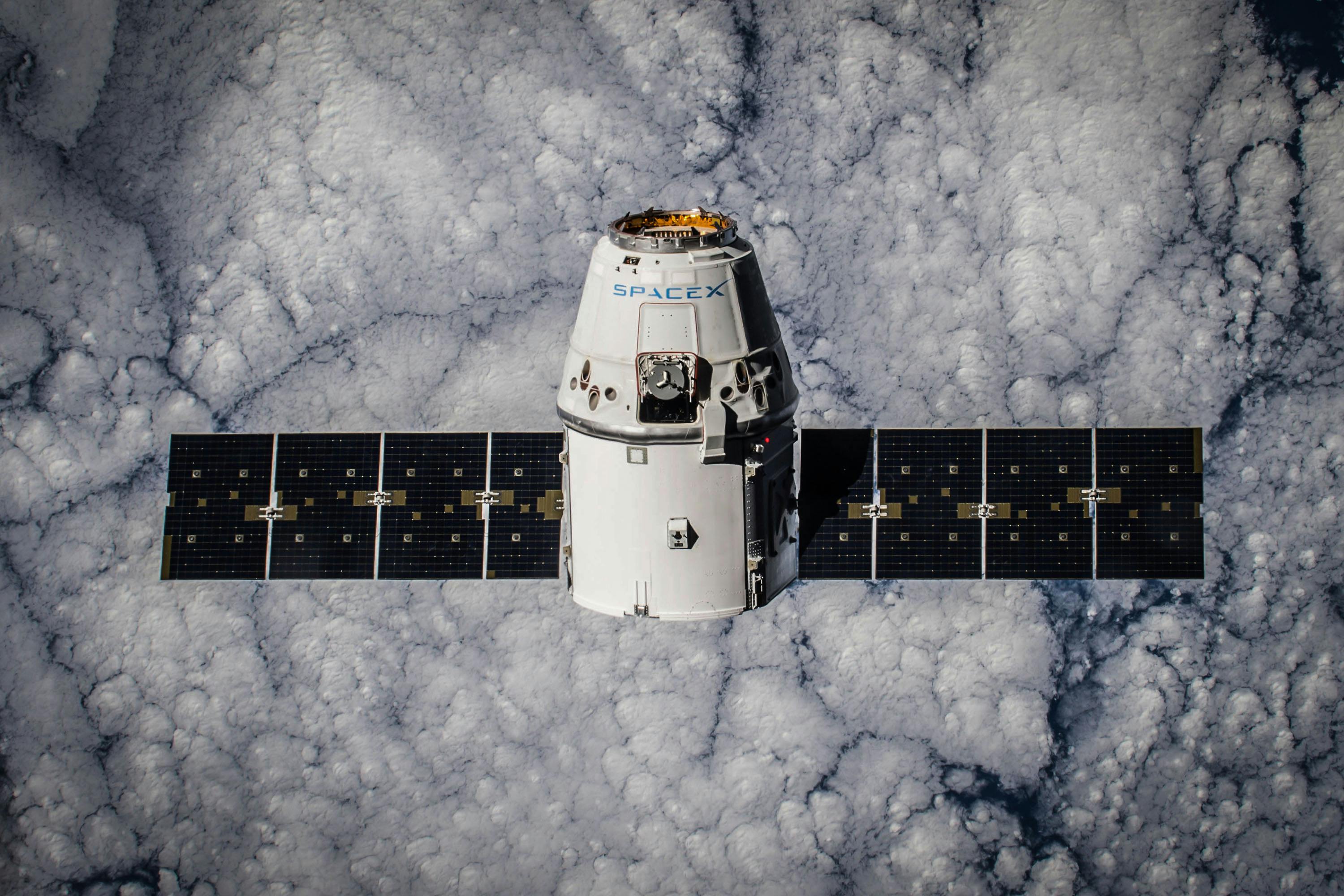
SpaceX progresses with Starship developments and sets sights on NASA's upcoming 3D sky-mapping satellite launch.
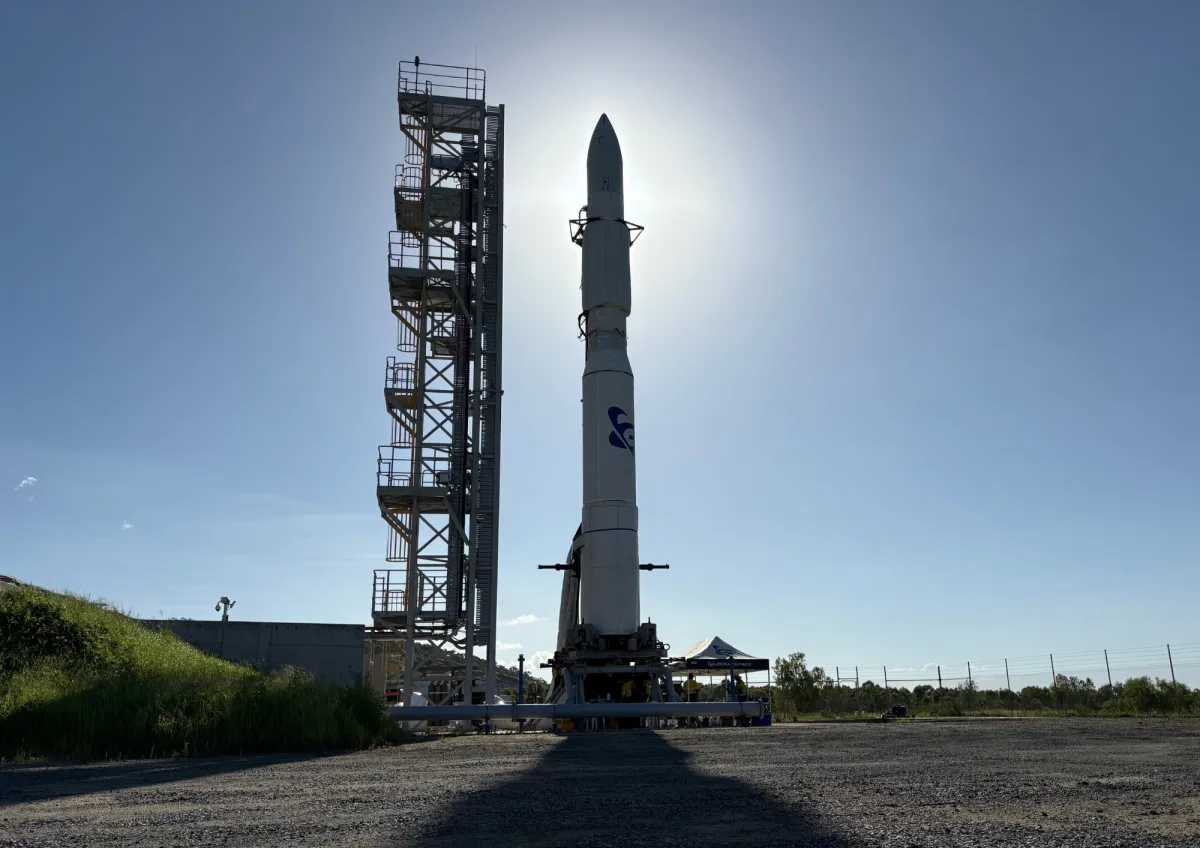
Today's brief covers the historic lunar touchdown by Firefly Aerospace's Blue Ghost lander, highlights in military space activity, and a reflection on Pearl Young's pioneering legacy at NASA.
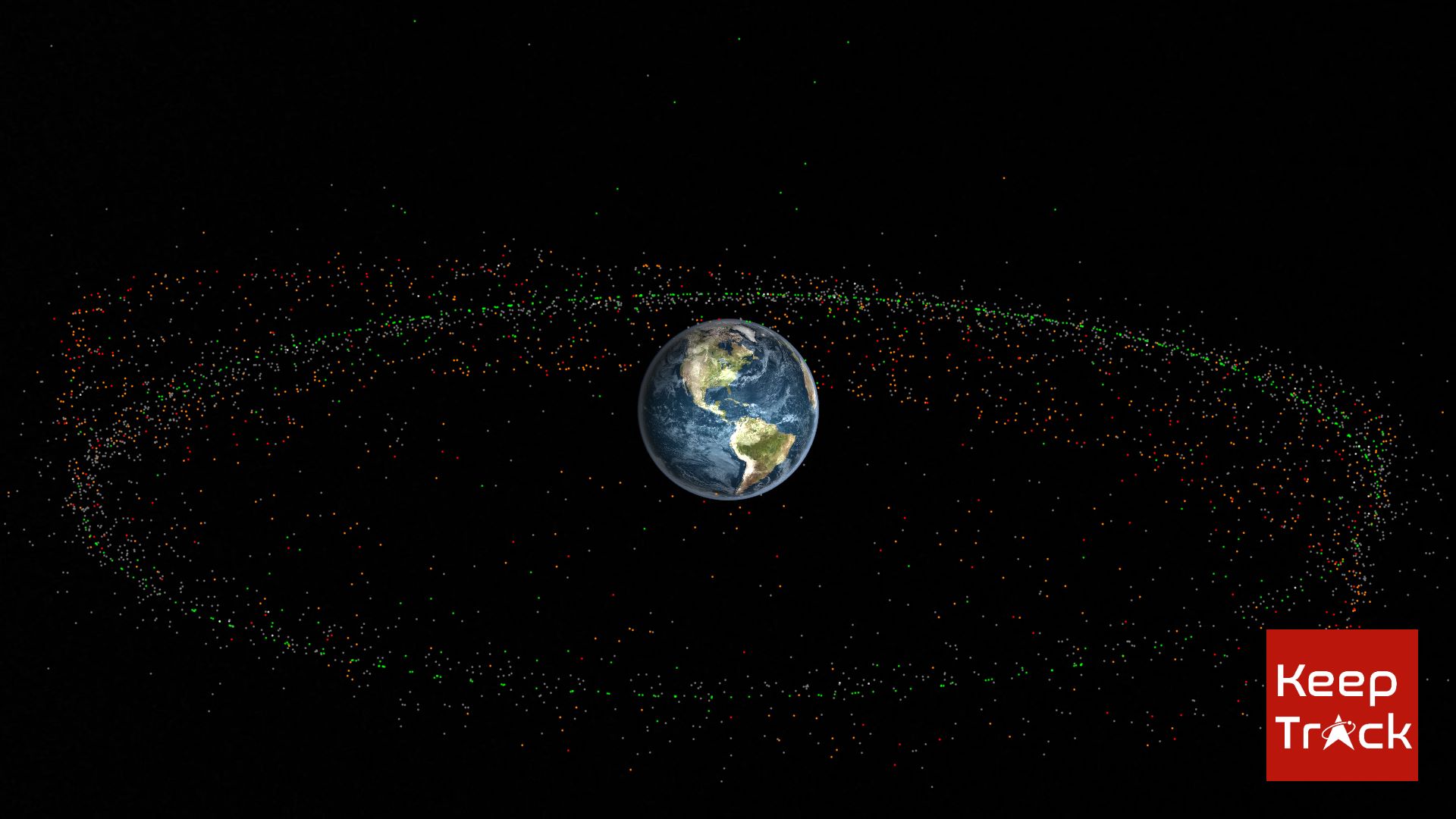
Understanding the unique orbital sweet spot that keeps satellites perfectly positioned above Earth

From Apollo's darkest days to humanity's first transmission from Venus, we spent 2025 remembering the missions that made modern spaceflight possible. Here's what we covered - and why we're committed to keeping this series going.