

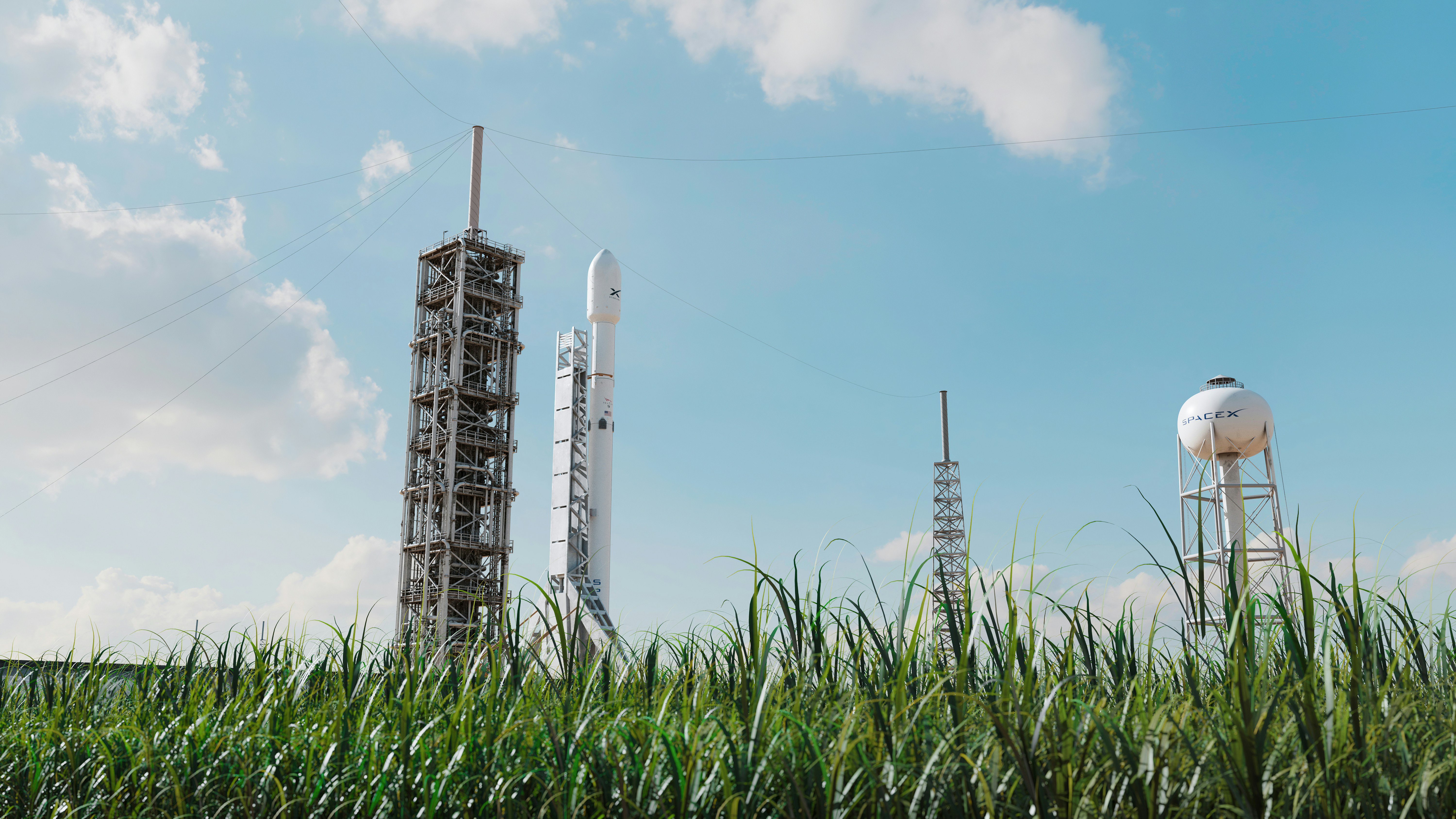
X Report 23 Feb 2025
SpaceX faces a setback with a Falcon 9 upper stage reentry issue, while NASA selects SpaceX for a new mission. Starlink expansions continue with multiple satellite launches.


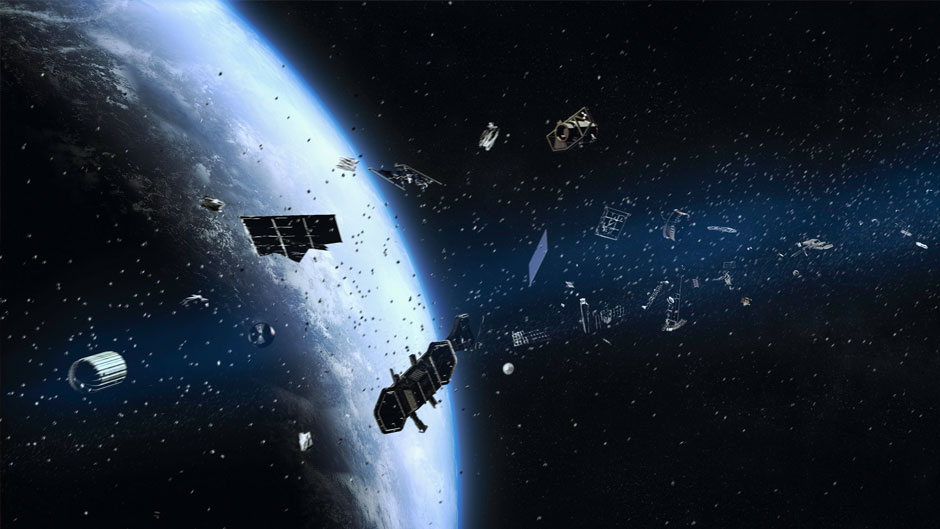
Launch Date
April 19, 1973
Launch Site
PLMSC
Launch Pad
Unknown
Launch Vehicle
Unknown
NORAD ID
06583
International Designator
N/A
Decay Date
5/7/1973
Name
COSMOS 554 DEB
Alternative Name
deb Kosmos-554
Type
Status
Owner
GUKOSR
Country
USSR
Constellation
N/A
Related Satellites
Major Events
N/A
Length
0
Diameter
0
Span
0
Dry Mass
0
Launch Mass
0
Shape
N/A
Radar Cross Section
Unknown
Visual Magnitude
Unknown
Color
Unknown
Material Composition
Unknown
Payload
Unknown
Purpose
Unknown
Mission
Unknown
Manufacturer
Unknown
Life Expectancy
Unknown
Bus
Unknown
Configuration
Unknown
Motor
Unknown
Equipment
Unknown
Power System
Unknown
ADCS
Unknown
Transmitter Frequency
Unknown
Learn more about satellites and other related topics.
SpaceX faces a setback with a Falcon 9 upper stage reentry issue, while NASA selects SpaceX for a new mission. Starlink expansions continue with multiple satellite launches.
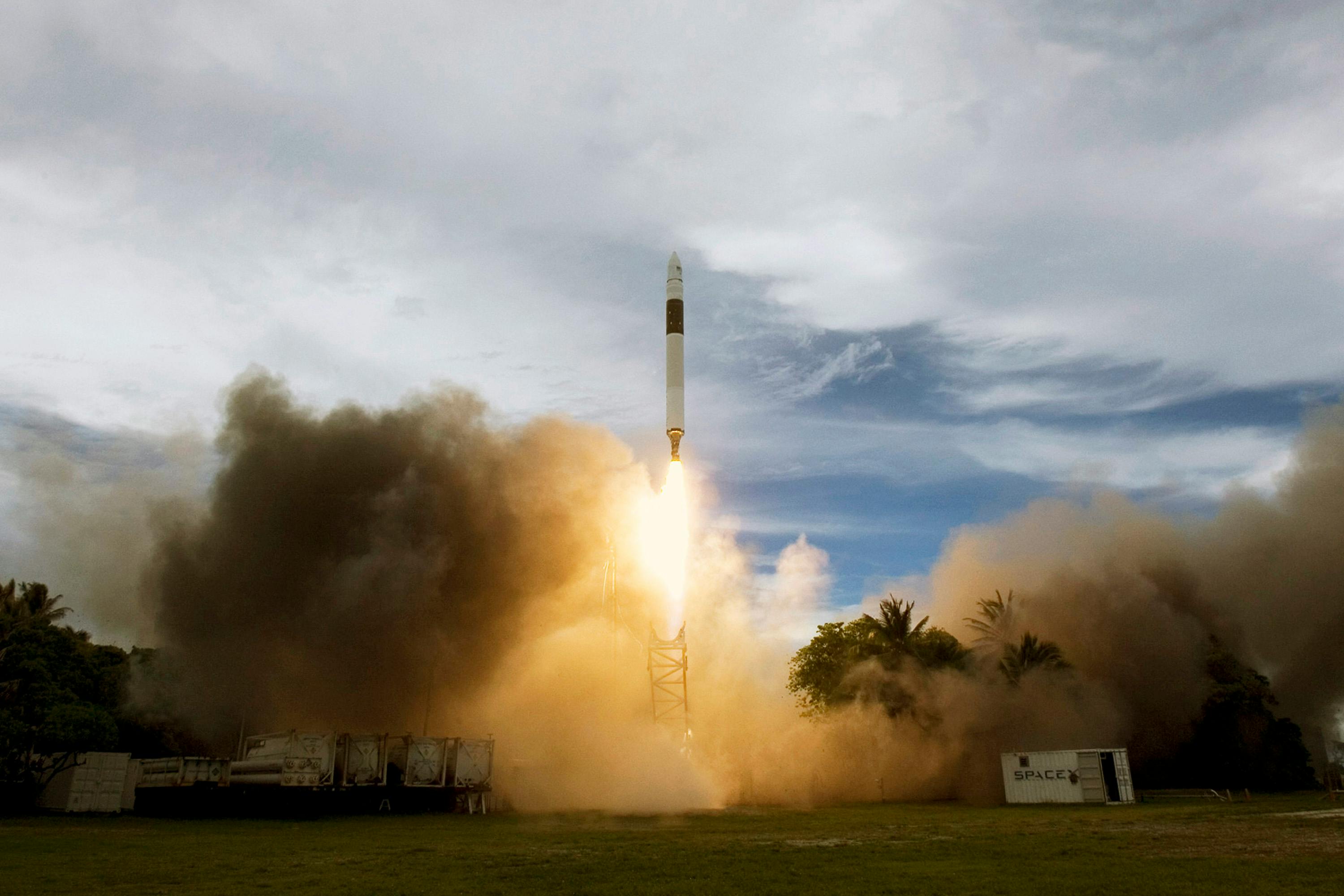
A Falcon 9 lifted off from SLC-40 at 6:50 a.m. EDT carrying Starlink satellites and Besxar Space Industries semiconductor test pods.
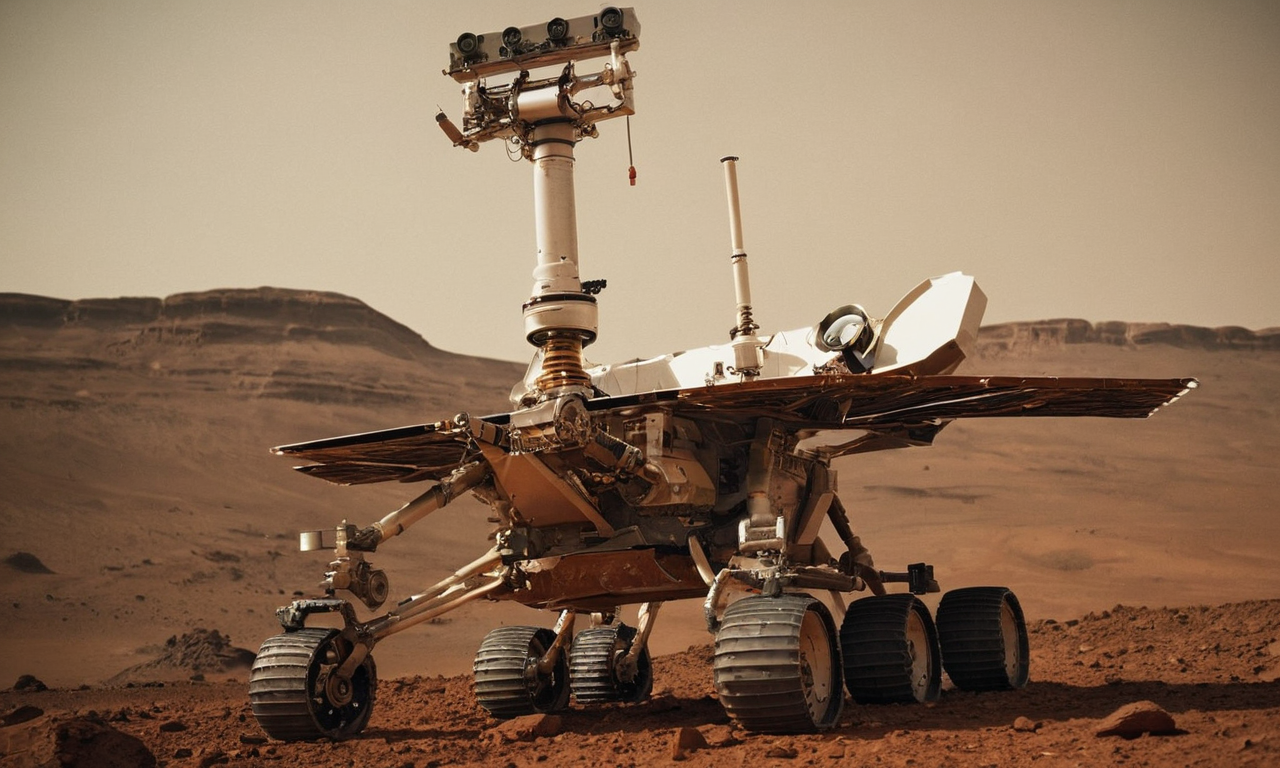
Twenty-one years ago, a golf cart-sized rover bounced to a stop inside a small crater on Mars, beginning one of the most remarkable chapters in space exploration history
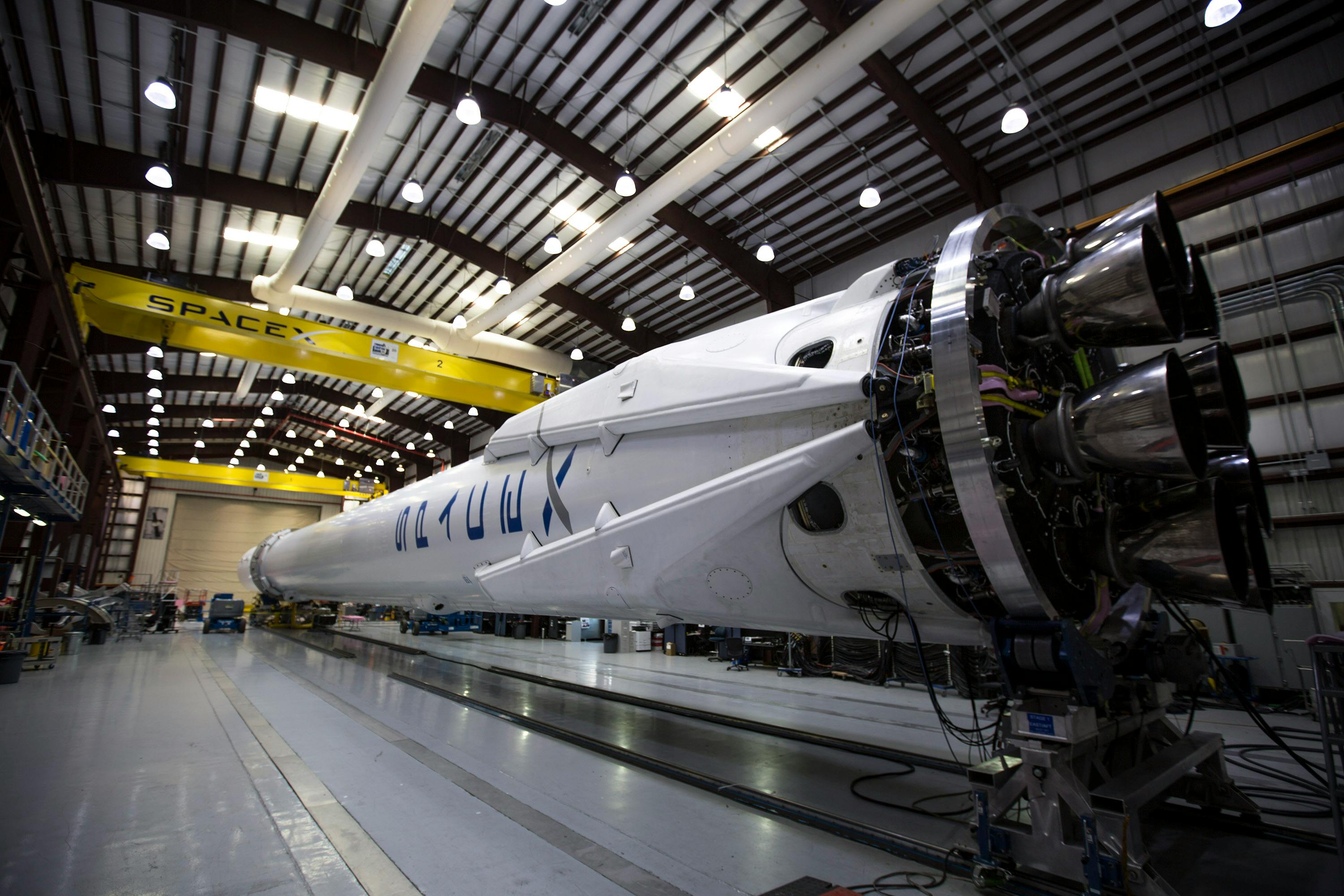
Today, SpaceX faced delays in launching the Ax-4 mission due to a booster leak, while Starlink made strides towards launching in India with new telecom license approval.
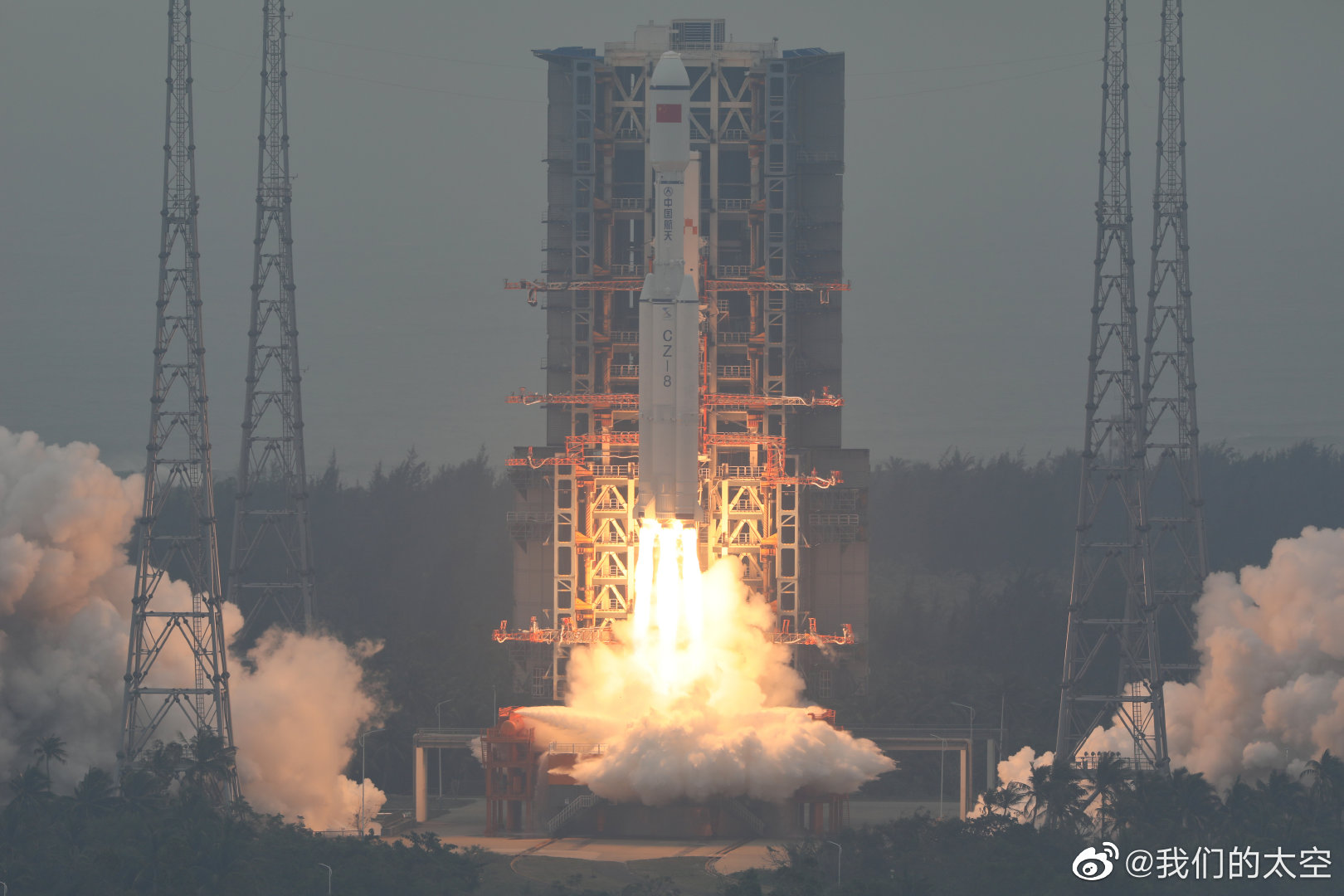
Artemis 2's four astronauts entered lunar sphere of influence April 6, first crewed arrival since Apollo 17. NASA simultaneously proposed 25% budget cut for FY2027.
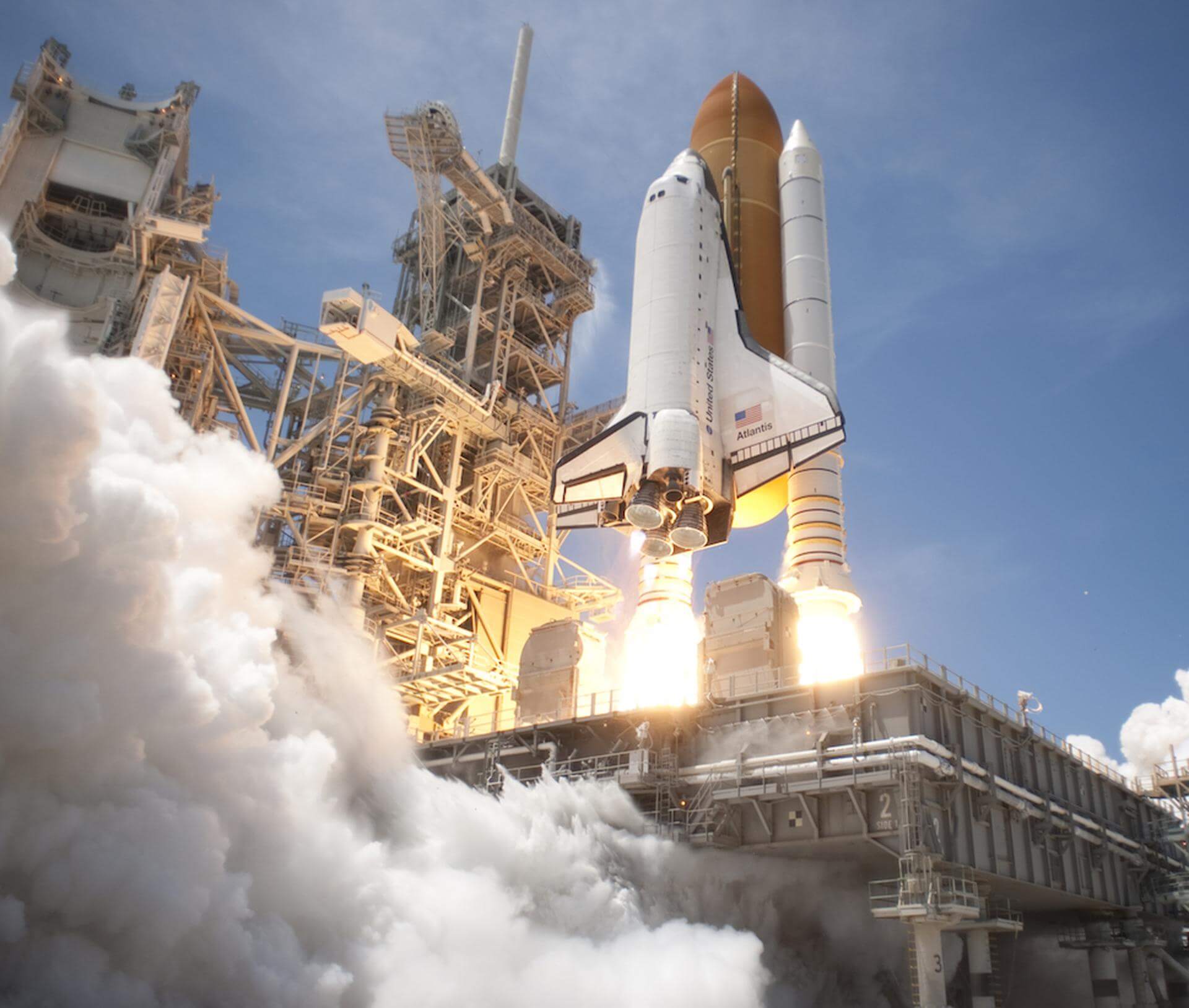
Artemis II crew surpassed Apollo 13's distance record during April 6 lunar flyby. Orion carried 4 astronauts—including Canadian Jeremy Hansen—farther from Earth than any humans.

Today's highlights include Europe's record space budget for independence, Transporter-15's successful launch of 140 payloads, and the damage to the Baikonur pad affecting upcoming ISS missions.
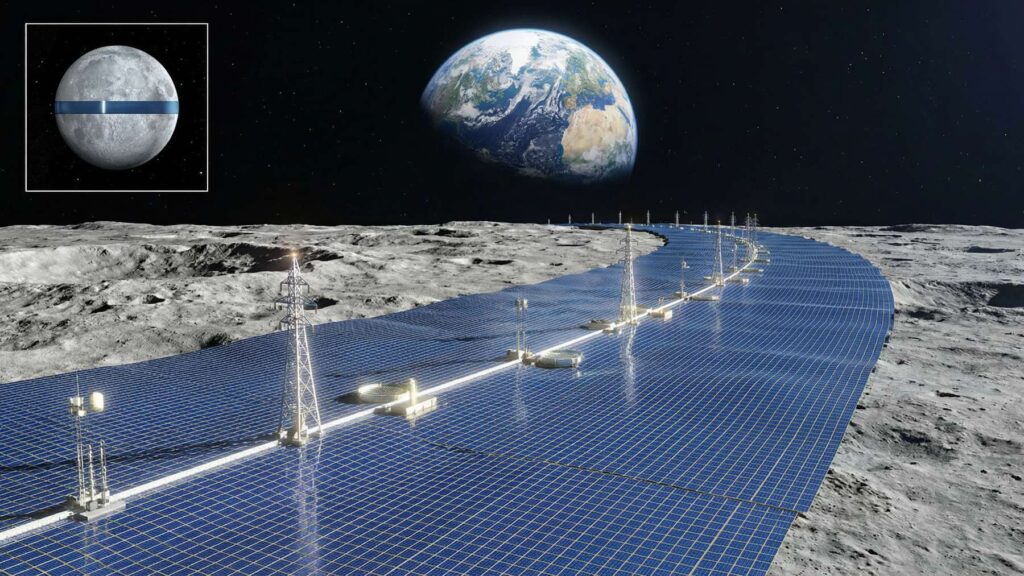
A 220-year-old Japanese construction company wants to build an 11,000-kilometer belt of solar cells around the lunar equator and beam the power back to Earth. The physics checks out. Everything else is another story.