

X Report 7 Nov 2025
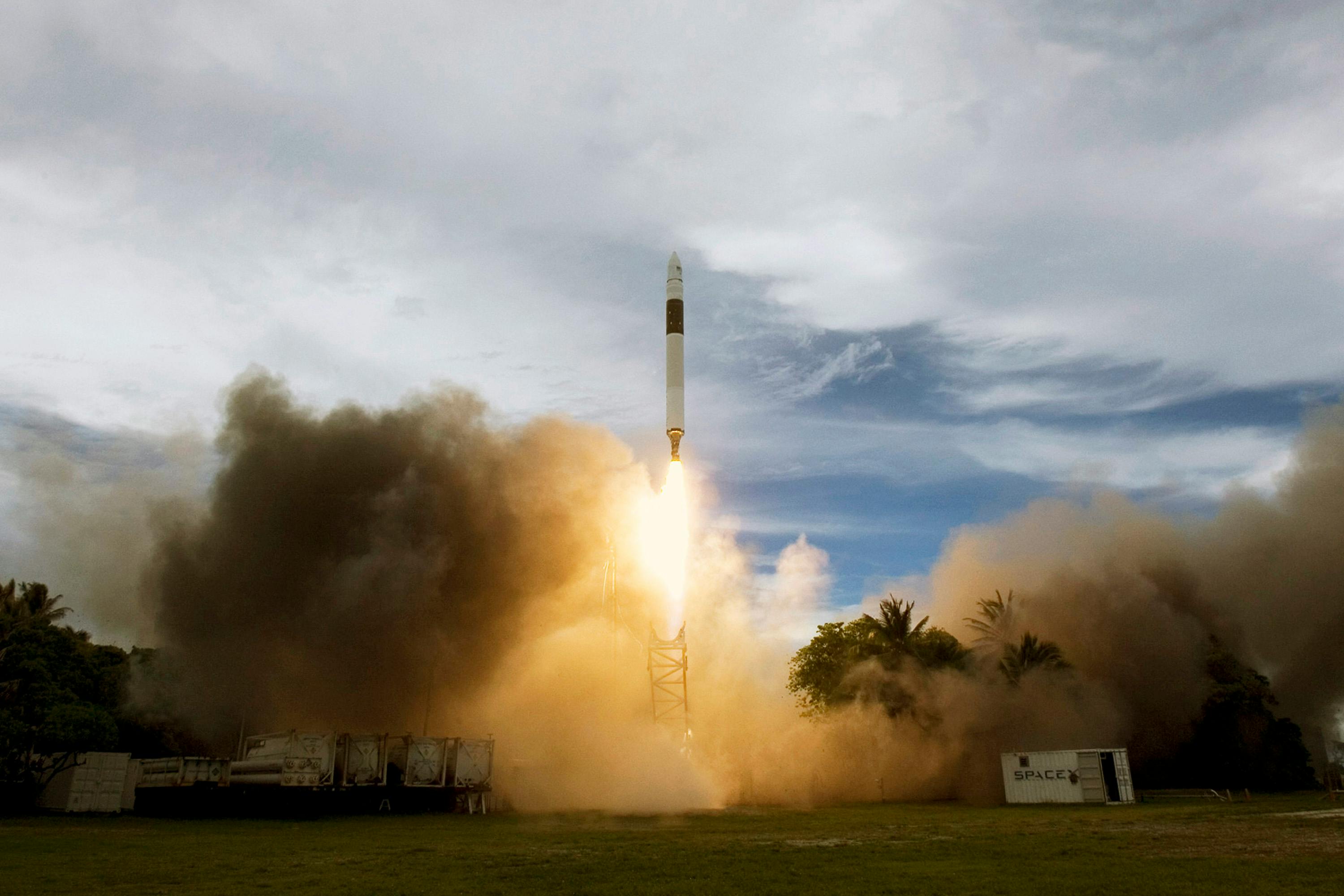
SpaceX successfully launched 28 Starlink satellites while EchoStar enhances its stake in the company through a $2.6 billion spectrum deal, amid growing demands for space domain awareness.



Launch Date
April 19, 1973
Launch Site
PLMSC
Launch Pad
Unknown
Launch Vehicle
Unknown
NORAD ID
06579
International Designator
N/A
Decay Date
5/7/1973
Name
COSMOS 554 DEB
Alternative Name
deb Kosmos-554
Type
Status
Owner
GUKOSR
Country
USSR
Constellation
N/A
Related Satellites
Major Events
N/A
Length
0
Diameter
0
Span
0
Dry Mass
0
Launch Mass
0
Shape
N/A
Radar Cross Section
Unknown
Visual Magnitude
Unknown
Color
Unknown
Material Composition
Unknown
Payload
Unknown
Purpose
Unknown
Mission
Unknown
Manufacturer
Unknown
Life Expectancy
Unknown
Bus
Unknown
Configuration
Unknown
Motor
Unknown
Equipment
Unknown
Power System
Unknown
ADCS
Unknown
Transmitter Frequency
Unknown
Learn more about satellites and other related topics.
SpaceX successfully launched 28 Starlink satellites while EchoStar enhances its stake in the company through a $2.6 billion spectrum deal, amid growing demands for space domain awareness.

Today's Space Brief covers potential changes in the procurement strategies for the Space Force, developments in missile detection technology, and budgetary impacts on space programs.

Today’s highlights include successful Falcon 9 launch for MECANO ID, ongoing Starship Block 3 development, and plans for direct-to-device testing next year.

SpaceX has adapted Pad 1 for Ship Static Fire tests while addressing the recent downtime at Massey’s, showcasing its commitment to maintaining launch schedules despite setbacks.
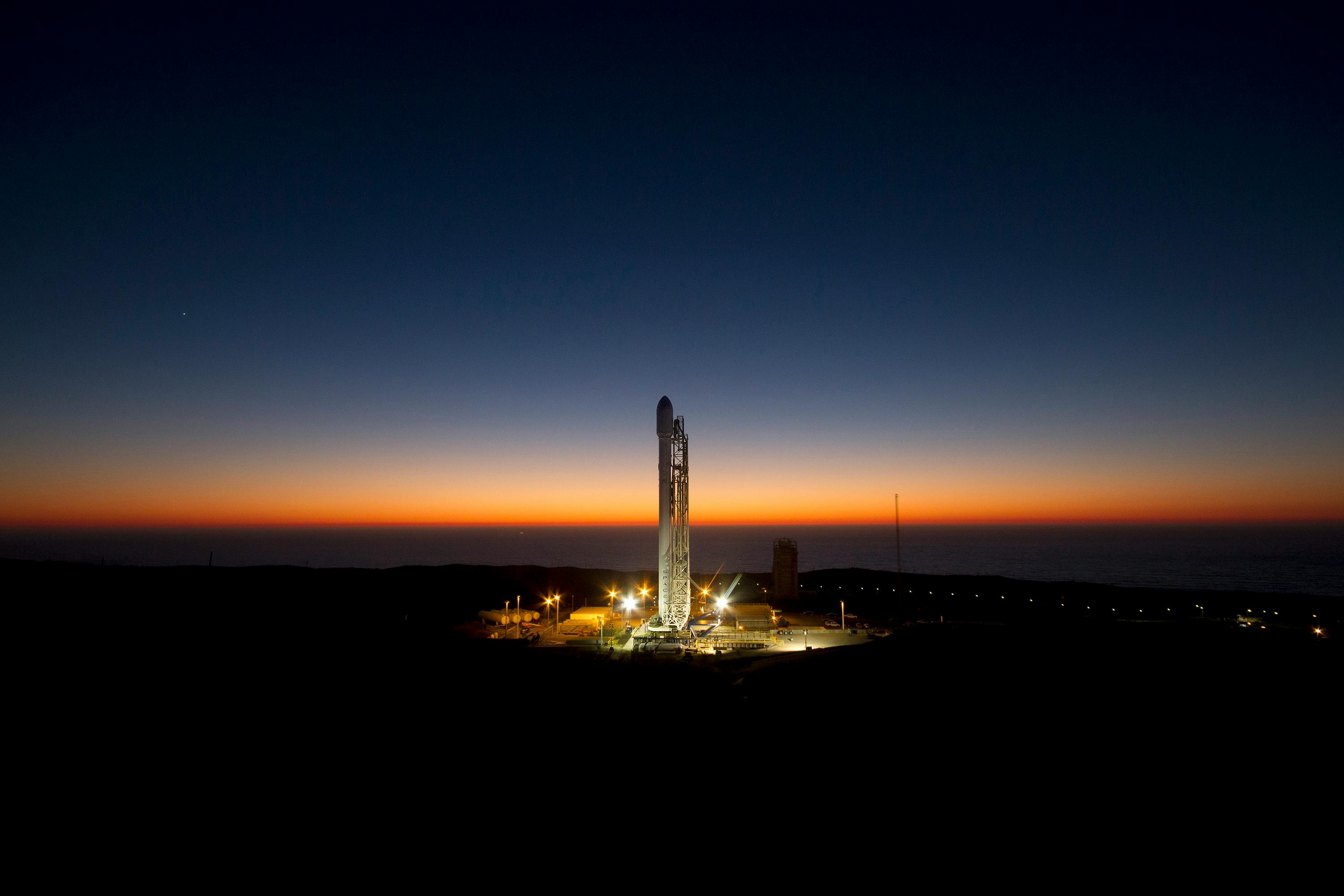
NASA adds crew missions to SpaceX's contract as Boeing Starliner certification stalls, while Falcon 9 hits its 60th orbital launch of 2026.
Today's Space Brief covers Rocket Lab's IoT satellite launch, SpaceX's European Galileo satellites, FAA's fine on SpaceX, Polaris Dawn mission achievements, and more.
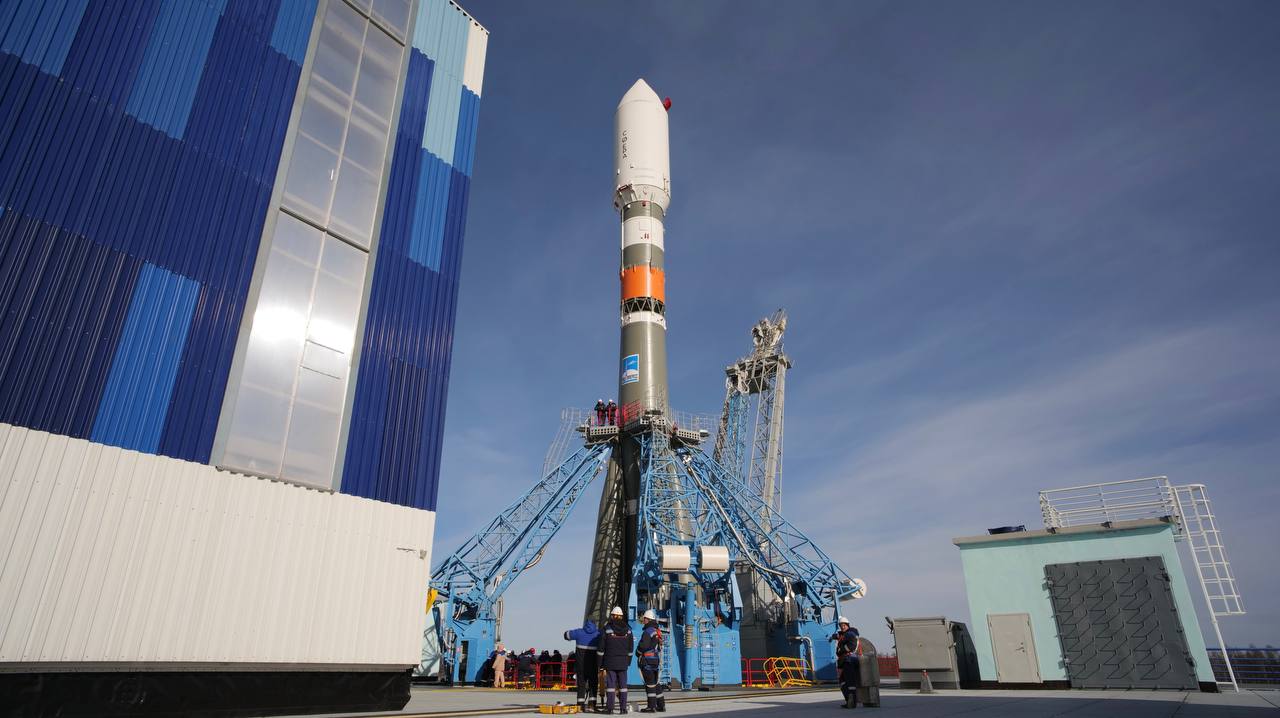
Today's brief covers China's latest experimental launch to GEO and new commercial satellites, insights from hyperspectral imagery on underground structures, and the Space Force's material testing for Mars missions.
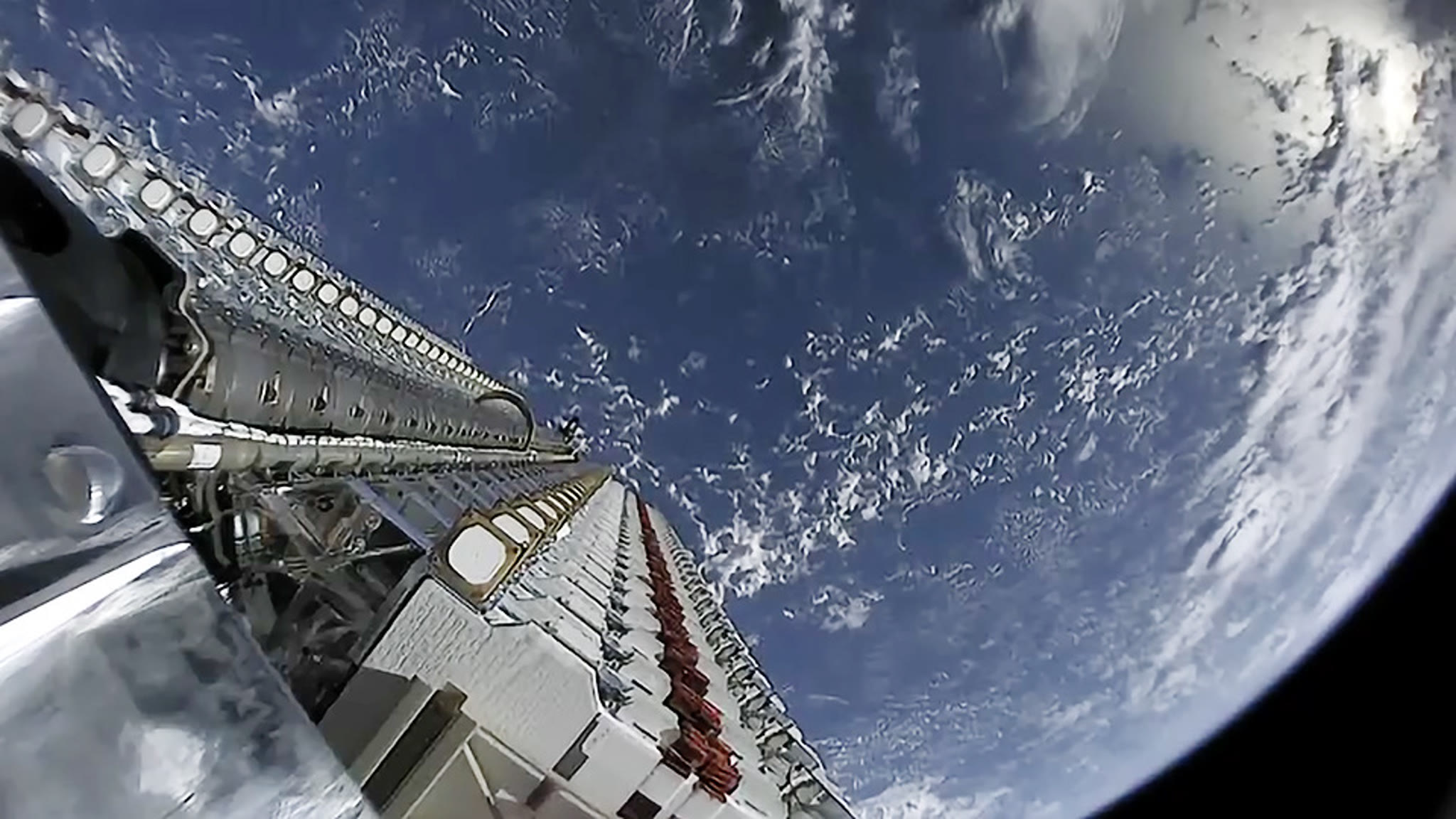
Starlink satellites fired their thrusters to dodge a collision roughly 300,000 times in 2025, about 822 times a day. Behind that number is a fragile, half-automated system of warnings, probabilities, and judgment calls that decides which close approaches are worth a maneuver and which are just noise.