

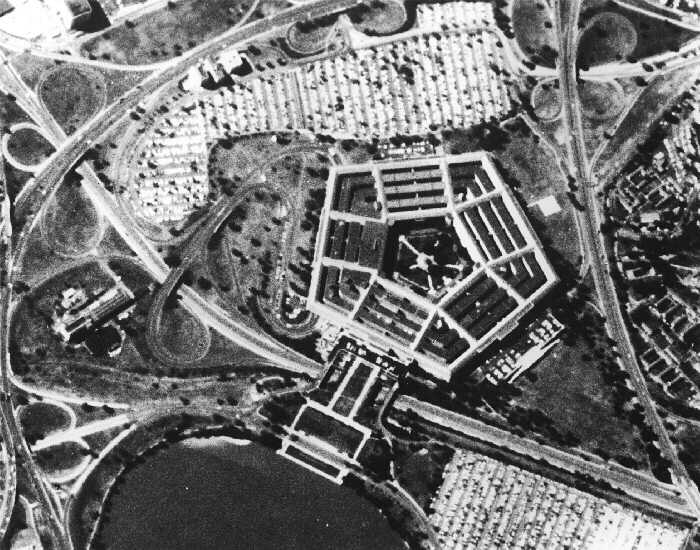
The Day America's Spy Satellites Gained New Eyes
Sixty-three years ago, a Thor-Agena rocket launched the first dual-camera reconnaissance satellite, revolutionizing space-based intelligence while hiding behind the final use of a famous cover name


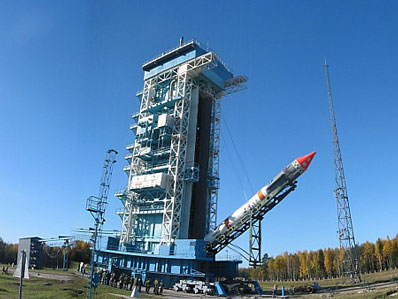
Launch Date
November 3, 1972
Launch Site
PLMSC
Launch Pad
LC132/1
Launch Vehicle
Kosmos 11K65M
NORAD ID
06272
International Designator
1972-088A
Decay Date
7/20/1980
Name
COSMOS 536
Alternative Name
Kosmos-536
Type
Status
Owner
GRU
Country
USSR
Constellation
N/A
Related Satellites
Major Events
N/A
Apologies, there is no summary for this satellite yet. I am working to generate these for every object in the catalog, but it is going to take time.
Length
5.1
Diameter
1.2
Span
5.1
Dry Mass
434
Launch Mass
434
Shape
Cyl + 2 Pan
Radar Cross Section
5.21
Visual Magnitude
Unknown
Color
Unknown
Material Composition
Unknown
Payload
Tselina-OM No. 12L
Purpose
Unknown
Mission
Unknown
Manufacturer
YUZH
Life Expectancy
Unknown
Bus
Tselina-OM
Configuration
Unknown
Motor
Unknown
Equipment
Unknown
Power System
Unknown
ADCS
Unknown
Transmitter Frequency
Unknown
Learn more about satellites and other related topics.
Sixty-three years ago, a Thor-Agena rocket launched the first dual-camera reconnaissance satellite, revolutionizing space-based intelligence while hiding behind the final use of a famous cover name
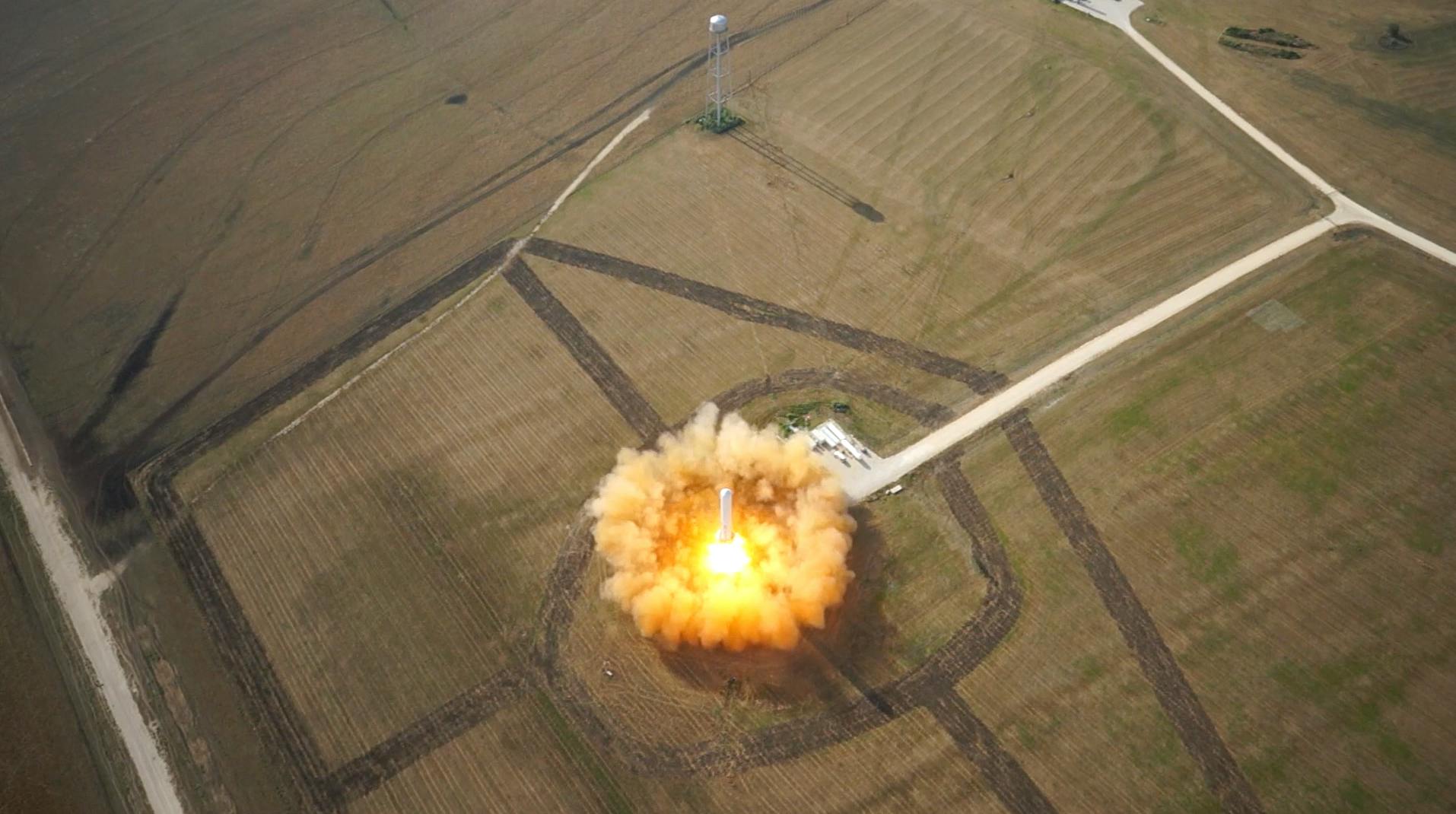
SpaceX swaps Crew Dragon capsules with NASA to accelerate Crew-10 launch, and successfully launches multiple Starlink satellites into orbit.
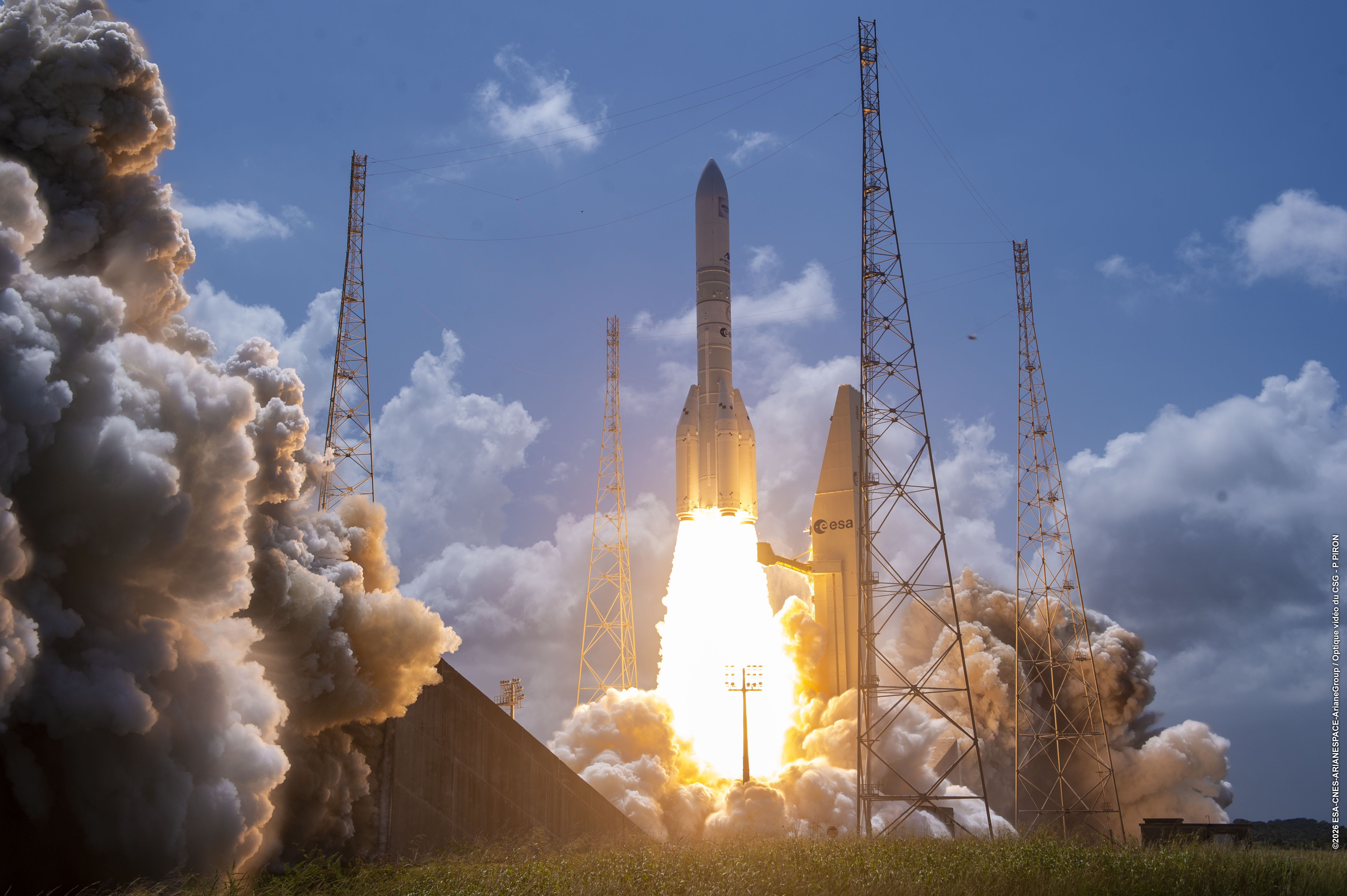
Space Force RCO awarded SBIR contracts for radar-detection payloads to counter adversary surveillance of U.S. satellites. Follow-on miniaturization effort already planned.

Space Force projects 25 additional high-energy missions in 2027–2029 window, straining capacity at Vulcan and Falcon Heavy. Capacity constraints will drive military-NASA prioritization debates.

SpaceX achieved significant milestones with the launch of its 500th Falcon 9 rocket and the deployment of a European weather satellite, showcasing its ongoing impact in space exploration and satellite technology.
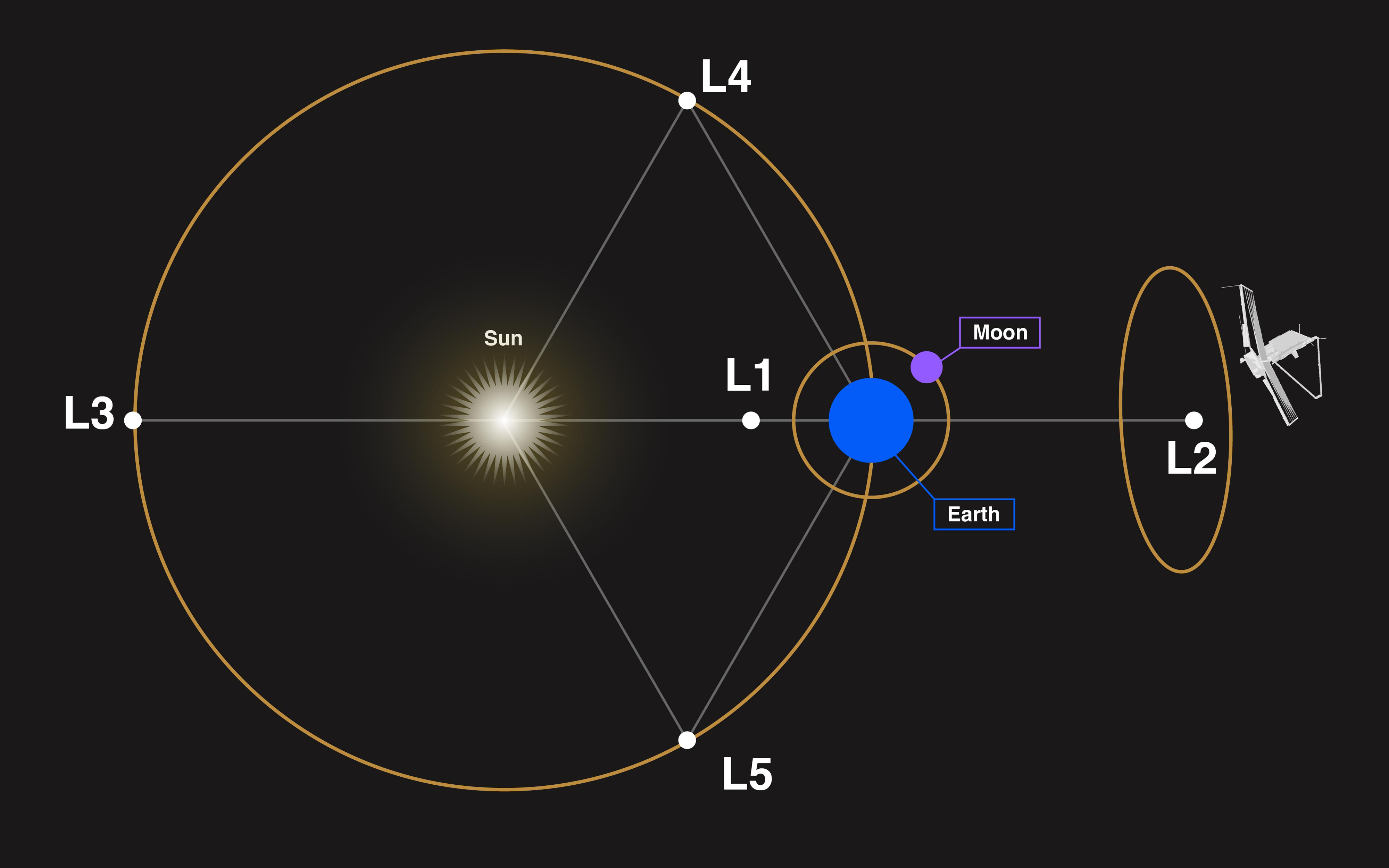
Five spots in the Earth-Sun system where the gravitational tug of two massive bodies and the pull of circular motion all cancel out, creating gravitational parking spaces where spacecraft can sit for decades with almost no fuel.
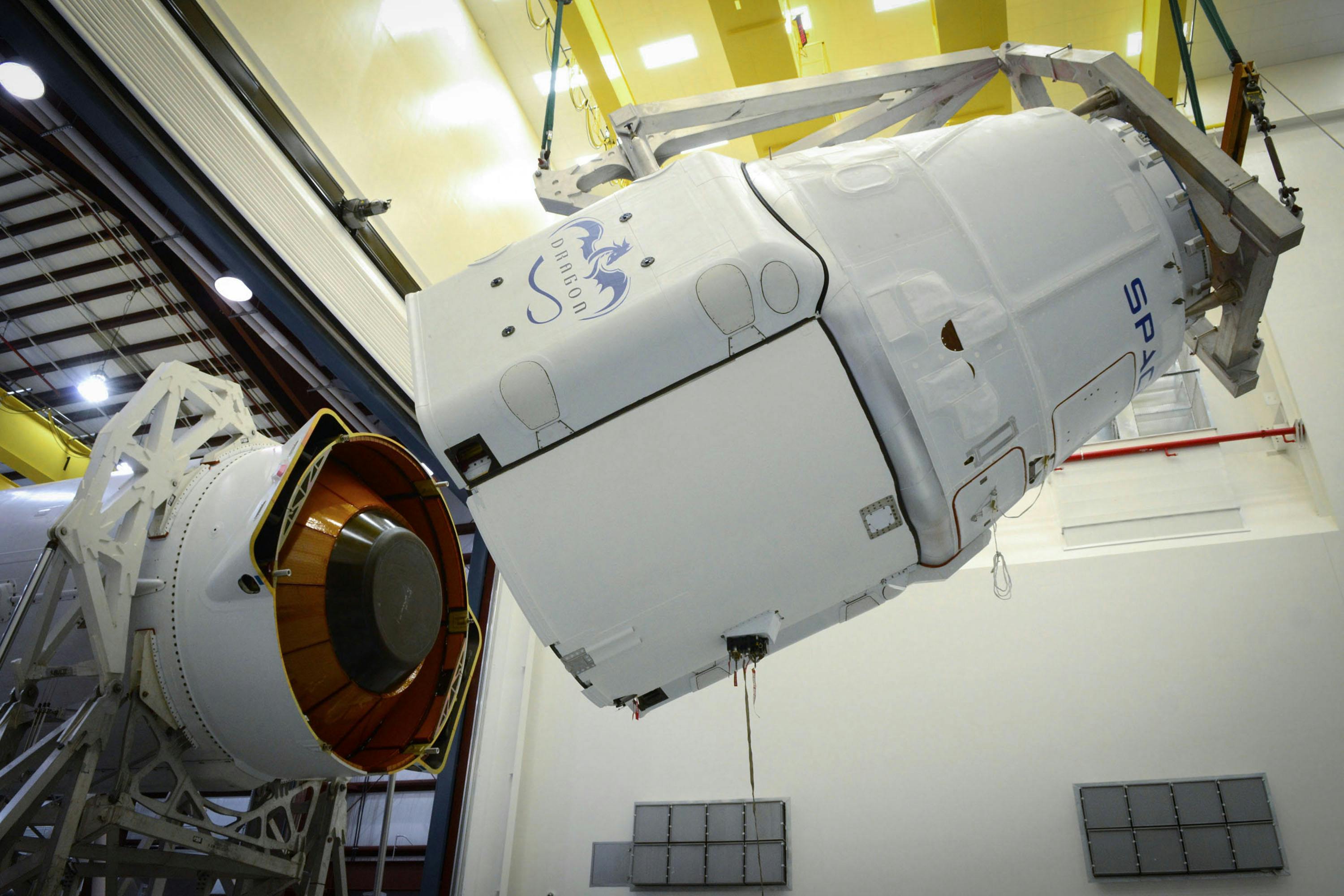
ESA is purchasing a dedicated SpaceX Crew Dragon flight to send 4 European astronauts to the ISS ahead of the station's planned retirement.
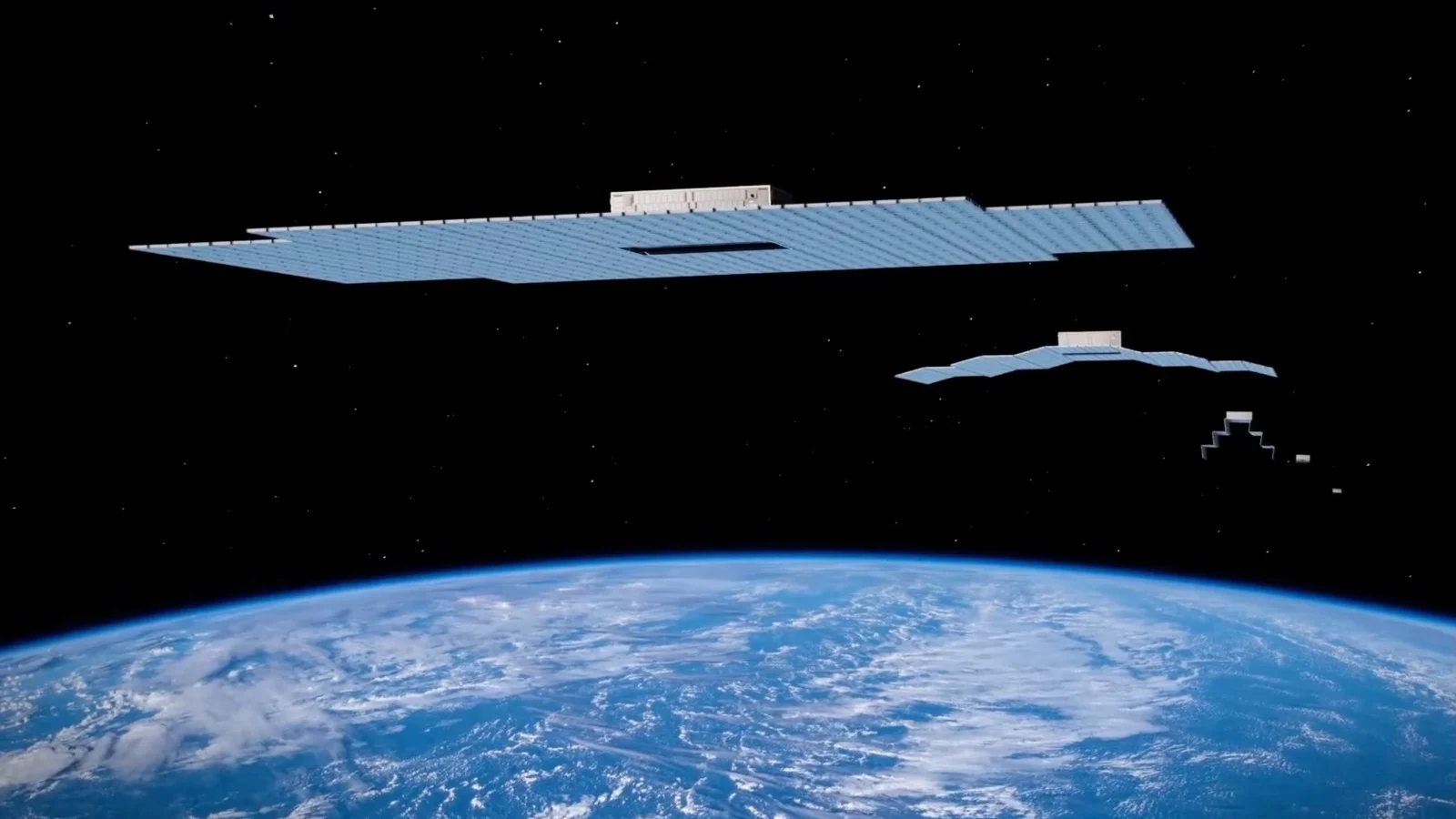
The largest commercial antenna ever deployed in low Earth orbit belongs to a company most people have never heard of. AST SpaceMobile's BlueBird 6 is either the future of cellular connectivity or the most ambitious overreach in telecom history - and it just finished unfolding.