COSMOS 374 DEB (06177)

COSPAR: 1970-089CU | Alt Name: deb Kosmos-374
DECAYED

Image
COSMOS 374 DEB Satellite Image
Additional Sources
Launch Details

Launch Date

October 23, 1970

Launch Pad

LC90/20

Launch Vehicle

Tsiklon-2

Orbital Elements

NORAD ID

06177

International Designator

1970-089CU

Decay Date

1/4/1981

Explore in the Catalog
Basic Satellite Info

Name

COSMOS 374 DEB

Alternative Name

deb Kosmos-374

Type

Debris

Status

Space Junk

Owner

PKO

Country

USSR

Constellation

N/A

Related Satellites

Major Events

N/A

Summary
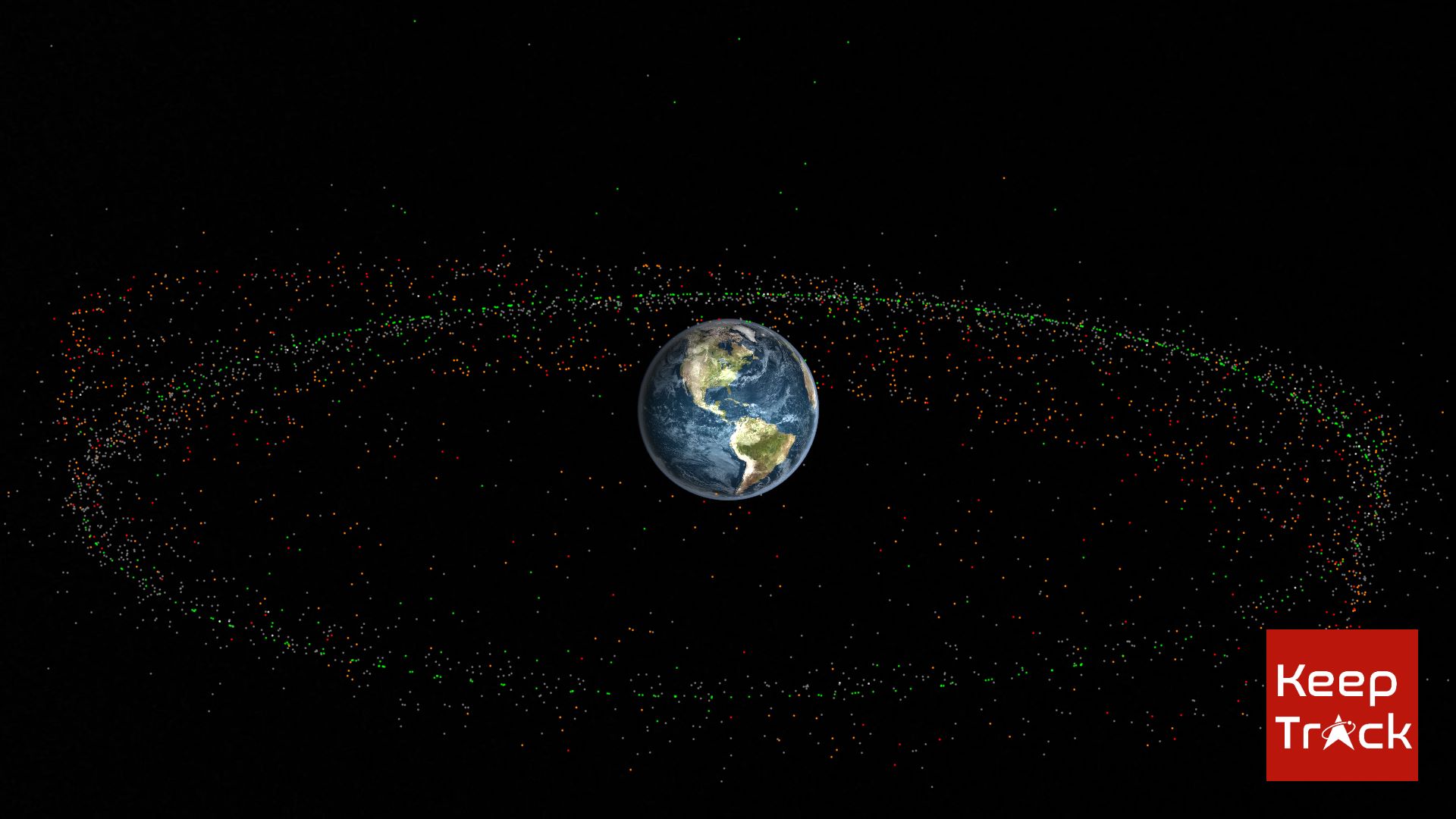
Space debris, also known as space junk, encompasses all non-functional objects orbiting Earth such as defunct satellites, spent rocket stages, and fragments from collisions or disintegrations. Over time, this debris can accumulate and create an increasingly hazardous environment in orbit. Even tiny fragments, traveling at extremely high velocities, can inflict significant damage on operational satellites and spacecraft. If left unmanaged, the density of debris raises the risk of catastrophic collisions and further fragmentation, compounding the problem and threatening the safety and sustainability of space activities.
Physical Characteristics

Length

0

Diameter

0

Span

0

Dry Mass

0

Launch Mass

0

Shape

N/A

Radar Cross Section

0.009

Visual Magnitude

Unknown

Color

Unknown

Material Composition

Unknown

Technical Details

Payload

Unknown

Purpose

Unknown

Mission

Unknown

Manufacturer

Unknown

Life Expectancy

Unknown

Bus

Unknown

Configuration

Unknown

Motor

Unknown

Equipment

Unknown

Power System

Unknown

ADCS

Unknown

Transmitter Frequency

Unknown

Satellite Articles

View All Posts »

Learn more about satellites and other related topics.

ULA Launches 29 Amazon Kuiper Satellites; Falcon Heavy Returns | KeepTrack Space Brief

ULA Launches 29 Amazon Kuiper Satellites; Falcon Heavy Returns | KeepTrack Space Brief

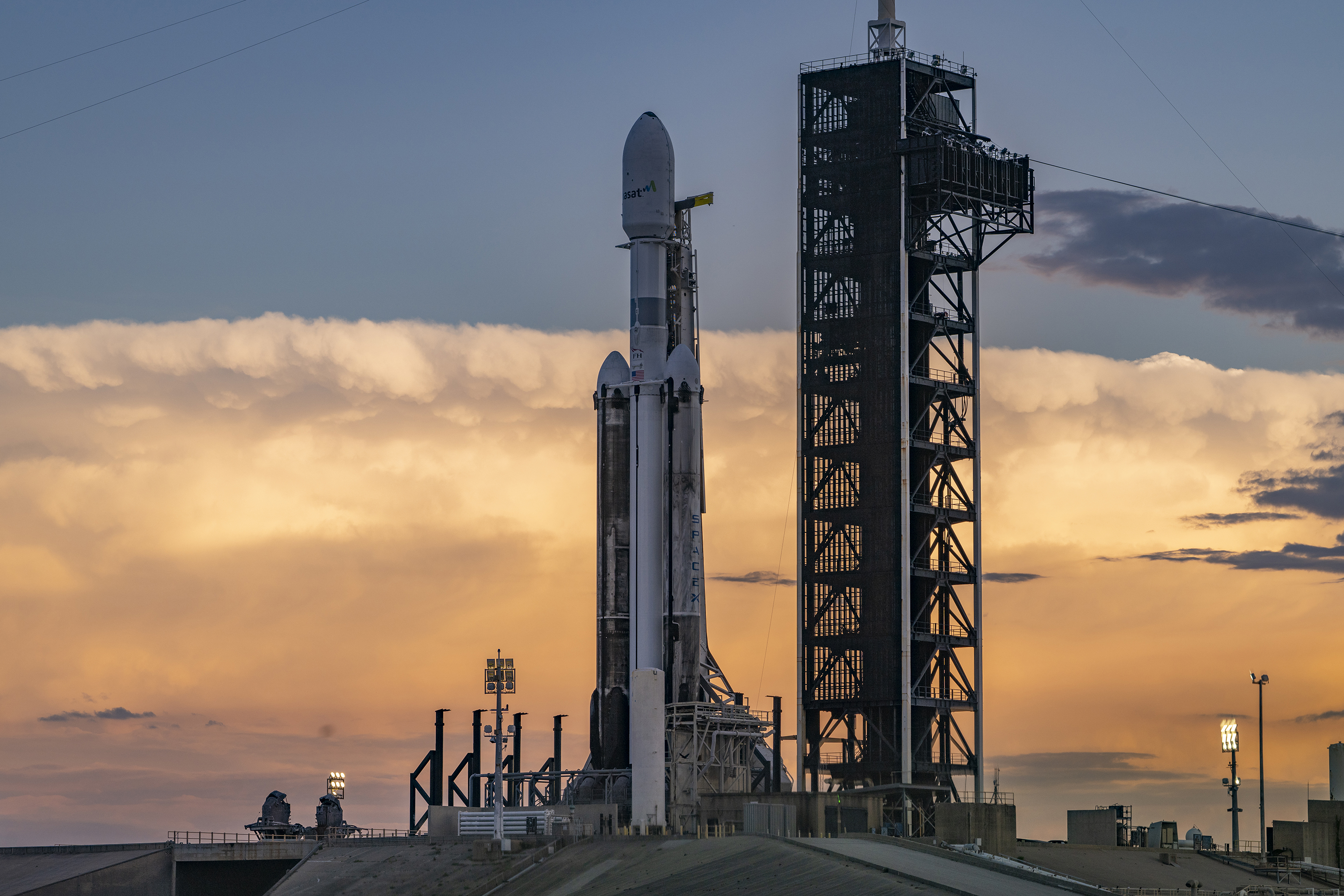
ULA's Atlas V deployed 29 Amazon Kuiper LEO satellites on April 27. Falcon Heavy returns this week with ViaSat-3 F3. Six orbital launches scheduled across three continents.

The Day Japan Joined the Geostationary Club

The Day Japan Joined the Geostationary Club

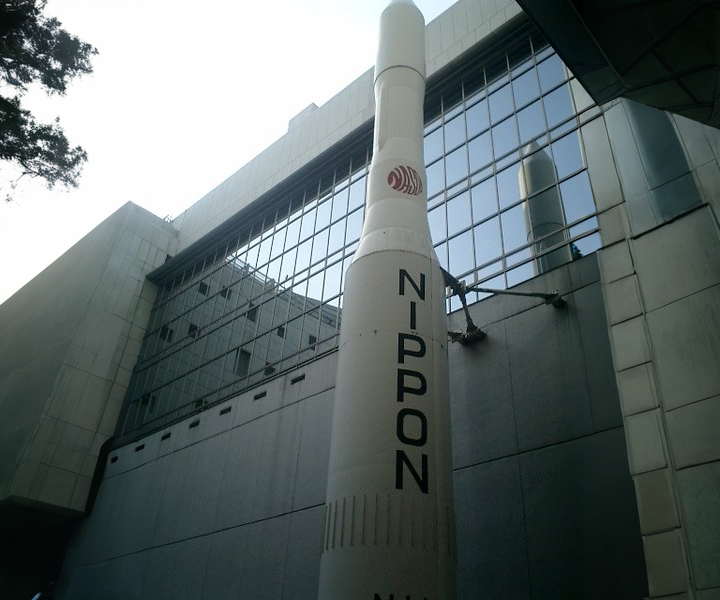
Forty-eight years ago, a pioneering satellite named Kiku 2 propelled Japan into the exclusive group of nations capable of operating satellites in geostationary orbit

X Report 17 May 2025

X Report 17 May 2025

SpaceX gains regulatory approval for a new Starship test flight, further expands its role in U.S. defense, and successfully launches 26 additional Starlink satellites. United Airlines also rolls out Starlink Wi-Fi on its flights.

Japan's H3 Returns to Flight With 6 Satellites | KeepTrack Space Brief

Japan's H3 Returns to Flight With 6 Satellites | KeepTrack Space Brief

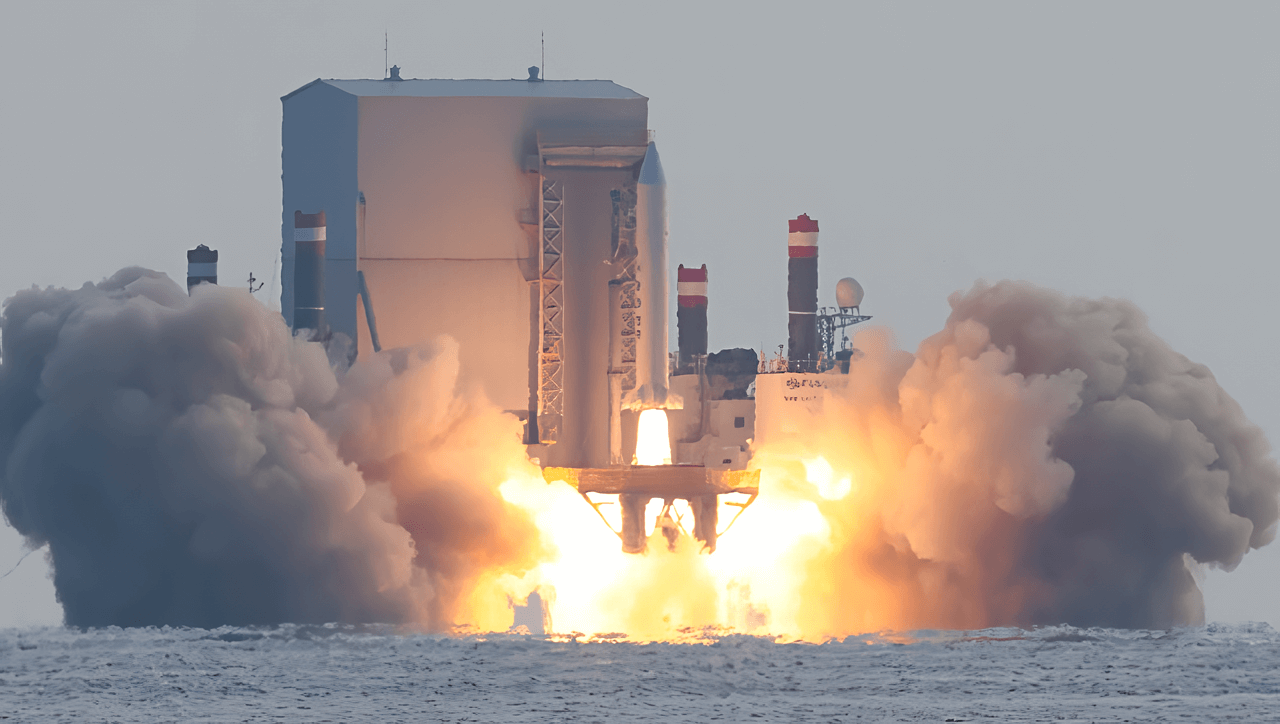
Japan's H3 rocket successfully launched June 11, deploying 6 smallsats to orbit after December failure. First return-to-flight for JAXA's flagship heavy-lift vehicle.

SpaceX to Launch 11,000th Starlink Satellite, Crew-12 Moved Up to Feb 11 | KeepTrack X Report

SpaceX to Launch 11,000th Starlink Satellite, Crew-12 Moved Up to Feb 11 | KeepTrack X Report

SpaceX set to launch 11,000th Starlink satellite on Starlink 17-19 from Vandenberg. NASA moves Crew-12 launch to Feb 11 after ISS medical evacuation. Starship V3 targets mid-March first flight.

Geosynchronous Orbit (GEO)

Geosynchronous Orbit (GEO)

Understanding the unique orbital sweet spot that keeps satellites perfectly positioned above Earth

Space Force Cancels OCX GPS Ground System, Space Brief 21 Apr 2026

Space Force Cancels OCX GPS Ground System, Space Brief 21 Apr 2026

Space Force cancels the OCX GPS ground system after RTX failures and stands up a cislunar task force. SpaceX launches the 10th and final GPS III.

Space Brief 22 Feb 2025

Space Brief 22 Feb 2025

Today's brief covers a reveal from the US Space Force of the X-37B space plane in orbit, a developing defense shakeup involving key military leaders, confirmation of advanced federated ICAM connections by the DoD, and SAAB's plan for a Euro defense coalition. Plus, we spotlight the BDSAT-2 CubeSat.