

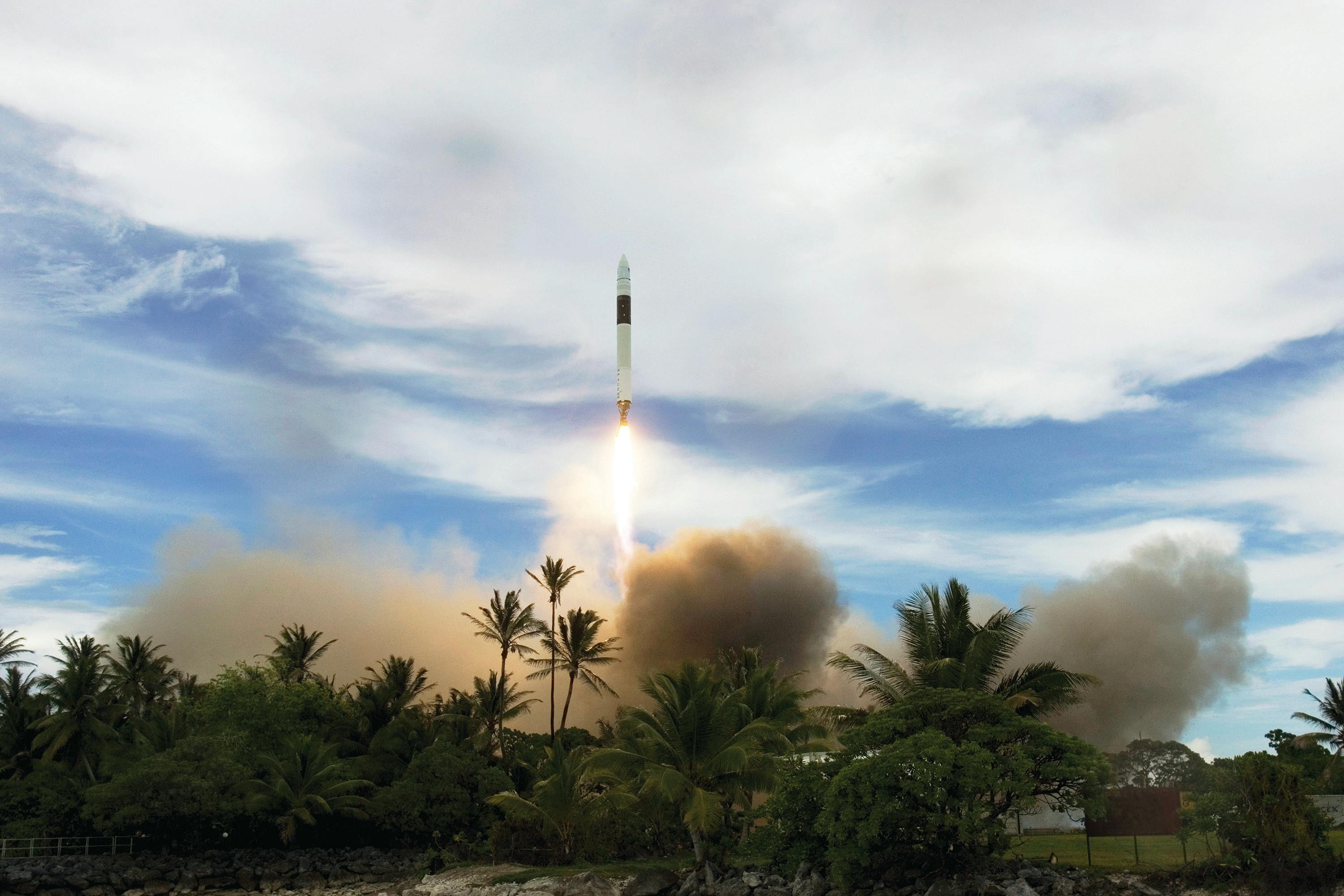
X Report 7 Sep 2025
SpaceX launches 24 Starlink satellites, pushing its 2025 total beyond 2,000, while facing community pushback in Florida for its Starship operations.


Launch Date
June 9, 1972
Launch Site
Launch Pad
LC31
Launch Vehicle
Voskhod 11A57
NORAD ID
06050
International Designator
1972-040B
Decay Date
6/18/1972
Name
SL-4 R/B
Alternative Name
Voskhod (N187) Blok-I
Type
Status
Owner
RVSN
Country
USSR
Constellation
N/A
Related Satellites
Major Events
N/A
Length
6.7
Diameter
2.7
Span
6.7
Dry Mass
2350
Launch Mass
2350
Shape
Cyl
Radar Cross Section
Unknown
Visual Magnitude
Unknown
Color
Unknown
Material Composition
Unknown
Payload
11A57I
Purpose
Unknown
Mission
Unknown
Manufacturer
PROG
Life Expectancy
Unknown
Bus
Blok-I
Configuration
Unknown
Motor
Unknown
Equipment
Unknown
Power System
Unknown
ADCS
Unknown
Transmitter Frequency
Unknown
Learn more about satellites and other related topics.
SpaceX launches 24 Starlink satellites, pushing its 2025 total beyond 2,000, while facing community pushback in Florida for its Starship operations.

Today's highlights include China's lunar collaboration with Russia, new insights from Magellan's Venus mission, and stunning 8K images of the sun.
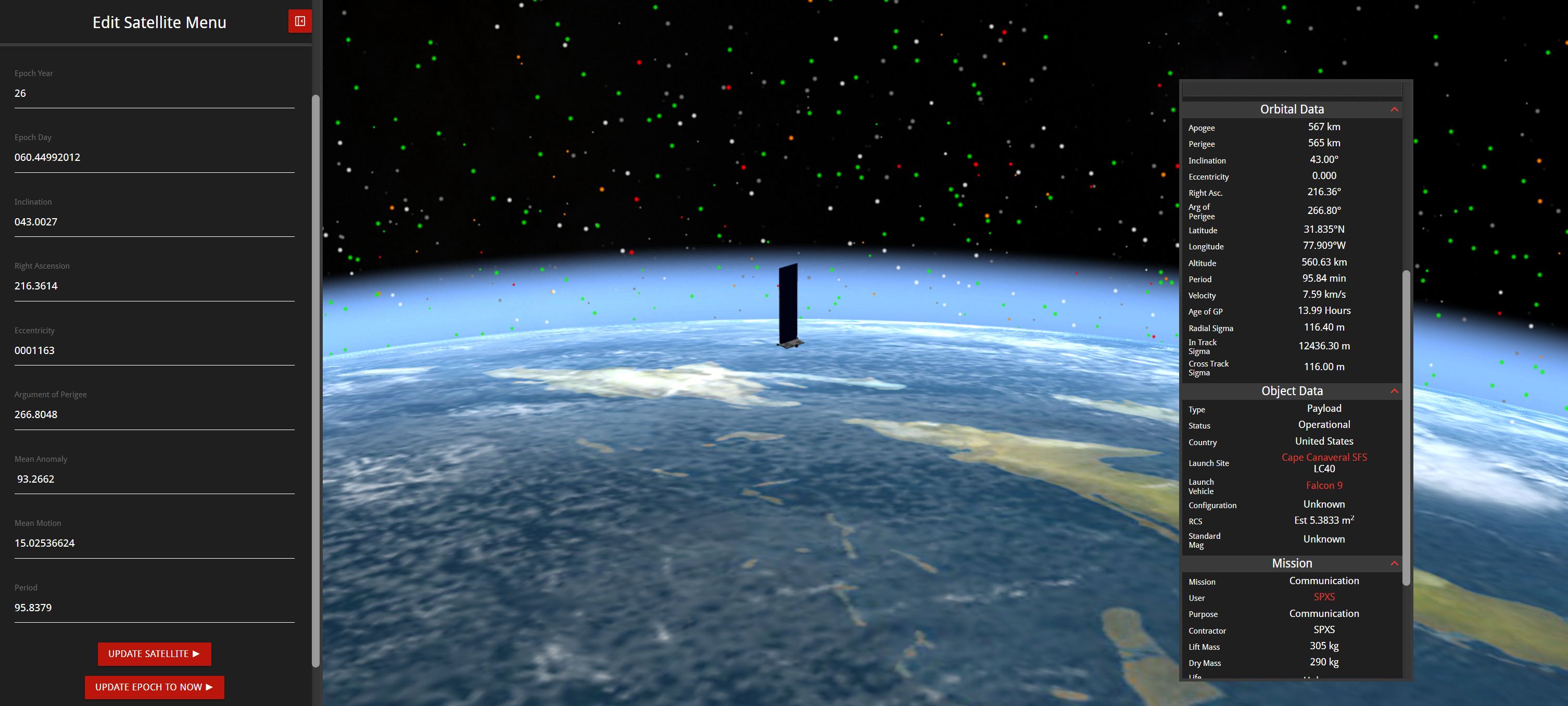
The compact data format that describes every tracked satellite orbit in just two lines of text, and how to read it

SpaceX successfully launched 29 Starlink satellites on November 14, marking the first of two rapid-fire Falcon 9 missions from Florida's Space Coast in under four hours.
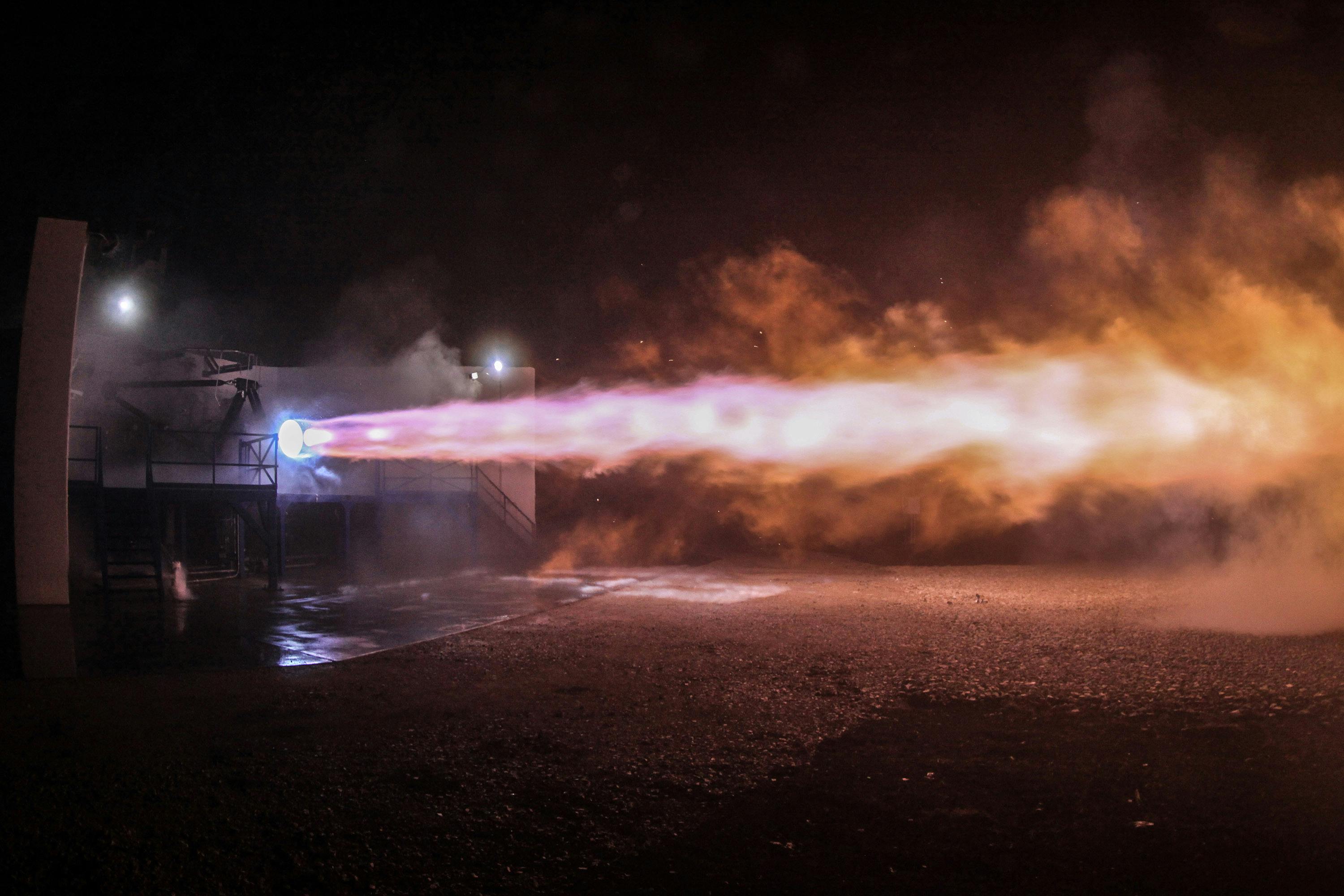
Falcon 9 targets ISS Cygnus resupply as Artemis II reaches its halfway mark and SpaceX HLS commitment draws NASA praise.

Today's Space Brief covers the latest developments in space debris detection, Ursa Major's defense push, and SpaceX's Starlink launch. Additionally, insights into microreactors for military bases, US Cyber Command updates, and gravitational wave discoveries are highlighted.
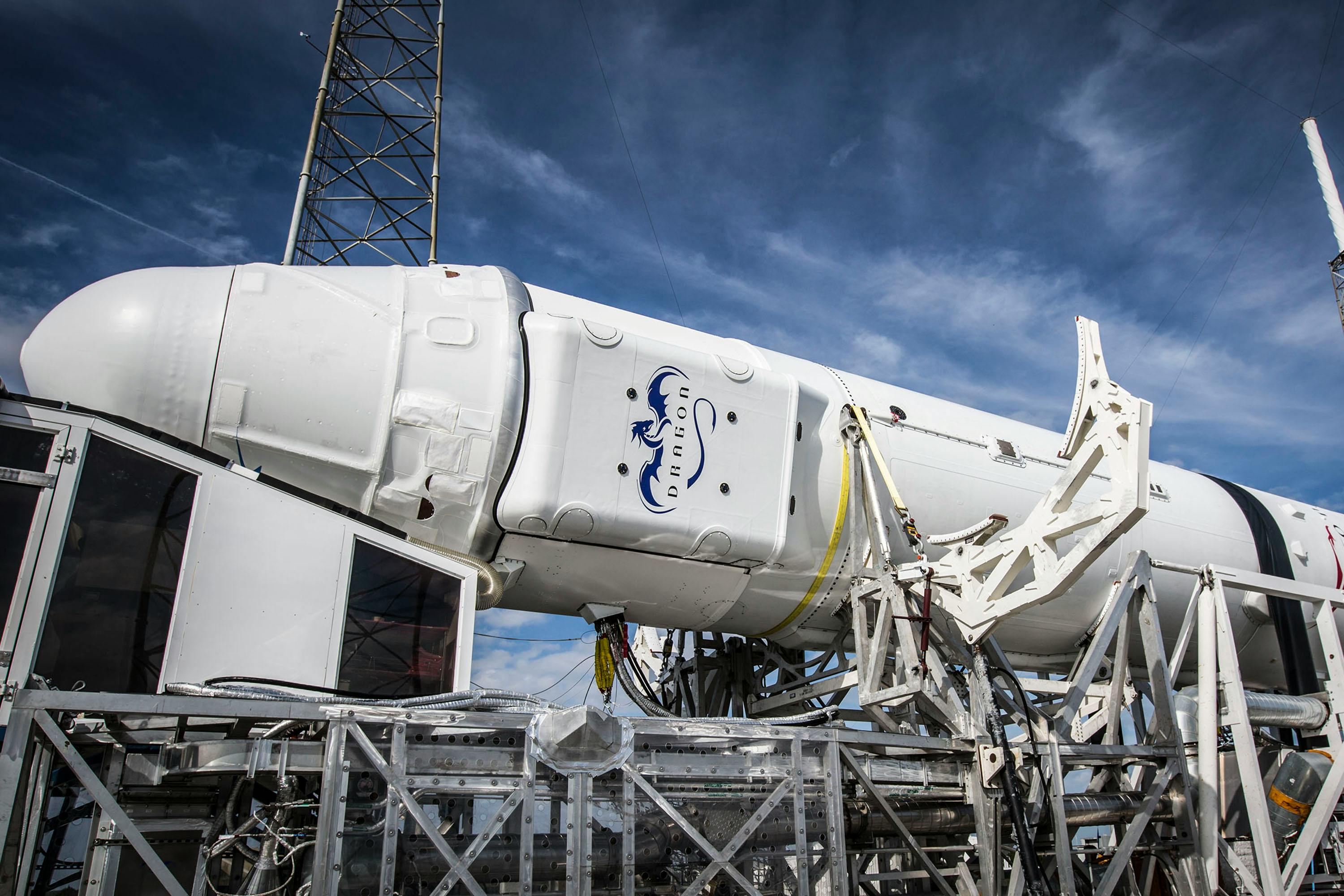
Starship developments continue to capture attention alongside Starlink's latest deployment milestones.

LeoLabs debuts Delta, a space monitoring tool designed for military operators to detect adversarial orbital activity beyond standard conjunction warnings.