


X Report 16 Feb 2025
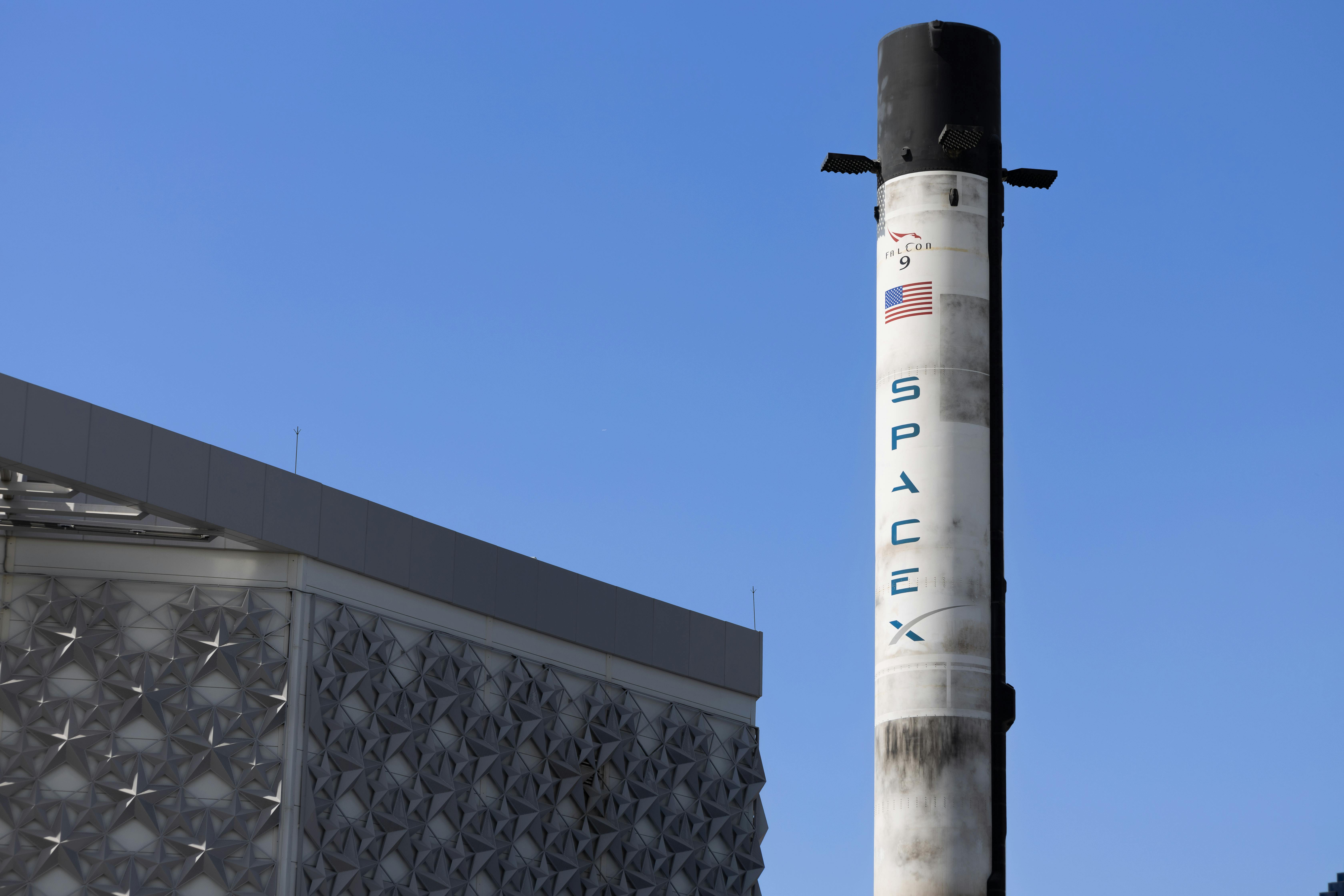
SpaceX achieves a new milestone with the Falcon 9 and Starlink reshapes satellite connectivity landscape.


Launch Date
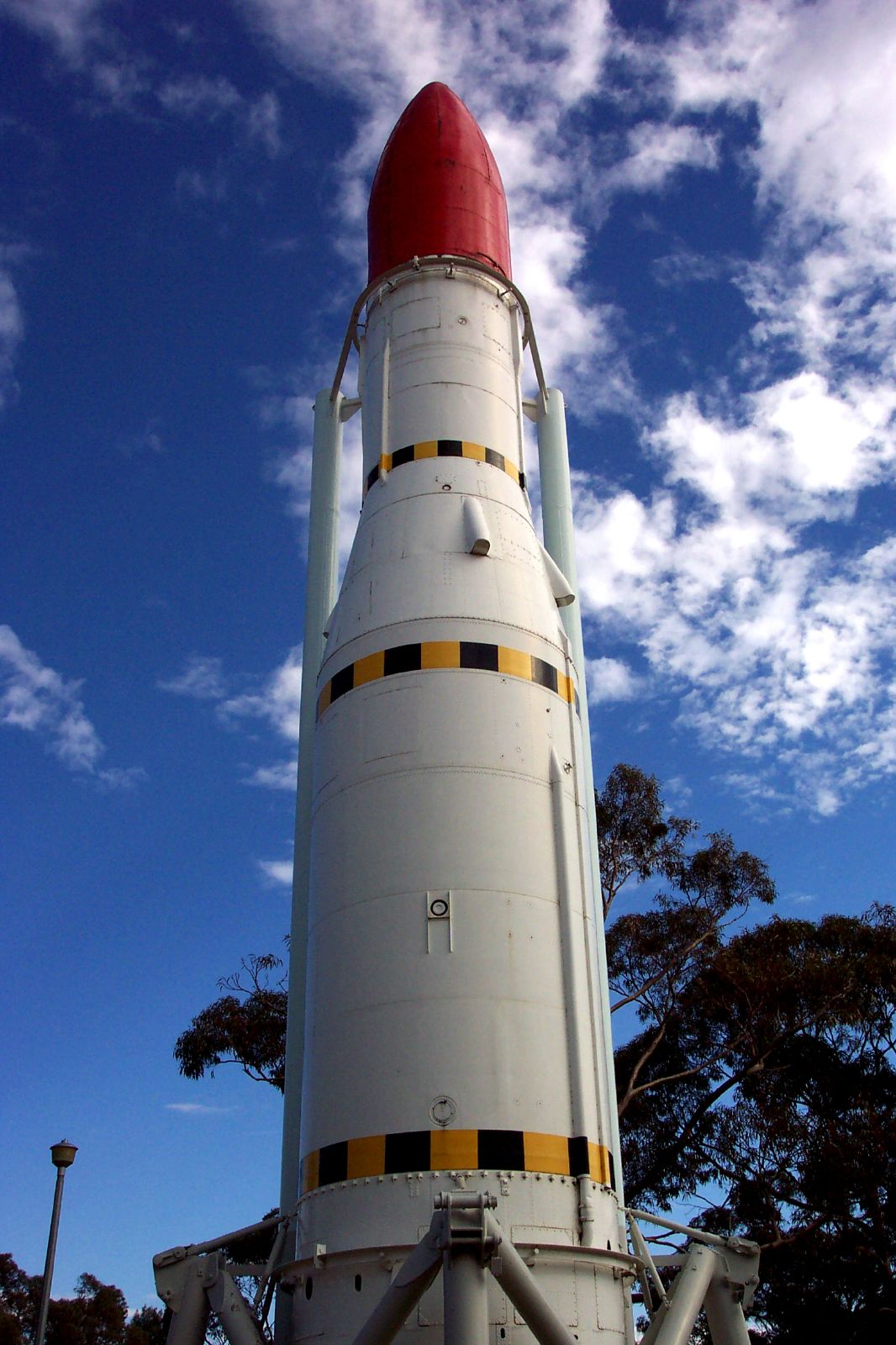
October 28, 1971
Launch Site
WOMRA
Launch Pad
LA5B
Launch Vehicle
Black Arrow
NORAD ID
05580
International Designator
1971-093A
Epoch
Mon, 20 Jul 2026 03:17:54 GMT
Apogee
Calculating...
Perigee
Calculating...
Inclination
82.04°
Right Ascension
261.91°
Eccentricity
Calculating...
Argument of Perigee
132.58°
Period
102.73 min
Mean Motion
14.02 rev/day
Latitude
Calculating...
Longitude
Calculating...
Altitude
Calculating...
Velocity
Calculating...
Name
PROSPERO (BLACK ARROW)
Alternative Name
Prospero
Type
Status
Owner
RAE
Country
United Kingdom
Constellation
N/A
Related Satellites
Major Events
N/A
1 05580U 71093A 26201.13743925 .00000574 00000+0 11652-3 0 9996
2 05580 82.0370 261.9070 0502164 132.5848 231.8848 14.01698638753144
Source: Celestrak
Apologies, there is no summary for this satellite yet. I am working to generate these for every object in the catalog, but it is going to take time.
Length
0.7
Diameter
1.1
Span
1.1
Dry Mass
66
Launch Mass
66
Shape
Poly
Radar Cross Section
0.9213
Visual Magnitude
Unknown
Color
Unknown
Material Composition
Unknown
Payload
X-3
Purpose
Technology
Mission
Technology
Manufacturer
BAC
Life Expectancy
25 years (achieved)
Bus
X-3
Configuration
Polyhedron
Motor
None
Equipment
icrometeoroid detector
Power System
Solar cells, batteries
ADCS
Unknown
Transmitter Frequency
Unknown
Learn more about satellites and other related topics.
SpaceX achieves a new milestone with the Falcon 9 and Starlink reshapes satellite connectivity landscape.
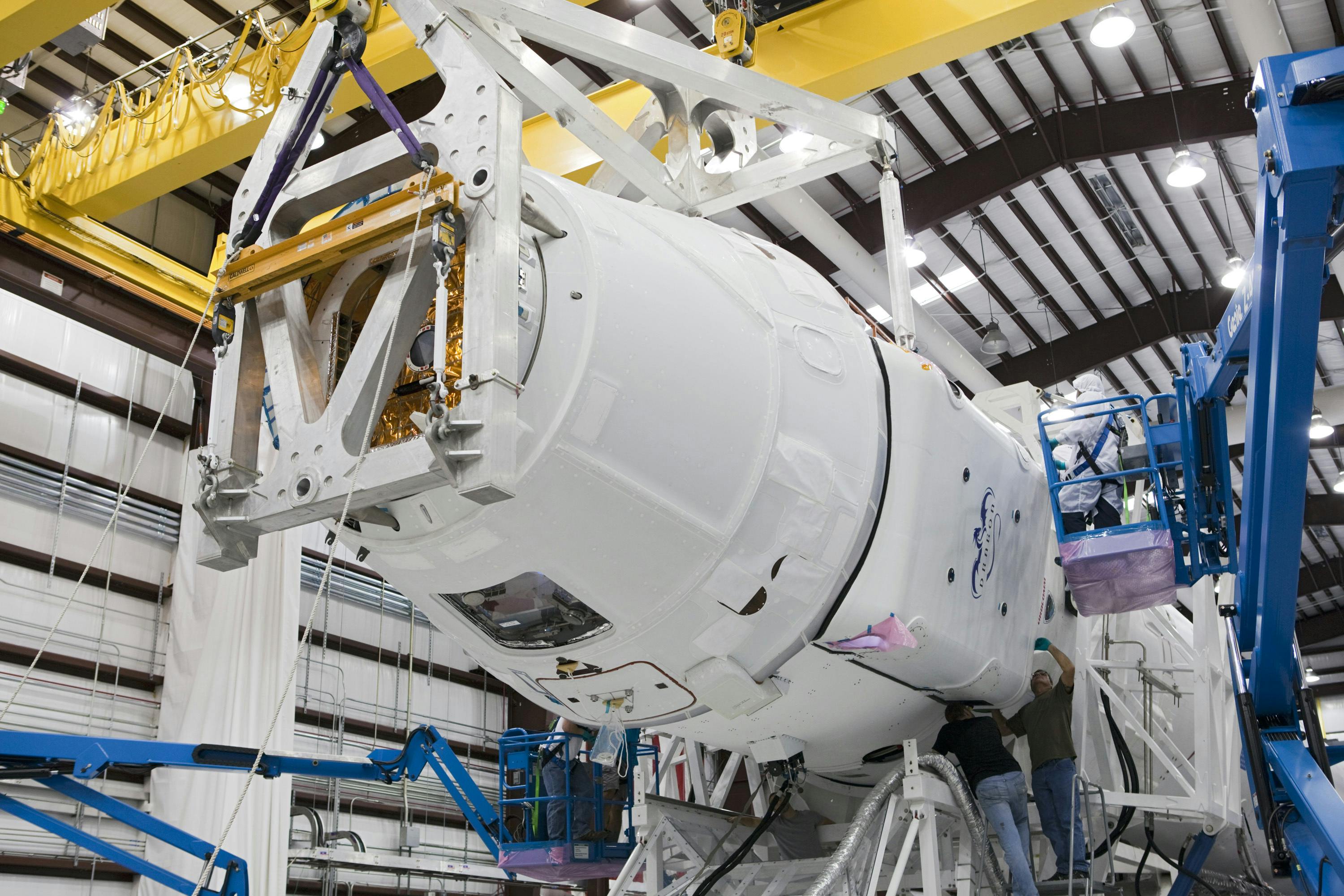
SpaceX impresses with the successful launch of 24 Starlink satellites and shares stunning visuals from the recent Starship Flight 10, which demonstrated remarkable landing precision.
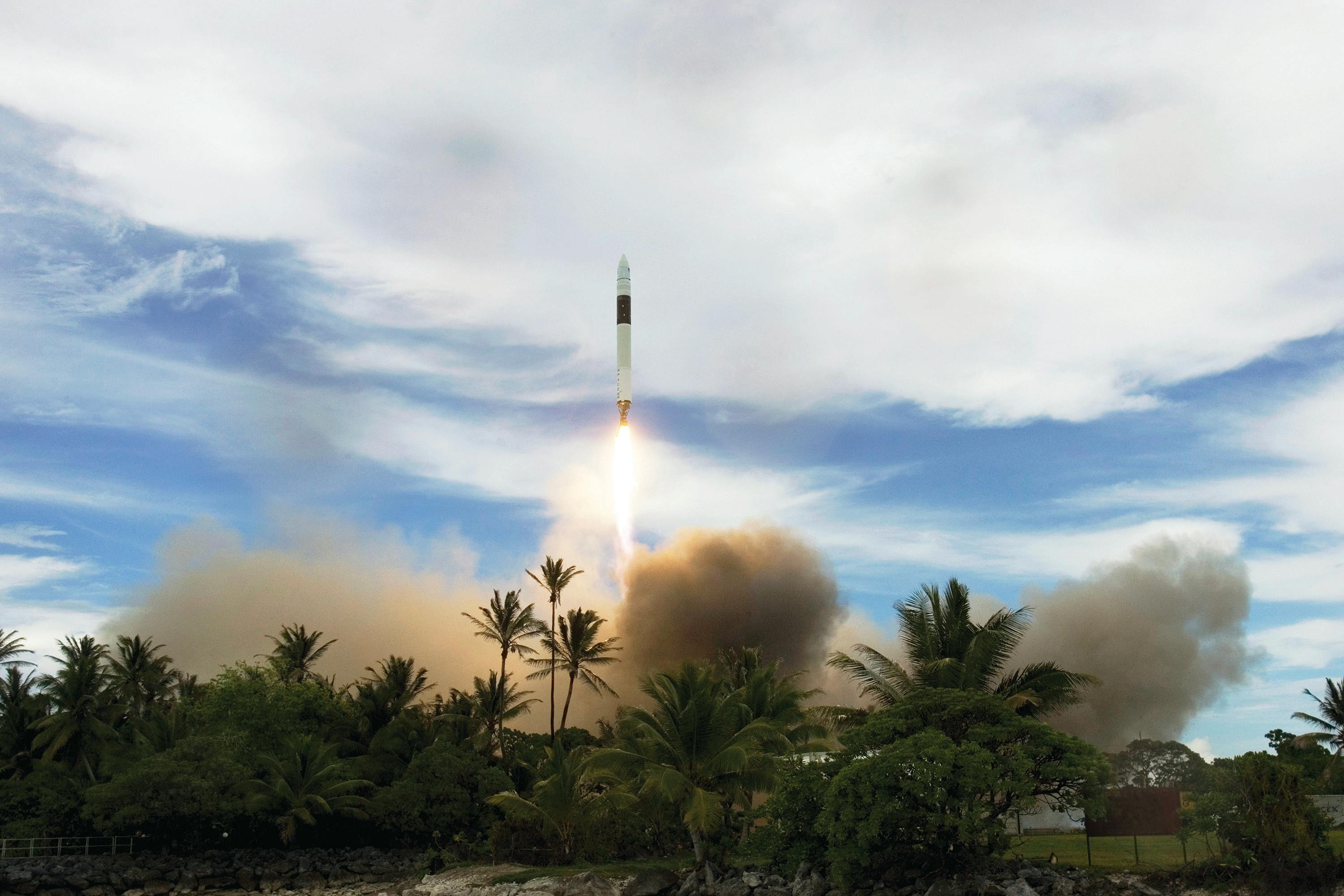
Starlink satellites in orbit May 2026: 10,374, with 10,358 working. Mission 17-29 lifts 24 more from Vandenberg and a satellite films the Starlink train.

Today's space brief covers significant advancements in military counter-drone capabilities, workforce challenges in the Navy related to DOGE budget cuts, and highlights Germany's rise in defense spending. We also shine a spotlight on the communications satellite INTELSAT 901.
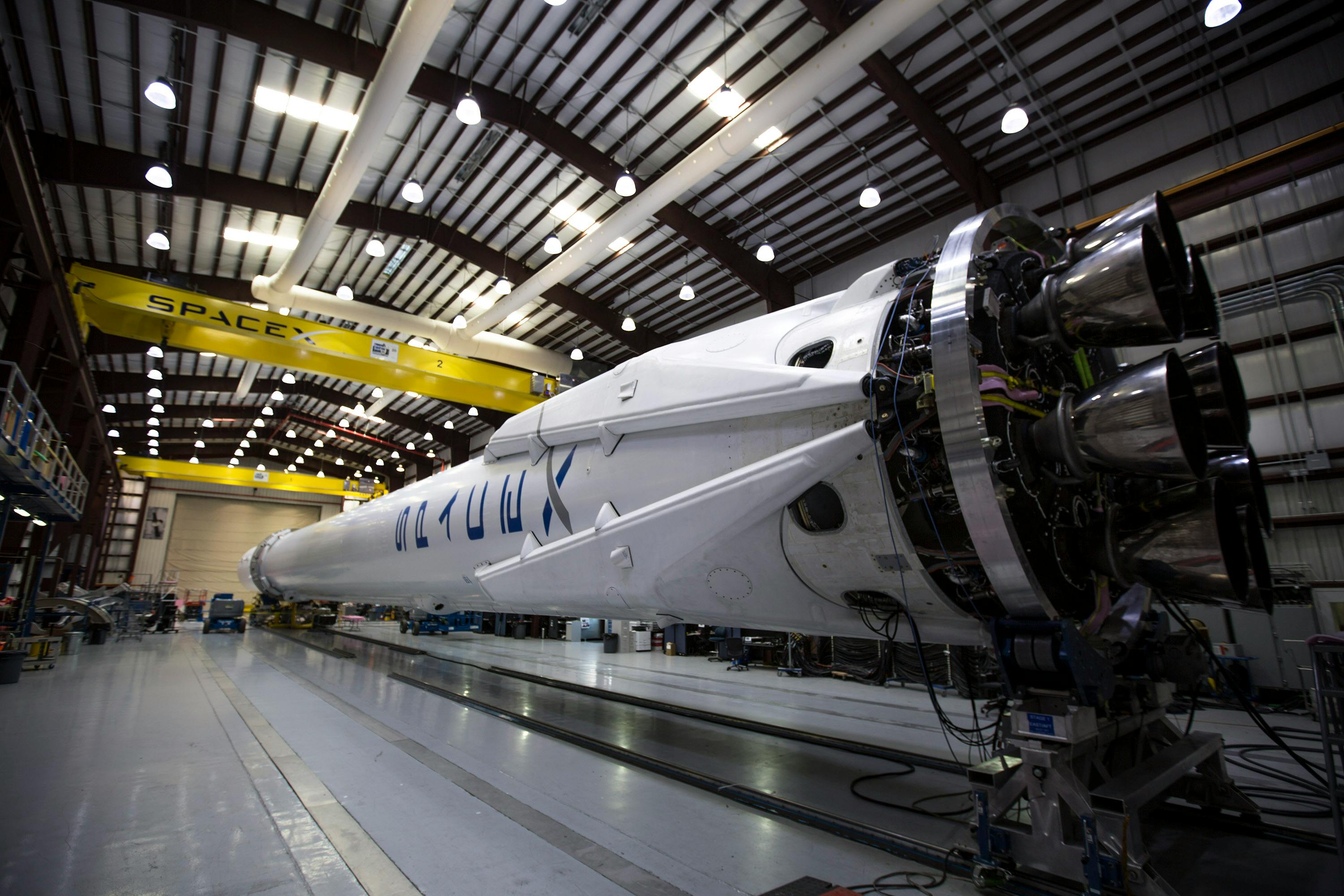
SpaceX makes strides on Starship launch pad, upcoming Starlink infusions from California and Florida, and regulatory challenges loom with FCC and C-band spectrum.

Key topics today include the US Space Force's new international strategy, China's partnership with Pakistan for astronaut training, and conservation concerns over SpaceX landing proposals.

Space Force projects 25 additional high-energy missions in 2027–2029 window, straining capacity at Vulcan and Falcon Heavy. Capacity constraints will drive military-NASA prioritization debates.
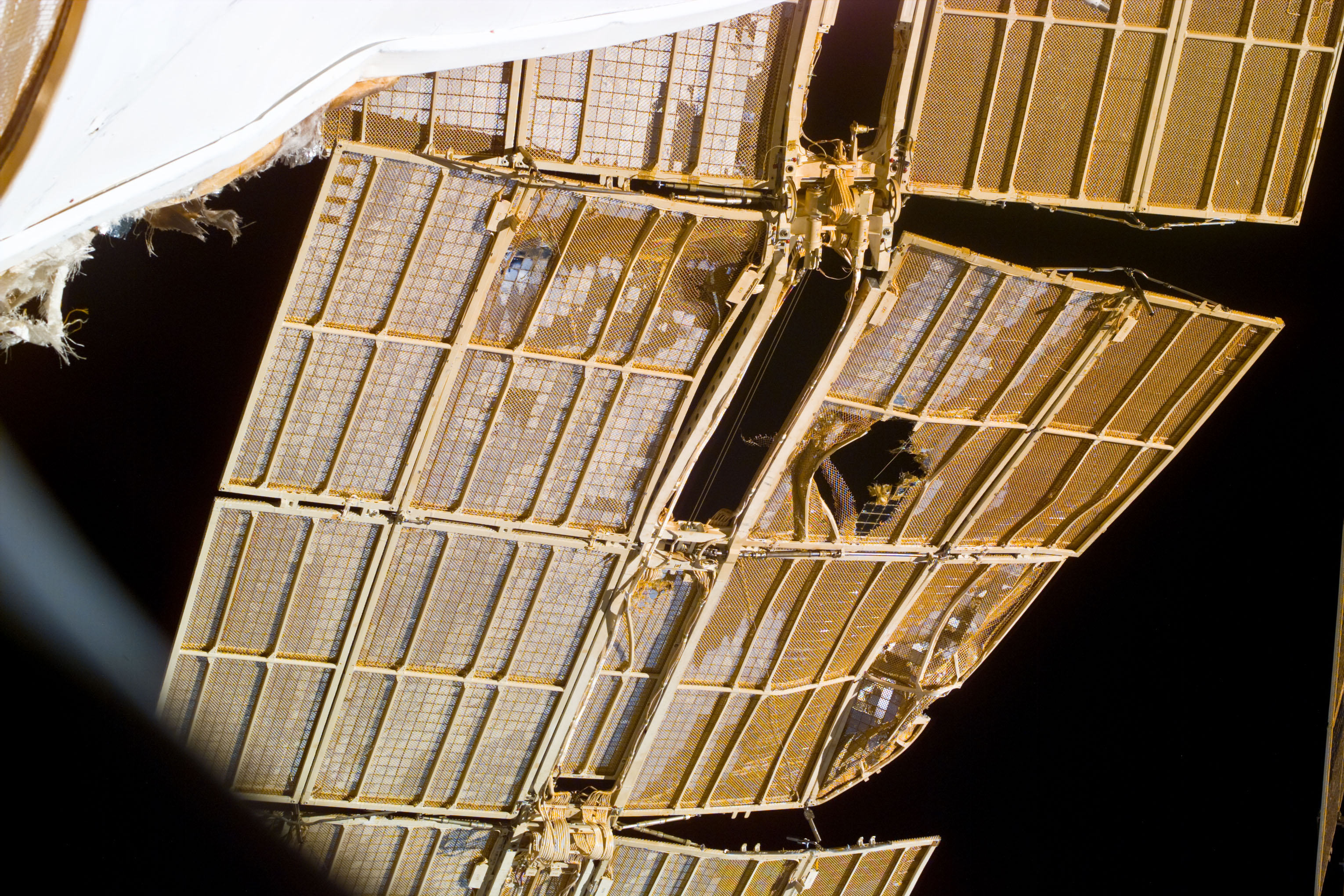
On 25 June 1997, a seven-ton cargo ship under hand control drifted into Mir's Spektr module, breached the hull, and left three crew members listening to their air hiss into space. It remains the worst collision in the history of human spaceflight.