


X Report 2 Sep 2025
SpaceX kicks off a busy week with five Falcon 9 missions planned, while the impressive layout of Raptor engines on Starship captures imaginations.



Launch Date
April 8, 1970
Launch Site
AFWTR
Launch Pad
SLC2E
Launch Vehicle
Thorad SLV-2G Agena D
NORAD ID
05506
International Designator
1970-025LK
Decay Date
3/28/1991
Name
THORAD AGENA D DEB
Alternative Name
deb Agena D
Type
Status
Owner
GSFC
Country
United States
Constellation
N/A
Related Satellites
Major Events
N/A
Length
0
Diameter
0
Span
0
Dry Mass
0
Launch Mass
0
Shape
N/A
Radar Cross Section
0.0358
Visual Magnitude
Unknown
Color
Unknown
Material Composition
Unknown
Payload
Unknown
Purpose
Unknown
Mission
Unknown
Manufacturer
Unknown
Life Expectancy
Unknown
Bus
Unknown
Configuration
Unknown
Motor
Unknown
Equipment
Unknown
Power System
Unknown
ADCS
Unknown
Transmitter Frequency
Unknown
Learn more about satellites and other related topics.
SpaceX kicks off a busy week with five Falcon 9 missions planned, while the impressive layout of Raptor engines on Starship captures imaginations.
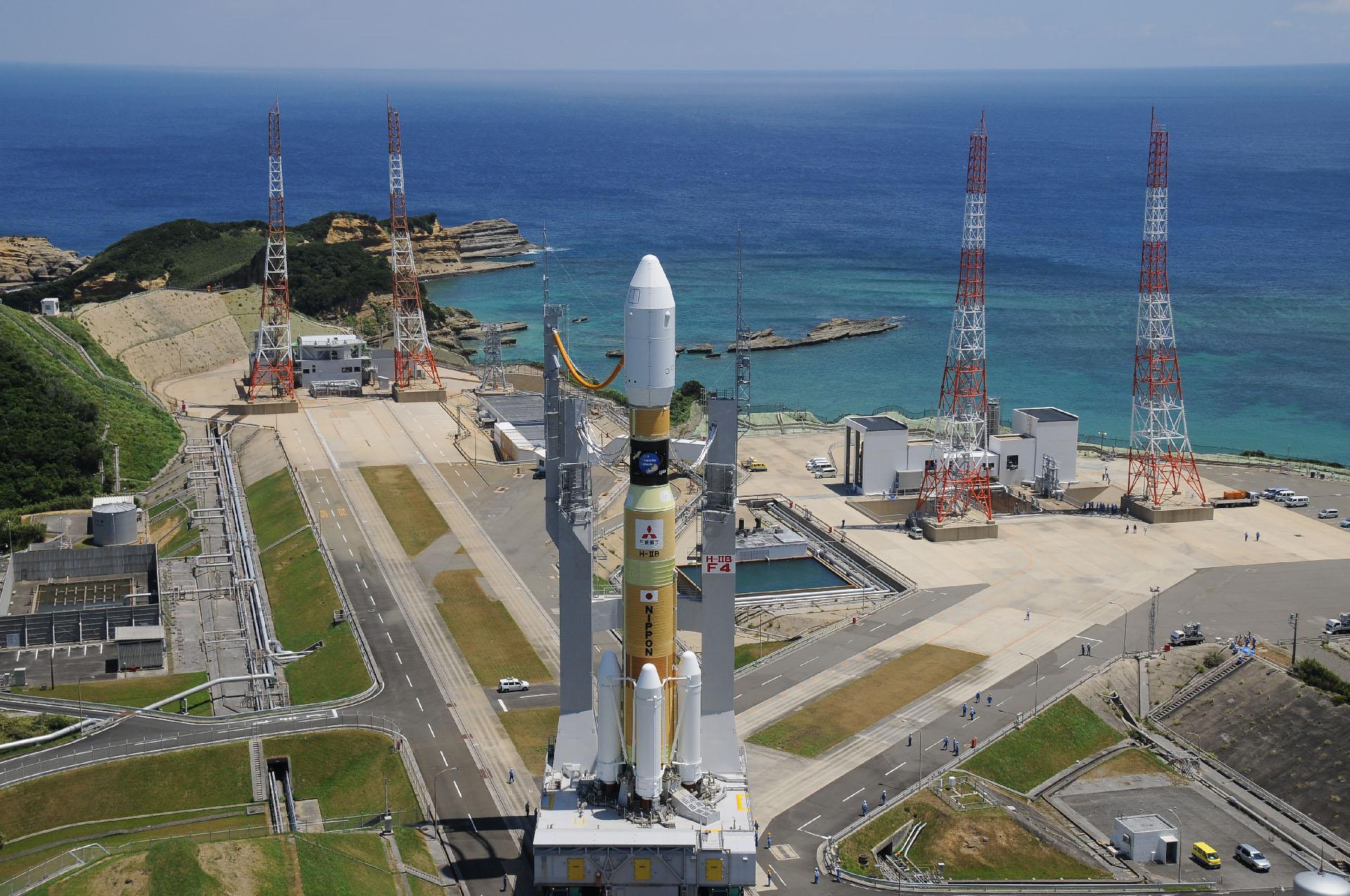
Today's briefing covers Blue Origin's certification progress, a near-miss between a Chinese spacecraft and a Starlink satellite, SpaceX's latest Starlink launch and booster landing, potential IPO news from SpaceX, and advancements in Starlink integration with Tesla vehicles.
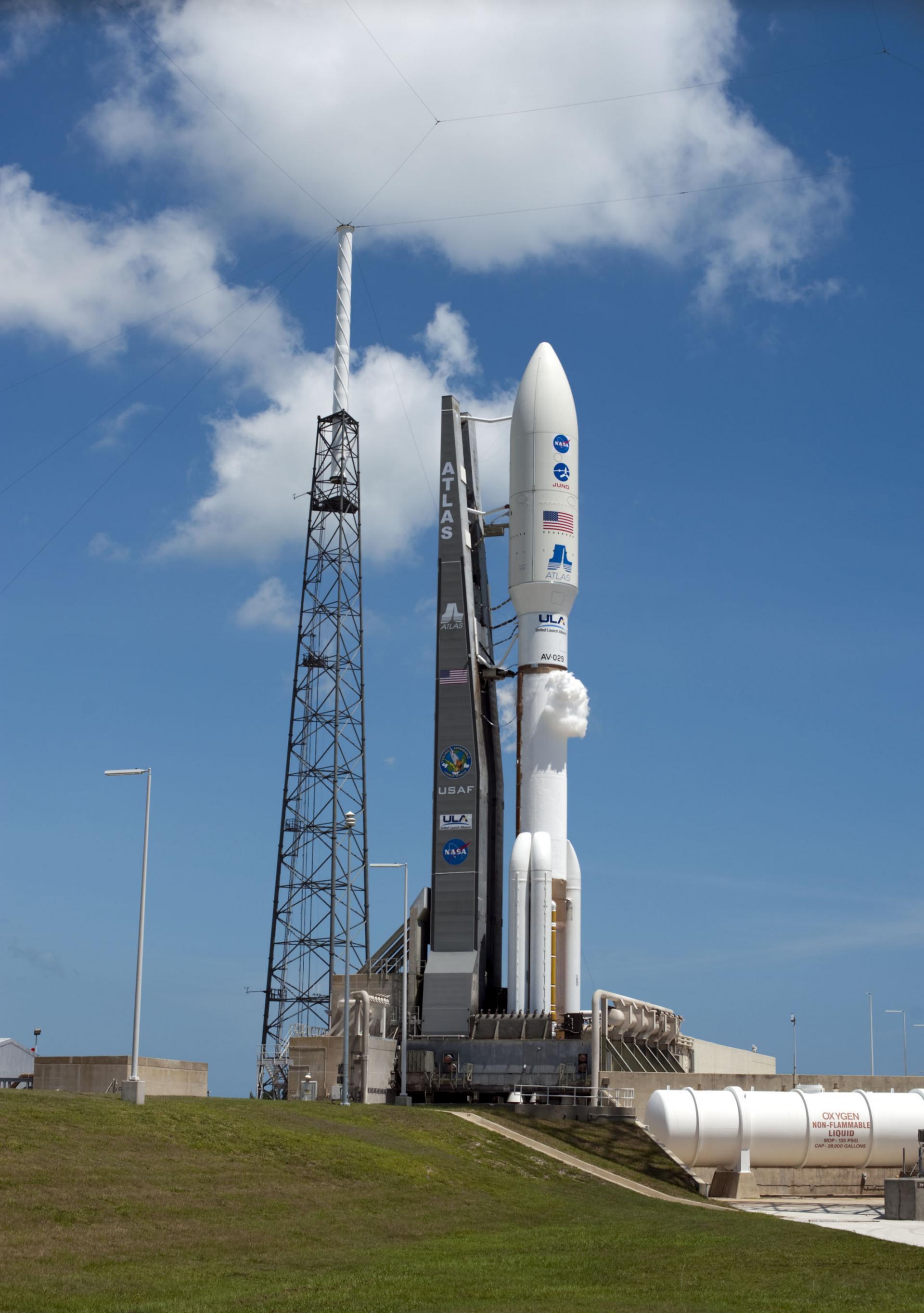
Today's brief covers a significant GPS satellite launch by SpaceX, China's classified satellite mission, and Rocket Lab's strategic steps in the defense sector.
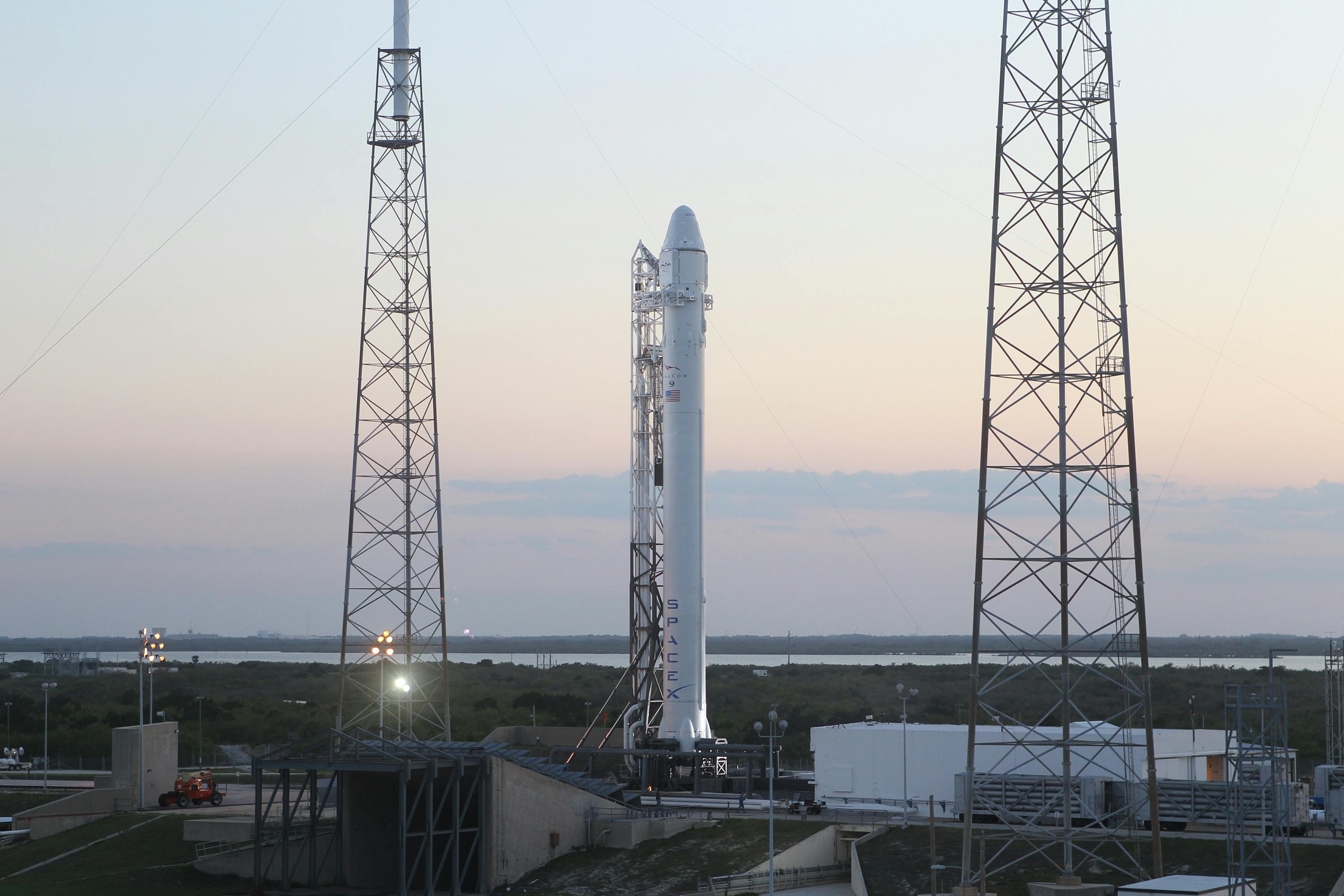
SpaceX targets May 19 for Starship V3's first flight from Pad 2 as the FCC approves a $2.4B EchoStar spectrum deal for Starlink D2D.

Trump approaches Elon Musk about restoring Iran internet via Starlink during government blackout. SpaceX completes fifth launch of 2026 with 29 Starlink satellites from Cape Canaveral.
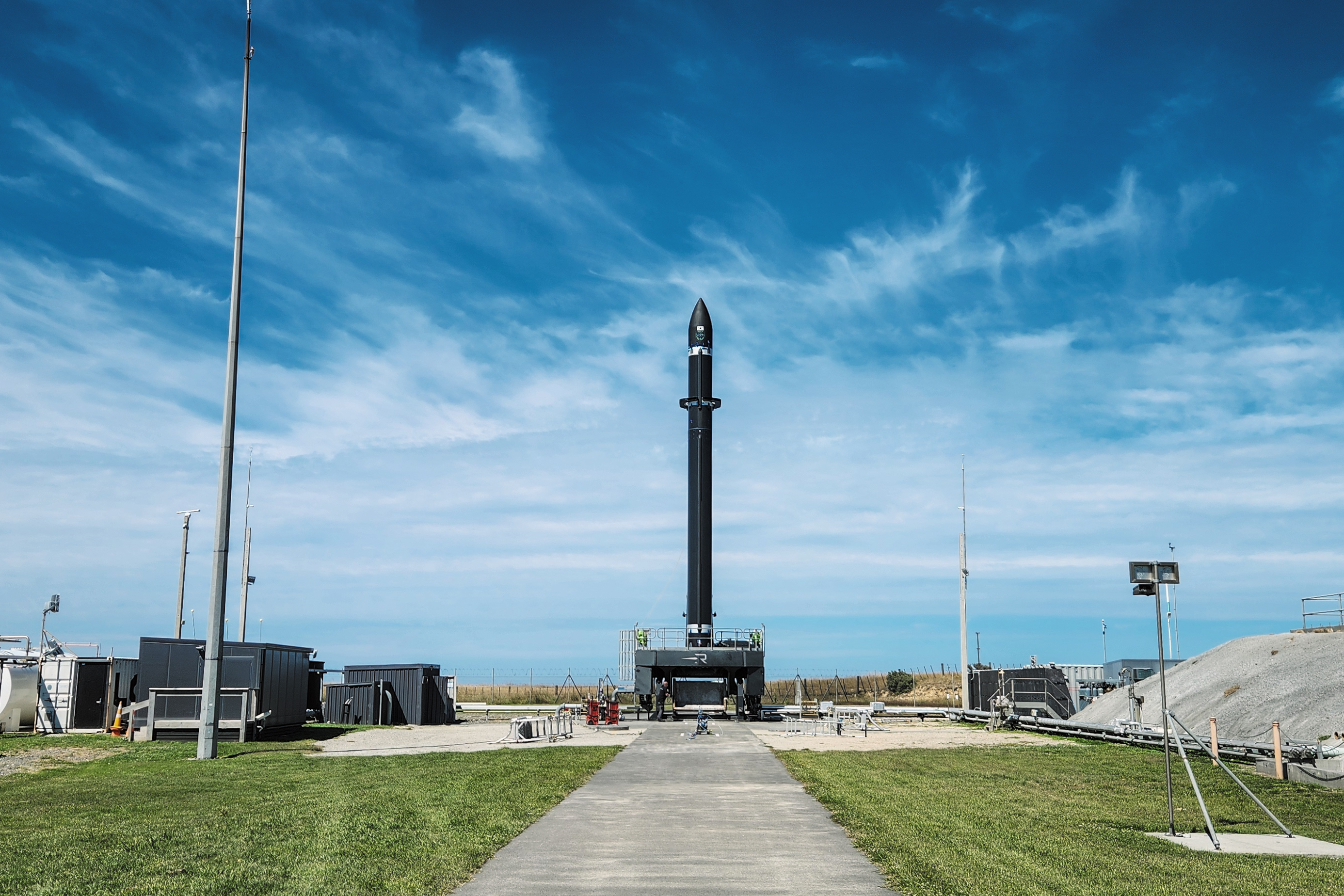
Space Force terminates Resilient GPS satellite program. China successfully tests Long March 12B reusable first stage at Jiuquan. GE and Lockheed validate detonation ramjet for hypersonic missiles.
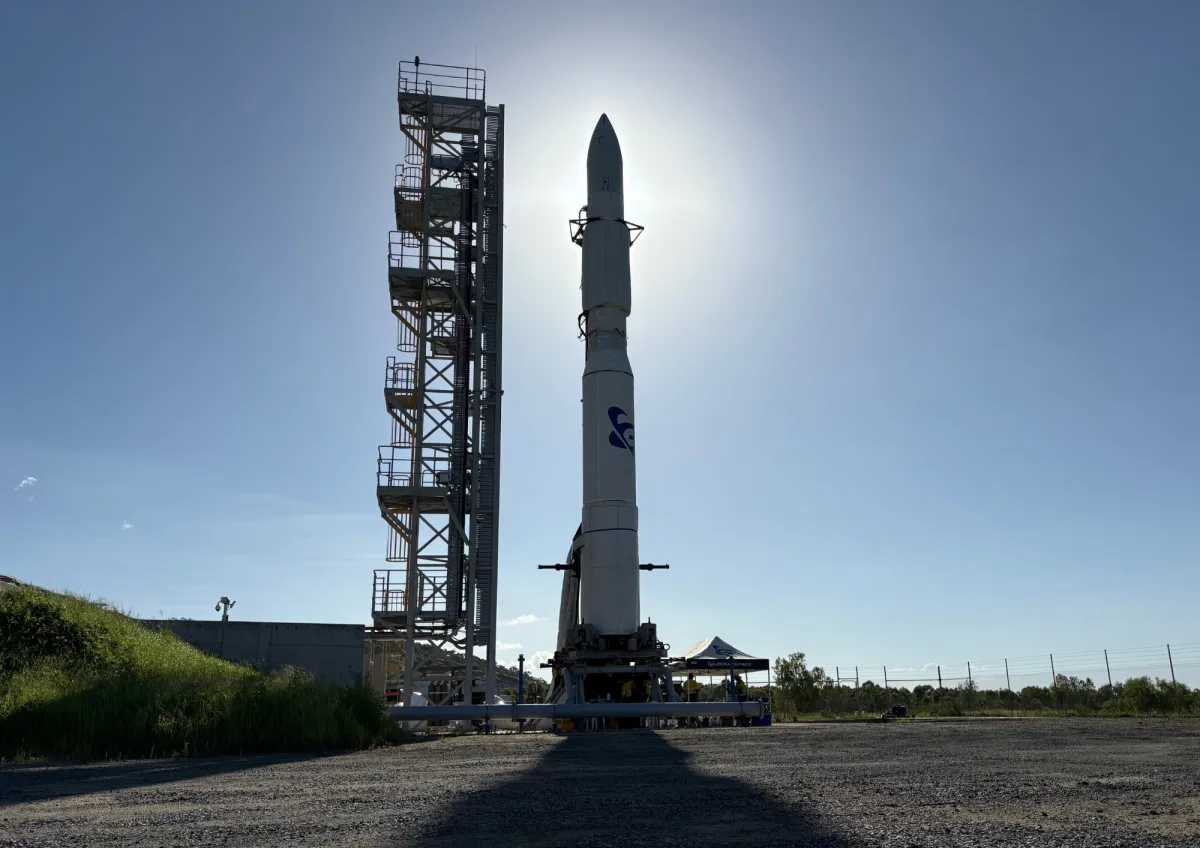
Today's space highlights include significant military contracts for aerospace innovations, advancements in small-satellite procurement, and discussions on the role of nuclear energy in space exploration.
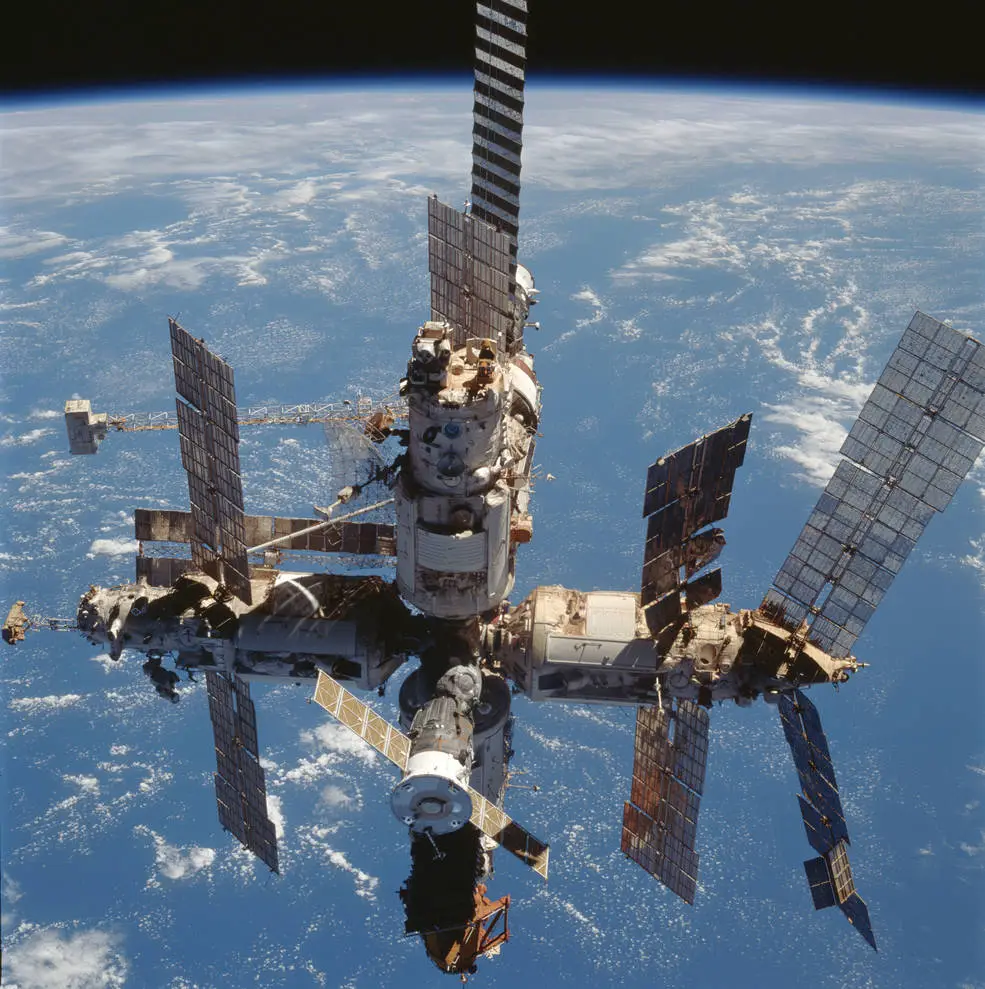
Thirty-nine years ago, a Proton rocket carried the core of the Mir space station into orbit, launching an unprecedented era of continuous human presence in space and international cooperation