


Starship V3 Targets May 19 on New Pad 2 | KeepTrack X Report
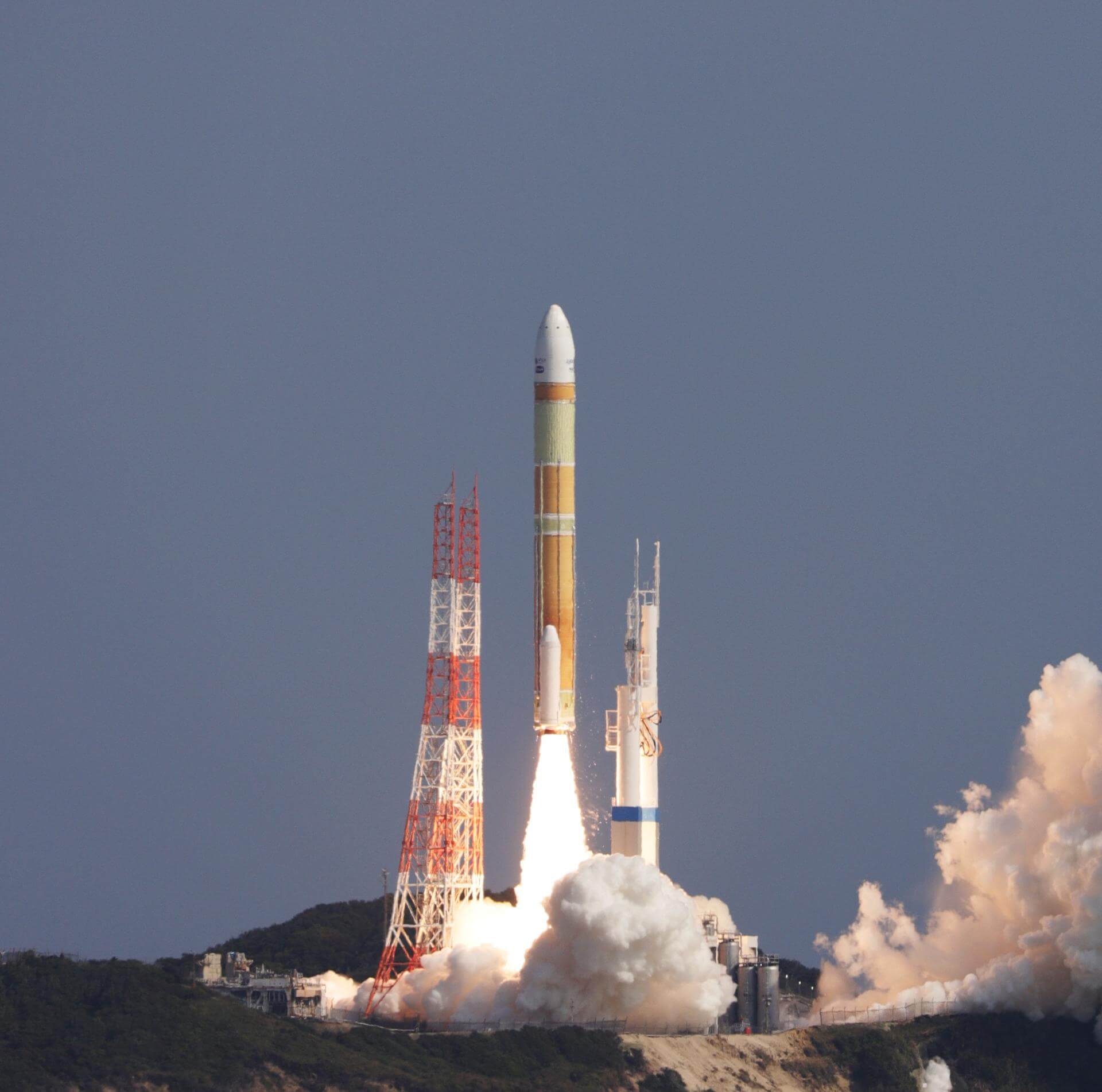
SpaceX targets May 19 for Starship V3's debut from Launch Pad 2, while the FCC approves a $2.4B EchoStar spectrum deal for Starlink.


Launch Date
August 5, 1971
Launch Site
Launch Pad
LC31
Launch Vehicle
Voskhod 11A57
NORAD ID
05380
International Designator
1971-066B
Decay Date
8/9/1971
Name
SL-4 R/B
Alternative Name
Voskhod (N161) Blok-I
Type
Status
Owner
RVSN
Country
USSR
Constellation
N/A
Related Satellites
Major Events
N/A
Length
6.7
Diameter
2.7
Span
6.7
Dry Mass
2350
Launch Mass
2350
Shape
Cyl
Radar Cross Section
Unknown
Visual Magnitude
Unknown
Color
Unknown
Material Composition
Unknown
Payload
11A57I
Purpose
Unknown
Mission
Unknown
Manufacturer
PROG
Life Expectancy
Unknown
Bus
Blok-I
Configuration
Unknown
Motor
Unknown
Equipment
Unknown
Power System
Unknown
ADCS
Unknown
Transmitter Frequency
Unknown
Learn more about satellites and other related topics.
SpaceX targets May 19 for Starship V3's debut from Launch Pad 2, while the FCC approves a $2.4B EchoStar spectrum deal for Starlink.

Today's brief highlights critical discussions in military space readiness, potential satellite 'dogfighting' scenarios, international defense collaborations, and a notable communications satellite launch.

Today we explore defense-driven shifts in satellite operations amid geopolitical tensions and innovative projects pushing the boundaries of space technology.
Today's highlights include defense sector investments, major military contracts with Rocket Lab, and a glimpse at new American Innovation dollar coins featuring space achievements.
Today's highlights include Rocket Lab's progress on the Space Force's VICTUS HAZE mission, BlackSky's new government contract, and AEI's policy recommendations for Space Force restructuring.

AST SpaceMobile's BlueBird constellation is a bet that raw aperture size wins. Each satellite unfolds a 64-square-meter phased-array antenna in orbit, the largest commercial antenna ever deployed. The company claims a stock smartphone on the ground can connect directly to it. The competition says the physics doesn't support that. Seventeen satellites in and a contract with AT&T, Verizon, and Vodafone, somebody's math is wrong.

Today's space brief highlights the U.S. Space Force's new satellite naming scheme, the Air Force Secretary's warnings on China's space advances, BAE Systems' DARPA award, strategies for future space defense, the importance of GEO satellite refueling, and Blue Origin's plans for Space Force certification.
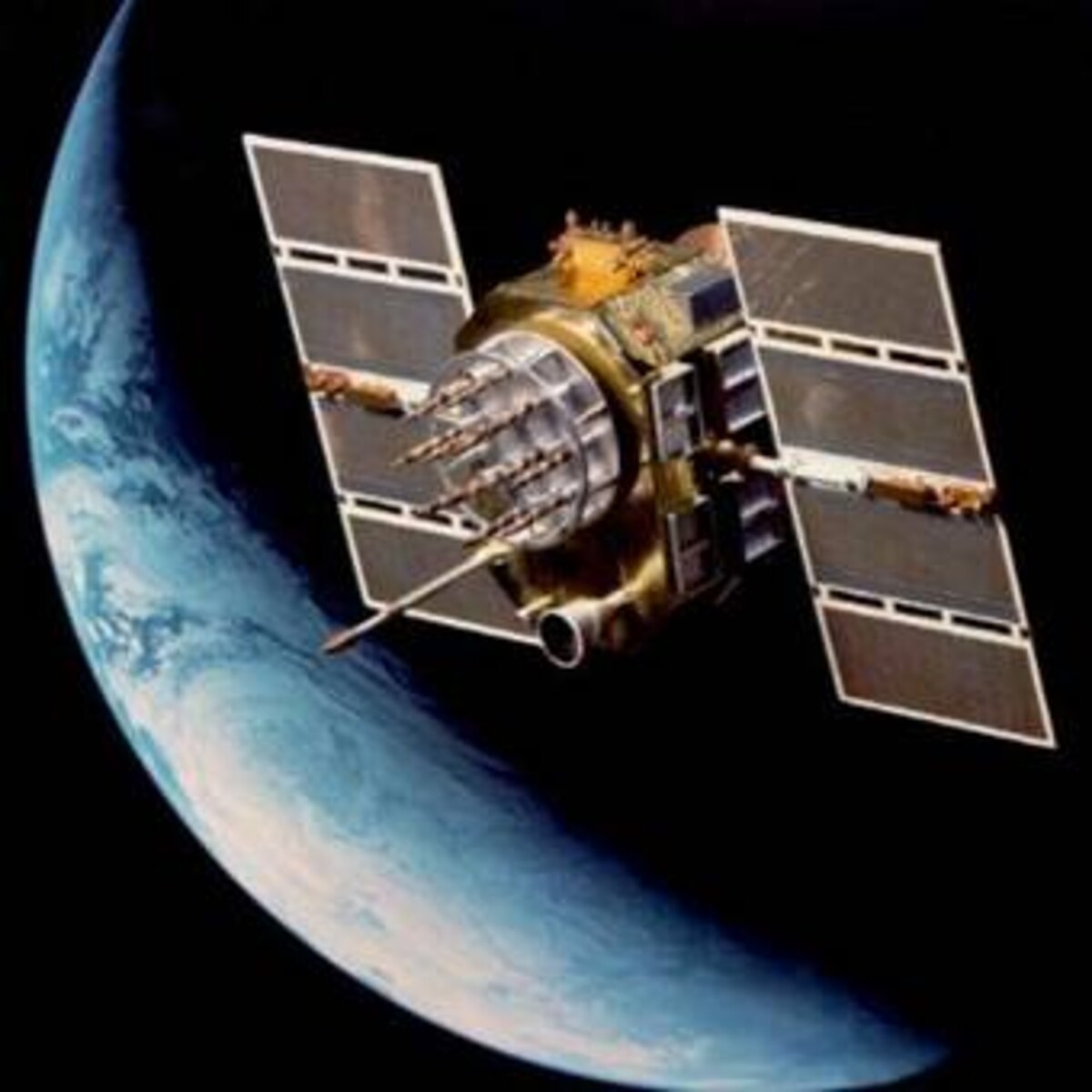
Forty-seven years ago, an Atlas rocket carried the first GPS satellite into orbit, launching a revolution in navigation that would transform daily life across the globe