

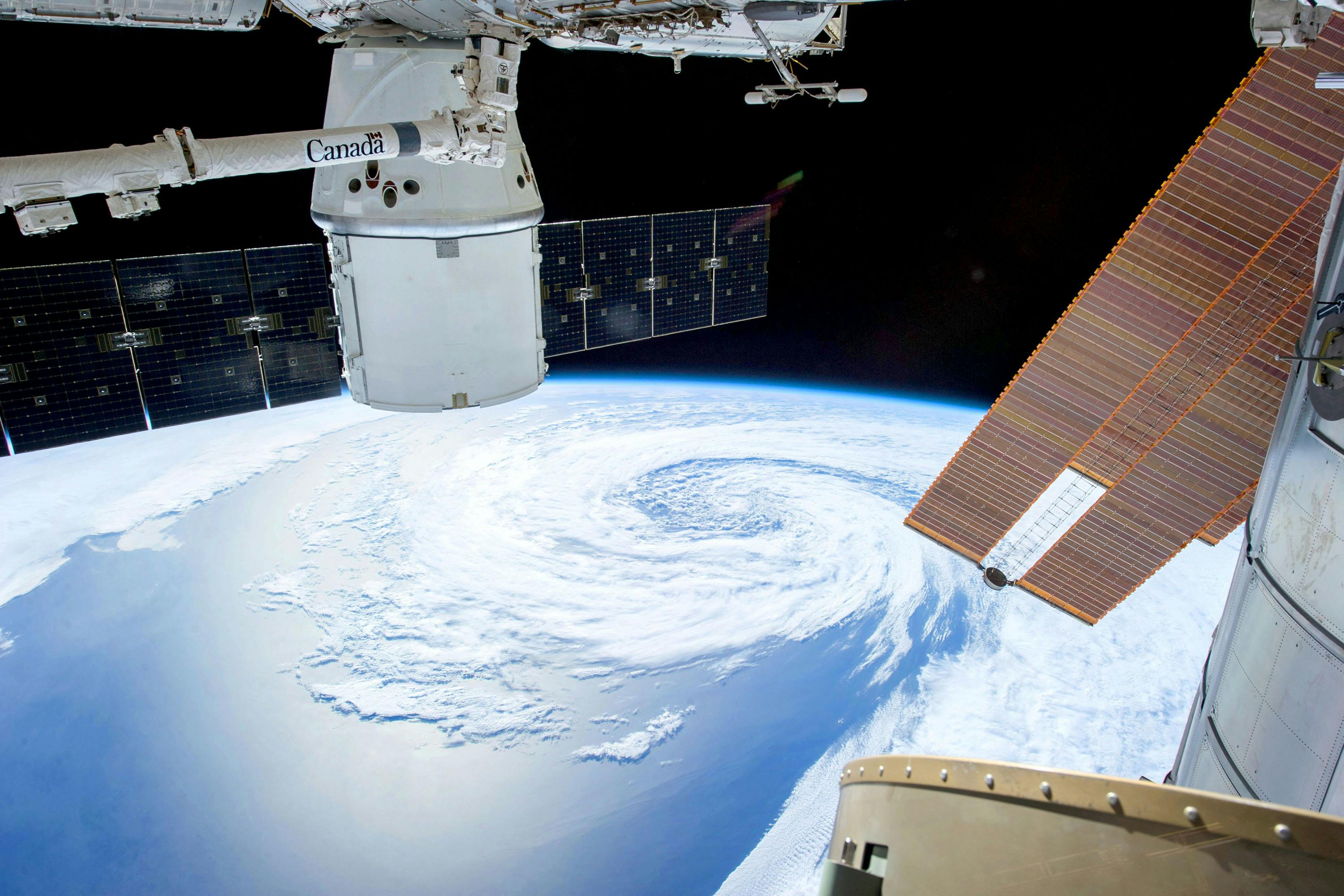
X Report 21 May 2025
SpaceX successfully launched 23 Starlink satellites using a new Falcon 9 rocket, marking a significant milestone for the company as it expands its satellite internet constellation.



Launch Date
April 8, 1970
Launch Site
AFWTR
Launch Pad
SLC2E
Launch Vehicle
Thorad SLV-2G Agena D
NORAD ID
05190
International Designator
1970-025KD
Decay Date
11/10/1979
Name
THORAD AGENA D DEB
Alternative Name
deb Agena D
Type
Status
Owner
GSFC
Country
United States
Constellation
N/A
Related Satellites
Major Events
N/A
Length
0
Diameter
0
Span
0
Dry Mass
0
Launch Mass
0
Shape
N/A
Radar Cross Section
0.0419
Visual Magnitude
Unknown
Color
Unknown
Material Composition
Unknown
Payload
Unknown
Purpose
Unknown
Mission
Unknown
Manufacturer
Unknown
Life Expectancy
Unknown
Bus
Unknown
Configuration
Unknown
Motor
Unknown
Equipment
Unknown
Power System
Unknown
ADCS
Unknown
Transmitter Frequency
Unknown
Learn more about satellites and other related topics.
SpaceX successfully launched 23 Starlink satellites using a new Falcon 9 rocket, marking a significant milestone for the company as it expands its satellite internet constellation.
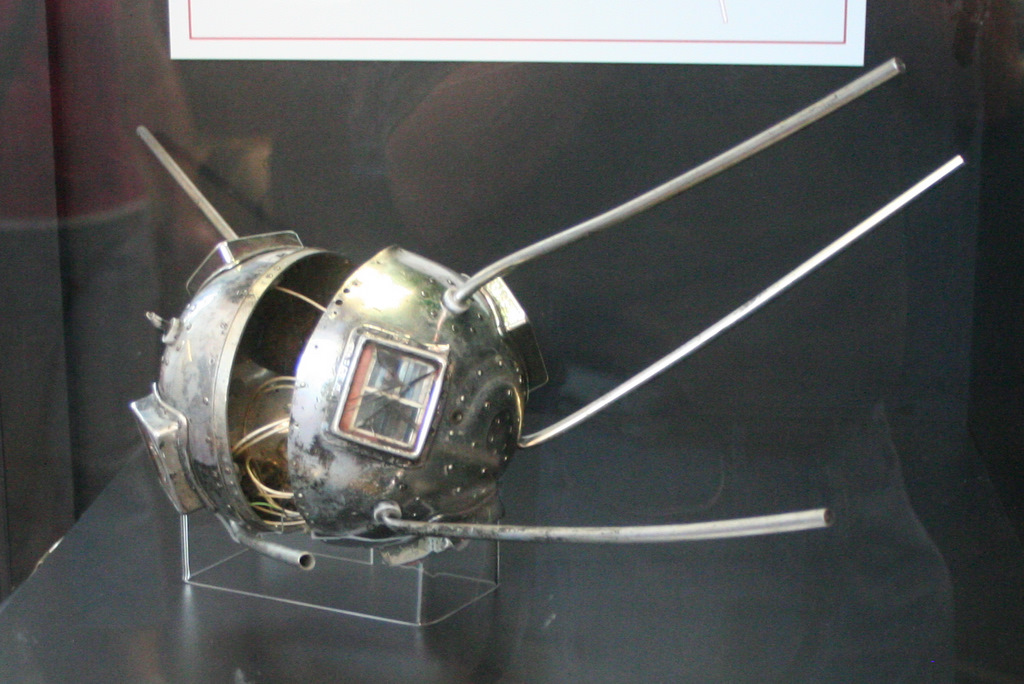
Sixty-eight years ago, America's first satellite exploded on the launchpad in front of the entire world. But from the ashes of Vanguard TV-3 came the determination that would eventually win the Space Race.

Today’s highlights include successful Falcon 9 launch for MECANO ID, ongoing Starship Block 3 development, and plans for direct-to-device testing next year.
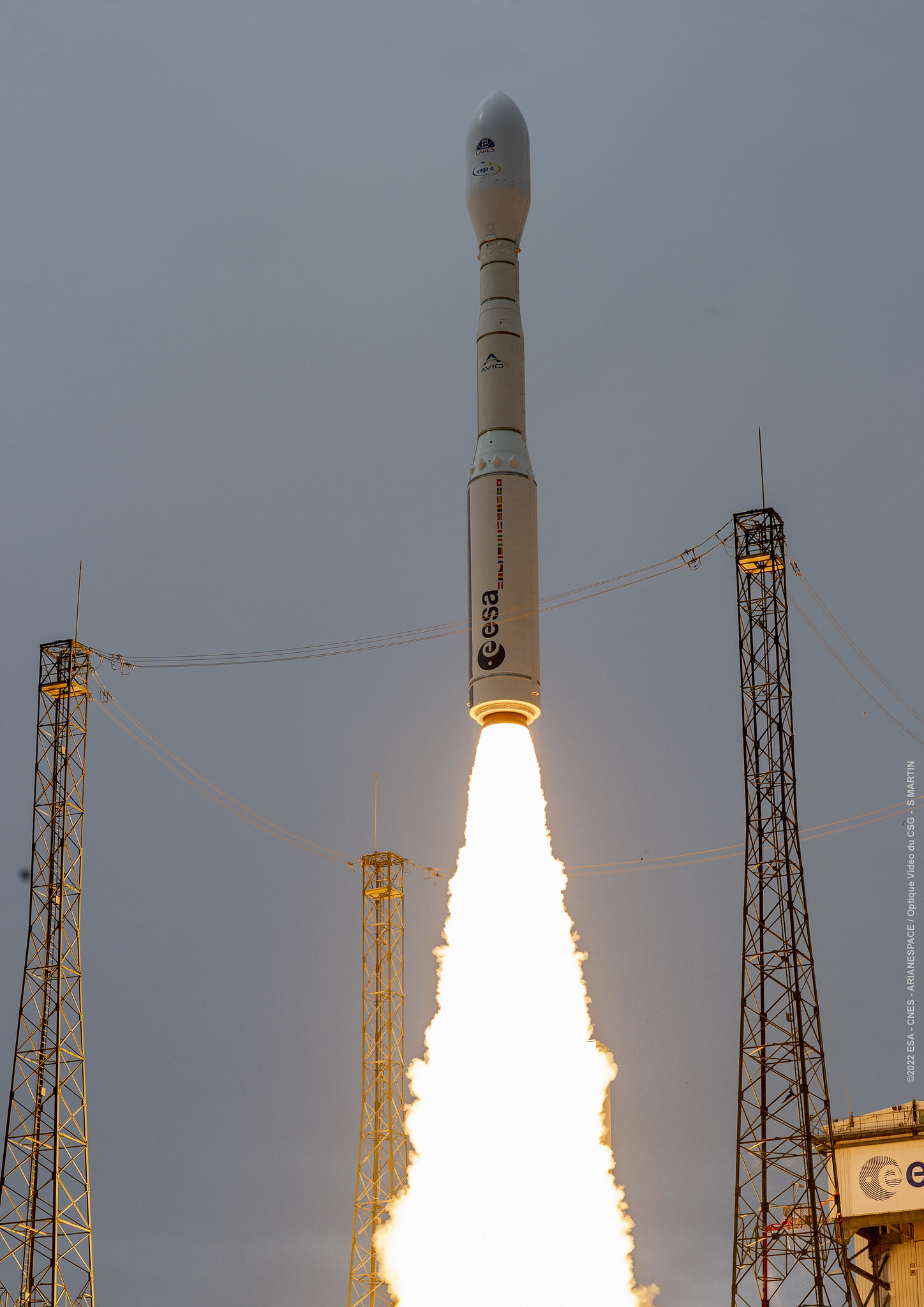
Today's focus spans from major military training initiatives in orbit to key updates on drone policies and crucial satellite launches.
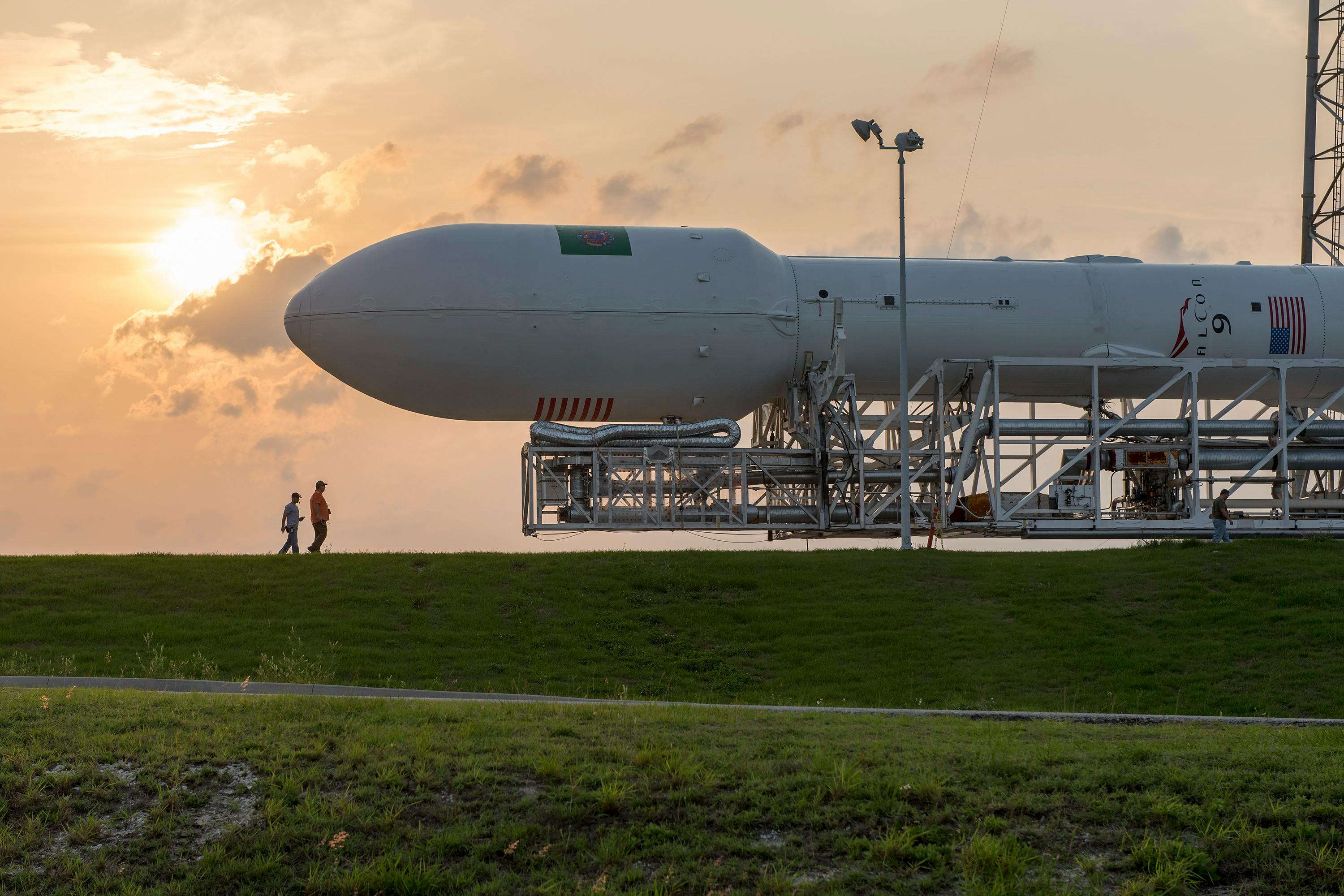
SpaceX faces a launch delay at Cape Canaveral and continues to advance Starship development.

Today's Space Brief highlights the U.S. Air Force's $48 million investment in testing reentry capsules, a Pentagon-backed GPS alternative, and the Space Force's quest for funding autonomy.

Today's top stories include SpaceX's latest Starlink launch, Blue Origin's FAA exemption request, and major acquisitions by Intuitive Machines and Firefly Aerospace shaping the defense and space landscape.

Space debris poses a mounting threat to both satellites and space missions. As we send more objects into orbit, the likelihood of collisions and subsequent breakups producing dangerous space debris increases. Recognizing the major events that have generated this dangerous space junk is pivotal in ensuring the safety of future space missions.