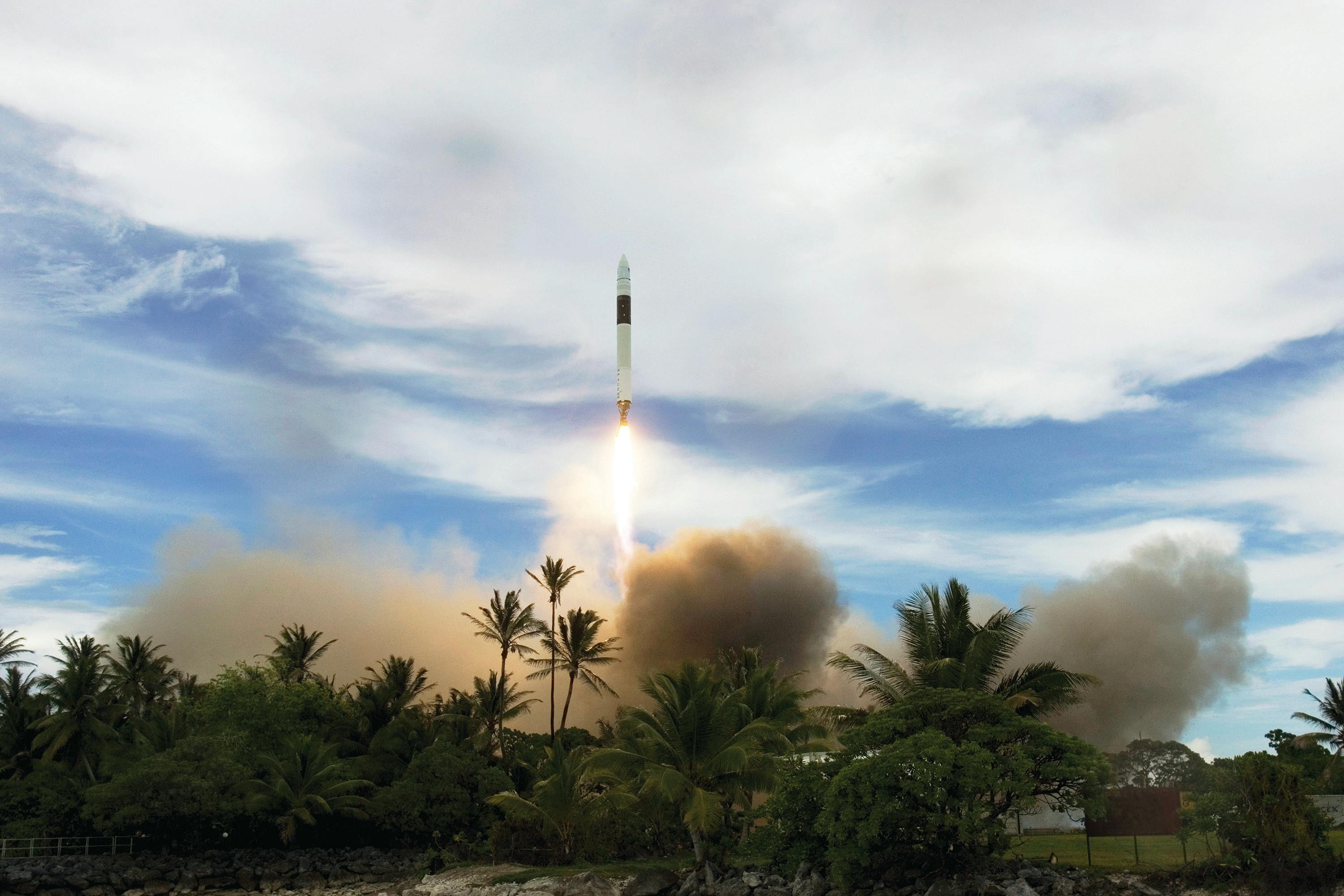
THORAD AGENA D DEB (05159)

COSPAR: 1969-082HN | Alt Name: deb Agena D
DECAYED

Image
THORAD AGENA D DEB Satellite Image
Additional Sources
Launch Details

Launch Date

September 30, 1969

Launch Site

AFWTR

Launch Pad

SLC1W

Launch Vehicle

Thorad SLV-2G Agena D

Orbital Elements

NORAD ID

05159

International Designator

1969-082HN

Decay Date

12/30/1972

Basic Satellite Info

Name

THORAD AGENA D DEB

Alternative Name

deb Agena D

Type

Debris

Status

Space Junk

Owner

SAMSO

Country

United States

Constellation

N/A

Related Satellites

Major Events

N/A

Summary
Space debris, also known as space junk, encompasses all non-functional objects orbiting Earth such as defunct satellites, spent rocket stages, and fragments from collisions or disintegrations. Over time, this debris can accumulate and create an increasingly hazardous environment in orbit. Even tiny fragments, traveling at extremely high velocities, can inflict significant damage on operational satellites and spacecraft. If left unmanaged, the density of debris raises the risk of catastrophic collisions and further fragmentation, compounding the problem and threatening the safety and sustainability of space activities.
Physical Characteristics

Length

0

Diameter

0

Span

0

Dry Mass

0

Launch Mass

0

Shape

N/A

Radar Cross Section

Unknown

Visual Magnitude

Unknown

Color

Unknown

Material Composition

Unknown

Technical Details

Payload

Unknown

Purpose

Unknown

Mission

Unknown

Manufacturer

Unknown

Life Expectancy

Unknown

Bus

Unknown

Configuration

Unknown

Motor

Unknown

Equipment

Unknown

Power System

Unknown

ADCS

Unknown

Transmitter Frequency

Unknown

Satellite Articles

View All Posts »

Learn more about satellites and other related topics.

China Files Plans for 200,000-Satellite Megaconstellation With ITU | KeepTrack Space Brief

China Files Plans for 200,000-Satellite Megaconstellation With ITU | KeepTrack Space Brief

China files ITU paperwork for megaconstellations totaling nearly 200,000 satellites. SpaceX launches first rideshare mission of 2026 from Vandenberg. NASA plans ISS crew medical evacuation.

X Report 21 Jul 2025

X Report 21 Jul 2025

SpaceX successfully launched 24 Starlink satellites into polar orbit, enhancing global coverage. Meanwhile, NASA's Crew-11 is now in quarantine ahead of their upcoming ISS mission.

X Report 31 Jan 2025

X Report 31 Jan 2025

SpaceX's Starlink sparks market shifts and celestial awe as iPhones gain new connectivity and a satellite ignites the night sky.

Object 100000 and the Sky That Outgrew Its Catalog

Object 100000 and the Sky That Outgrew Its Catalog

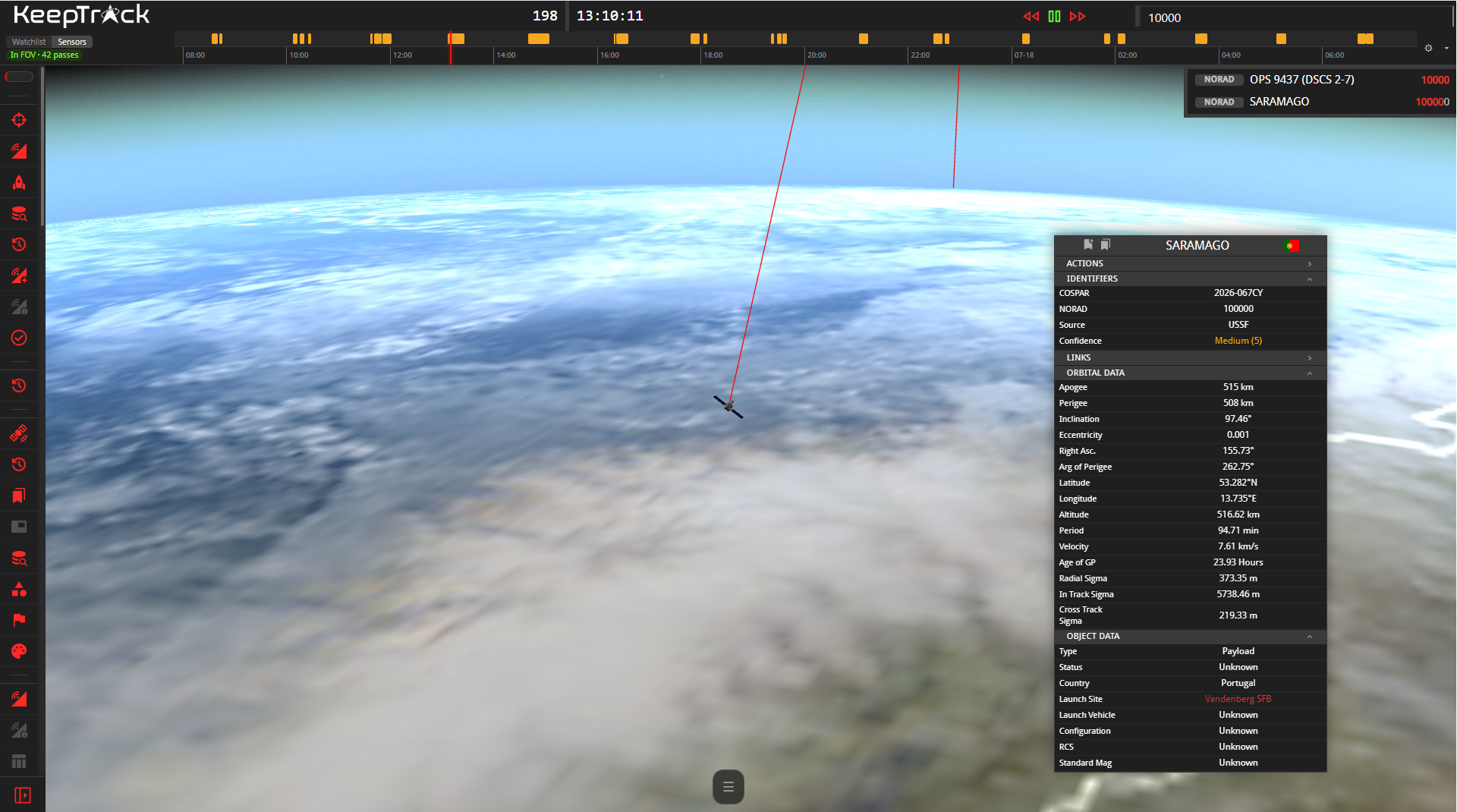
On July 11, 2026, a Portuguese satellite named after a Nobel laureate became the first object to carry catalog number 100000. It broke a five-digit numbering limit that had held since Sputnik, and exposed how unprepared decades of tracking software is for a sky this crowded.

Who Owns SpaceX in 2026? Ownership, Valuation, and the Trillion-Dollar IPO

Who Owns SpaceX in 2026? Ownership, Valuation, and the Trillion-Dollar IPO

Elon Musk controls 79% of SpaceX's votes with just 42% of the equity - and the company just merged with his AI startup at a $1.25 trillion valuation. Here's who actually owns what, how the money works, and what a $1.75 trillion IPO means for investors.

ULA Launches 29 Amazon Kuiper Satellites; Falcon Heavy Returns | KeepTrack Space Brief

ULA Launches 29 Amazon Kuiper Satellites; Falcon Heavy Returns | KeepTrack Space Brief

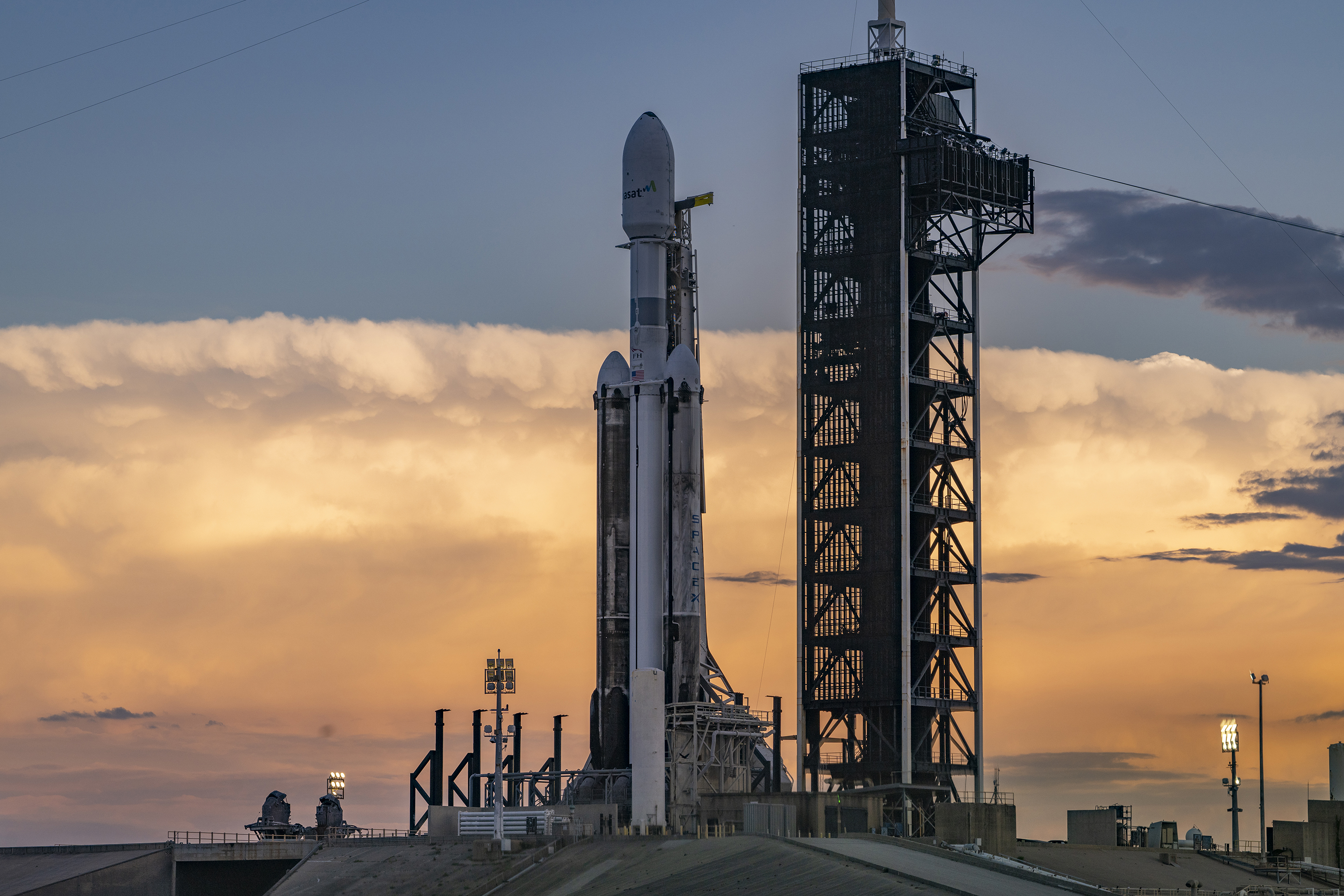
ULA's Atlas V deployed 29 Amazon Kuiper LEO satellites on April 27. Falcon Heavy returns this week with ViaSat-3 F3. Six orbital launches scheduled across three continents.

X Report 8 Nov 2025

X Report 8 Nov 2025

SpaceX prepares for its 560th Falcon 9 launch, aiming to deploy 29 Starlink satellites from Kennedy Space Center, while the Bandwagon-4 mission continues to showcase successful rocket landings.

New Glenn Achieves First Booster Reuse on Mission 3 | KeepTrack Space Brief

New Glenn Achieves First Booster Reuse on Mission 3 | KeepTrack Space Brief

Blue Origin's New Glenn successfully reused its first stage booster for the first time on Mission 3, launching April 19. Booster reuse accelerates operational tempo.