COSMOS 401 DEB (05120)

COSPAR: 1971-023D | Alt Name: Blenda
DECAYED

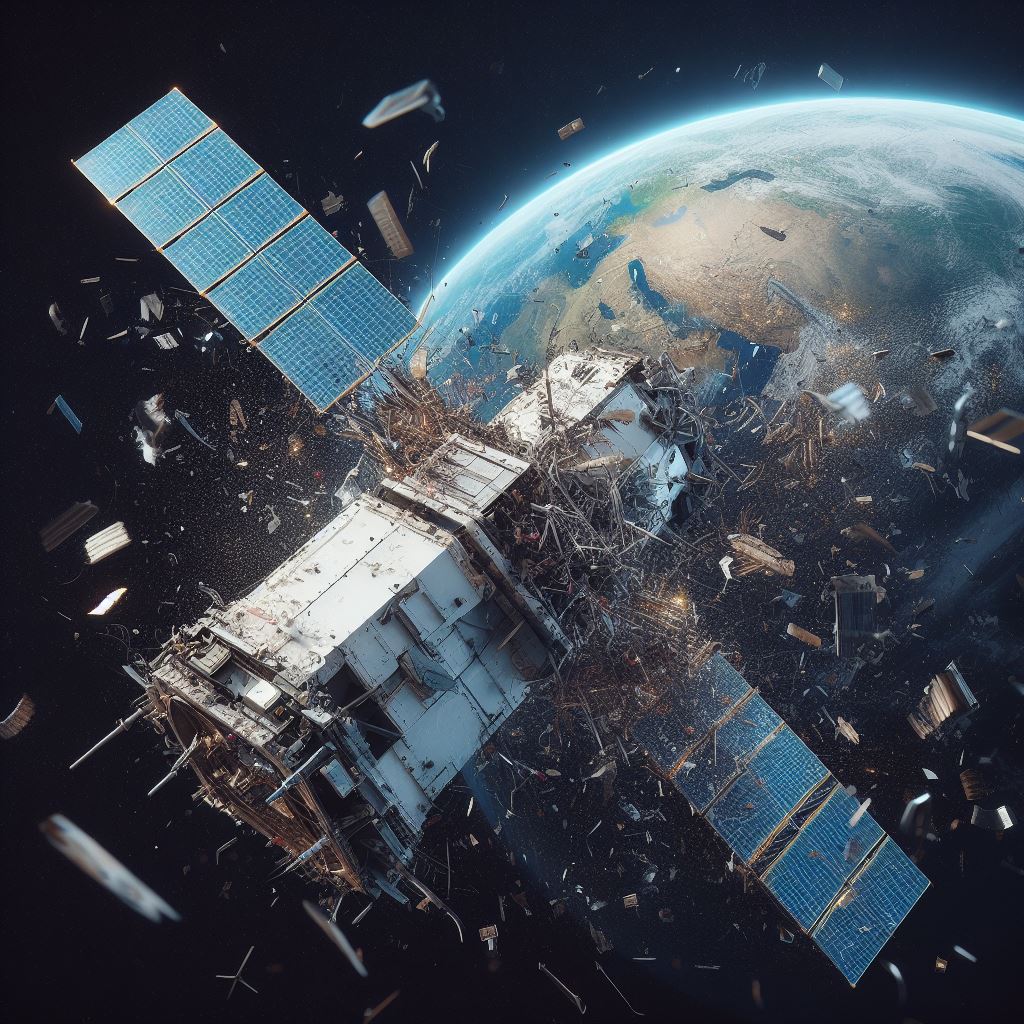
Image
COSMOS 401 DEB Satellite Image
Additional Sources
Launch Details

Launch Date

March 27, 1971

Launch Site

PLMSC

Launch Pad

LC43/4

Launch Vehicle

Voskhod 11A57

Orbital Elements

NORAD ID

05120

International Designator

1971-023D

Decay Date

4/12/1971

Basic Satellite Info

Name

COSMOS 401 DEB

Alternative Name

Blenda

Type

Debris

Status

Space Junk

Owner

GUKOSR

Country

USSR

Constellation

N/A

Related Satellites

Major Events

N/A

Summary
Space debris, also known as space junk, encompasses all non-functional objects orbiting Earth such as defunct satellites, spent rocket stages, and fragments from collisions or disintegrations. Over time, this debris can accumulate and create an increasingly hazardous environment in orbit. Even tiny fragments, traveling at extremely high velocities, can inflict significant damage on operational satellites and spacecraft. If left unmanaged, the density of debris raises the risk of catastrophic collisions and further fragmentation, compounding the problem and threatening the safety and sustainability of space activities.
Physical Characteristics

Length

1

Diameter

0.4

Span

1

Dry Mass

20

Launch Mass

20

Shape

Box

Radar Cross Section

Unknown

Visual Magnitude

Unknown

Color

Unknown

Material Composition

Unknown

Technical Details

Payload

BZA

Purpose

Unknown

Mission

Unknown

Manufacturer

TSKBE3

Life Expectancy

Unknown

Bus

Zenit BZA

Configuration

Unknown

Motor

Unknown

Equipment

Unknown

Power System

Unknown

ADCS

Unknown

Transmitter Frequency

Unknown

Satellite Articles

View All Posts »

Learn more about satellites and other related topics.

Space Brief 25 May 2025

Space Brief 25 May 2025

Today's brief covers crucial developments in satellite technology and operations, including new Starlink launches, groundbreaking satellite data on flood waves, and pivotal changes in South African telecom policy driven by Starlink.

The Telescope That Needed Glasses

The Telescope That Needed Glasses

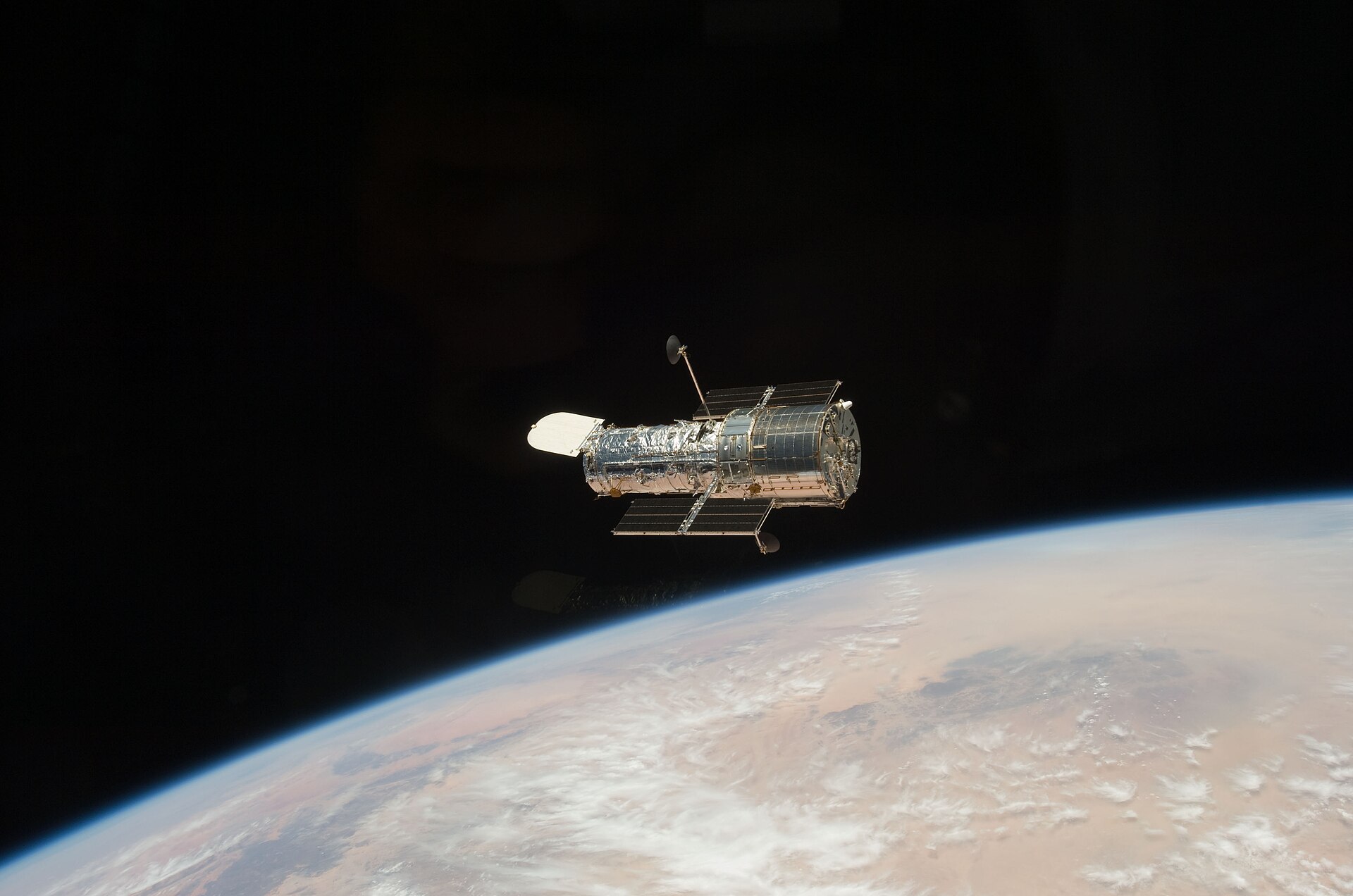
On April 25, 1990, the Space Shuttle Discovery's robotic arm lifted a 11,110-kilogram barrel of mirrors and instruments out of the payload bay and released it into orbit. Six weeks later, the first images came back badly out of focus. The Hubble Space Telescope had been ground to the wrong prescription, and America had just spent $2.5 billion on what the press was calling a 'technoturkey.'

Rocket Lab Neutron Books 5 Launches, Space Brief 8 May 2026

Rocket Lab Neutron Books 5 Launches, Space Brief 8 May 2026

Rocket Lab Neutron launch schedule holds at Q4 2026 for the first flight as a five-launch contract lands; barge recovery starts on flight two.

Space Brief 10 Dec 2025

Space Brief 10 Dec 2025

Today's brief covers China's intense launch schedule, a new Arctic military constellation, Muon Space's defense innovations, and SpaceX's classified NROL-77 mission.

Space Force Completes First Tactical Orbital Intercept | KeepTrack Space Brief

Space Force Completes First Tactical Orbital Intercept | KeepTrack Space Brief

U.S. Space Force executes first tactical orbital intercept under Victus Haze mission using commercial spacecraft. Rendezvous and proximity operations now operationally demonstrated.

Starship V3 Debut Slips as Booster 19 Rolls to Pad 2 | KeepTrack X Report

Starship V3 Debut Slips as Booster 19 Rolls to Pad 2 | KeepTrack X Report

Starship V3's maiden flight is delayed as SpaceX rolls Booster 19 to Pad 2 for Flight 9, while Falcon 9 completes its 30th mission of 2026.

X Report 8 Aug 2025

X Report 8 Aug 2025

SpaceX celebrates its 100th launch of the year with a Falcon 9 mission carrying Amazon's Project Kuiper satellites, while Crew-10 prepares for its return from the ISS and the company expands its interplanetary ambitions with new Mars partnerships.

The Day South Korea Achieved Independent Space Launch Capability

The Day South Korea Achieved Independent Space Launch Capability

Twelve years ago, South Korea successfully launched a satellite using its own launch vehicle and facilities for the first time, marking a crucial milestone in its journey to space independence