

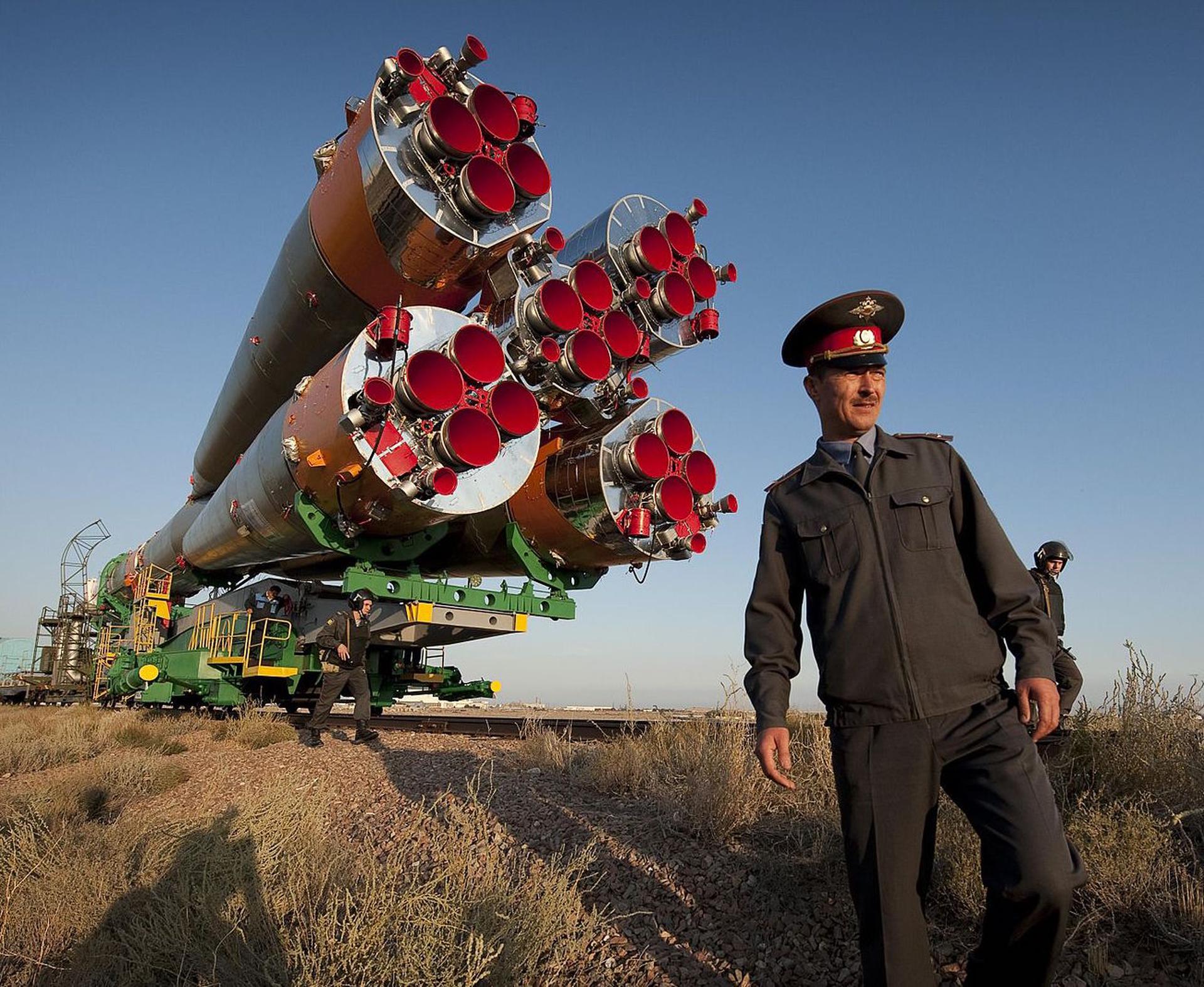
Space Brief 10 Nov 2024
Long March 2C launches four PIESAT-2 radar satellites, Gilmour Space secures Australia's first orbital launch permit, NASA extends ISS cargo contracts through 2030, ESA and Arianespace face industry crossroads.



Launch Date
April 8, 1970
Launch Site
AFWTR
Launch Pad
SLC2E
Launch Vehicle
Thorad SLV-2G Agena D
NORAD ID
04916
International Designator
1970-025FN
Decay Date
3/8/2012
Name
THORAD AGENA D DEB
Alternative Name
deb Agena D
Type
Status
Owner
GSFC
Country
United States
Constellation
N/A
Related Satellites
Major Events
N/A
Length
0
Diameter
0
Span
0
Dry Mass
0
Launch Mass
0
Shape
N/A
Radar Cross Section
0.0538
Visual Magnitude
Unknown
Color
Unknown
Material Composition
Unknown
Payload
Unknown
Purpose
Unknown
Mission
Unknown
Manufacturer
Unknown
Life Expectancy
Unknown
Bus
Unknown
Configuration
Unknown
Motor
Unknown
Equipment
Unknown
Power System
Unknown
ADCS
Unknown
Transmitter Frequency
Unknown
Learn more about satellites and other related topics.
Long March 2C launches four PIESAT-2 radar satellites, Gilmour Space secures Australia's first orbital launch permit, NASA extends ISS cargo contracts through 2030, ESA and Arianespace face industry crossroads.

SpaceX's latest Starlink satellite launch boosts their constellation and Starship development progresses steadily.
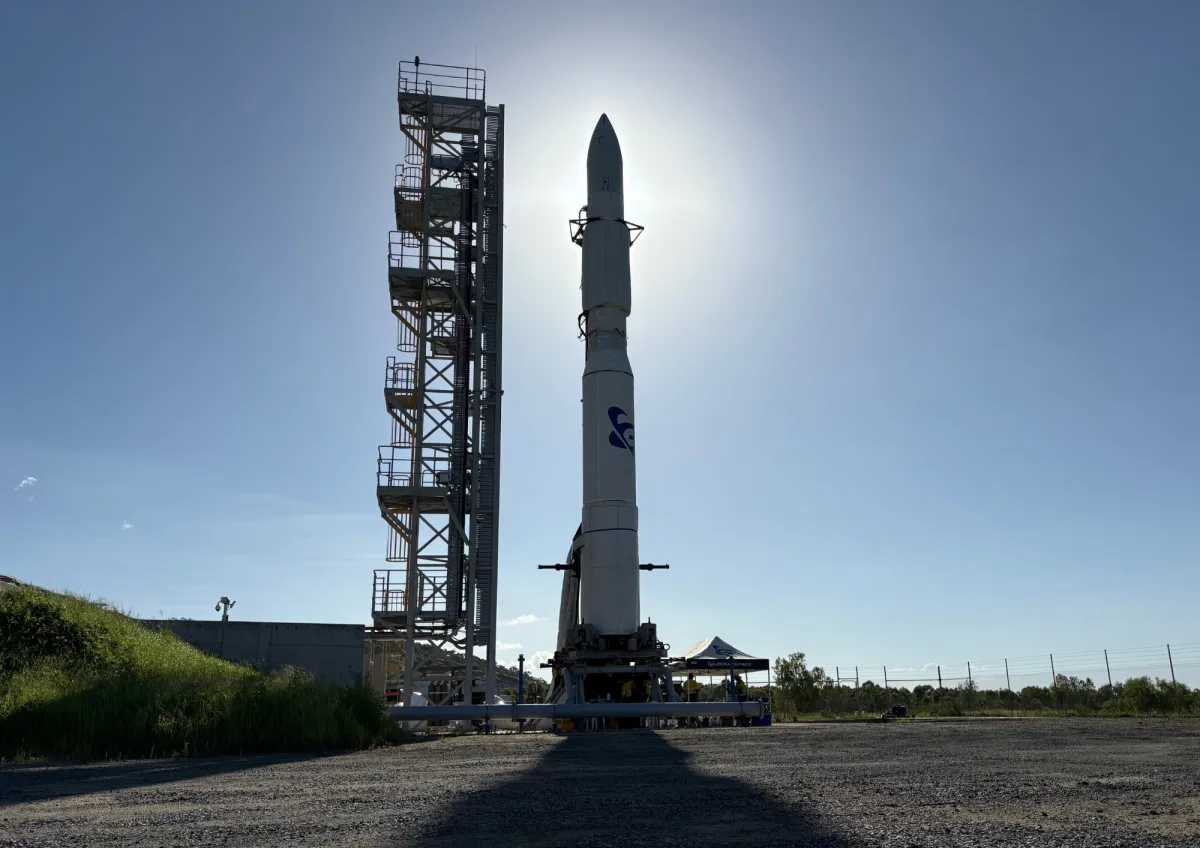
Today's brief covers the historic lunar touchdown by Firefly Aerospace's Blue Ghost lander, highlights in military space activity, and a reflection on Pearl Young's pioneering legacy at NASA.
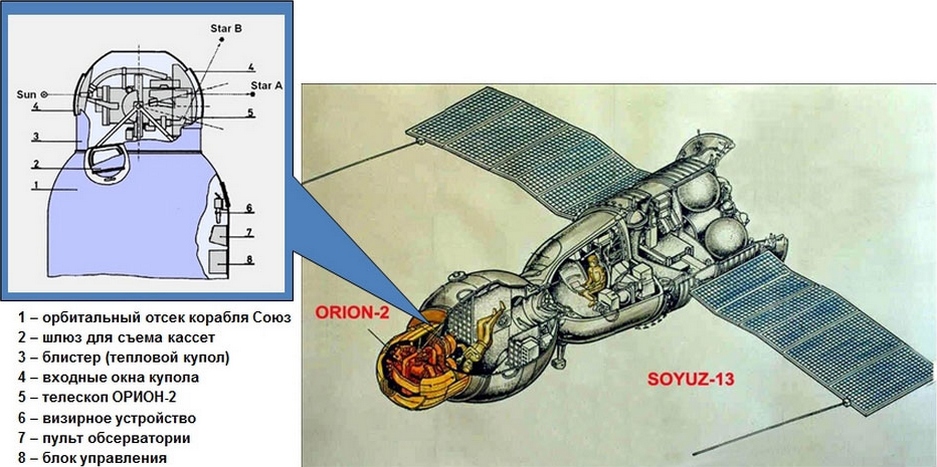
Exactly 52 years ago today, the Soviet Union launched Soyuz 13 - a scientific mission that marked the first time American astronauts and Soviet cosmonauts orbited Earth simultaneously. Armed with a revolutionary ultraviolet telescope, Pyotr Klimuk and Valentin Lebedev would discover elements never before seen in distant nebulae.

Discover the history and significance of Two-Line Element Sets (TLEs) in satellite tracking. Dive into their components, applications, and how they are evolving to meet future space challenges.
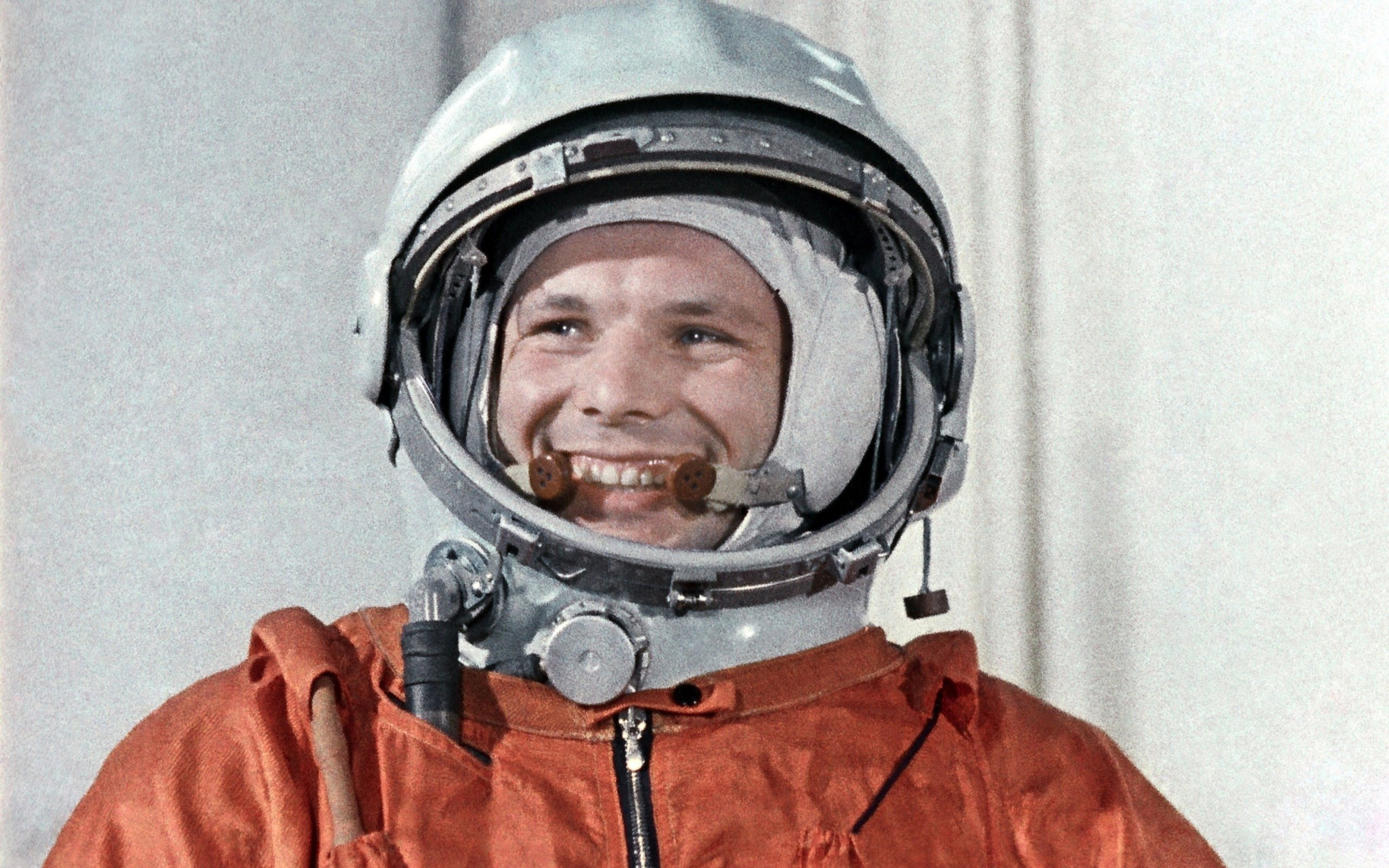
On April 12, 1961, a 27-year-old Soviet pilot rode a modified ICBM into orbit and came back alive after 108 minutes. Exactly twenty years later, two Americans climbed aboard an untested spacecraft covered in 31,000 ceramic tiles and bet their lives that the math was right.

York Space raises $629M in IPO to expand satellite manufacturing. NRO declassifies Cold War-era JUMPSEAT spy satellites. Lockheed to boost THAAD interceptor production from 96 to 400 per year.
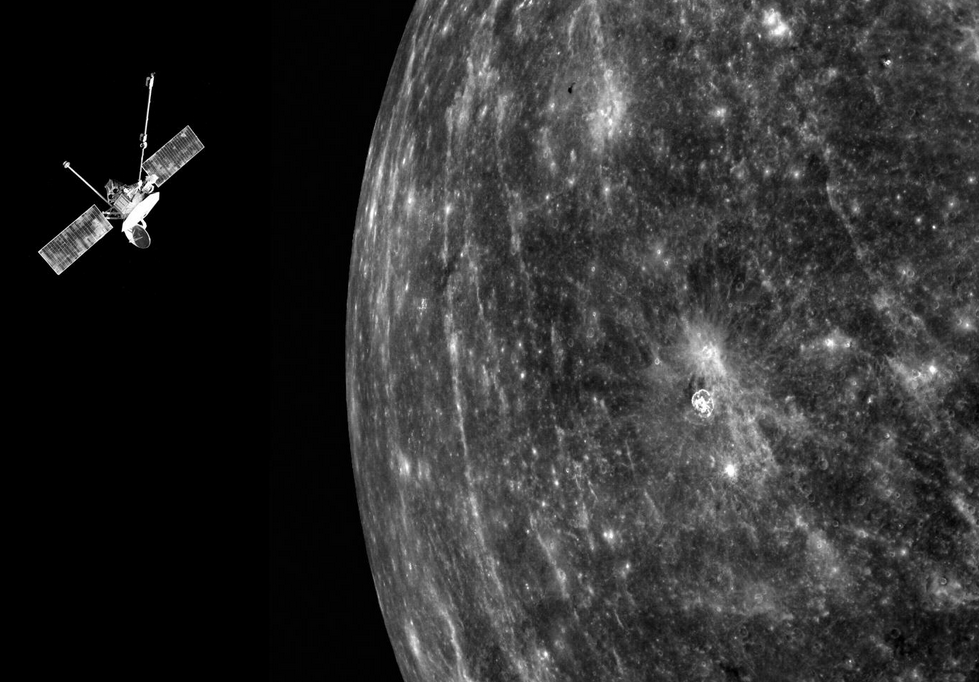
Fifty-one years ago, Mariner 10 revolutionized space exploration by executing the first-ever planetary gravity assist at Venus, pioneering a technique that would transform how we explore the solar system