

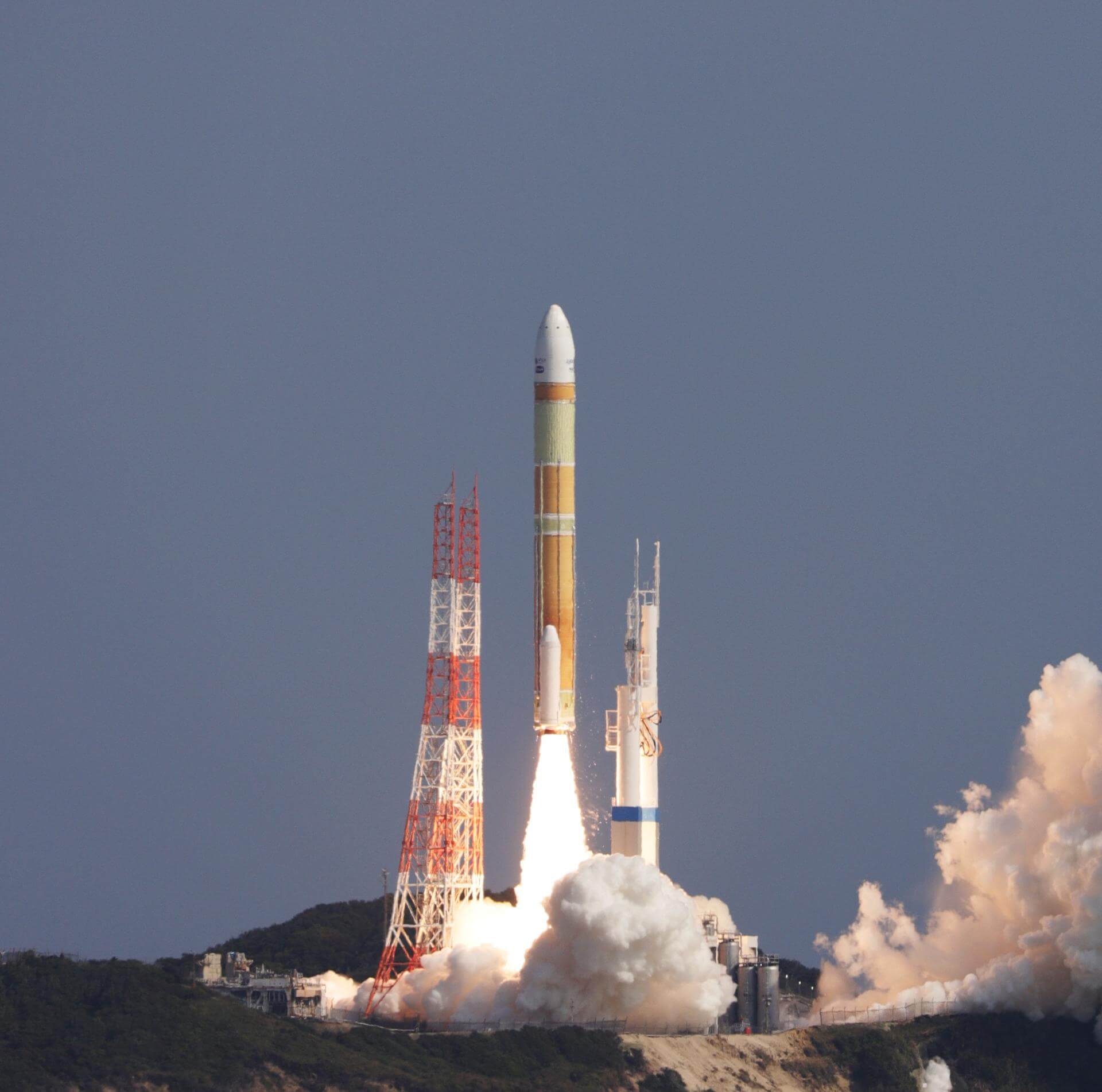
Space Brief 16 Jan 2025
Explore today's pivotal news in space with highlights on record government space budgets, military satellite developments, and significant industry shifts.



Launch Date
October 30, 1970
Launch Site
Launch Pad
Unknown
Launch Vehicle
Unknown
NORAD ID
04828
International Designator
N/A
Decay Date
11/9/1980
Name
COSMOS 375 DEB
Alternative Name
deb Kosmos-375
Type
Status
Owner
PKO
Country
USSR
Constellation
N/A
Related Satellites
Major Events
N/A
Length
0
Diameter
0
Span
0
Dry Mass
0
Launch Mass
0
Shape
N/A
Radar Cross Section
0.0138
Visual Magnitude
Unknown
Color
Unknown
Material Composition
Unknown
Payload
Unknown
Purpose
Unknown
Mission
Unknown
Manufacturer
Unknown
Life Expectancy
Unknown
Bus
Unknown
Configuration
Unknown
Motor
Unknown
Equipment
Unknown
Power System
Unknown
ADCS
Unknown
Transmitter Frequency
Unknown
Learn more about satellites and other related topics.
Explore today's pivotal news in space with highlights on record government space budgets, military satellite developments, and significant industry shifts.
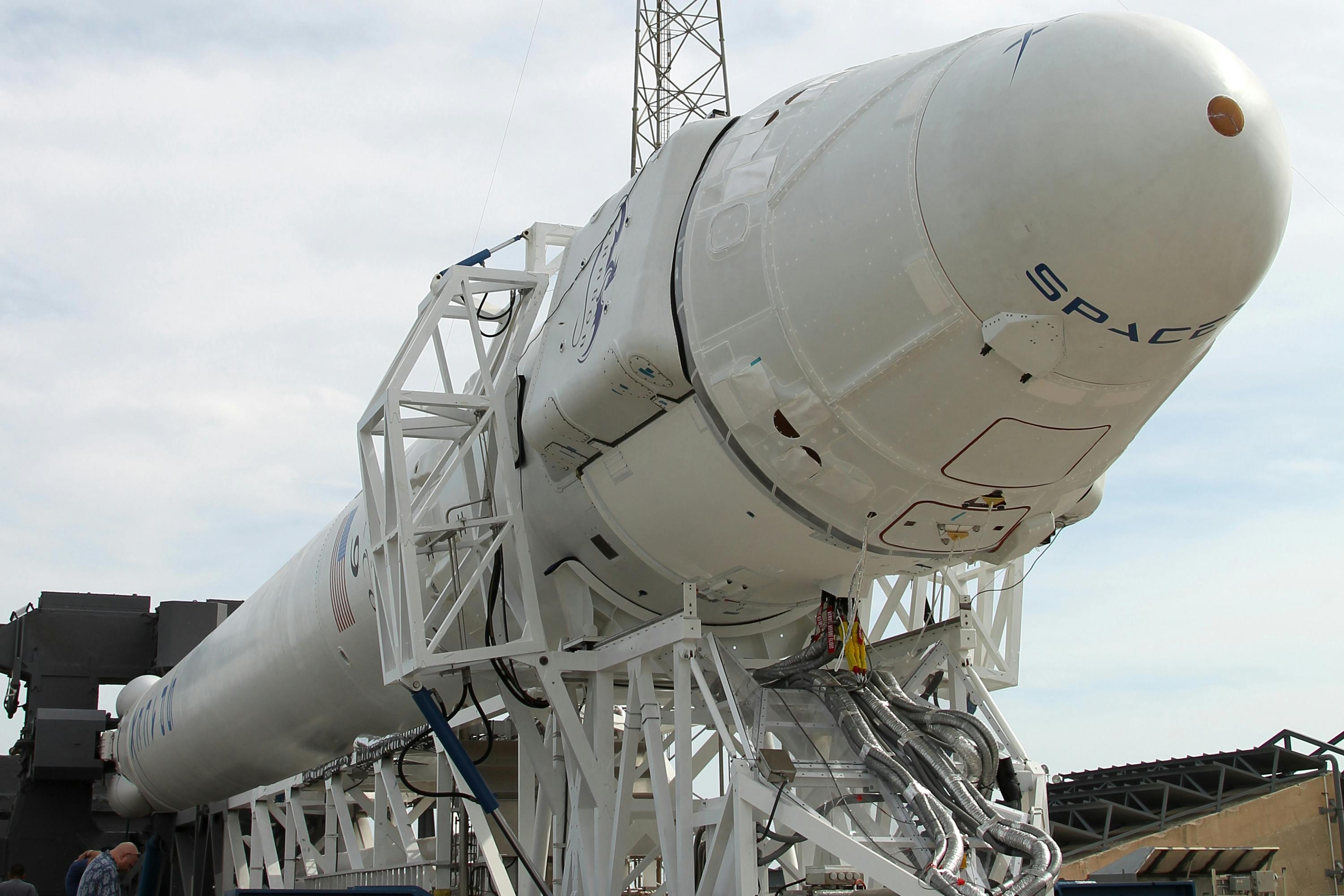
SpaceX's 13th NRO proliferated-arch mission lifted off May 11 as Starlink shuts its GPS-rival feature ahead of a looming IPO.

Today's briefing covers the Space Force's AI integration, new naming conventions for satellites, and updates on military and satellite acquisition strategies.
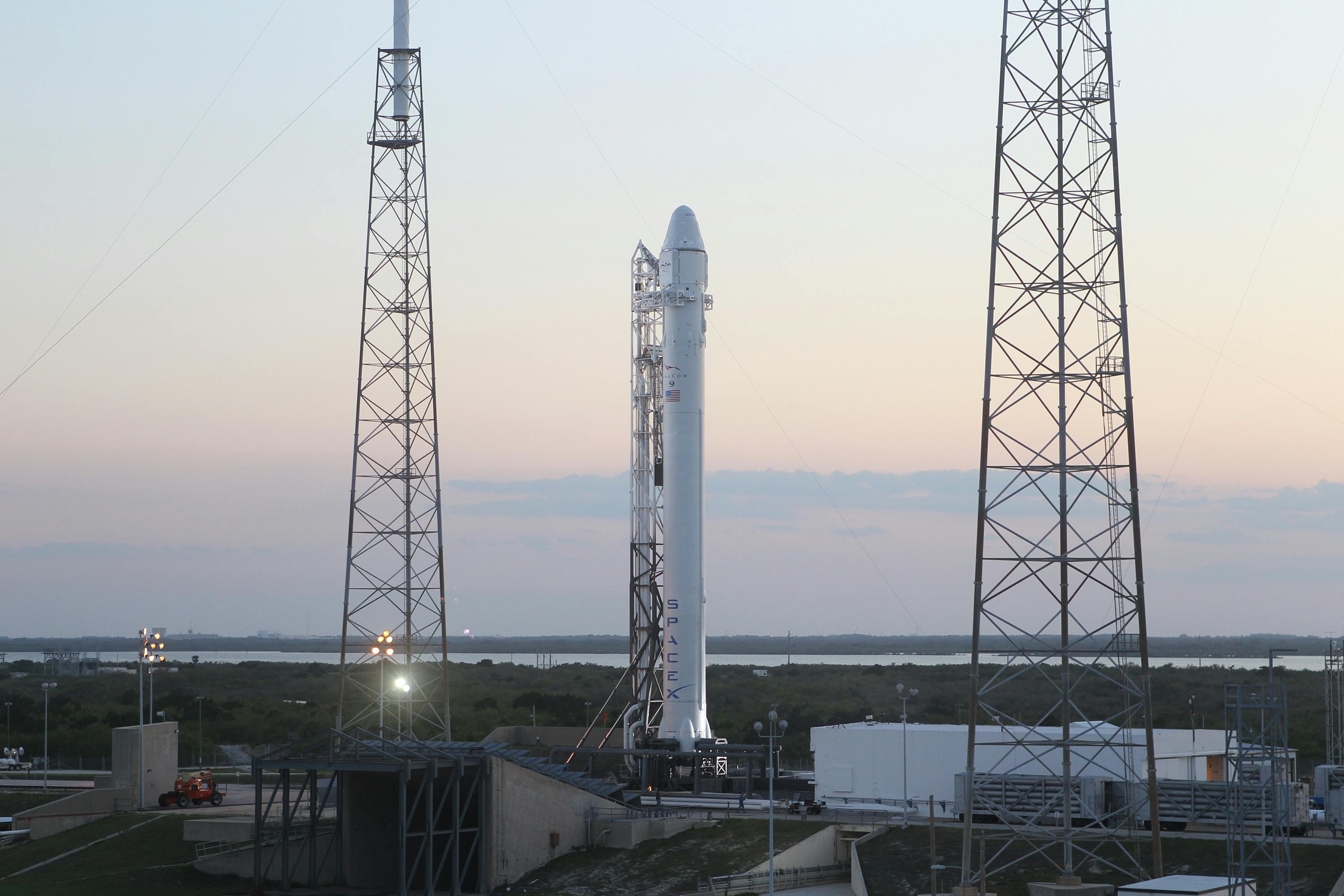
Exciting advancements from SpaceX as Starshield satellites prepare for launch, Starship Flight 7 faces a short delay, and new Starlink satellites enter orbit.
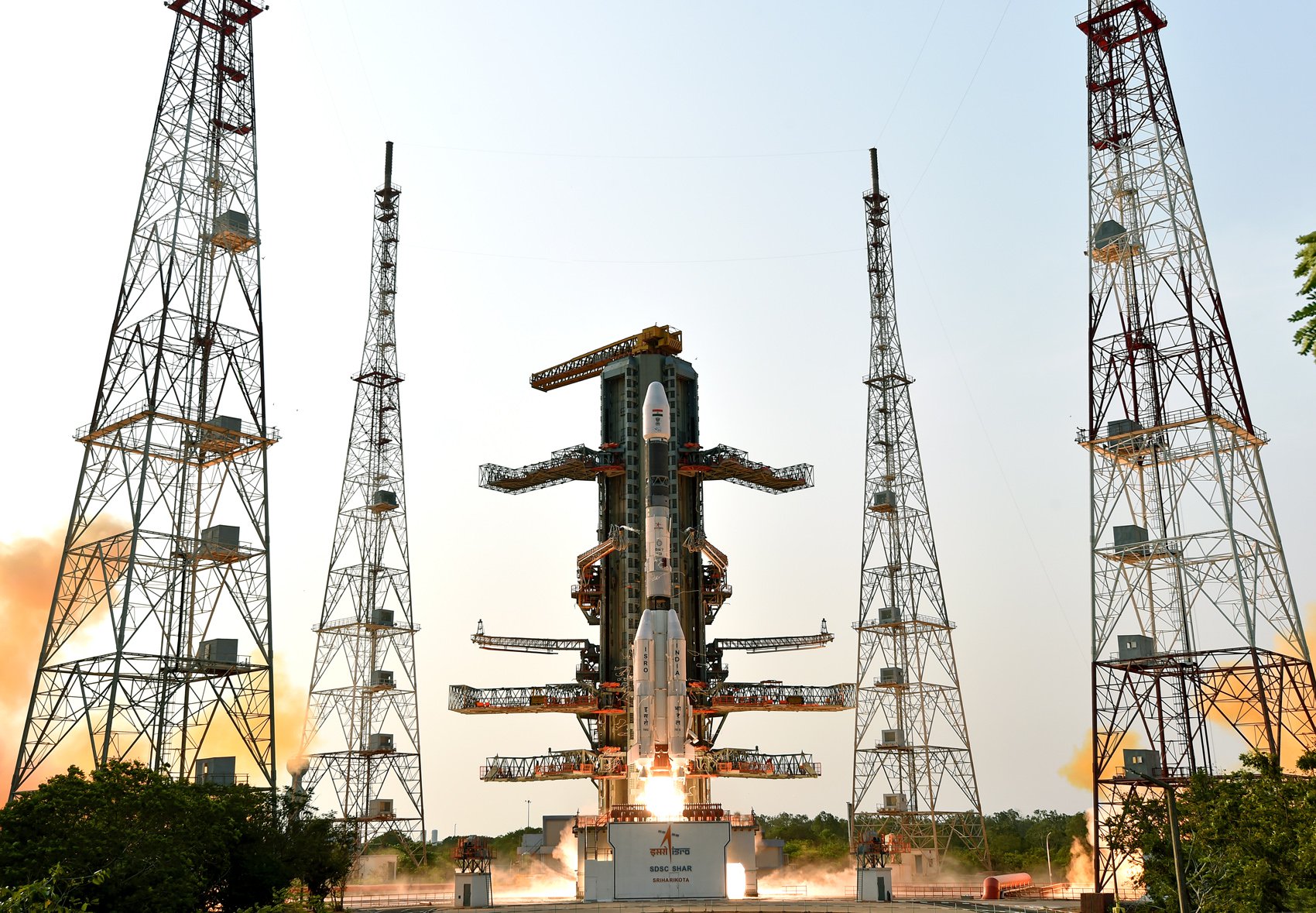
Today's highlights cover critical satellite launches including SpaceX's GPS III mission, advancements in SATCOM technology, and changes in NASA leadership.
SDA hands L3Harris and Sierra Space $1.75B to build missile warning satellites for Pentagon's Golden Dome shield, targeting 2028 demonstration under accelerated schedule.

SpaceX publicly confirmed 2 Starshield government satellites launched from Vandenberg on June 6, a rare disclosure for the classified Starlink variant.

Space Force projects ~1,000 launches between FY2027–FY2031, averaging 200 annually. DAF study concludes new launch site is "probably" required to absorb cadence.