COSMOS 374 DEB (04824)

COSPAR: 1970-089U | Alt Name: deb Kosmos-374
DECAYED

Image
COSMOS 374 DEB Satellite Image
Additional Sources
Launch Details

Launch Date

October 23, 1970

Launch Pad

LC90/20

Launch Vehicle

Tsiklon-2

Orbital Elements

NORAD ID

04824

International Designator

1970-089U

Decay Date

12/17/1979

Explore in the Catalog
Basic Satellite Info

Name

COSMOS 374 DEB

Alternative Name

deb Kosmos-374

Type

Debris

Status

Space Junk

Owner

PKO

Country

USSR

Constellation

N/A

Related Satellites

Major Events

N/A

Summary
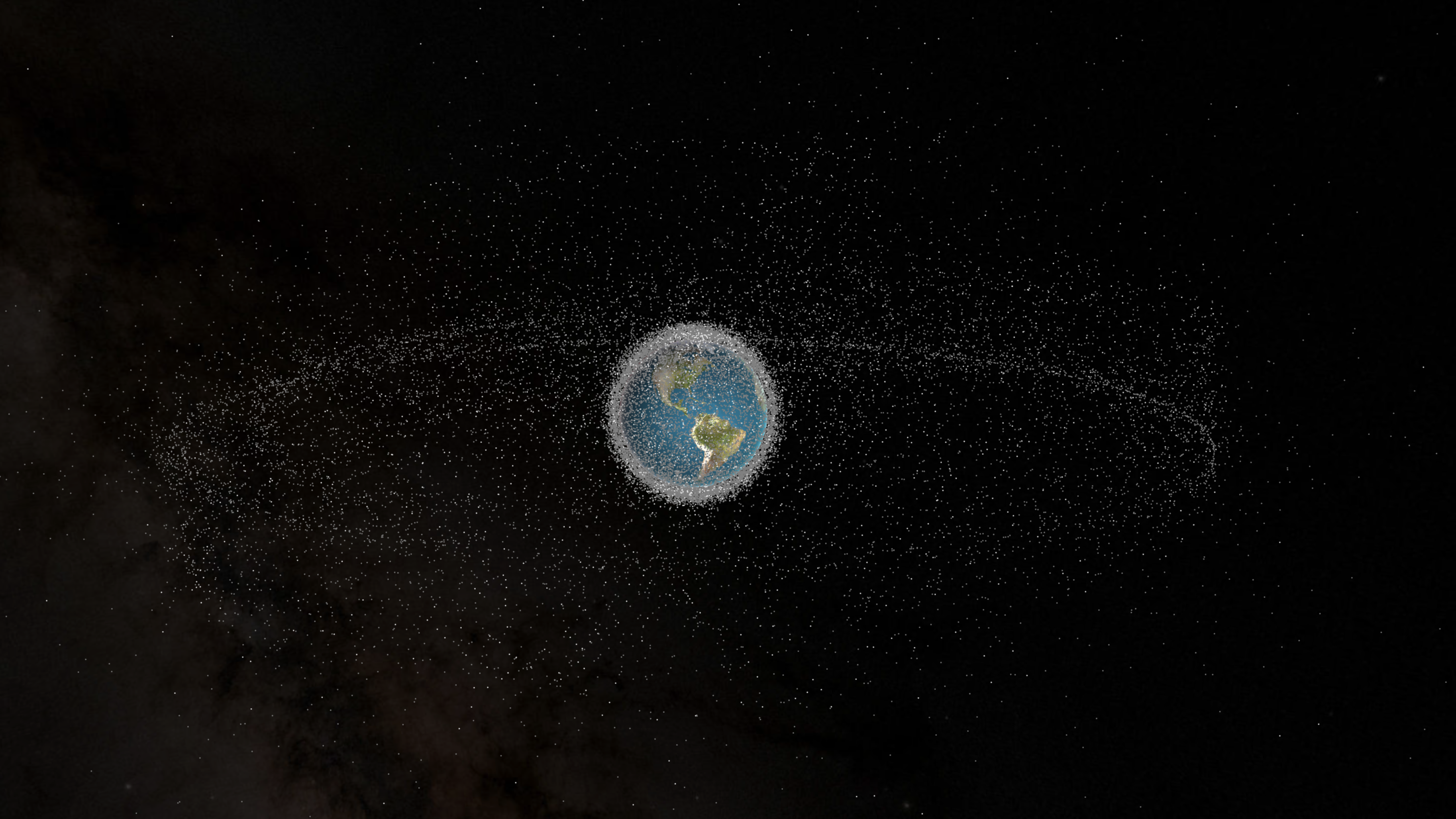
Space debris, also known as space junk, encompasses all non-functional objects orbiting Earth such as defunct satellites, spent rocket stages, and fragments from collisions or disintegrations. Over time, this debris can accumulate and create an increasingly hazardous environment in orbit. Even tiny fragments, traveling at extremely high velocities, can inflict significant damage on operational satellites and spacecraft. If left unmanaged, the density of debris raises the risk of catastrophic collisions and further fragmentation, compounding the problem and threatening the safety and sustainability of space activities.
Physical Characteristics

Length

0

Diameter

0

Span

0

Dry Mass

0

Launch Mass

0

Shape

N/A

Radar Cross Section

0.0498

Visual Magnitude

Unknown

Color

Unknown

Material Composition

Unknown

Technical Details

Payload

Unknown

Purpose

Unknown

Mission

Unknown

Manufacturer

Unknown

Life Expectancy

Unknown

Bus

Unknown

Configuration

Unknown

Motor

Unknown

Equipment

Unknown

Power System

Unknown

ADCS

Unknown

Transmitter Frequency

Unknown

Satellite Articles

View All Posts »

Learn more about satellites and other related topics.

Understanding Space Debris

Understanding Space Debris

From shattered satellites to exploded rocket stages, space debris poses a growing risk to satellites, space stations, and astronauts. Here's a deep dive into what causes space debris, notable generating events, and what we're doing about it.

Falcon 9 to Lift Cygnus as Artemis II Hits Midpoint | KeepTrack X Report

Falcon 9 to Lift Cygnus as Artemis II Hits Midpoint | KeepTrack X Report

Falcon 9 targets ISS Cygnus resupply as Artemis II reaches its halfway mark and SpaceX HLS commitment draws NASA praise.

Your Phone Already Talks to Space

Your Phone Already Talks to Space

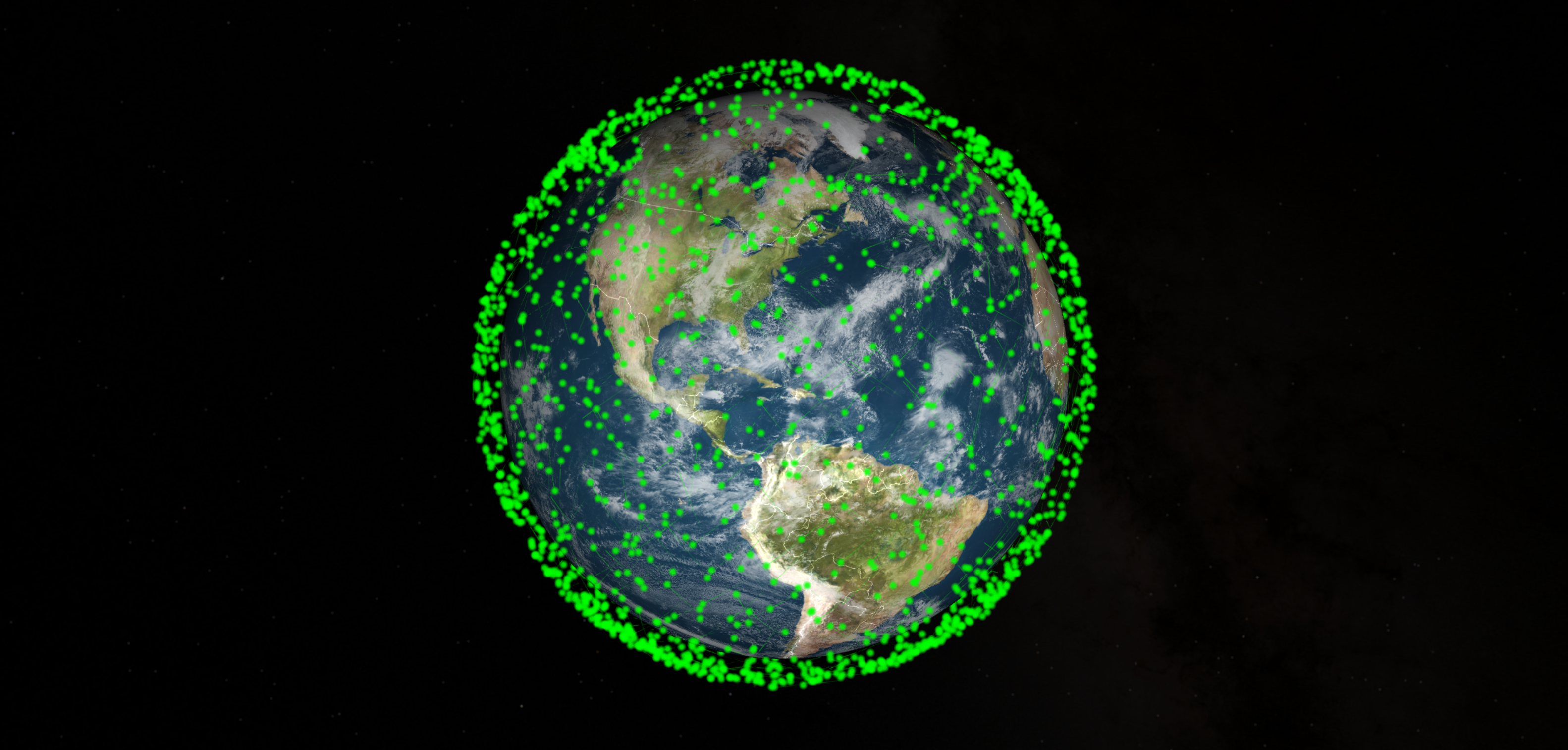
SpaceX quietly built the world's largest 4G network without a single cell tower. Over 650 satellites now connect standard smartphones directly from orbit, and most people carrying compatible phones don't know the service exists.

Space Brief 21 Oct 2025

Space Brief 21 Oct 2025

Today's brief covers the latest in satellite technology contracts, China's rocket launch ambitions, and new launch authorizations paving the way for space exploration advancements.

Starlink 10-50 Launches With Semiconductor Payload Aboard | KeepTrack X Report

Starlink 10-50 Launches With Semiconductor Payload Aboard | KeepTrack X Report

A Falcon 9 lifted off from SLC-40 at 6:50 a.m. EDT carrying Starlink satellites and Besxar Space Industries semiconductor test pods.

Kratos Wins $447M Space Force MEO Missile Tracking Deal | KeepTrack Space Brief

Kratos Wins $447M Space Force MEO Missile Tracking Deal | KeepTrack Space Brief

Kratos awarded $447 million Space Force contract for Resilient Missile Warning Tracking ground ops center in Medium Earth Orbit, shifting missile detection away from vulnerable GEO satellites.

X Report 26 Nov 2025

X Report 26 Nov 2025

This edition highlights SpaceX's ambitious plans for Starship in light of recent developments, a busy launch week featuring multiple missions, and the latest updates on Starlink's operational status.

Lagrange Points

Lagrange Points

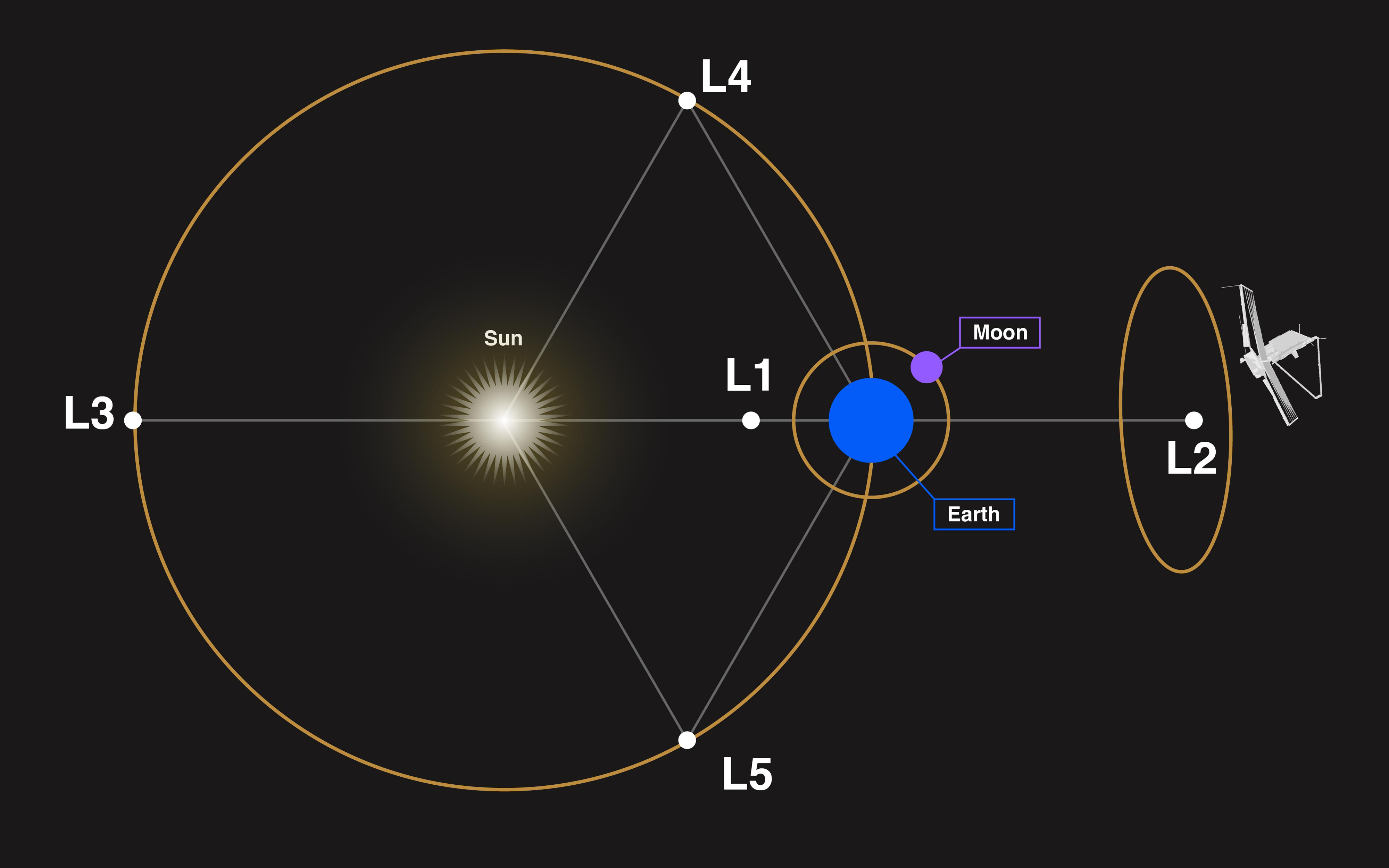
Five spots in the Earth-Sun system where the gravitational tug of two massive bodies and the pull of circular motion all cancel out, creating gravitational parking spaces where spacecraft can sit for decades with almost no fuel.