SL-4 R/B (04696)

COSPAR: 1970-096B | Alt Name: Voskhod (N140) Blok-I
DECAYED

Image
SL-4 R/B Satellite Image
Additional Sources
Launch Details

Launch Date

November 11, 1970

Launch Pad

LC31

Launch Vehicle

Voskhod 11A57

Orbital Elements

NORAD ID

04696

International Designator

1970-096B

Decay Date

11/16/1970

Basic Satellite Info

Name

SL-4 R/B

Alternative Name

Voskhod (N140) Blok-I

Type

Rocket Body

Status

Space Junk

Owner

RVSN

Country

USSR

Constellation

N/A

Related Satellites

Major Events

N/A

Summary
A rocket body, also commonly referred to as an upper stage or spent rocket stage, is the structural shell left behind after a rocket has delivered its payload to orbit. These large and often heavy pieces of space hardware can remain in orbit for years, posing significant collision hazards as part of the growing space debris problem. If left uncontrolled, rocket bodies have the potential to reenter Earth's atmosphere unpredictably, which can lead to falling debris in populated areas. Additionally, they risk colliding with operational satellites or the International Space Station, creating more debris and putting human life at risk.
Physical Characteristics

Length

6.7

Diameter

2.7

Span

6.7

Dry Mass

2350

Launch Mass

2350

Shape

Cyl

Radar Cross Section

Unknown

Visual Magnitude

Unknown

Color

Unknown

Material Composition

Unknown

Technical Details

Payload

11A57I

Purpose

Unknown

Mission

Unknown

Manufacturer

PROG

Life Expectancy

Unknown

Bus

Blok-I

Configuration

Unknown

Motor

Unknown

Equipment

Unknown

Power System

Unknown

ADCS

Unknown

Transmitter Frequency

Unknown

Satellite Articles

View All Posts »

Learn more about satellites and other related topics.

SpaceX Preps First February Starlink Launch, Orbital Data Centers Gain Traction | KeepTrack X Report

SpaceX Preps First February Starlink Launch, Orbital Data Centers Gain Traction | KeepTrack X Report

SpaceX readies Starlink 17-32 launch of 25 satellites from Vandenberg. Orbital data center economics draw attention from Musk and Bezos. 9,614 Starlink sats on orbit.

FCC Shuts SpaceX Out of Key D2D Spectrum, X Report 25 Apr 2026

FCC Shuts SpaceX Out of Key D2D Spectrum, X Report 25 Apr 2026

FCC dismisses SpaceX spectrum challenges, blocking key D2D frequencies. A $57M Golden Dome crosslink demo and software group seat soften the blow.

The International Scientific Optical Network (ISON)

The International Scientific Optical Network (ISON)

How a controversial telescope network has become a significant player in tracking the increasingly crowded orbital environment, raising important questions about transparency, dual-use technologies, and the future of space situational awareness.

SDA Awards $1.75B for Golden Dome Missile Tracking | KeepTrack Space Brief

SDA Awards $1.75B for Golden Dome Missile Tracking | KeepTrack Space Brief

SDA hands L3Harris and Sierra Space $1.75B to build missile warning satellites for Pentagon's Golden Dome shield, targeting 2028 demonstration under accelerated schedule.

Space Brief 11 Jun 2025

Space Brief 11 Jun 2025

Today's Space Brief covers a major partnership in space tech distribution, China's orbital refueling preparations under U.S. scrutiny, recent U.S. defense budget reveals, and an exciting hyperspectral imagery release from Xplore.

Space Brief 1 Apr 2025

Space Brief 1 Apr 2025

Today's brief covers the U.S. Space Force's orbital carrier initiative, ULA Vulcan's approval for military launches, Rocket Lab's new contract with the Space Force, integrated data layers for military command, and advances in tactical surveillance.

X Report 18 Jul 2025

X Report 18 Jul 2025

Elon Musk provided updates on the anticipated Starship Flight 10, along with insights on SpaceX's progress at Cape Canaveral. Key developments include target timelines for upcoming launches and ongoing efforts in Starship's development.

The Morning a Supply Ship Tore Open Mir

The Morning a Supply Ship Tore Open Mir

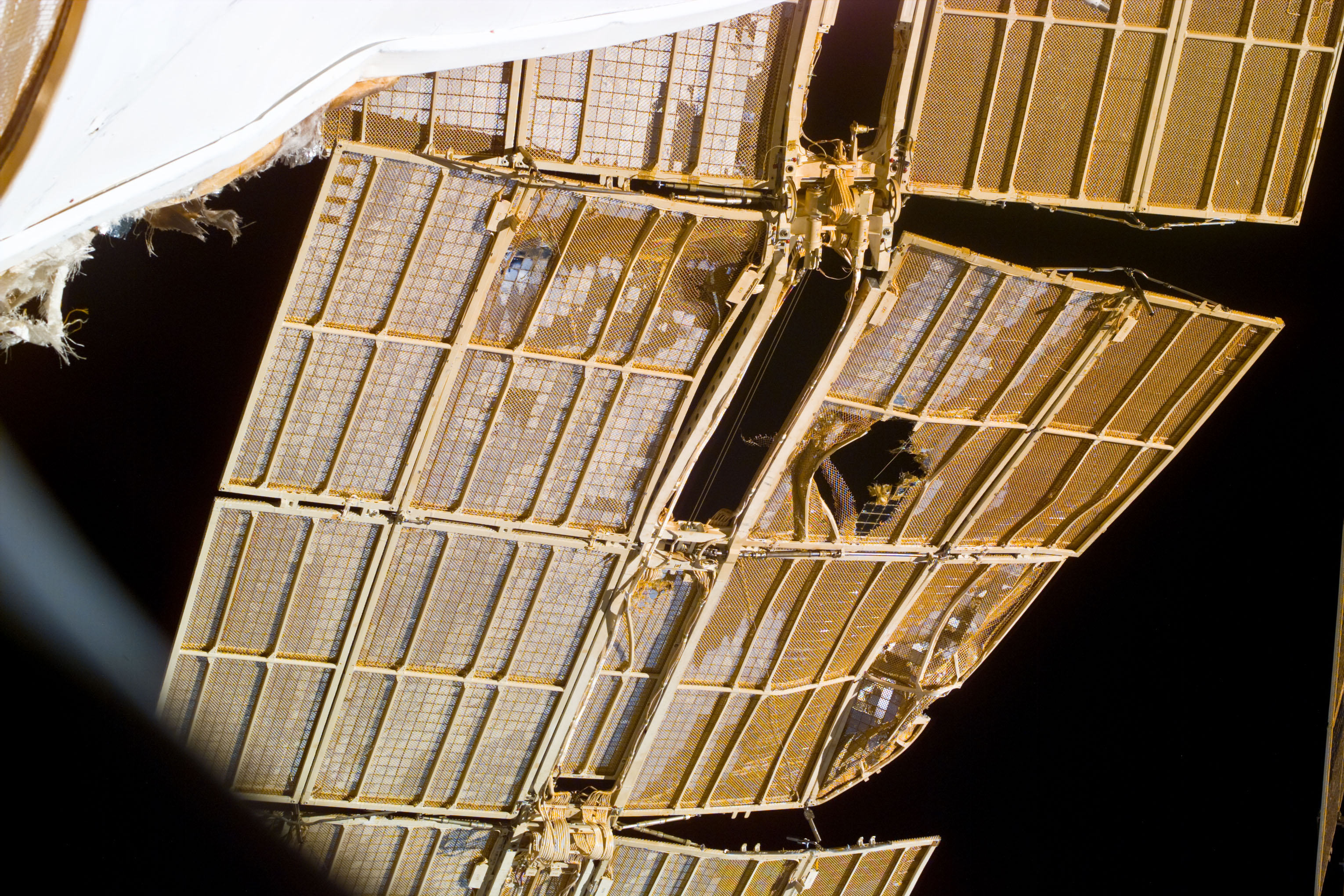
On 25 June 1997, a seven-ton cargo ship under hand control drifted into Mir's Spektr module, breached the hull, and left three crew members listening to their air hiss into space. It remains the worst collision in the history of human spaceflight.