

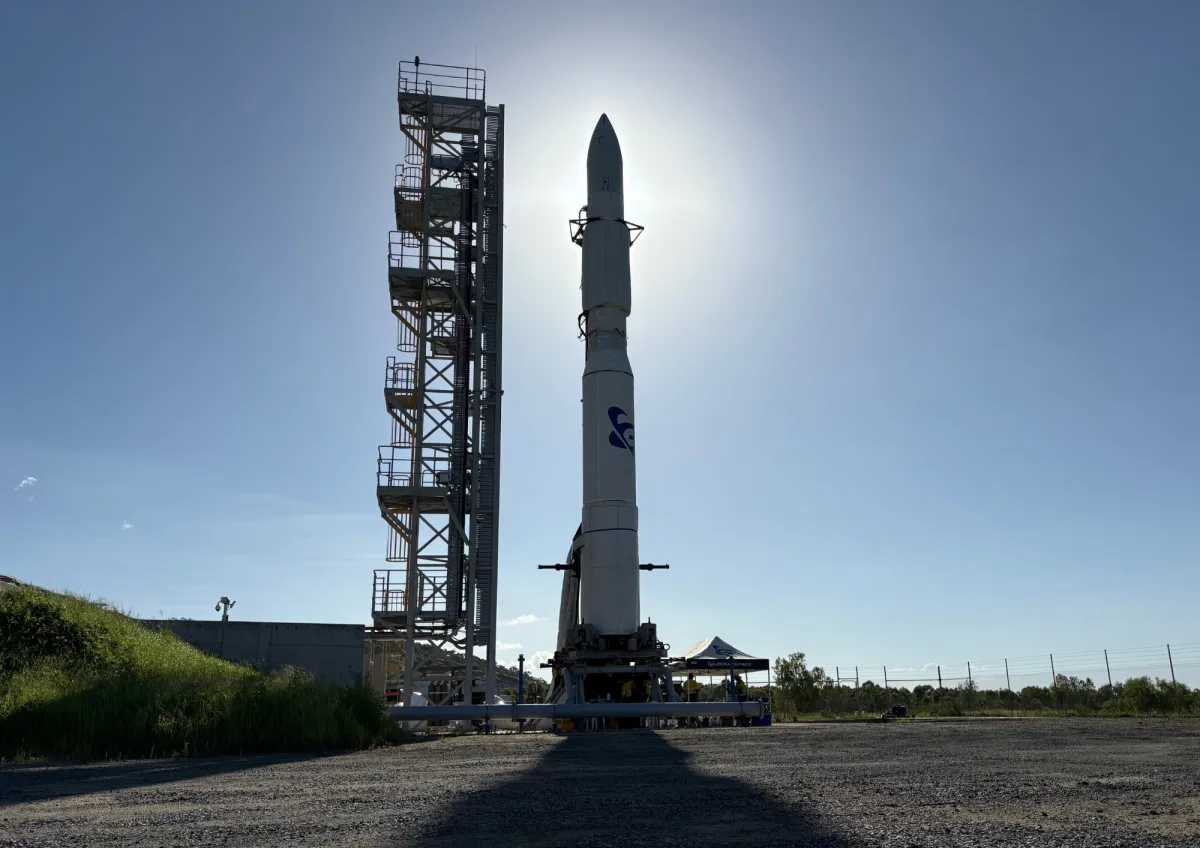
Space Brief 8 Apr 2025
Key highlights include the launch of a Navy SEAL astronaut to the ISS, multi-billion dollar contracts awarded by the US Space Force, advancements in secure GPS technology, and a strategic ISR arrangement.



Launch Date
August 29, 1970
Launch Site
Launch Pad
LC31
Launch Vehicle
Voskhod 11A57
NORAD ID
04517
International Designator
1970-068D
Decay Date
9/11/1970
Name
COSMOS 360 DEB
Alternative Name
KDU
Type
Status
Owner
GUKOSR
Country
USSR
Constellation
N/A
Related Satellites
Major Events
N/A
Length
1
Diameter
0.4
Span
1
Dry Mass
140
Launch Mass
430
Shape
Frust
Radar Cross Section
Unknown
Visual Magnitude
Unknown
Color
Unknown
Material Composition
Unknown
Payload
KDU
Purpose
Unknown
Mission
Unknown
Manufacturer
TSKBE3
Life Expectancy
Unknown
Bus
Zenit KDU
Configuration
Unknown
Motor
Unknown
Equipment
Unknown
Power System
Unknown
ADCS
Unknown
Transmitter Frequency
Unknown
Learn more about satellites and other related topics.
Key highlights include the launch of a Navy SEAL astronaut to the ISS, multi-billion dollar contracts awarded by the US Space Force, advancements in secure GPS technology, and a strategic ISR arrangement.
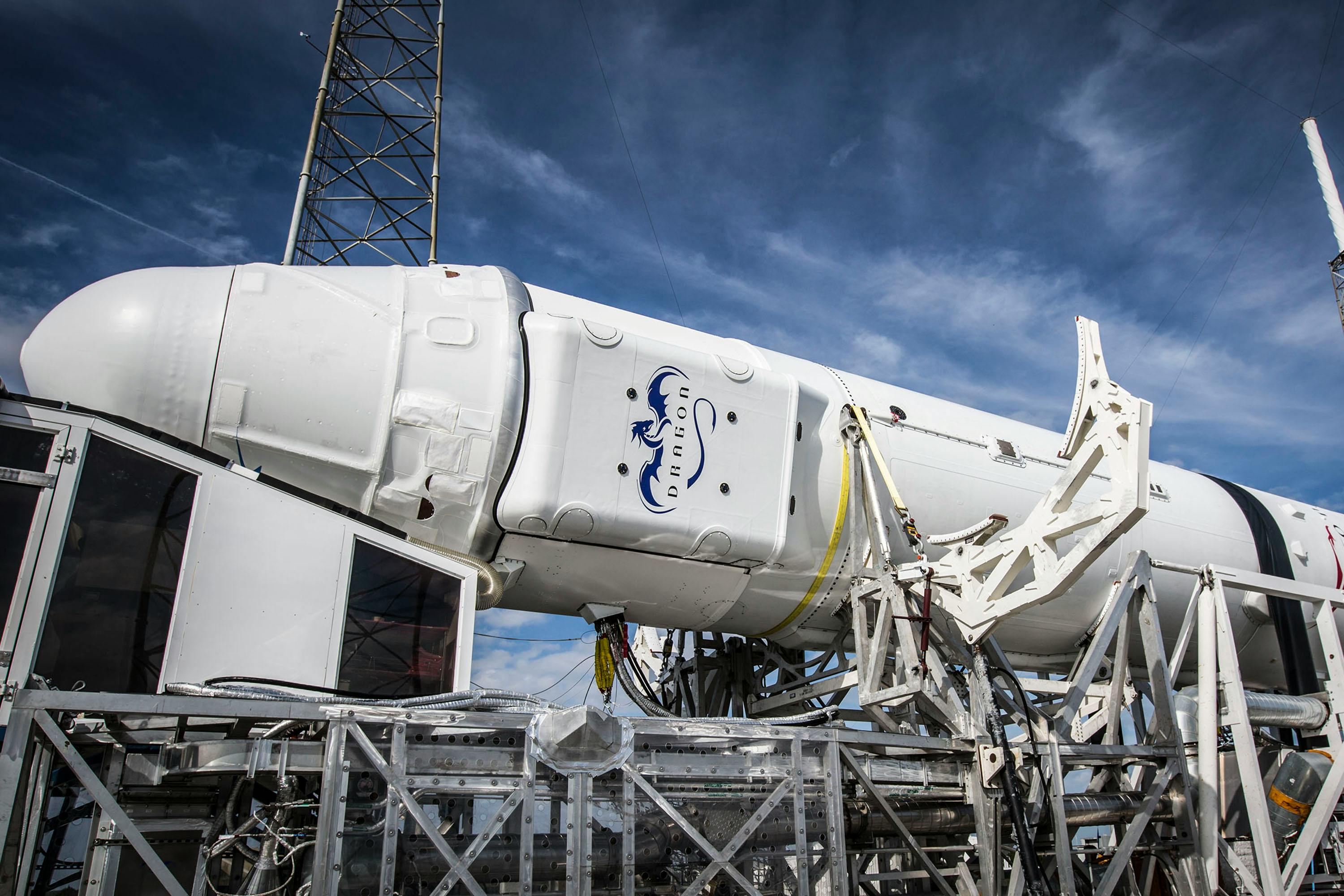
A second Starlink satellite malfunction in just over three months has generated on-orbit debris, raising fresh questions about SpaceX's 10,151-strong working constellation.

Today's brief highlights significant developments in space defense, innovation fund challenges, and international defense agreements impacting satellite utilities.

SpaceX lands Falcon 9 in The Bahamas for the second time ever during Starlink 10-34 mission. Scientists measure rocket reentry air pollution in real-time for the first time.
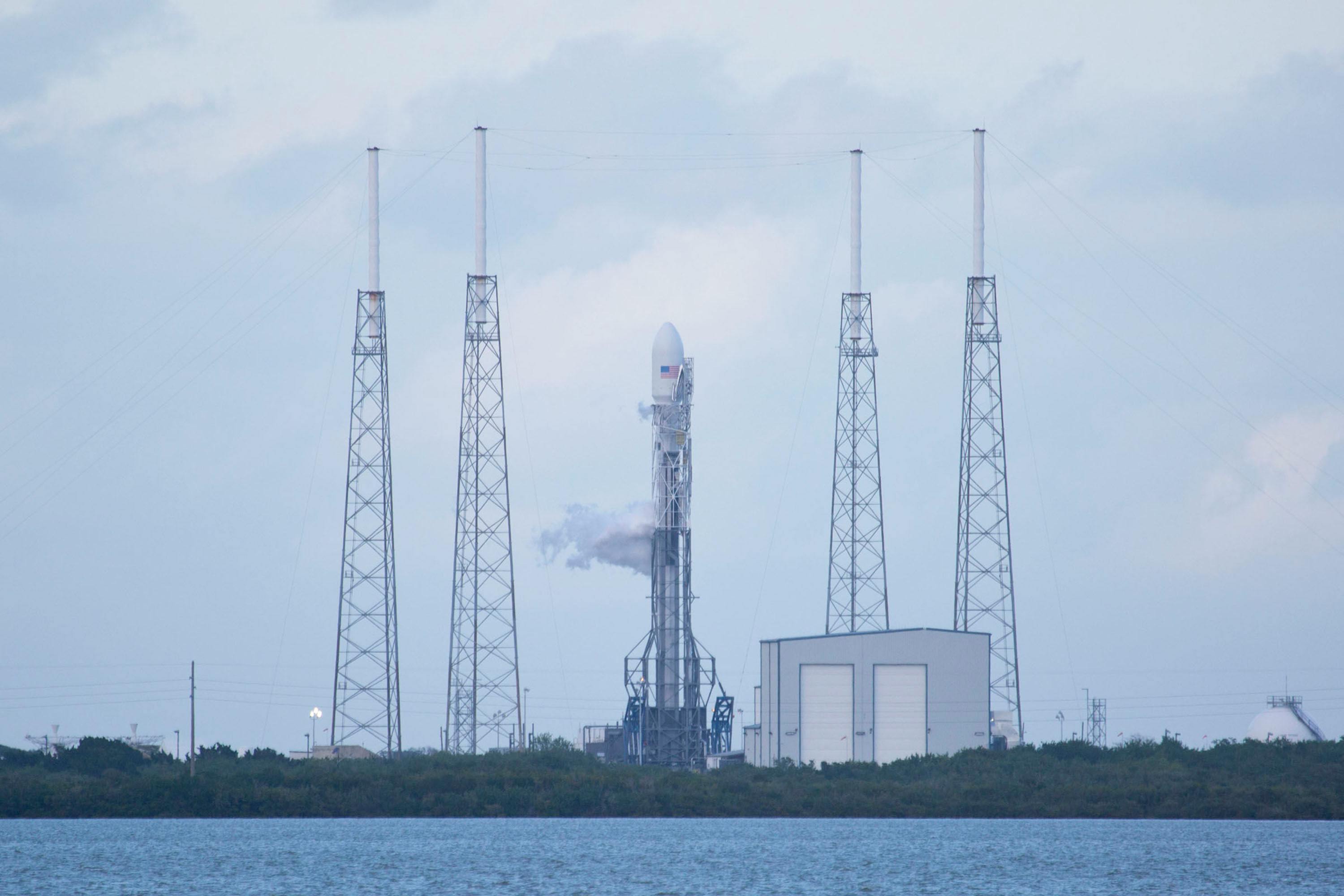
How many Starlink satellites are in orbit in 2026? 10,087 working of 10,097 on orbit, 11,612 launched to date, per KeepTrack data.
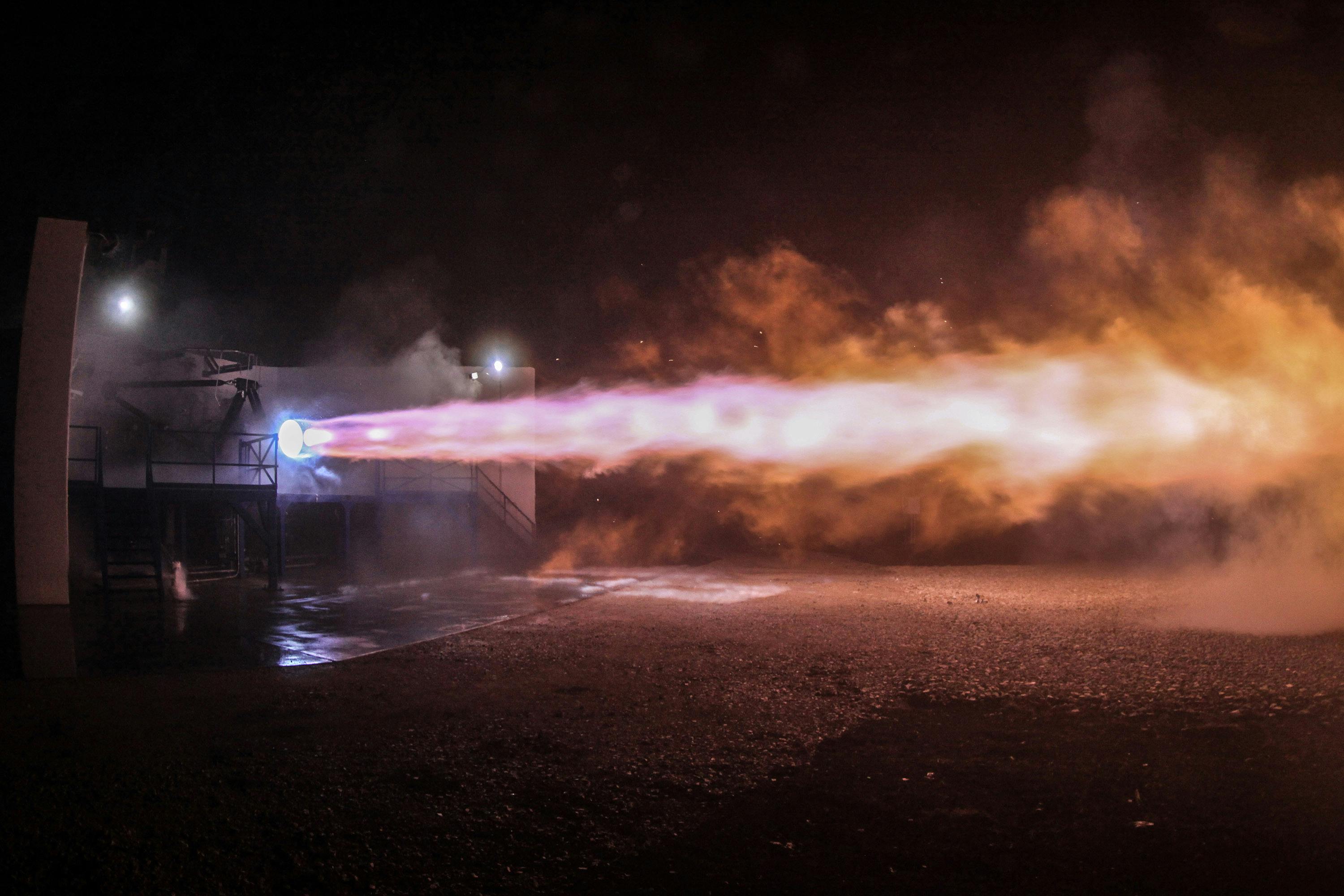
A Falcon 9 booster sets a reusability record on its 35th flight during the Starlink 10-35 mission, the constellation's 53rd dedicated launch.
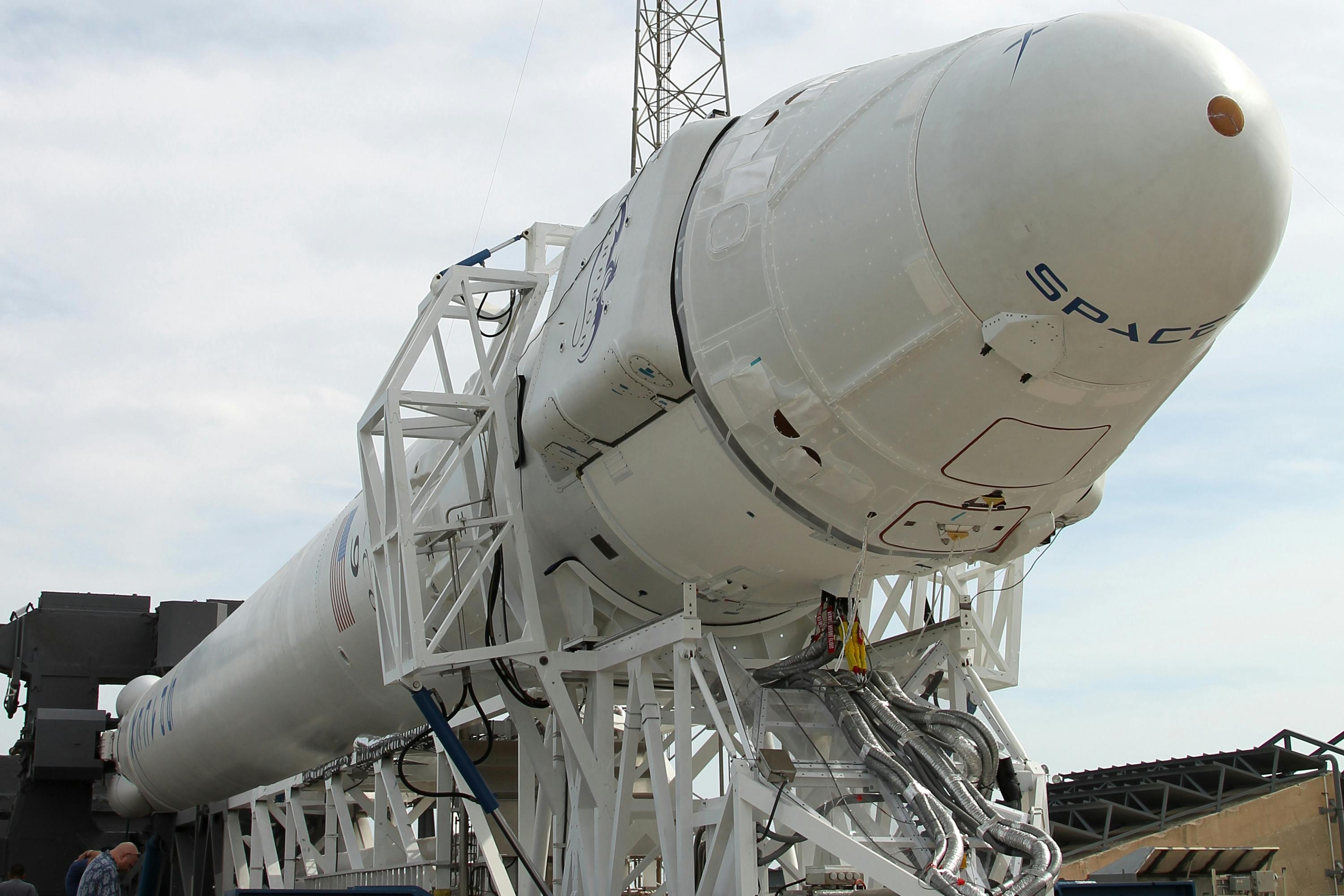
A week of highs and lows for SpaceX, including weather-related delays and a return to Falcon launches.
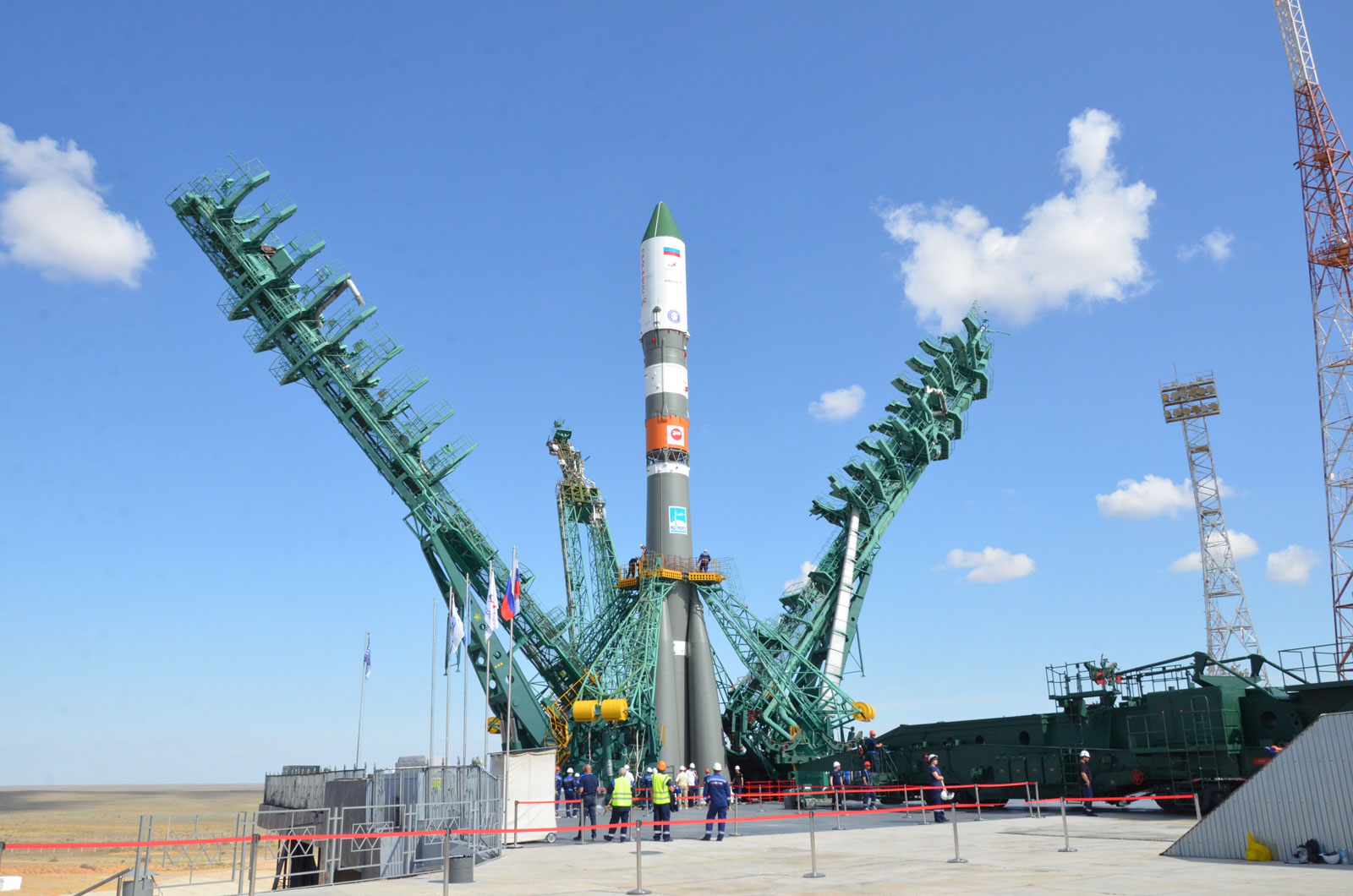
Today's brief highlights significant shifts in military space spending due to the Golden Dome program, the U.S. Space Force's advancements in tactical satellite communications, and NASA's race to nuclear power in space.