

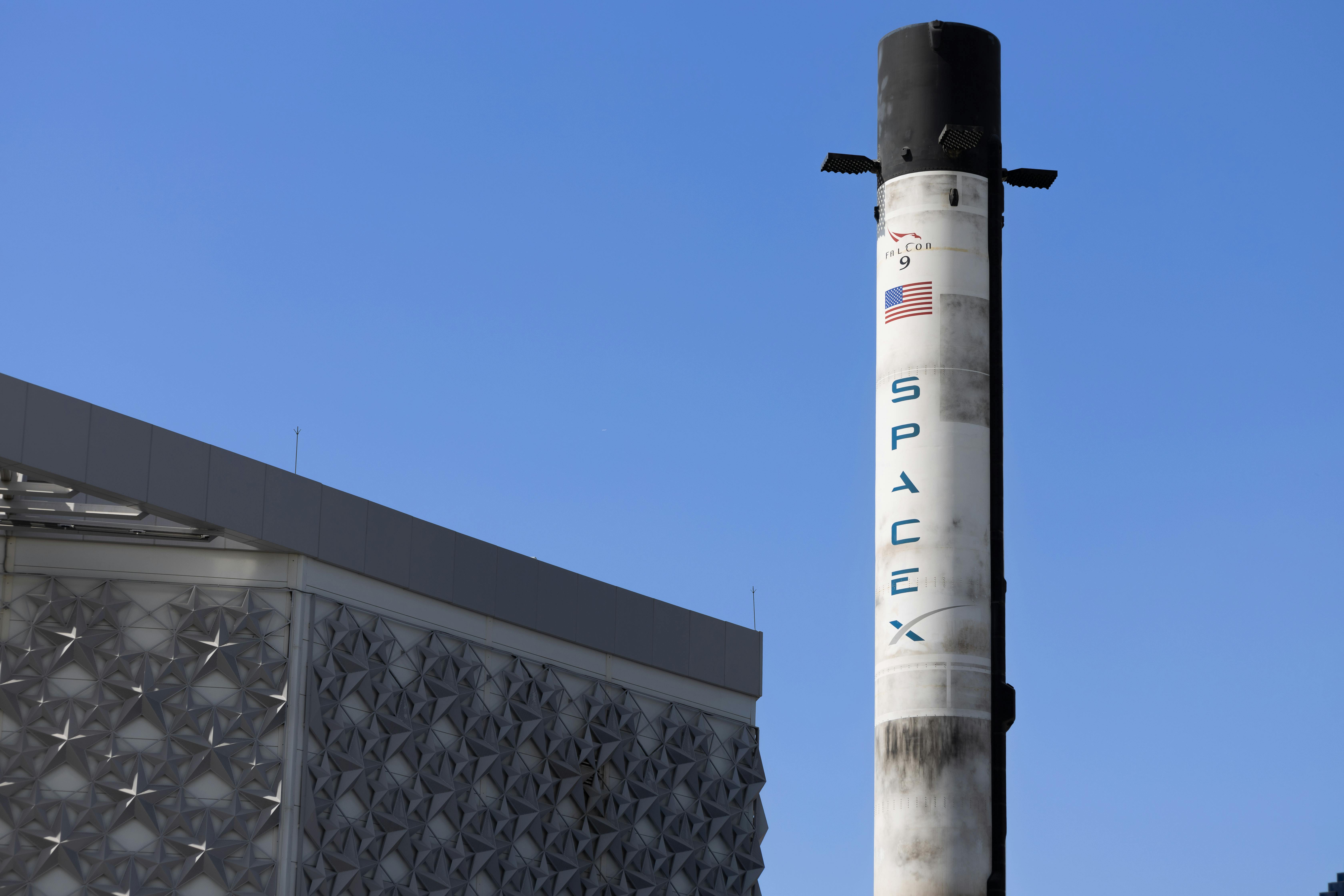
SpaceX Targets 600th Falcon Booster Landing, X Report 19 Apr 2026
SpaceX targets its 600th Falcon 9 booster landing on Starlink 17-22, lofting 25 satellites from Vandenberg. Plus a 2028 SpaceX ride for ESA's Mars rover.


Launch Date
April 24, 1970
Launch Site
KYMSC
Launch Pad
LC86/4
Launch Vehicle
Kosmos 11K63
NORAD ID
04380
International Designator
1970-035A
Decay Date
6/22/1970
Name
COSMOS 335
Alternative Name
Kosmos-335
Type
Status
Owner
YUZH
Country
USSR
Constellation
N/A
Related Satellites
Major Events
N/A
Apologies, there is no summary for this satellite yet. I am working to generate these for every object in the catalog, but it is going to take time.
Length
2
Diameter
0.8
Span
2.4
Dry Mass
315
Launch Mass
315
Shape
Ell + Ant
Radar Cross Section
Unknown
Visual Magnitude
Unknown
Color
Unknown
Material Composition
Unknown
Payload
DS-U1-R No. 1
Purpose
Unknown
Mission
Unknown
Manufacturer
YUZH
Life Expectancy
Unknown
Bus
DS-U1
Configuration
Unknown
Motor
Unknown
Equipment
Unknown
Power System
Unknown
ADCS
Unknown
Transmitter Frequency
Unknown
Learn more about satellites and other related topics.
SpaceX targets its 600th Falcon 9 booster landing on Starlink 17-22, lofting 25 satellites from Vandenberg. Plus a 2028 SpaceX ride for ESA's Mars rover.

On April 22, 2026, the FAA published a final rule implementing per-launch user fees for commercial space transportation — the first time the U.S. government has charged payload-based fees for rocket launches. Starting at 25 cents per pound with a $30,000 cap, the fees are modest today. By 2033, they won't be.
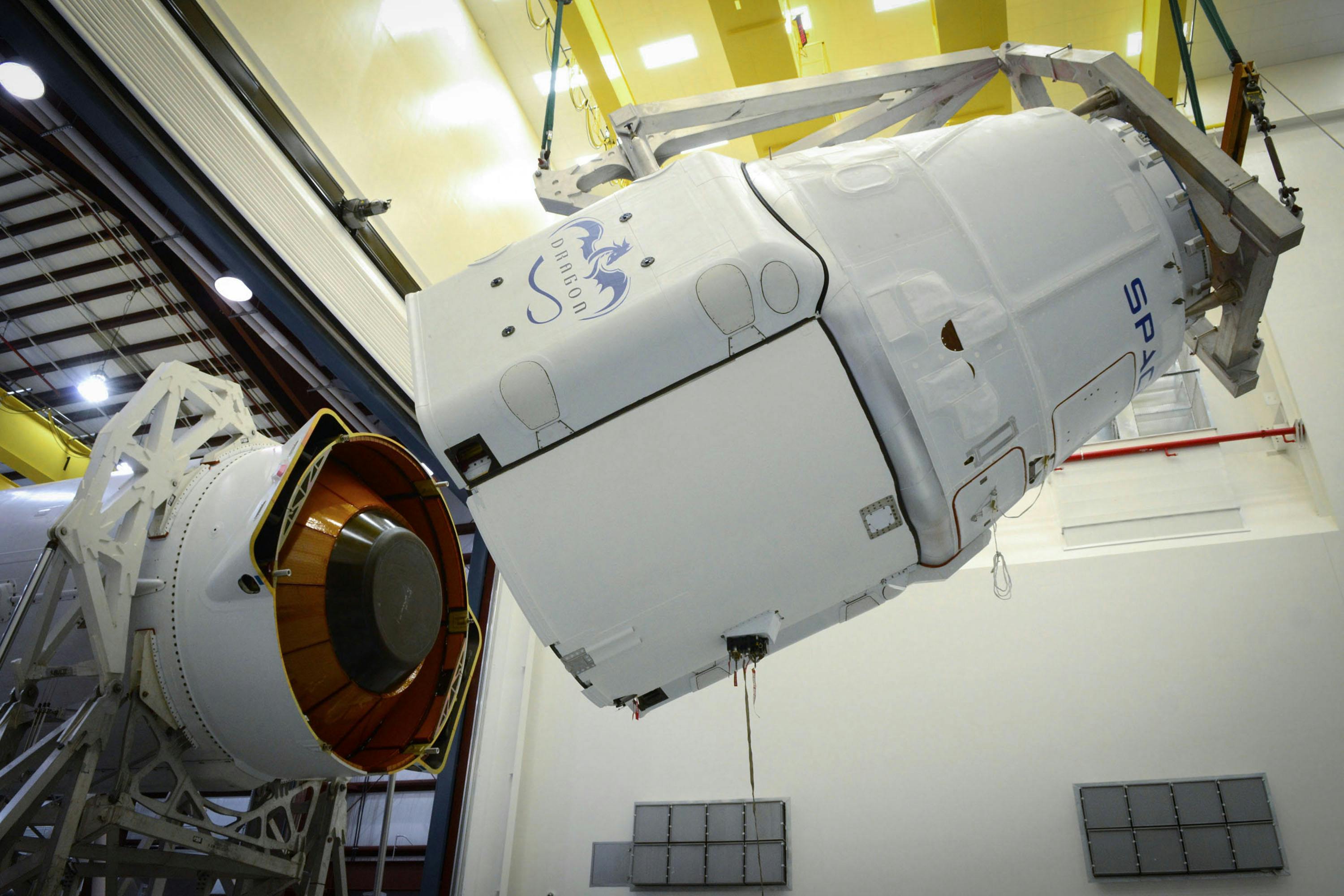
SpaceX gears up for Starship Flight 8 amidst Starlink's growing presence in global internet markets.

Today's brief covers advancements in satellite technology initiatives by the U.S. Space Force, geopolitical implications in maritime domains, and Sweden's significant military aid package. Additionally, we spotlight a historical satellite with modern implications.

Major challenges emerged with SpaceX's next-generation Starship booster testing, while Starlink deployments continued with successful launches.

Today's Space Brief highlights the U.S. Air Force's $48 million investment in testing reentry capsules, a Pentagon-backed GPS alternative, and the Space Force's quest for funding autonomy.

Pentagon's $50B Iran supplemental request signals major investment in missile defense and ISR satellites. Amazon reshuffles LEO government leadership amid Kuiper competition.

An in-depth look at CelesTrak, the leading non-profit provider of orbital element sets and collision assessment tools, trusted by space professionals worldwide.