


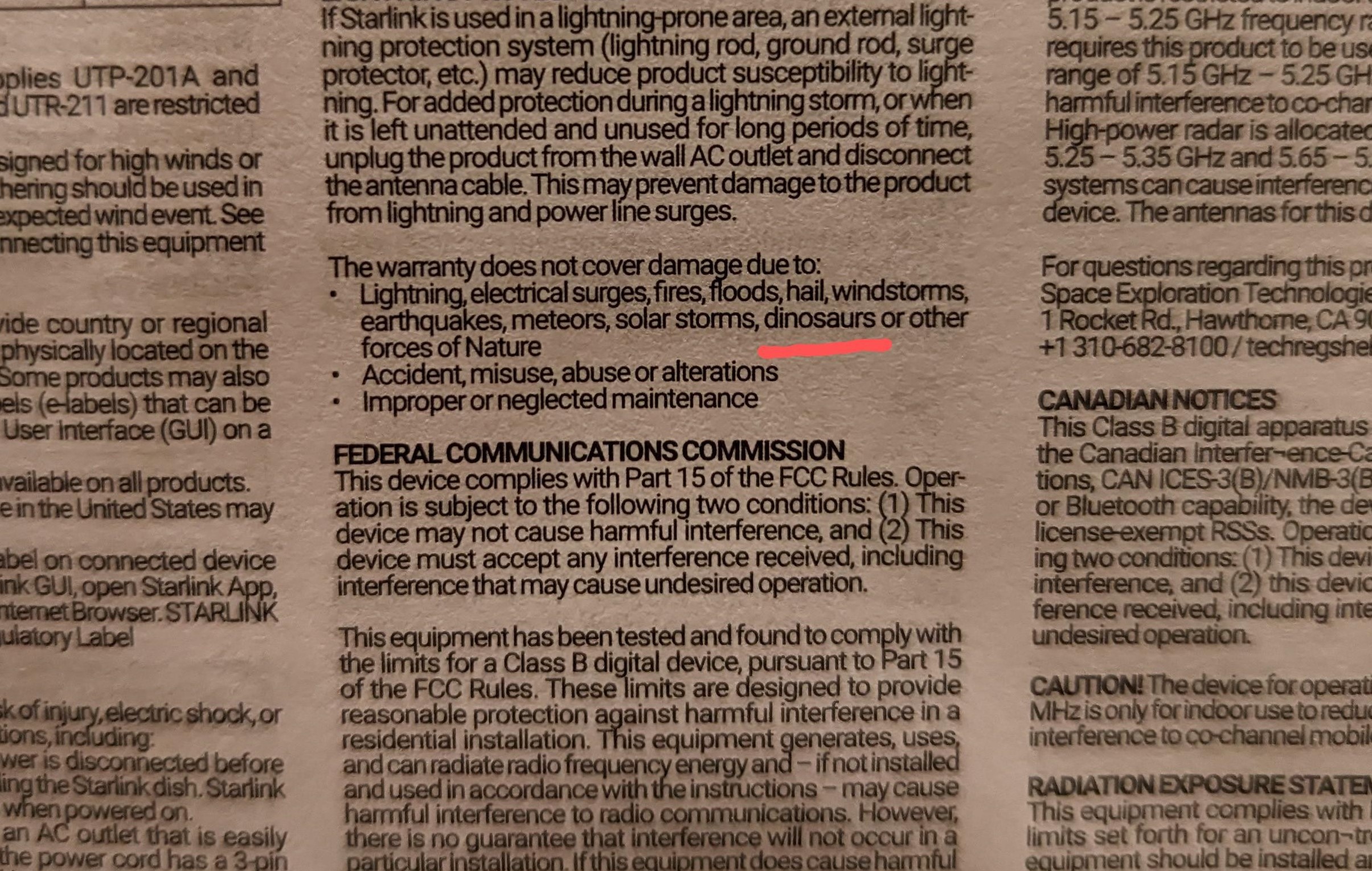
Top 10 Features You Didn't Know About Starlink
Discover the hidden gems and lesser-known aspects of SpaceX's revolutionary Starlink satellite internet service, from Easter eggs to advanced technical features.


Launch Date
April 23, 1970
Launch Site
Launch Pad
LC17A
Launch Vehicle
Thor Delta M
NORAD ID
04377
International Designator
1970-032B
Epoch
Sun, 19 Jul 2026 10:05:03 GMT
Apogee
Calculating...
Perigee
Calculating...
Inclination
26.74°
Right Ascension
5.49°
Eccentricity
Calculating...
Argument of Perigee
355.88°
Period
316.41 min
Mean Motion
4.55 rev/day
Latitude
Calculating...
Longitude
Calculating...
Altitude
Calculating...
Velocity
Calculating...
Name
DELTA 1 R/B
Alternative Name
Delta 78 Stage 3
Type
Status
Owner
GSFC
Country
United States
Constellation
N/A
Related Satellites
Major Events
N/A
1 04377U 70032B 26200.42017939 .00006798 00000+0 79320-3 0 9991
2 04377 26.7358 5.4920 5683121 355.8782 0.8845 04.55104402635103
Source: Celestrak
Length
1
Diameter
0.9
Span
1
Dry Mass
65
Launch Mass
718
Shape
Sphere + Cone
Radar Cross Section
1.4274
Visual Magnitude
Unknown
Color
Unknown
Material Composition
Unknown
Payload
Star 37D S/N 014
Purpose
Unknown
Mission
Unknown
Manufacturer
THKE
Life Expectancy
Unknown
Bus
Star 37
Configuration
Unknown
Motor
Unknown
Equipment
Unknown
Power System
Unknown
ADCS
Unknown
Transmitter Frequency
Unknown
Learn more about satellites and other related topics.
Discover the hidden gems and lesser-known aspects of SpaceX's revolutionary Starlink satellite internet service, from Easter eggs to advanced technical features.
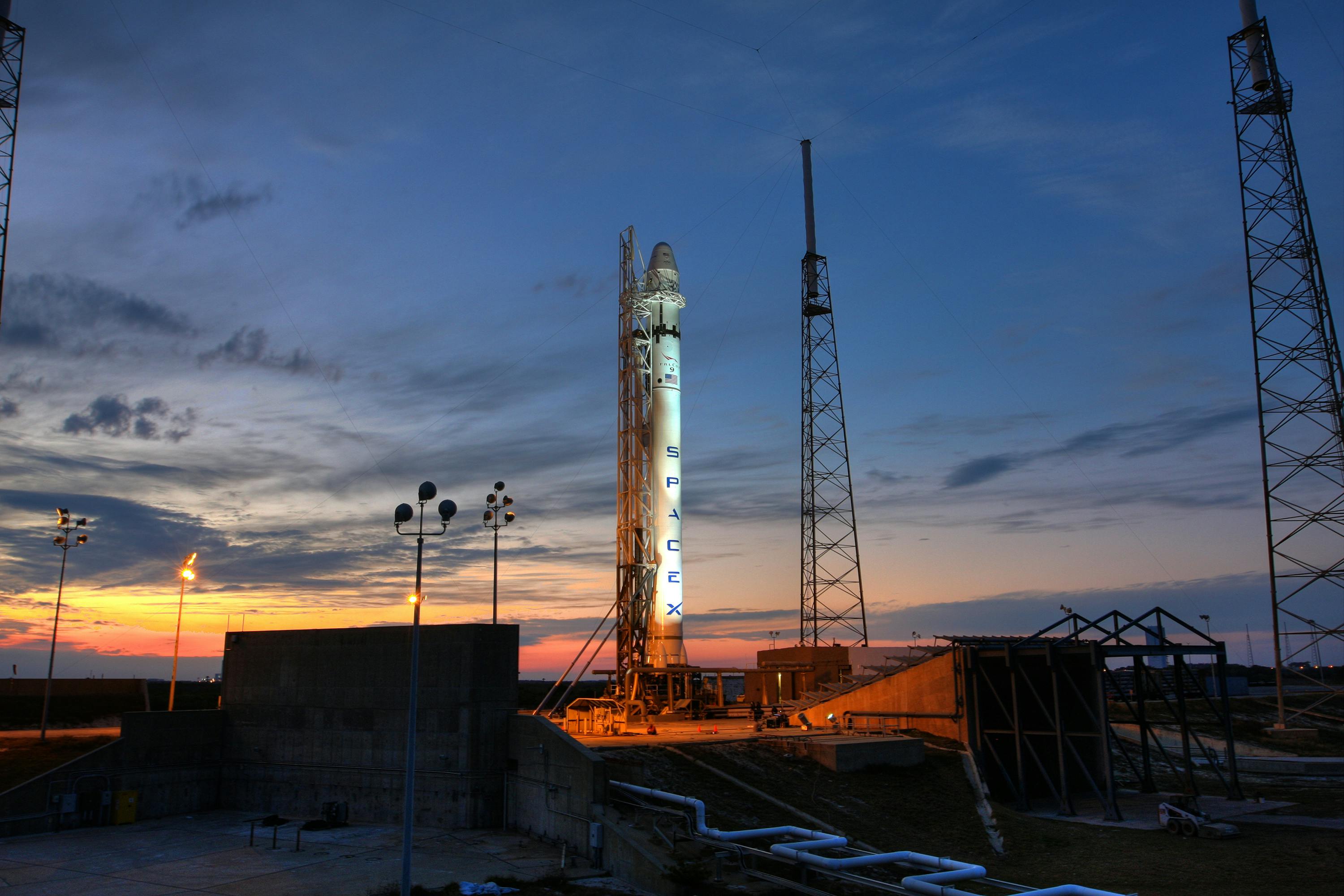
SpaceX shifts launch priorities to Vandenberg as Falcon 9 era winds down, while Anthropic signs orbital data center deal with the company.

U.S. Space Force selects Boeing's 702MP spacecraft for next-generation MUOS satellites. Rocket Lab delivers Synspective's 10th StriX radar satellite. Track both missions.
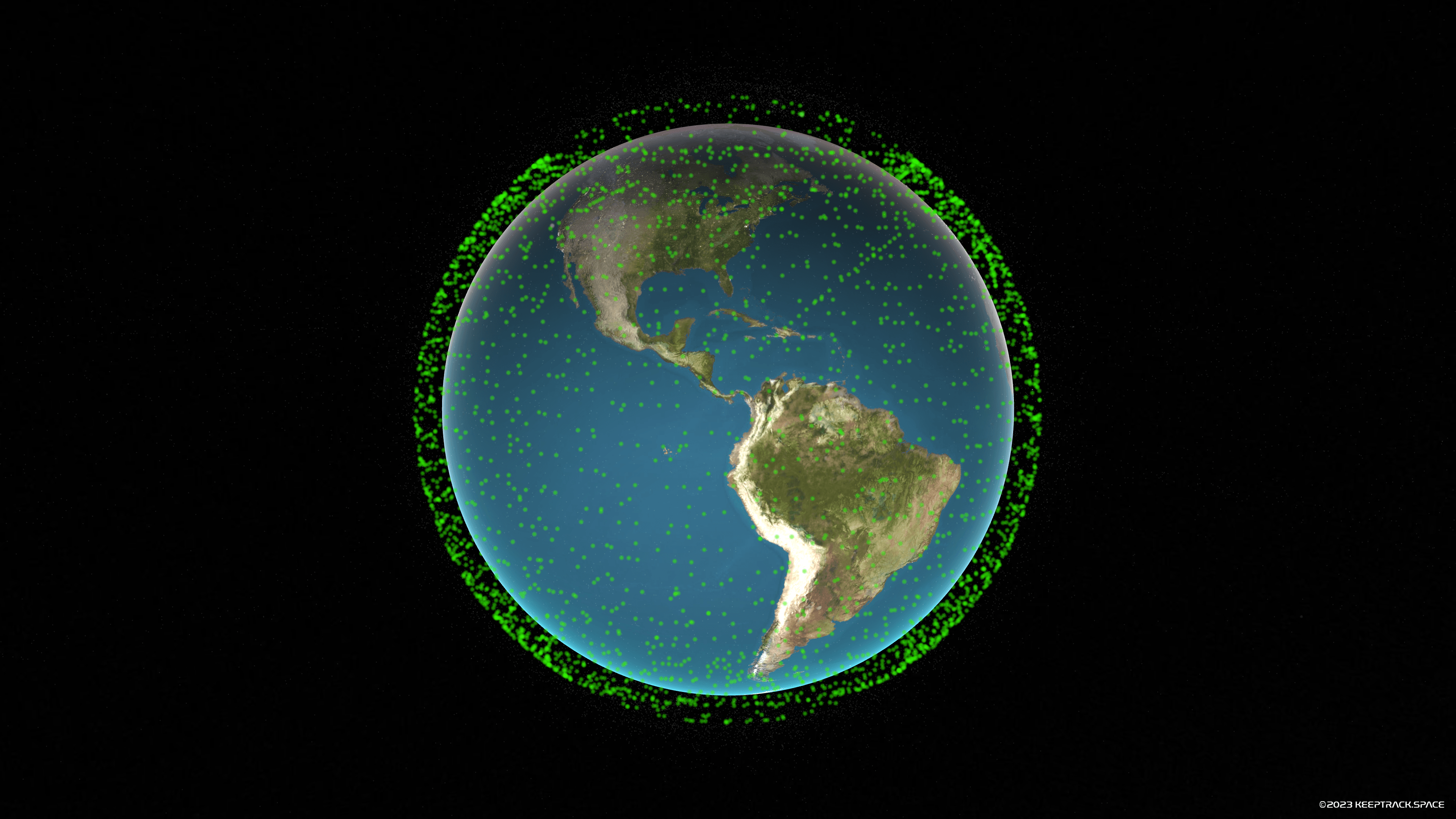
The U.S. Federal Communications Commission reaffirms its decision to deny SpaceX's Starlink unit $885.5 million in rural broadband subsidies, impacting the company's plans for expanding internet access.

SpaceX continues to make strides in both its Starship program and Starlink satellite deployments, with a successful launch of 24 Starlink satellites and preparations for upcoming missions.

Today's Space Brief covers a major partnership in space tech distribution, China's orbital refueling preparations under U.S. scrutiny, recent U.S. defense budget reveals, and an exciting hyperspectral imagery release from Xplore.

In 2024, China launched 68 orbital missions. In 2025, the number jumped to 97. In 2026, state media and Western analysts agree the target is 140 or more. Most of that growth is being driven by two state-backed mega-constellations, a half-dozen private launch companies hitting stride, and a deliberate national pivot toward commercial space. Beijing is no longer trying to catch SpaceX. It is trying to build an industrial base that outlasts one.
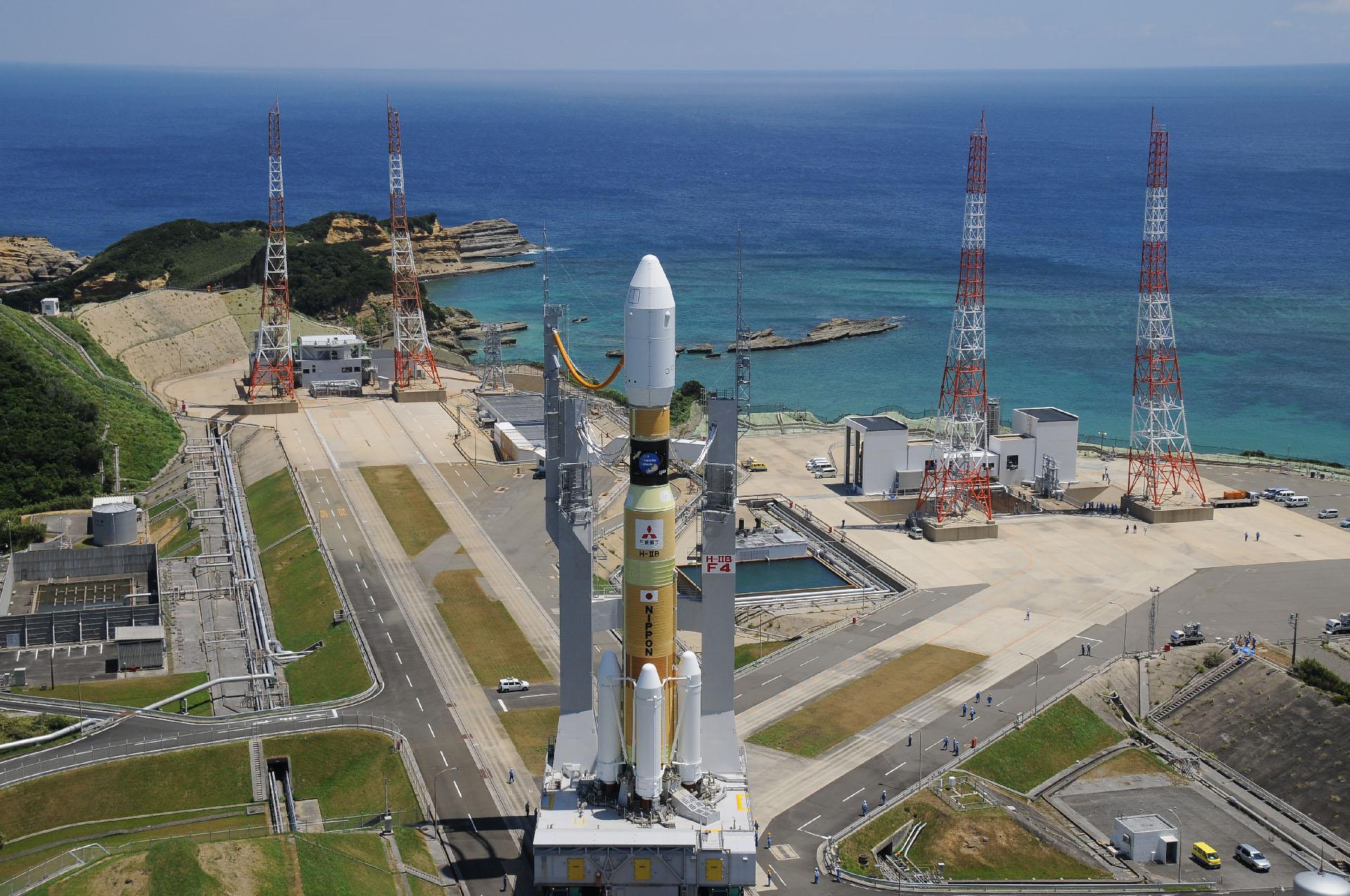
New Glenn's upper stage malfunctioned April 19, stranding AST SpaceMobile's BlueBird 7; the satellite is lost. Vulcan may fly without solid boosters.