


Space Brief 9 Jul 2025
Today's brief covers the U.S. Space Force's new international strategy, Northrop Grumman's Golden Dome project, and ULA's Vulcan launches, alongside military budget priorities.


Launch Date
September 30, 1969
Launch Site
AFWTR
Launch Pad
SLC1W
Launch Vehicle
Thorad SLV-2G Agena D
NORAD ID
04159
International Designator
1969-082AB
Epoch
Sun, 19 Jul 2026 14:59:29 GMT
Apogee
Calculating...
Perigee
Calculating...
Inclination
69.96°
Right Ascension
160.94°
Eccentricity
Calculating...
Argument of Perigee
278.57°
Period
104.89 min
Mean Motion
13.73 rev/day
Latitude
Calculating...
Longitude
Calculating...
Altitude
Calculating...
Velocity
Calculating...
Name
THORAD AGENA D R/B
Alternative Name
Agena D 2706
Type
Status
Owner
SAMSO
Country
United States
Constellation
N/A
Related Satellites
Major Events
N/A
1 04159U 69082AB 26200.62465198 -.00000003 00000+0 49253-4 0 9995
2 04159 69.9615 160.9357 0117472 278.5652 80.2144 13.72915789843034
Source: Celestrak
Length
6.3
Diameter
1.5
Span
6.3
Dry Mass
600
Launch Mass
600
Shape
Cyl
Radar Cross Section
4.2326
Visual Magnitude
Unknown
Color
Unknown
Material Composition
Unknown
Payload
Agena D
Purpose
Unknown
Mission
Unknown
Manufacturer
LMSC
Life Expectancy
Unknown
Bus
Agena D
Configuration
Unknown
Motor
Unknown
Equipment
Unknown
Power System
Unknown
ADCS
Unknown
Transmitter Frequency
Unknown
Learn more about satellites and other related topics.
Today's brief covers the U.S. Space Force's new international strategy, Northrop Grumman's Golden Dome project, and ULA's Vulcan launches, alongside military budget priorities.
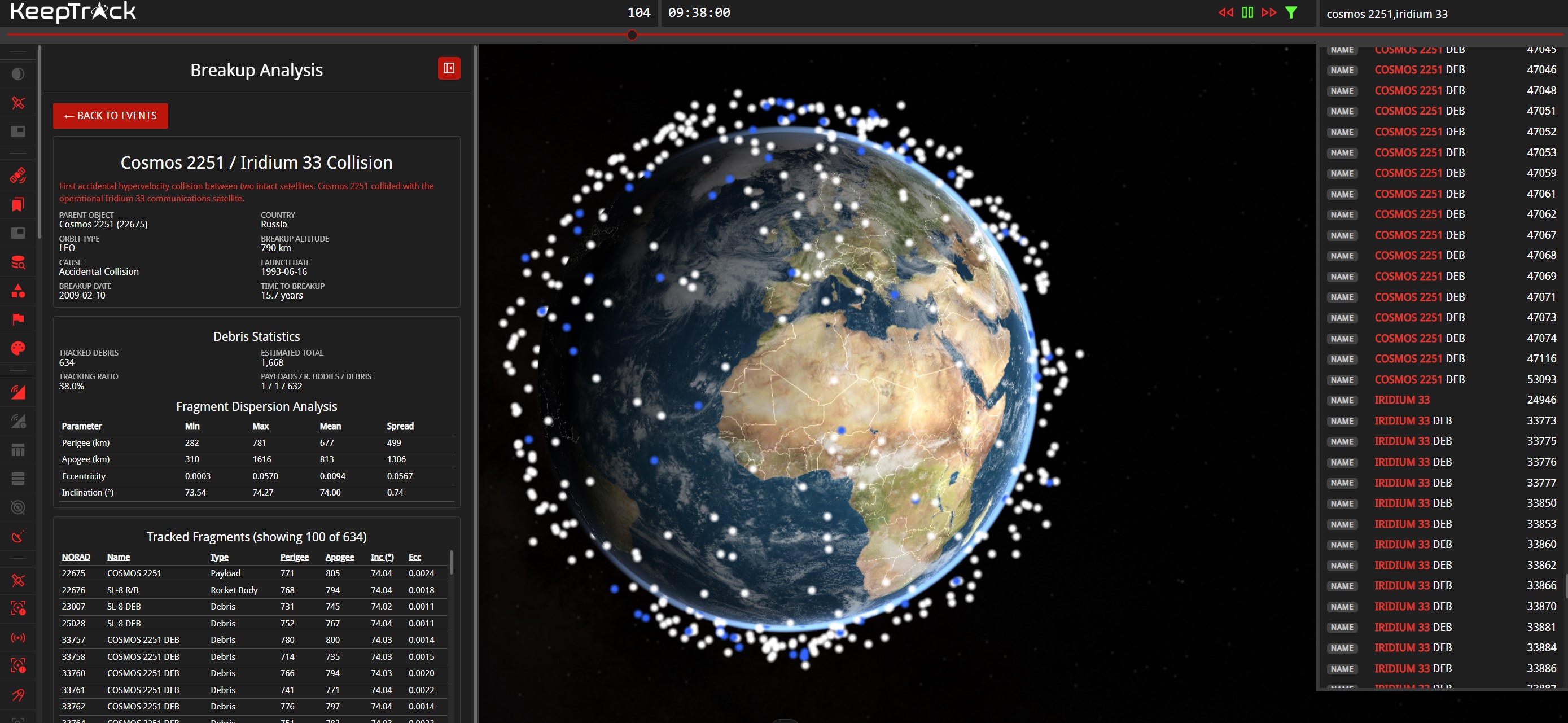
On February 10, 2009, an active Iridium communications satellite and a derelict Soviet military spacecraft slammed into each other 789 kilometers above Siberia. The collision produced more than 2,300 pieces of trackable debris that are still up there. Seventeen years later, the Iridium-Cosmos collision remains the event that made space debris a policy problem the world could no longer ignore.
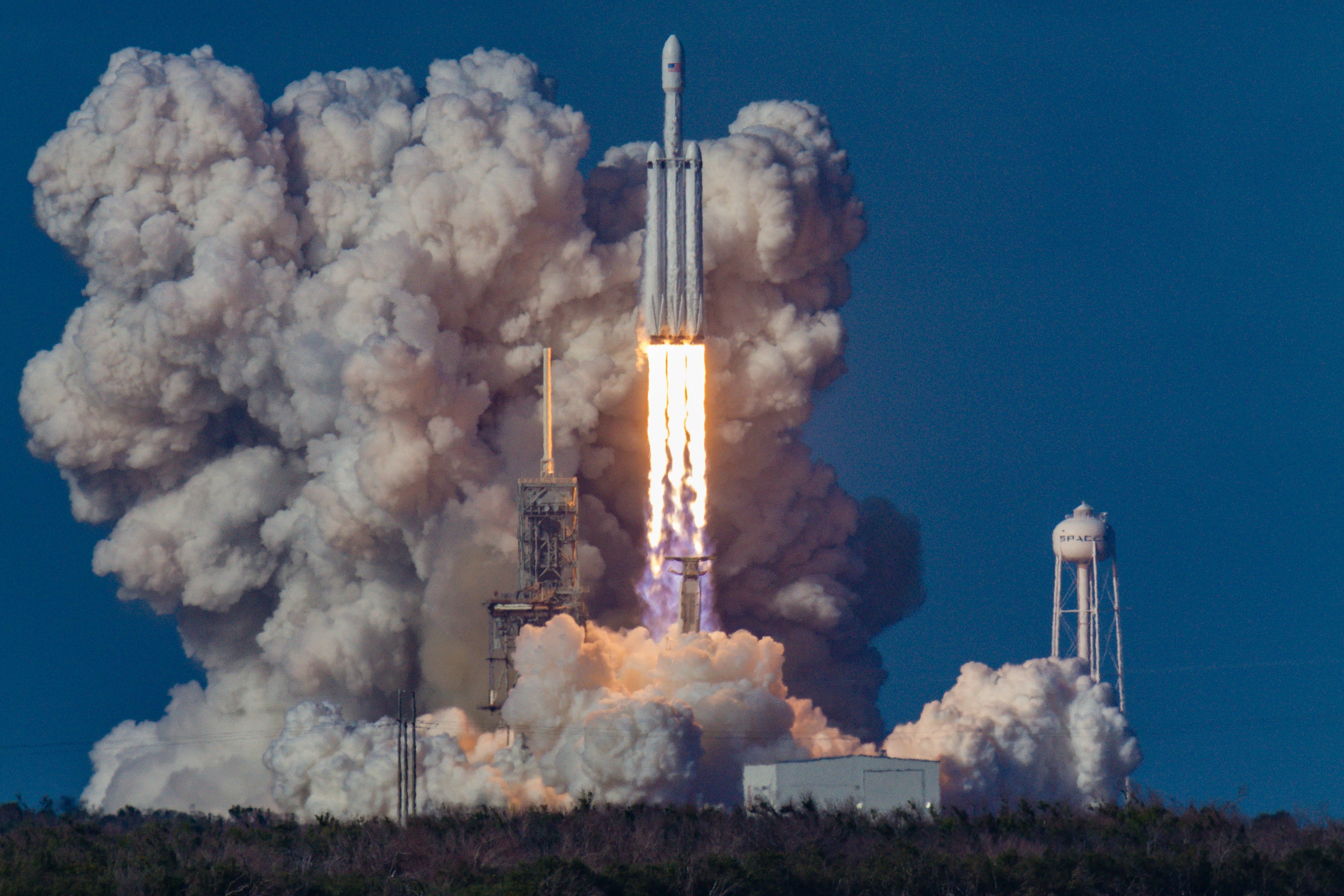
Trump reportedly asked Musk to donate SpaceX equity to seed children's savings accounts as Starlink tops 10,706 working satellites in orbit.
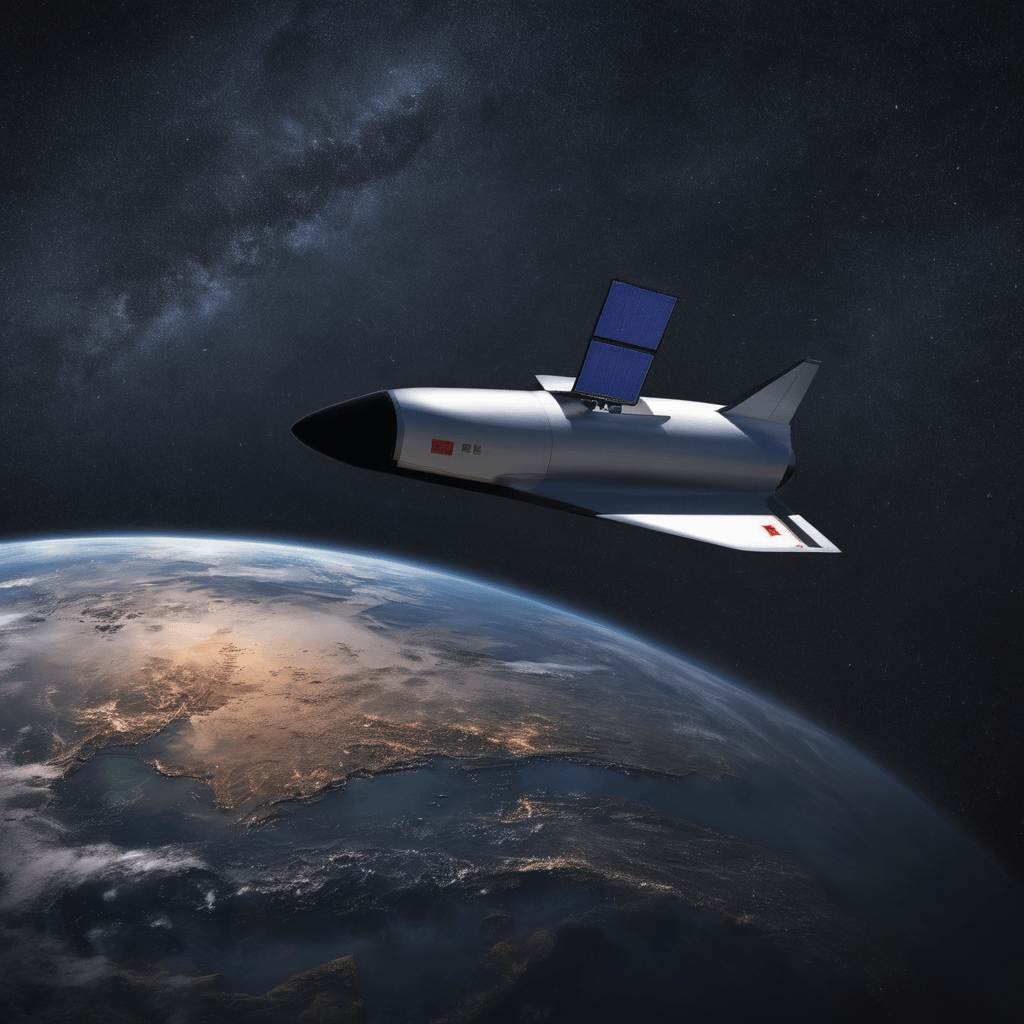
Details on China's current Shenlong spaceplane mission and its recent deployment of six objects.
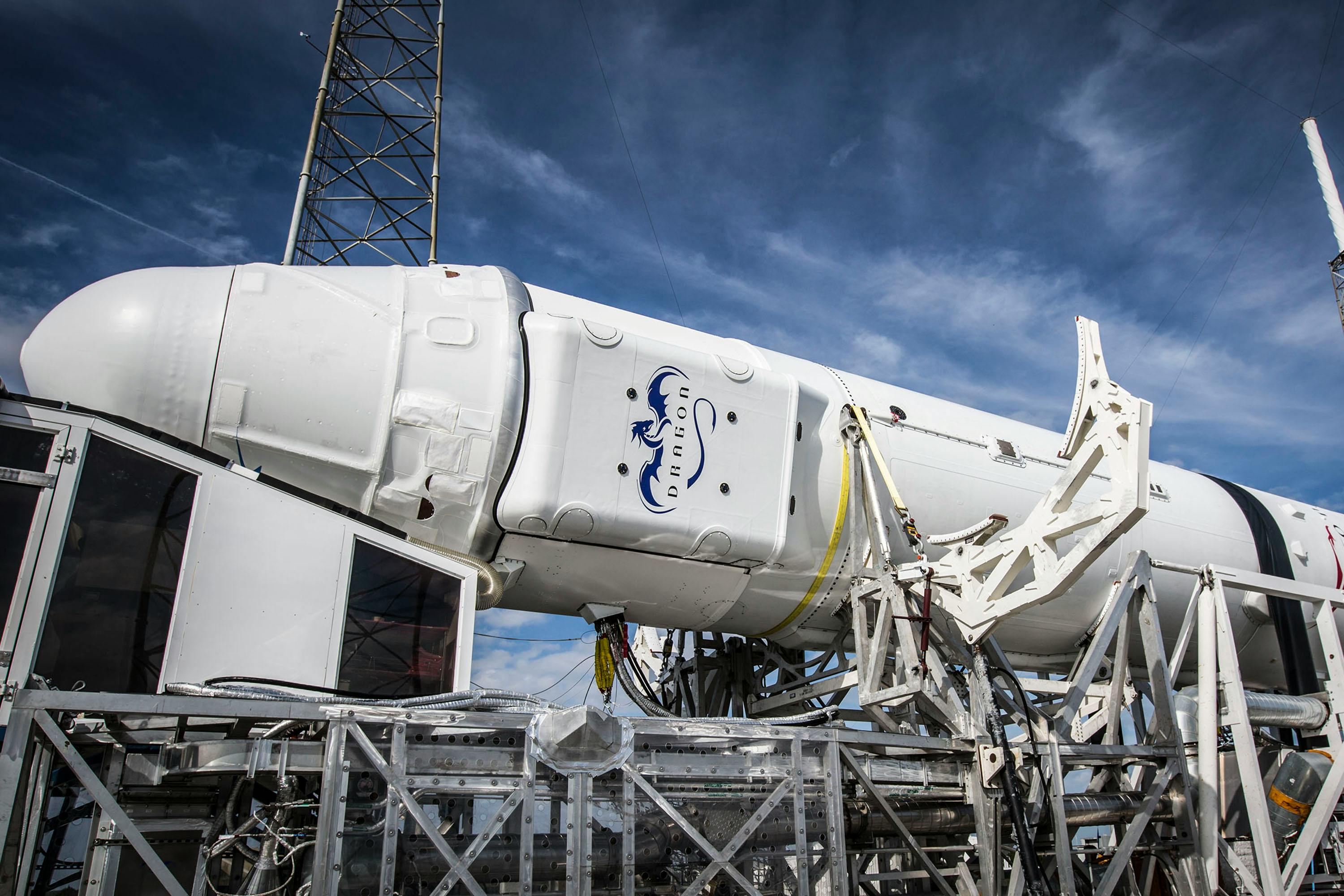
FAA documents expose SpaceX's Starfall reentry vehicle program, targeting in-space manufacturing support as the Starlink constellation holds 10,397 working satellites.
The laser-based crosslinks that turn Starlink into a mesh, anchor the SDA Transport Layer, and just made their GPS debut on GPS III SV10 - quietly rewriting how data moves through space.
Today's brief highlights the need for better space debris management, multiple SpaceX Starlink launches, and NASA's upcoming lunar cargo delivery plans.
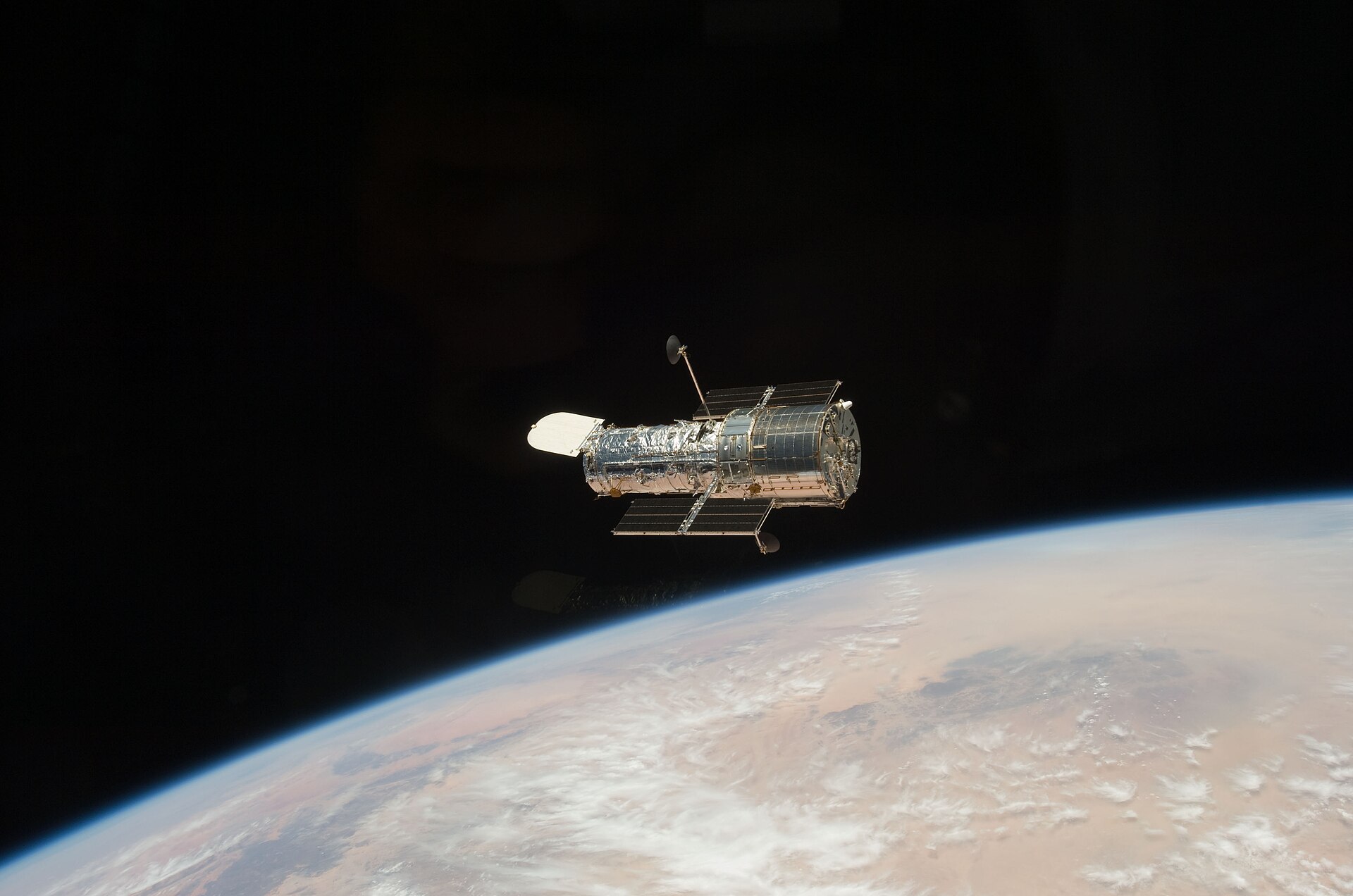
On April 25, 1990, the Space Shuttle Discovery's robotic arm lifted a 11,110-kilogram barrel of mirrors and instruments out of the payload bay and released it into orbit. Six weeks later, the first images came back badly out of focus. The Hubble Space Telescope had been ground to the wrong prescription, and America had just spent $2.5 billion on what the press was calling a 'technoturkey.'