

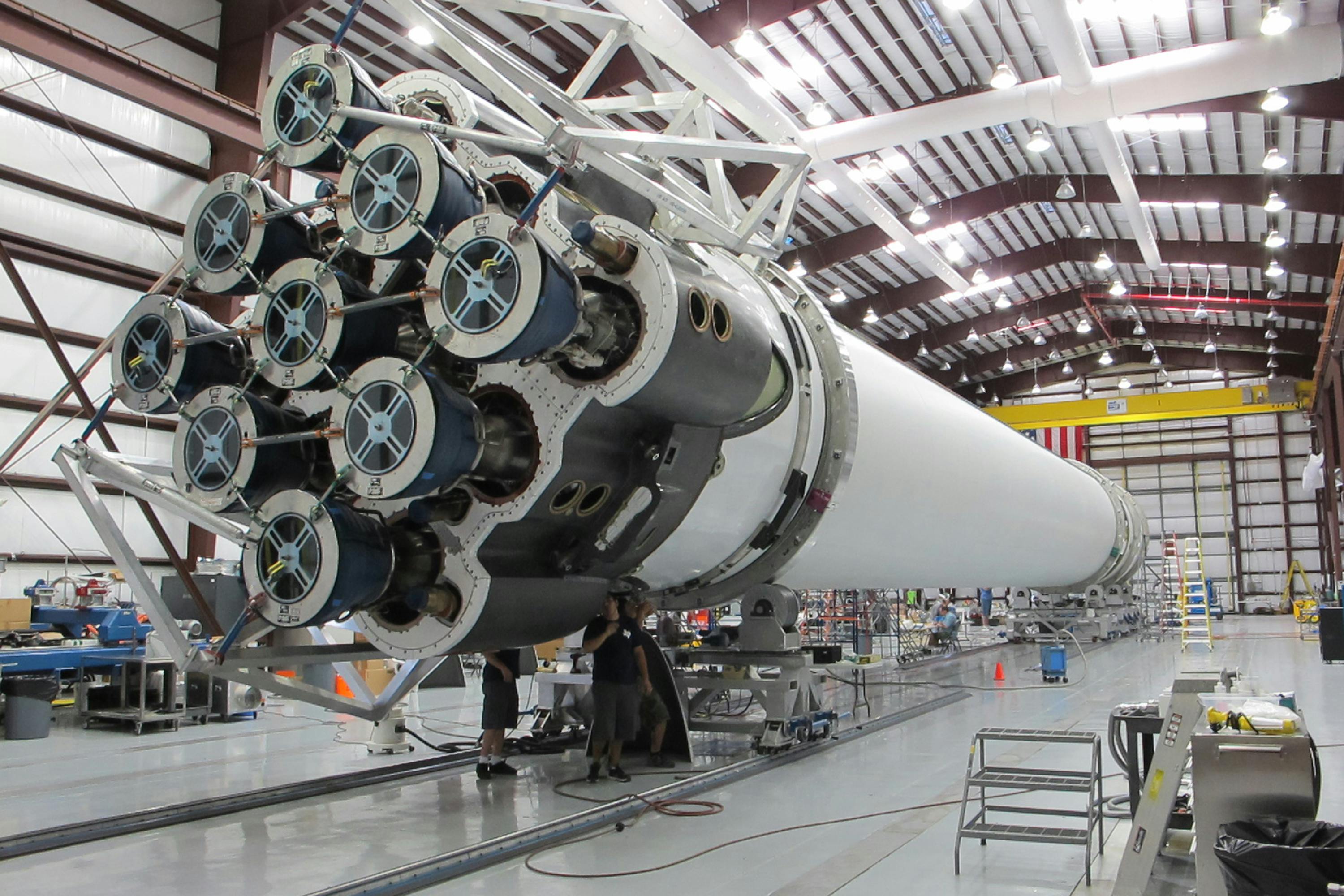
SpaceX Opens 2026 With 29 Starlink Satellites, X Report 5 Jan 2026
SpaceX Starlink updates for 2026 open with Starlink 6-88: 29 satellites from Cape Canaveral on Jan 4, after a record 165-launch 2025.


Launch Date
June 21, 1969
Launch Site
AFWTR
Launch Pad
Unknown
Launch Vehicle
Unknown
NORAD ID
03993
International Designator
N/A
Decay Date
12/10/1976
Name
DELTA 1 R/B
Alternative Name
FW4D
Type
Status
Owner
GSFC
Country
United States
Constellation
N/A
Related Satellites
Major Events
N/A
Length
1.5
Diameter
0.5
Span
1.5
Dry Mass
40
Launch Mass
40
Shape
Cyl
Radar Cross Section
Unknown
Visual Magnitude
Unknown
Color
Unknown
Material Composition
Unknown
Payload
FW4D S/N 2322-2
Purpose
Unknown
Mission
Unknown
Manufacturer
UTC
Life Expectancy
Unknown
Bus
FW4
Configuration
Unknown
Motor
Unknown
Equipment
Unknown
Power System
Unknown
ADCS
Unknown
Transmitter Frequency
Unknown
Learn more about satellites and other related topics.
SpaceX Starlink updates for 2026 open with Starlink 6-88: 29 satellites from Cape Canaveral on Jan 4, after a record 165-launch 2025.
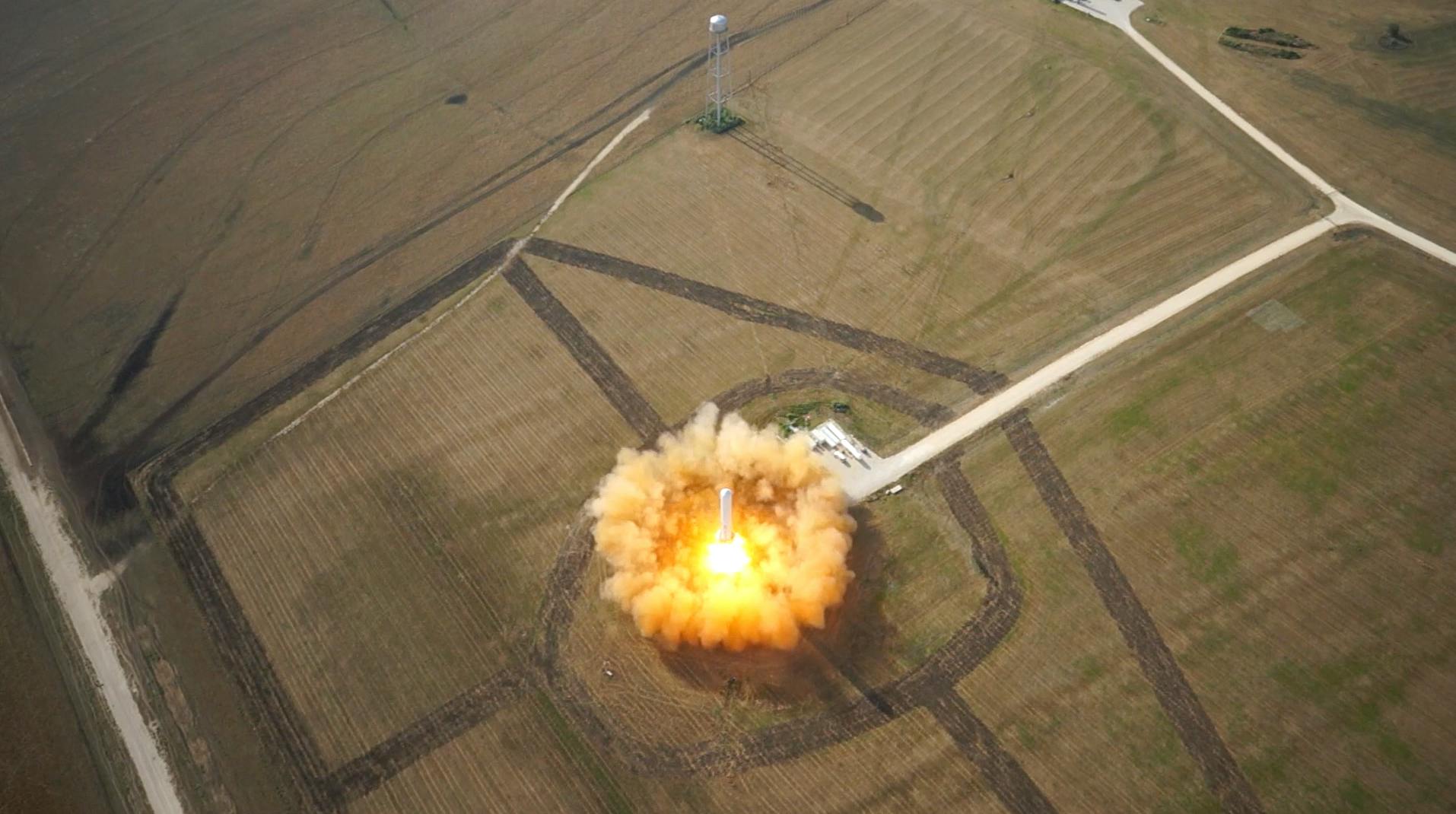
SpaceX prepares for its 10th Starship test flight, set for August 24, as the FAA grants approval following earlier setbacks.
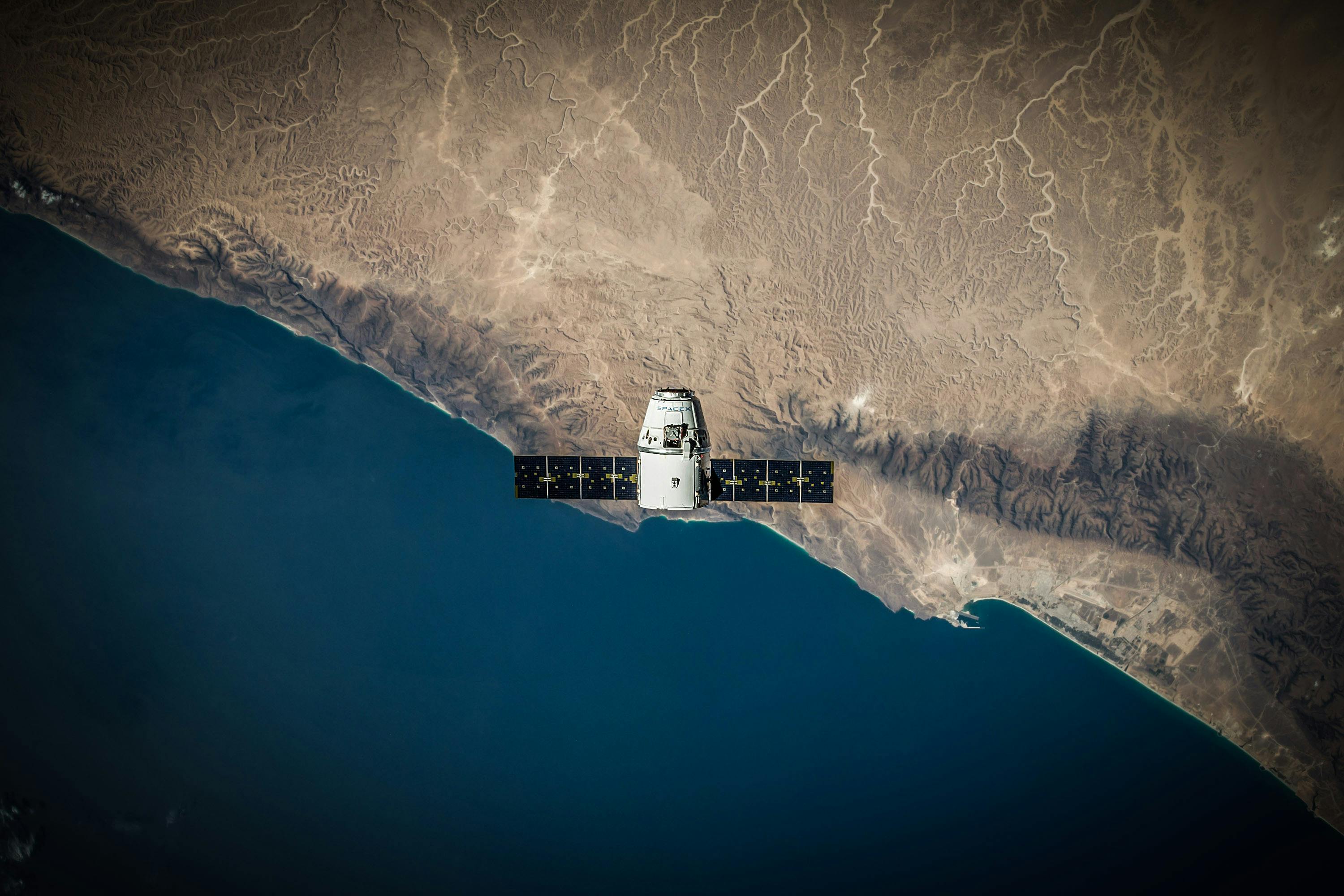
On December 14, 2025, SpaceX achieved a significant milestone with its 550th booster landing following the launch of 27 new Starlink satellites, while exploring potential IPO strategies to fund future projects.
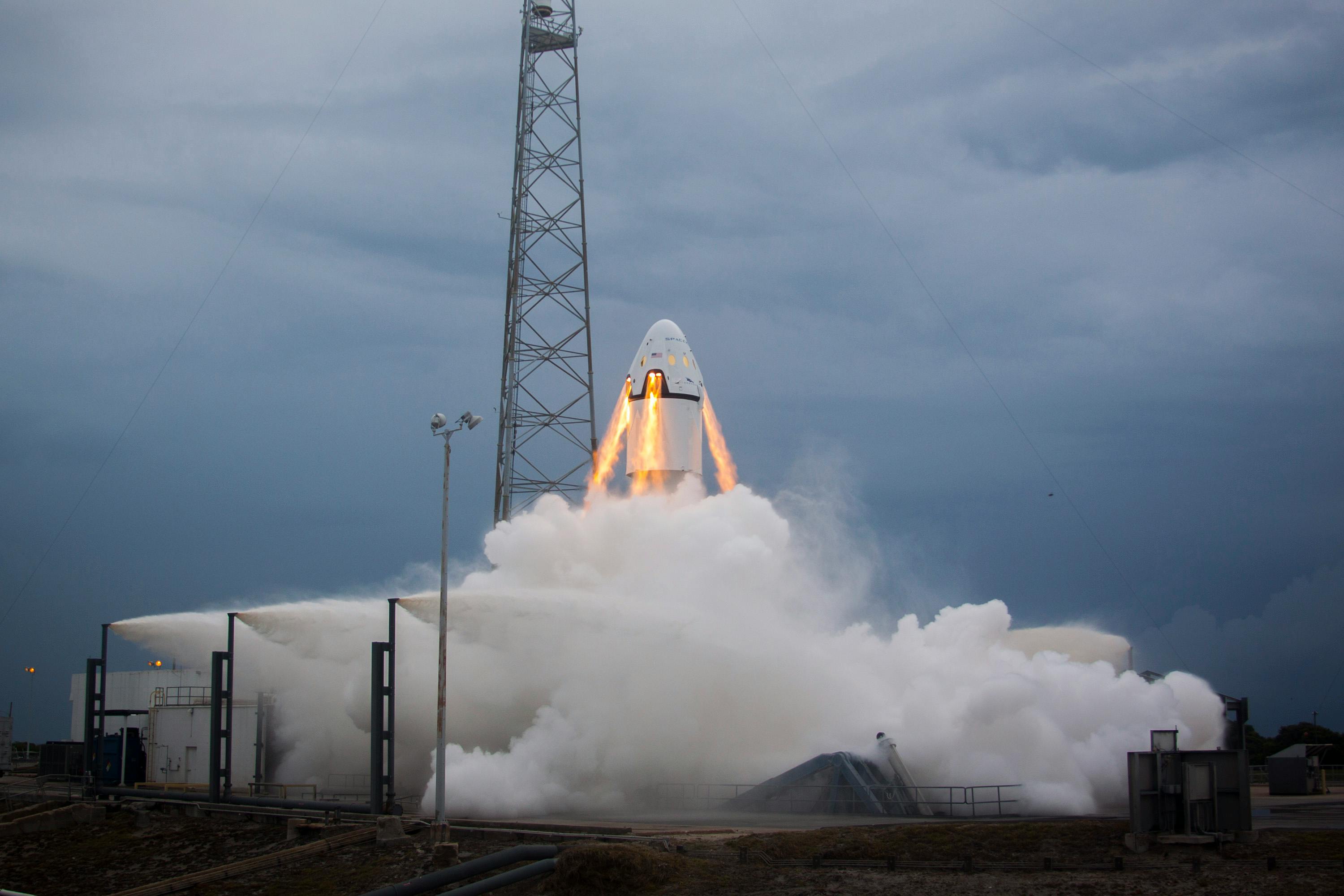
SpaceX achieves a milestone with its 350th successful mission, including a significant Starlink launch, while Starship advances in testing. Meanwhile, SpaceX boosts SiriusXM's satellite fleet and industry competitors make strides.
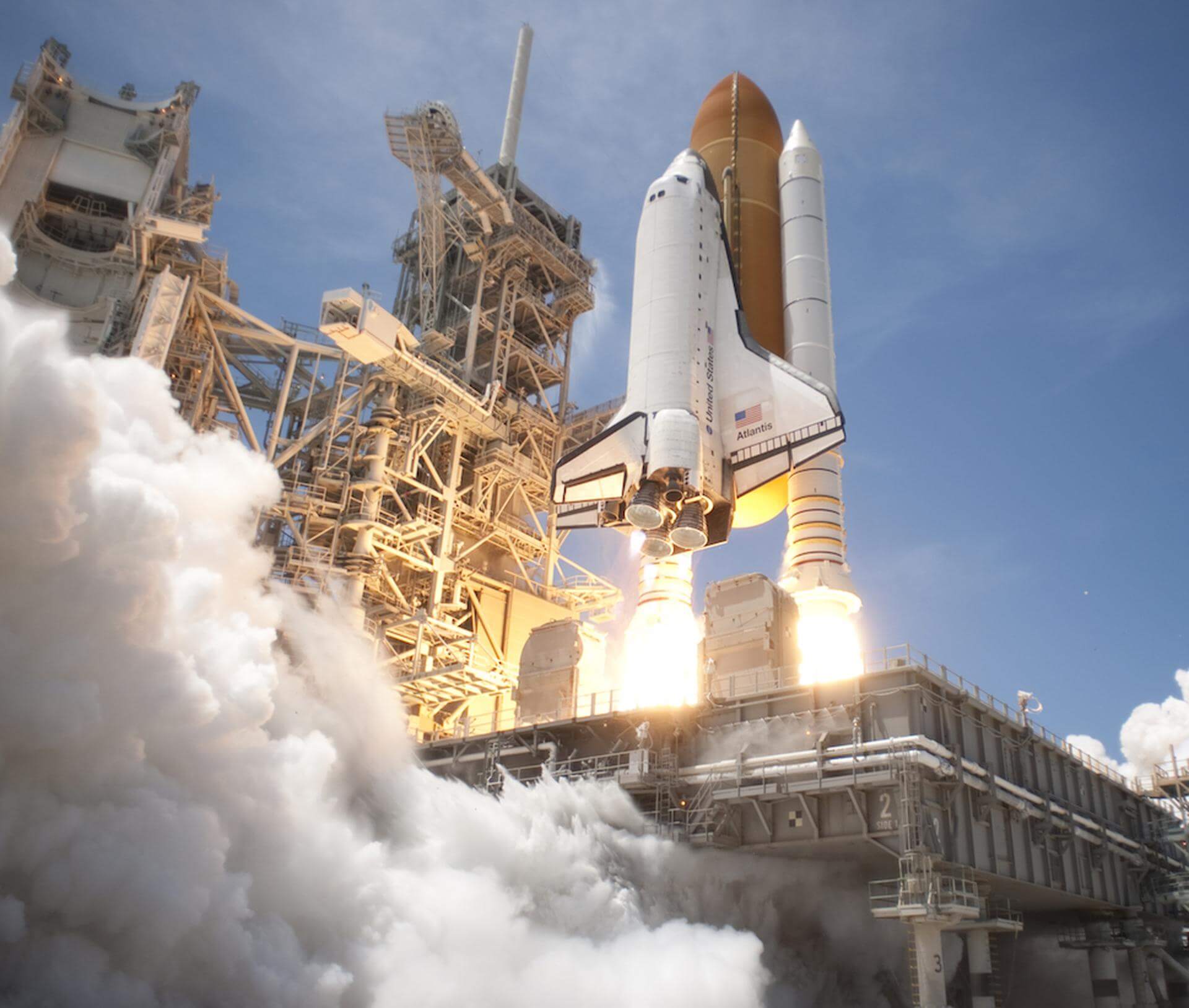
Space Force confirmed 9 companies won orbital Air Moving Target Indication contracts. Capability shifts airborne surveillance to satellites for expanded coverage and survivability.

SpaceX's historic Falcon 9 flight launches 21 Starlink satellites, opening new milestones in space travel. Meanwhile, K2 Space achieves a funding breakthrough, and the first astronaut with a disability is set for a mission to the ISS.
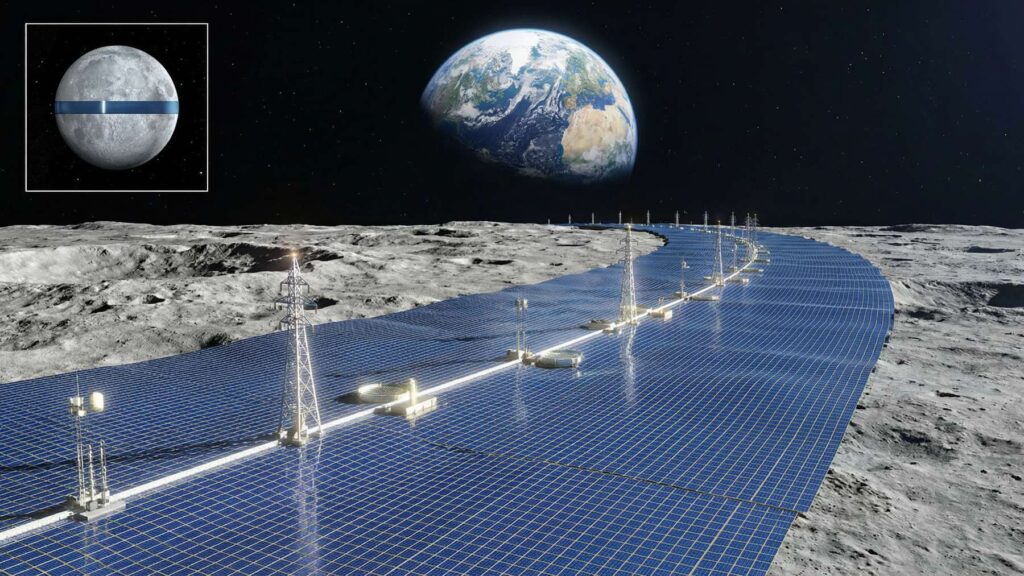
A 220-year-old Japanese construction company wants to build an 11,000-kilometer belt of solar cells around the lunar equator and beam the power back to Earth. The physics checks out. Everything else is another story.

Today's briefing covers new satellite projects, military tech advancements, and insights into missile defense strategies. Discover partnerships in satellite design and exciting developments in space military technology.