


X Report 16 Aug 2025
SpaceX receives FAA approval for its 10th Starship test flight scheduled for August 24, while also making strides in construction at the Cape and contesting broadband funding in Virginia.



Launch Date
April 15, 1969
Launch Site
Launch Pad
LC31
Launch Vehicle
Voskhod 11A57
NORAD ID
03893
International Designator
1969-038A
Decay Date
4/23/1969
Name
COSMOS 279
Alternative Name
Kosmos-279
Type
Status
Owner
TSUKOS
Country
USSR
Constellation
N/A
Related Satellites
Major Events
N/A
Apologies, there is no summary for this satellite yet. I am working to generate these for every object in the catalog, but it is going to take time.
Length
6.5
Diameter
2.4
Span
6.5
Dry Mass
2200
Launch Mass
2200
Shape
Sphere + DCone
Radar Cross Section
Unknown
Visual Magnitude
Unknown
Color
Unknown
Material Composition
Unknown
Payload
Zenit-4 No. 61L
Purpose
Unknown
Mission
Unknown
Manufacturer
TSKBE3
Life Expectancy
Unknown
Bus
Zenit-4
Configuration
Unknown
Motor
Unknown
Equipment
Unknown
Power System
Unknown
ADCS
Unknown
Transmitter Frequency
Unknown
Learn more about satellites and other related topics.
SpaceX receives FAA approval for its 10th Starship test flight scheduled for August 24, while also making strides in construction at the Cape and contesting broadband funding in Virginia.
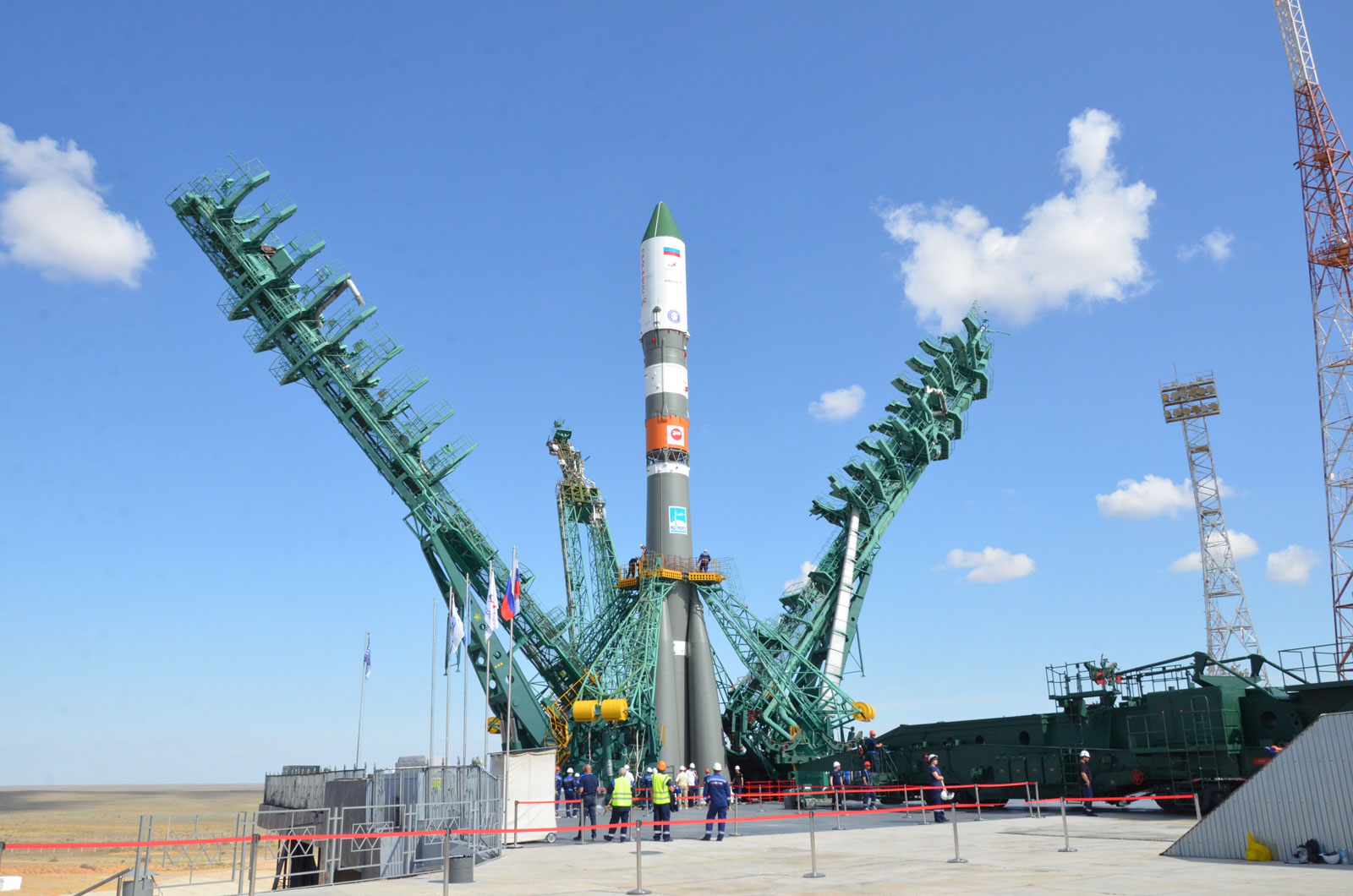
Today's briefing highlights major advancements in tactical satellite communications for military applications, the expansion of an IoT satellite constellation by China's Geespace, and significant developments in lunar communications and surveillance systems.

SpaceX gears up for significant upcoming launches while Starlink makes an impactful difference in disaster recovery efforts. Meanwhile, ESA and Avio reveal plans for competitive advancements in reusable rocket technology.
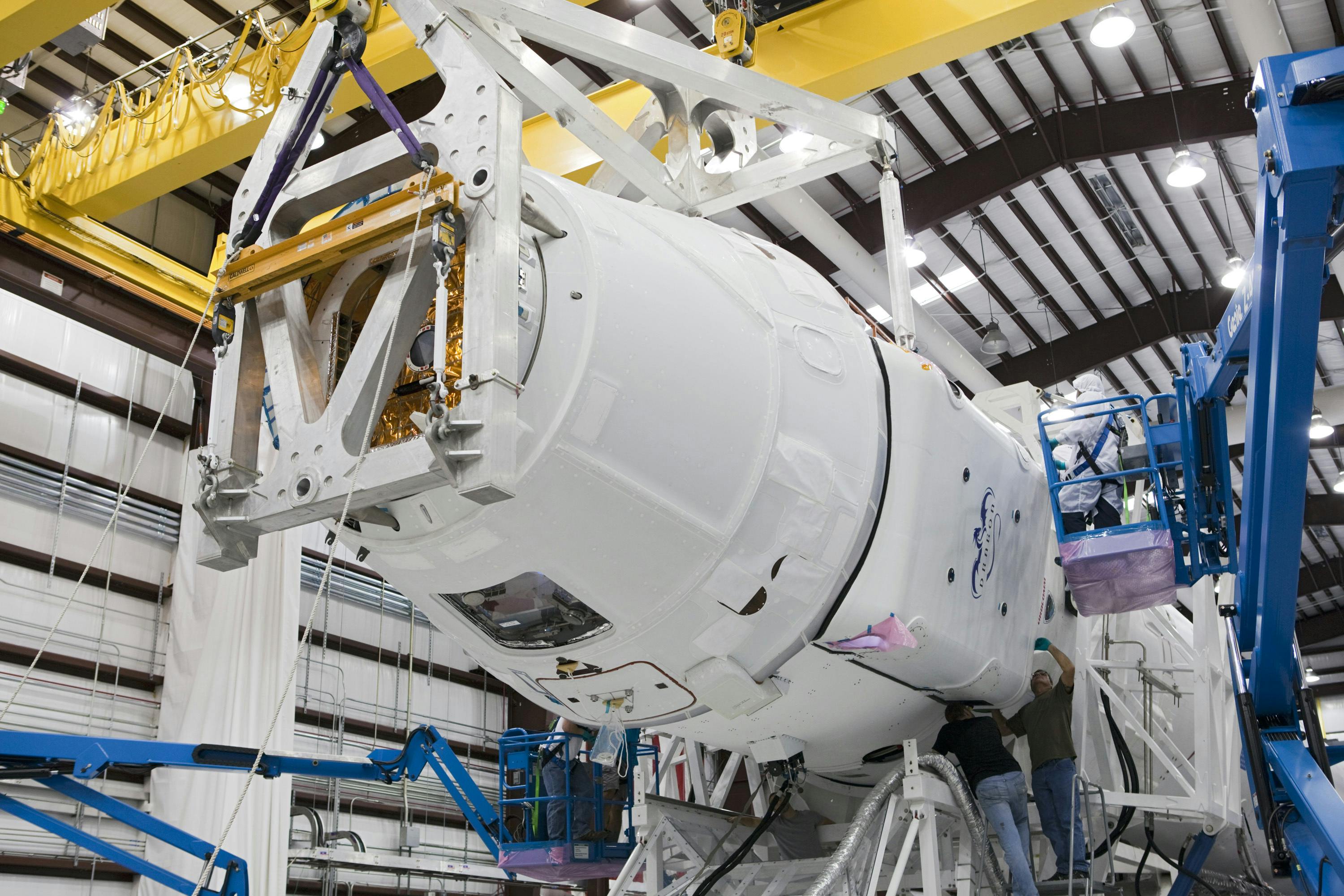
SpaceX completed two launches June 28, orbiting the 15,000-lb SXM-11 satellite and 24 Starlink V2 craft from Vandenberg.
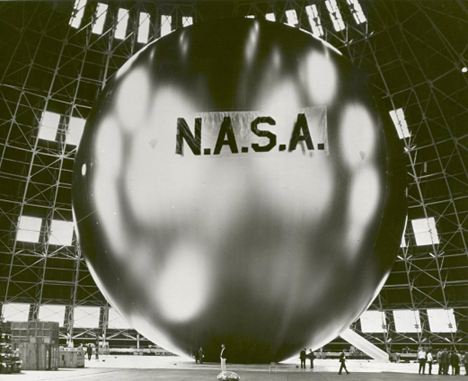
When a 135-foot inflatable mirror bounced a radio signal from England to Russia, it became the first joint US-Soviet space venture - and changed how we think about satellite communication.

Today's Space Brief covers significant events including a high-stakes missile defense program, recent Chinese satellite launches, military defense initiatives, and key profiles in defense leadership.

Landsat 7 launched on April 15, 1999, designed to last five years. It operated for twenty-five, survived a failure that destroyed a fifth of every image it took, and became part of the longest continuous record of Earth's surface ever assembled. Then they made the data free.

In today's briefing: China accelerates its satellite megaconstellation. A comprehensive ESA-led optical data network is in the works, marking a key step in satellite communications. NASA's Artemis II crew visits Ohio in preparation for their lunar journey. SpaceX's record-breaking rocket launches continue. Plus, insights into nuclear rockets that could drastically shorten Mars missions.