


X Report 14 Apr 2025
SpaceX sets a new reuse record with Falcon 9's 27th flight, continuing its Starlink deployment while facing challenges with Starship development.


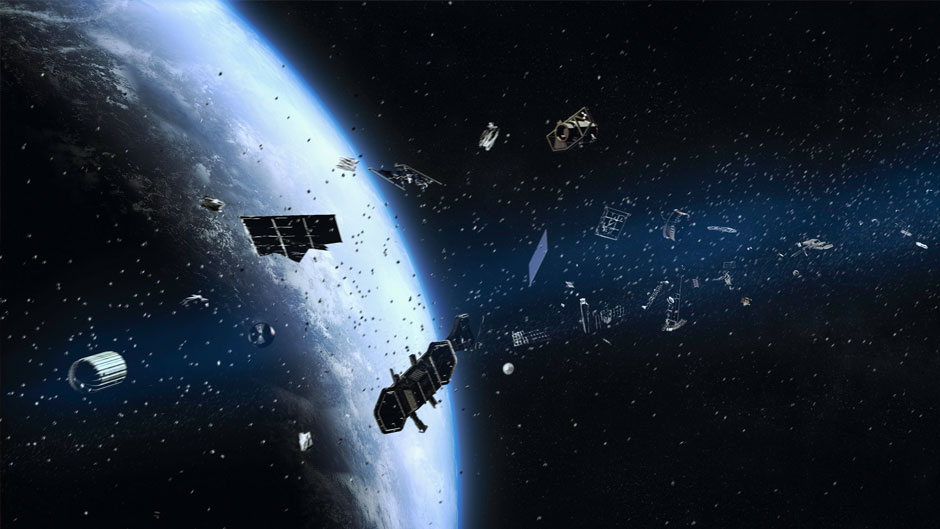
Launch Date
November 1, 1968
Launch Site
Launch Pad
LC90/20
Launch Vehicle
Tsiklon-2A
NORAD ID
03787
International Designator
1968-097AZ
Decay Date
11/12/1982
Name
COSMOS 252 DEB
Alternative Name
deb Kosmos-252
Type
Status
Owner
PKO
Country
USSR
Constellation
N/A
Related Satellites
Major Events
N/A
Length
0
Diameter
0
Span
0
Dry Mass
0
Launch Mass
0
Shape
N/A
Radar Cross Section
0.0259
Visual Magnitude
Unknown
Color
Unknown
Material Composition
Unknown
Payload
Unknown
Purpose
Unknown
Mission
Unknown
Manufacturer
Unknown
Life Expectancy
Unknown
Bus
Unknown
Configuration
Unknown
Motor
Unknown
Equipment
Unknown
Power System
Unknown
ADCS
Unknown
Transmitter Frequency
Unknown
Learn more about satellites and other related topics.
SpaceX sets a new reuse record with Falcon 9's 27th flight, continuing its Starlink deployment while facing challenges with Starship development.
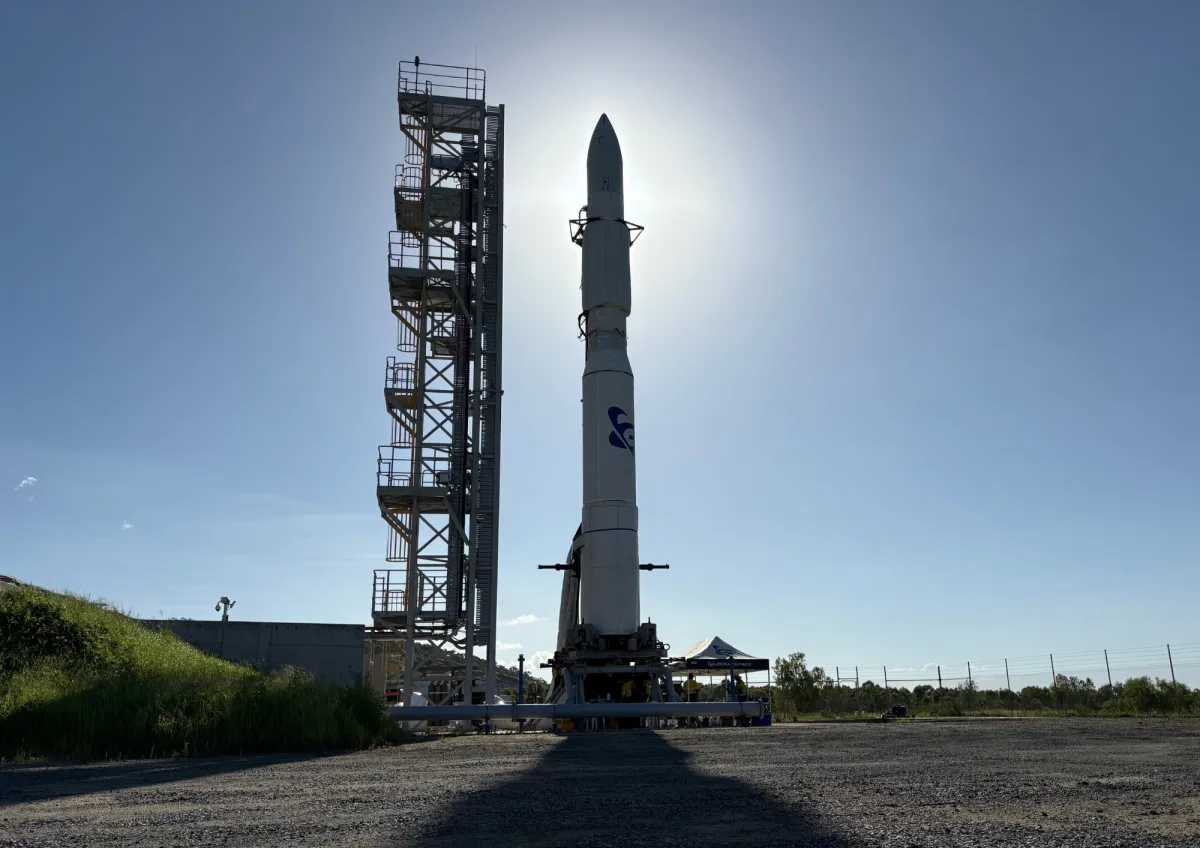
Today's brief covers secret Space Force payloads monitoring China's satellites, collaborations reducing satellite tracking delays, and new AI projects for military operations.
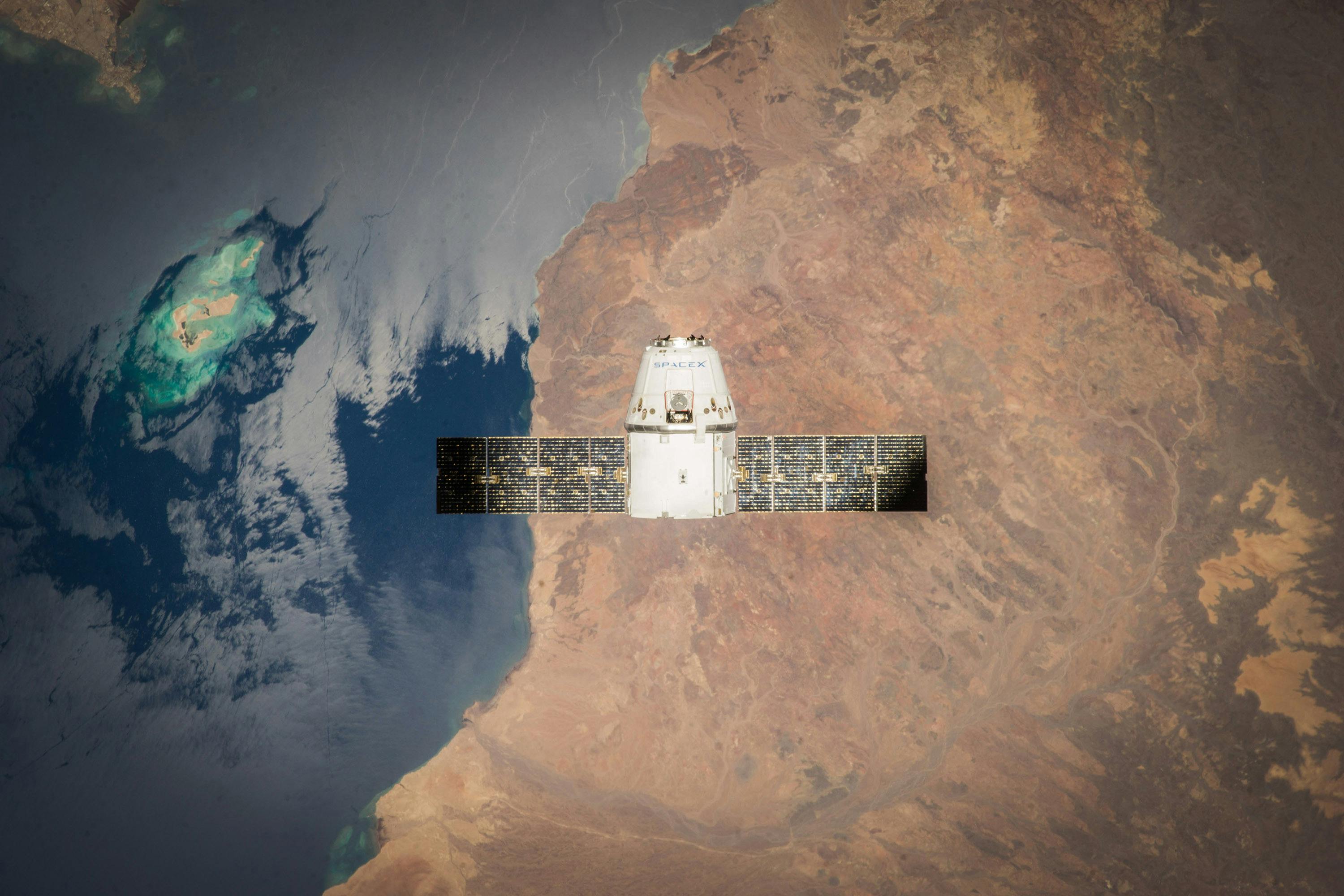
FAA grounds Starship pending a mishap investigation into the V3 debut flight; return to flight hinges on FAA sign-off. Starlink 10-53 added 29 sats.

Today's brief covers launches by SpaceX and mysterious Space Force missions, along with updates on Japan's moon lander and US-UAE defense deals.

Today's briefing covers the U.S. Space Force's substantial investments in commercial satellite services, a strategic military shift, Chinese space station upgrades, and NASA's policy changes.
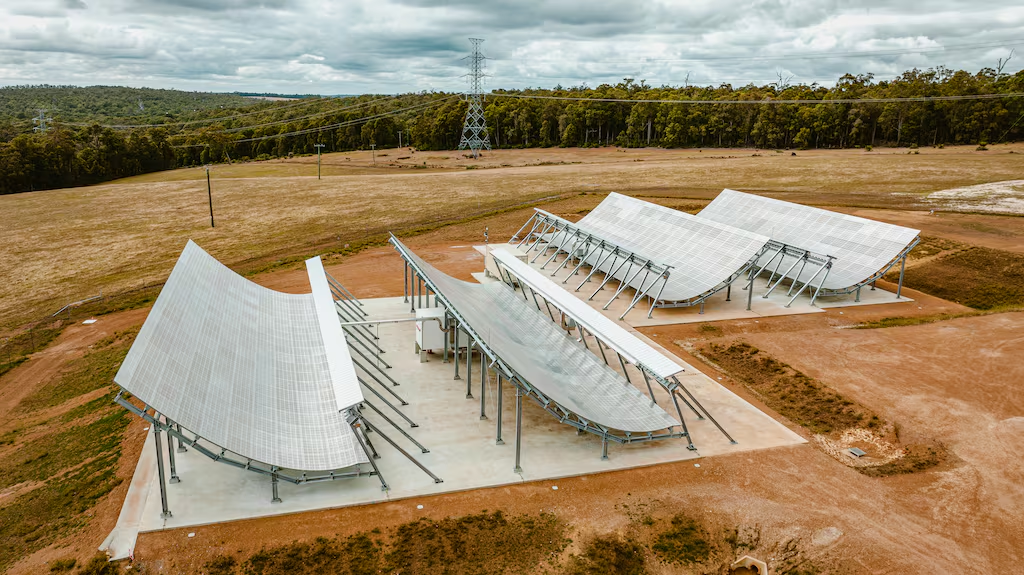
A startup built on Cold War-era radar science now tracks 25,000 objects in orbit - and the Pentagon can't get enough of it. But can its radars really compete with the Space Surveillance Network?

Space Force projects 25 additional high-energy missions in 2027–2029 window, straining capacity at Vulcan and Falcon Heavy. Capacity constraints will drive military-NASA prioritization debates.
DARPA's accidental SpaceX detection highlights Earth as a natural sensor, while SpaceX's Fram2 launches into a polar orbit. Helsinki's defense budget rise hints at increased military satellite activity.