


Space Brief 17 Mar 2025
Today's highlights include significant data release from NASA's Atmospheric Waves Experiment, SpaceX's dual launches of Crew-10 and Starlink satellites, and intriguing findings from the arctic ice studies.



Launch Date
October 20, 1968
Launch Site
Launch Pad
LC90/20
Launch Vehicle
Tsiklon-2A
NORAD ID
03585
International Designator
1968-091T
Decay Date
2/9/1990
Name
COSMOS 249 DEB
Alternative Name
deb Kosmos-249
Type
Status
Owner
PKO
Country
USSR
Constellation
N/A
Related Satellites
Major Events
N/A
Length
0
Diameter
0
Span
0
Dry Mass
0
Launch Mass
0
Shape
N/A
Radar Cross Section
0.2008
Visual Magnitude
Unknown
Color
Unknown
Material Composition
Unknown
Payload
Unknown
Purpose
Unknown
Mission
Unknown
Manufacturer
Unknown
Life Expectancy
Unknown
Bus
Unknown
Configuration
Unknown
Motor
Unknown
Equipment
Unknown
Power System
Unknown
ADCS
Unknown
Transmitter Frequency
Unknown
Learn more about satellites and other related topics.
Today's highlights include significant data release from NASA's Atmospheric Waves Experiment, SpaceX's dual launches of Crew-10 and Starlink satellites, and intriguing findings from the arctic ice studies.
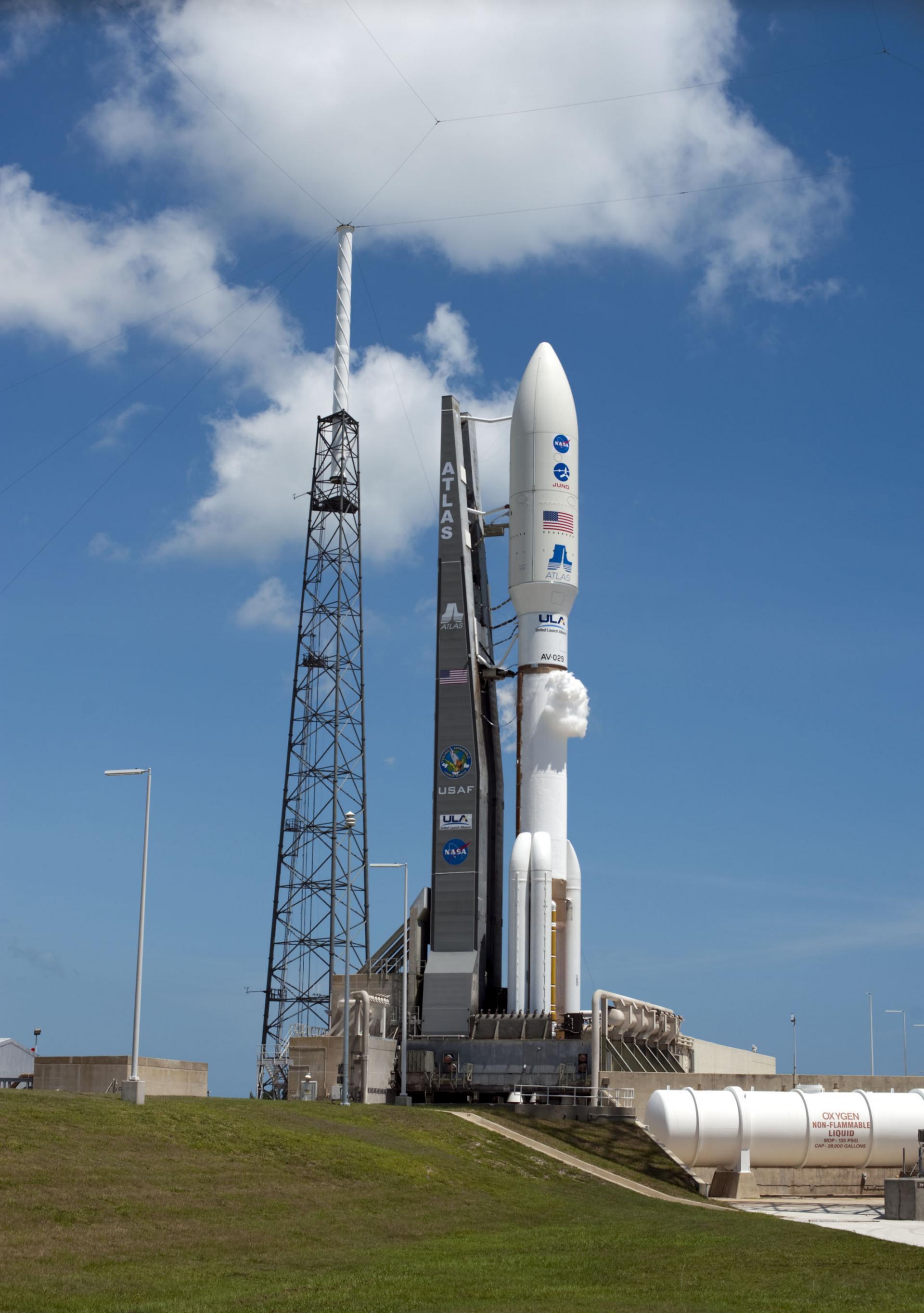
Today's brief covers the redeployment of decommissioned missile technologies to orbital duties, Germany's plans for a sovereign communications network, and fresh developments in hypersonic testing through Rocket Lab.

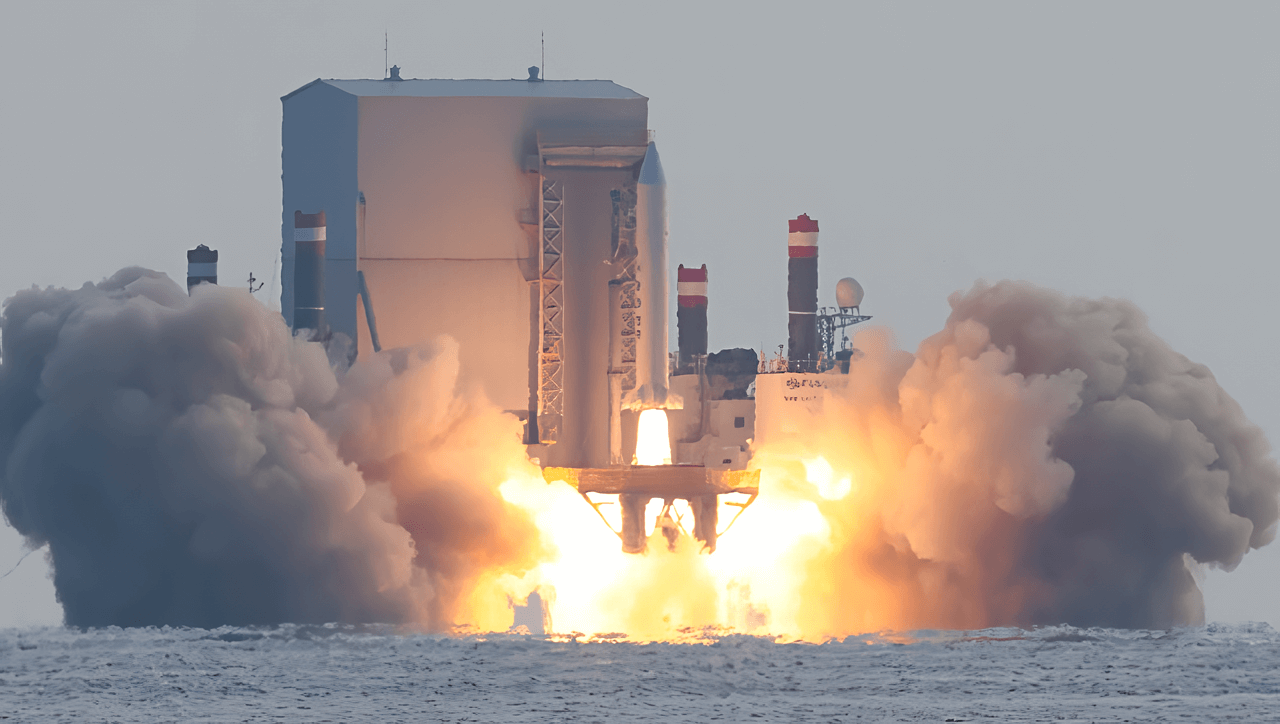
Latest updates include China's Lijian-1 launching 15 satellites, a fiery Starlink reentry, SpaceX's milestone Falcon 9 booster landing, and China's support for its commercial space sector.
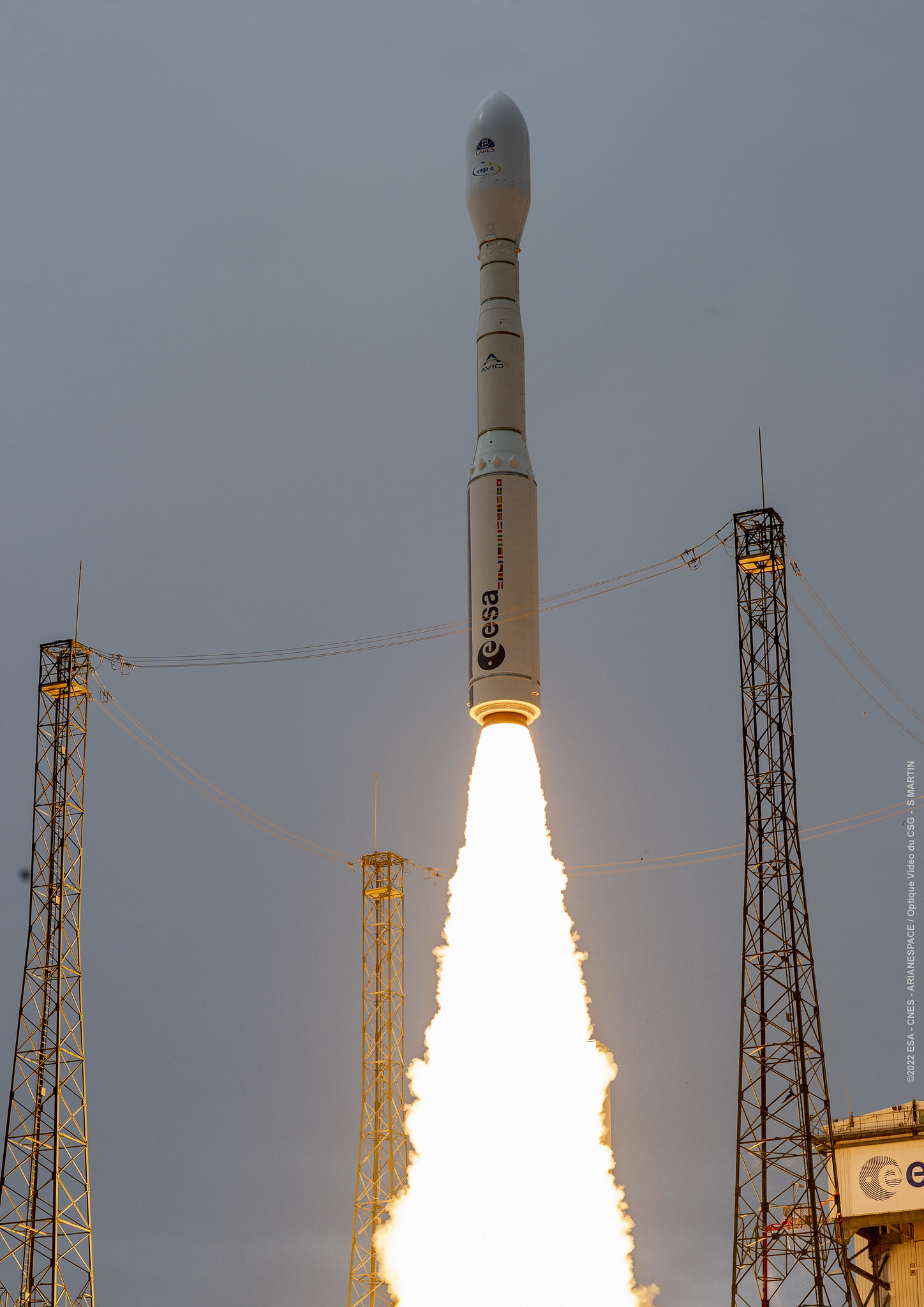
SpaceX launches a doubleheader of satellites while Blue Origin prepares for a historic all-female spaceflight. Also, meet FORMOSAT-5 in our Satellite Spotlight.
China formalized a national VLEO industry alliance with multiple satellites sustaining operations below 300 kilometers altitude. Propulsion startups attracting investment.

SpaceX launches Twilight rideshare from Vandenberg carrying ~40 payloads including NASA's Pandora satellite. Kepler debuts 10 optical data relay satellites. OroraTech thermal sensors integrated.
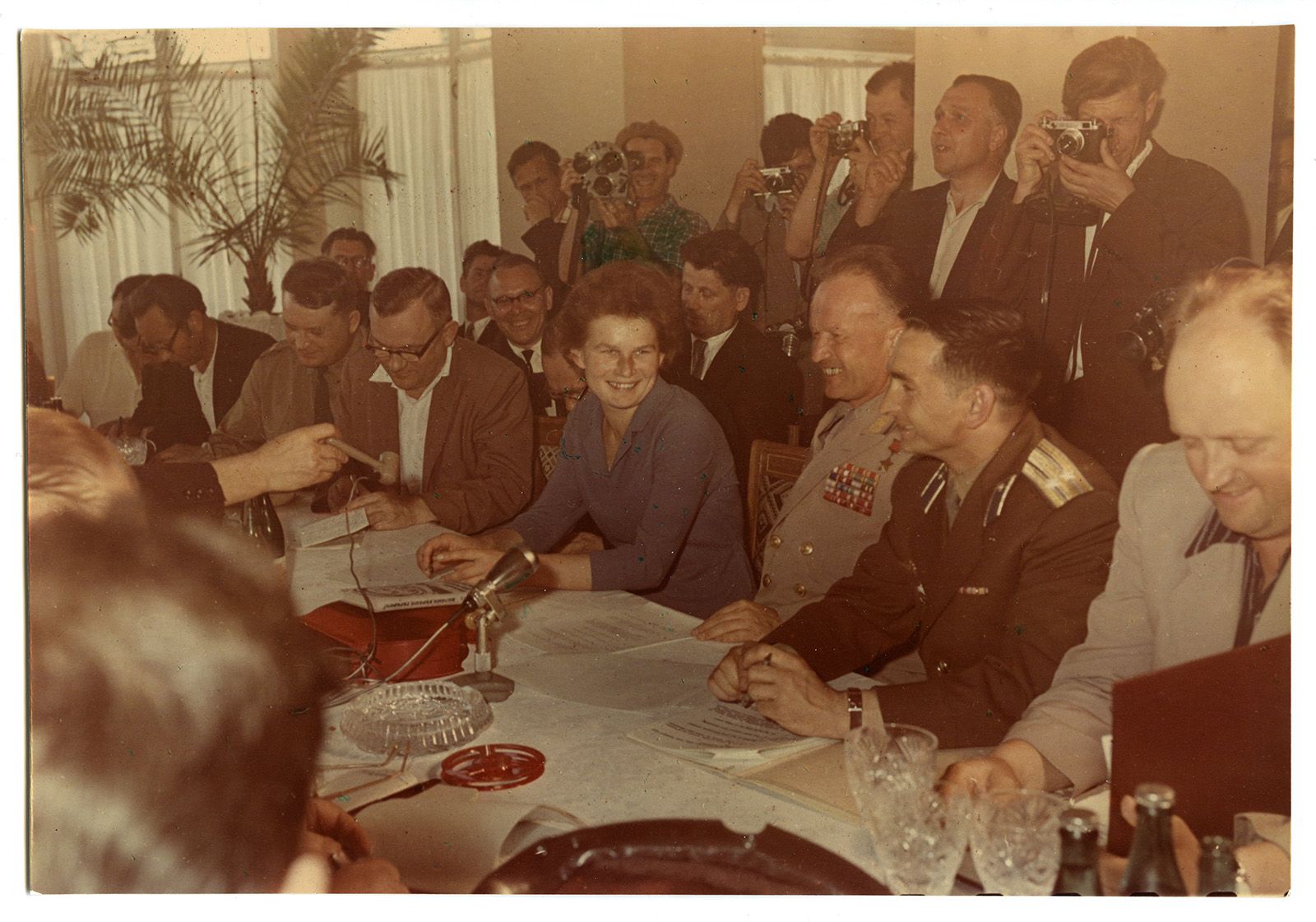
On 16 June 1963, a 26-year-old former textile worker named Valentina Tereshkova launched aboard Vostok 6 and spent nearly three days alone in orbit. She flew 48 times around the Earth, longer than every American astronaut combined, and spotted a dangerous flaw in her descent program that ground controllers had missed.
Highlights include China's recent satellite launch, advancements in nuclear propulsion, non-kinetic tech developments for maritime defense, SpaceX's direct-to-device spectrum tests, and maneuvering satellites for Space Force missions.