

SpaceX IPO Raises $75B, SPCX Surges 20% on Day One | KeepTrack X Report
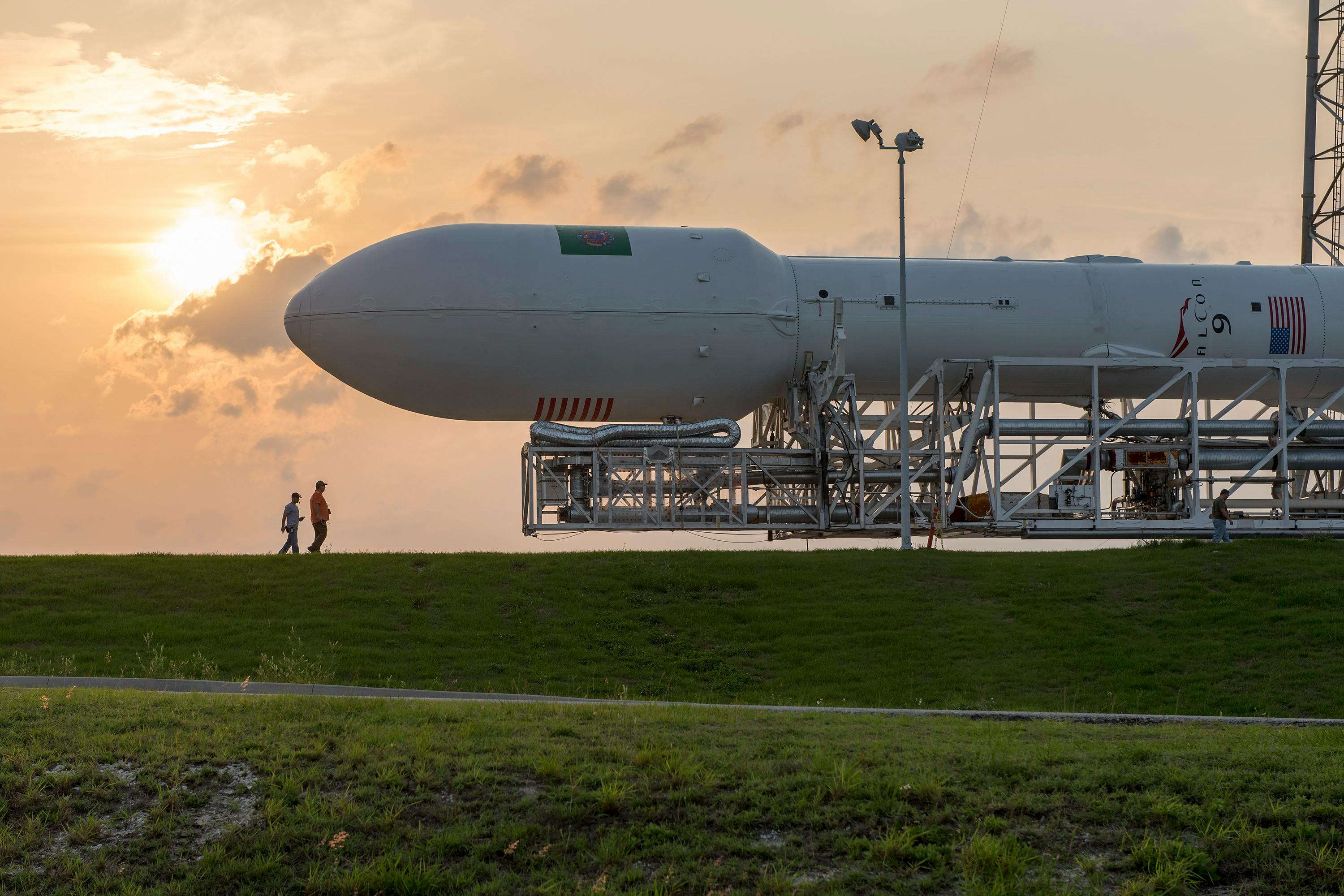
SpaceX debuted on Nasdaq as SPCX at $135/share, raising a record $75B and pushing Elon Musk's net worth past $1 trillion for the first time.



Launch Date
October 15, 1965
Launch Site
Launch Pad
LC40
Launch Vehicle
Titan IIIC
NORAD ID
03385
International Designator
1965-082MX
Decay Date
4/12/1969
Name
TITAN 3C TRANSTAGE DEB
Alternative Name
deb Transtage 4
Type
Status
Owner
AFSSD
Country
United States
Constellation
N/A
Related Satellites
Major Events
N/A
Length
0
Diameter
0
Span
0
Dry Mass
0
Launch Mass
0
Shape
N/A
Radar Cross Section
Unknown
Visual Magnitude
Unknown
Color
Unknown
Material Composition
Unknown
Payload
Unknown
Purpose
Unknown
Mission
Unknown
Manufacturer
Unknown
Life Expectancy
Unknown
Bus
Unknown
Configuration
Unknown
Motor
Unknown
Equipment
Unknown
Power System
Unknown
ADCS
Unknown
Transmitter Frequency
Unknown
Learn more about satellites and other related topics.
SpaceX debuted on Nasdaq as SPCX at $135/share, raising a record $75B and pushing Elon Musk's net worth past $1 trillion for the first time.

SpaceX and Rocket Lab make headlines with simultaneous launches, while Musk's Starliner comments stir controversy.

SpaceX successfully launched the historic Axiom-4 mission to the ISS, marking a significant milestone in private space travel, while also expanding Starlink's reach into Vietnam's healthcare sector.
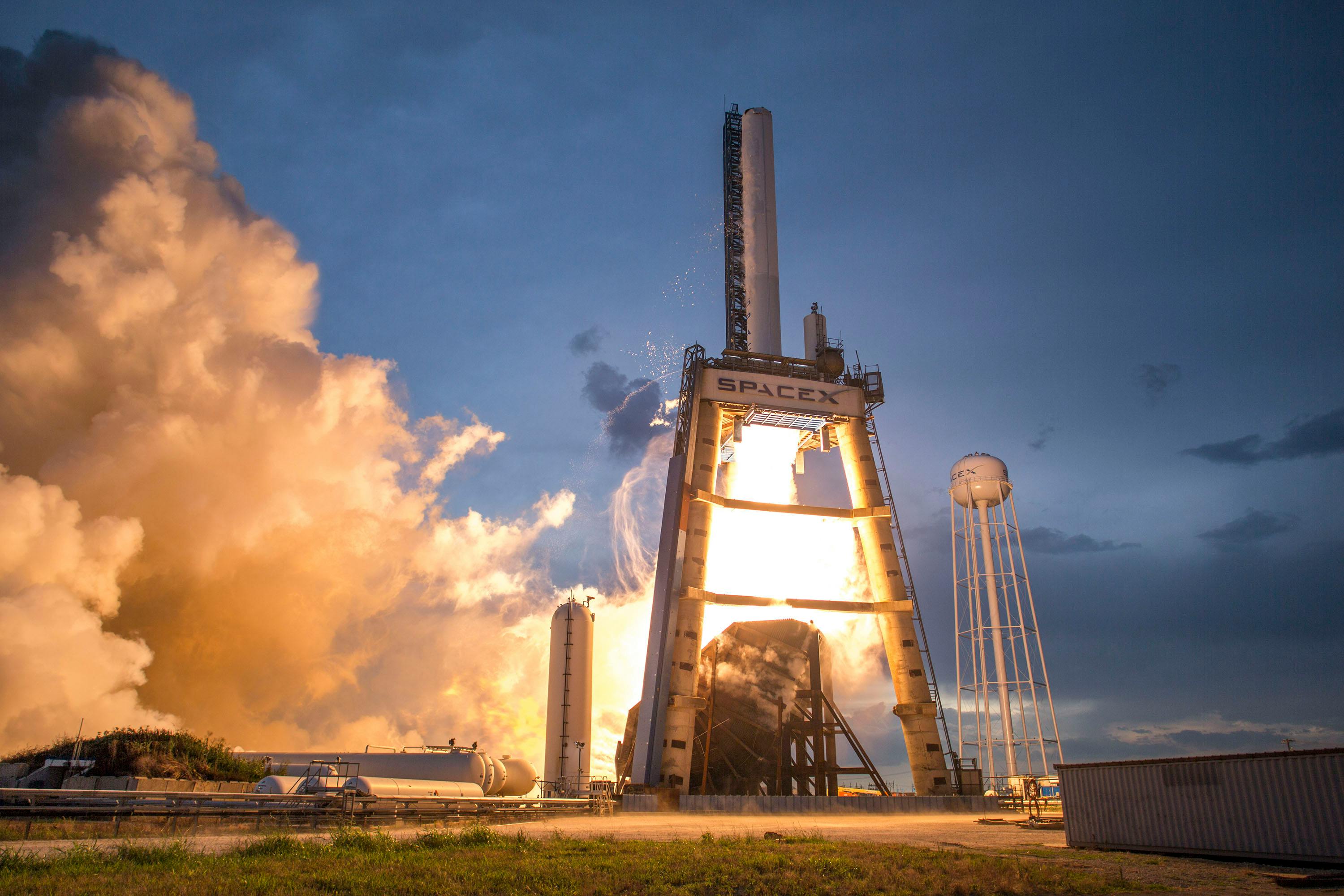
SpaceX successfully launched the latest GPS satellite for the U.S. military, while the FAA has initiated a mishap investigation on a recent Starship test flight. CEO Elon Musk provided updates on the future of the Starship program, indicating ambitious plans ahead.

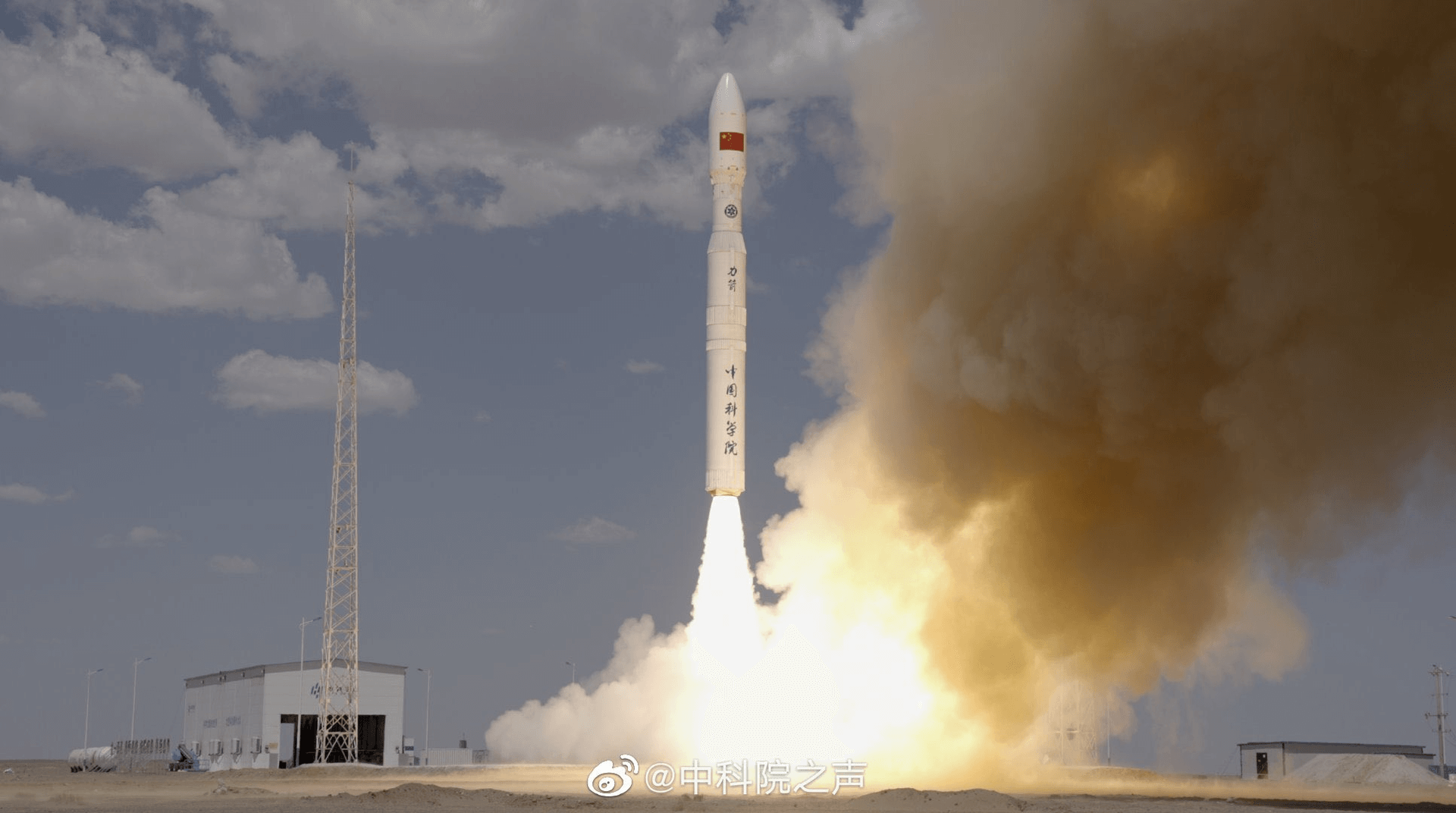
Today's update highlights Boeing's challenges with the Starliner, Europe's IRIS2 constellation advancement, China's CAS Space's global ambitions, and vivid new telescope images of cosmic events.
Today's brief highlights a nuclear battery startup's funding boost, advisory board additions in the space sector, and key military updates impacting space operations.
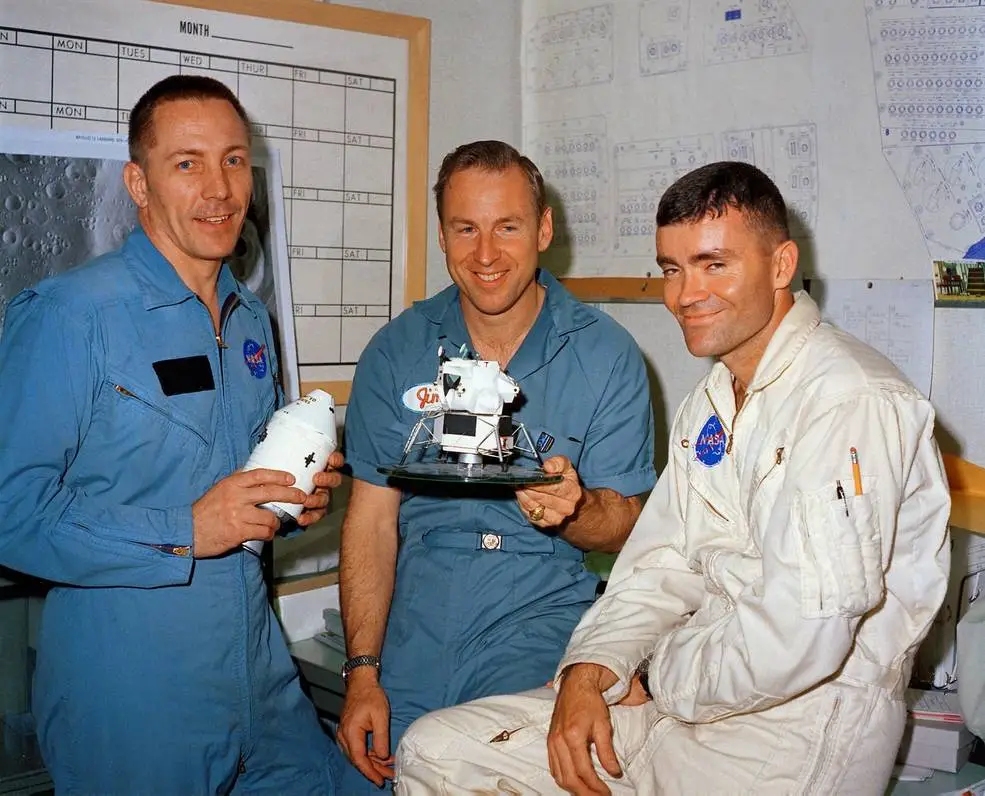
An overlooked thermostat, eight hours of overheating on a Florida launch pad, and 200,000 miles of coasting through deep space. Then Oxygen Tank No. 2 tore itself apart, and three men had to figure out how to come home alive in a spacecraft designed to land on the Moon.

Experts warn falling space debris risk to aircraft is increasing. North Korea tests advanced hypersonic missiles. Space Force seeks launch providers for Cape Canaveral and Vandenberg pads.